Kyoto Kimono Photography: Best Locations & Pro Tips
The Intersection of Heritage and the Lens
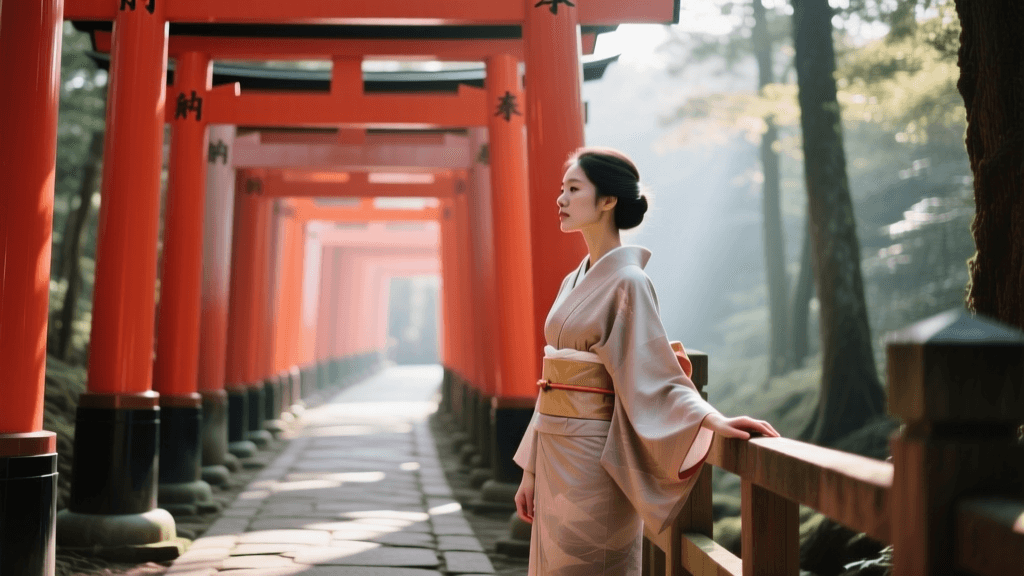
Kyoto is the undisputed heart of Japanese heritage, offering an unparalleled backdrop for traditional garment photography. Capturing the elegance of a kimono requires more than just a beautiful subject; it demands a deep understanding of lighting, cultural context, and location scouting. According to the Japan National Tourism Organization, Kyoto remains the premier destination for cultural immersion, drawing millions who wish to experience and photograph traditional Japanese aesthetics. However, the modern photographer must balance the pursuit of the perfect shot with profound respect for sacred spaces and local residents. This comprehensive guide explores the best locations for kimono photoshoots in Kyoto, essential camera gear, posing techniques for traditional silhouettes, and the cultural etiquette required to shoot responsibly.
Top Kyoto Locations for Kimono Photoshoots
1. Kiyomizu-dera Temple and the Higashiyama District
Kiyomizu-dera is arguably the most iconic photography location in Kyoto. The temple's massive wooden veranda, which juts out over the hillside, offers sweeping views of the city and a stunning foreground for portraits. However, its fame is also its biggest drawback: extreme crowding. To capture clean, unobstructed images, you must arrive right at opening time, typically 6:00 AM. The soft morning light filtering through the surrounding maples creates a magical, diffused glow on silk fabrics. After shooting at the temple, walk down the preserved streets of Ninenzaka and Sannenzaka. The traditional wooden machiya townhouses provide an authentic, historic backdrop that perfectly complements the structured lines of a homongi or furisode kimono. For detailed visitor information and seasonal hours, the Japan Guide entry on Kiyomizu-dera is an indispensable resource for planning your early morning arrival.
2. Shoren-in Monzeki Temple
For photographers seeking tranquility and lush greenery, Shoren-in is a hidden gem. Unlike the bustling tourist hubs, this former monzeki temple (where head priests were members of the imperial family) offers expansive moss gardens, ancient camphor trees, and a beautiful pond. The entry fee is a reasonable 800 yen, and the crowd level is significantly lower than nearby Chion-in. The dappled sunlight piercing through the camphor canopy creates natural spotlights, ideal for highlighting the intricate yuzen dye patterns on a kimono. The wooden engawa (verandas) here are perfect for seated portraits, allowing the garment's obi and hem to drape elegantly.
3. Yasaka Shrine at Dusk
Located at the end of Shijo Avenue, Yasaka Shrine is uniquely open 24 hours and free to enter. While daytime shots are pleasant, the shrine truly comes alive for photography during the blue hour and early evening. The massive stone lanterns and hanging paper chochin lanterns are illuminated, casting a warm, cinematic glow. This location is ideal for styling a subject in a vibrant, modern-print kimono or a classic yukata during the summer months. The contrast between the warm lantern light and the cool blue twilight sky creates a striking color palette that makes silk textures pop.
4. Daigo-ji Temple
Daigo-ji is world-renowned for its weeping cherry blossoms (shidare-zakura) in early April and its fiery autumn foliage. The temple grounds are vast, divided into the Sanbo-in garden, the Shimo-Daigo area, and the Kami-Daigo mountain trails. The Sanbo-in garden, with its meticulously designed ponds and arched bridges, provides a highly refined, aristocratic backdrop suited for formal kurotomesode or iromuji kimono. Entry to the main areas costs around 1,500 yen during peak seasons, but the investment is worth it for the unparalleled seasonal colors.
Location Comparison Chart
When planning a kimono photoshoot, matching the location's vibe, lighting, and logistical realities to your specific garment and schedule is crucial. Use the table below to compare Kyoto's top spots.
| Location | Entry Fee | Best Time to Shoot | Crowd Level | Ideal Kimono Style |
|---|---|---|---|---|
| Kiyomizu-dera | 400 JPY | 6:00 AM - 7:30 AM | Very High | Furisode, Homongi |
| Shoren-in | 800 JPY | 9:00 AM - 11:00 AM | Low | Komon, Tsumugi |
| Yasaka Shrine | Free | 5:30 PM - 7:00 PM | Moderate | Yukata, Modern Prints |
| Daigo-ji | 1500 JPY | 8:00 AM - 10:00 AM | High (Seasonal) | Kurotomesode, Iromuji |
Camera Gear and Technical Settings
Lens Selection for Traditional Silhouettes
The kimono is a garment defined by its straight lines, geometric patterns, and lack of body-contouring tailoring. To capture these details without distorting the fabric's geometry, lens choice is paramount. An 85mm prime lens (f/1.4 or f/1.8) on a full-frame camera is the gold standard for kimono portraiture. This focal length provides a flattering compression that prevents facial distortion while allowing you to isolate the subject from busy temple backgrounds using a shallow depth of field. The creamy bokeh produced by an 85mm lens ensures that the intricate embroidery of the obi or the delicate motifs of the eri (collar) remain the sharpest focal points.
For environmental portraits that showcase the relationship between the garment and the traditional architecture, a 35mm f/1.4 lens is highly recommended. It allows you to capture the subject within the context of a tea house or a torii gate while maintaining excellent low-light performance during dawn or dusk shoots.
Exposure, Shutter Speed, and Silk
Silk is a highly reflective material that can easily blow out in direct sunlight. When shooting outdoors, use a circular polarizer (CPL) filter to cut down glare on the silk and saturate the colors of the dye. For shutter speed, kimono sleeves (sode) are long and heavy, but they catch the wind and movement gracefully. To freeze the elegant motion of a sleeve being tossed or caught in a breeze, maintain a shutter speed of at least 1/250th of a second. If you are shooting in the shaded moss gardens of Shoren-in, do not hesitate to push your ISO to 800 or 1600 to maintain this shutter speed; modern cameras handle this noise gracefully, and preserving the sharpness of the textile weave is far more important.
Posing and Garment Management
Collar and Sleeve Etiquette
Posing in a kimono is fundamentally different from Western fashion photography. The garment dictates the movement, not the other way around. The angle of the eri (collar) at the back of the neck is one of the most critical aesthetic elements. For women, the collar should be pulled back to reveal the nape of the neck, traditionally considered the most alluring part of the body in Japanese culture. Photographers must constantly monitor this angle, as it can shift when the subject turns.
Sleeve management, or sode-sabaki, is equally important. When a subject holds an object like a wagasa (paper umbrella) or a sensu (folding fan), the outer sleeve should drape smoothly without twisting. Ask your subject to gently pinch the front panels of the kimono at the hip to keep the ohashori (the fold at the waist) neat and to prevent the lower half of the garment from flaring open awkwardly.
Footwear and Stance
Walking in zori or geta (traditional sandals) with tabi (split-toe socks) requires a specific gait. Subjects should be instructed to take smaller, deliberate steps, keeping their toes pointed slightly inward (uchimata) to project a traditional, graceful demeanor. When posing on an engawa (wooden veranda), the subject should sit in seiza (kneeling) or with legs folded neatly to the side, ensuring the hem of the kimono falls in a clean, unbroken line across the wooden floorboards.
Cultural Etiquette and Respect
The kimono is not merely a costume; it is a profound expression of Japanese cultural identity, seasonal awareness, and social etiquette. Photographing it requires an understanding of its historical weight.
As the Victoria and Albert Museum highlighted in their landmark exhibition on the garment's evolution, the kimono is a complex cultural artifact. When photographing in Kyoto, this cultural weight must be respected. Never ask a subject to sit on sacred stone lanterns, lean against fragile wooden temple pillars, or step into restricted garden areas for the sake of a composition. Furthermore, be hyper-aware of your surroundings; blocking narrow streets in Gion or Higashiyama to set up reflectors or tripods is deeply disrespectful to local residents and businesses.
Always ask for permission before photographing geiko or maiko in the Gion district. Many streets in Gion have explicitly banned photography without permission, and violations can result in hefty fines. Instead, focus your lens on your styled subject, the breathtaking architecture, and the quiet, fleeting moments of light that make Kyoto the ultimate canvas for traditional Japanese fashion photography.