Ming Court Fashion: A Guide to Mangpao and Feiyufu
The Ming Sartorial Revival: Reclaiming Han Identity
The Ming Dynasty (1368–1644) represents a monumental era in the evolution of Chinese court fashion and textile artistry. Following the collapse of the Mongol-led Yuan Dynasty, the founding Hongwu Emperor sought to erase foreign influences and reinstate traditional Han Chinese sartorial codes. This cultural reclamation was not merely aesthetic; it was a deeply political act codified into rigorous sumptuary laws. According to the Encyclopedia Britannica, these laws dictated everything from the color and fabric of a garment to the specific mythical motifs permitted on the robes of nobles and officials, creating a visual hierarchy that maintained strict social order.
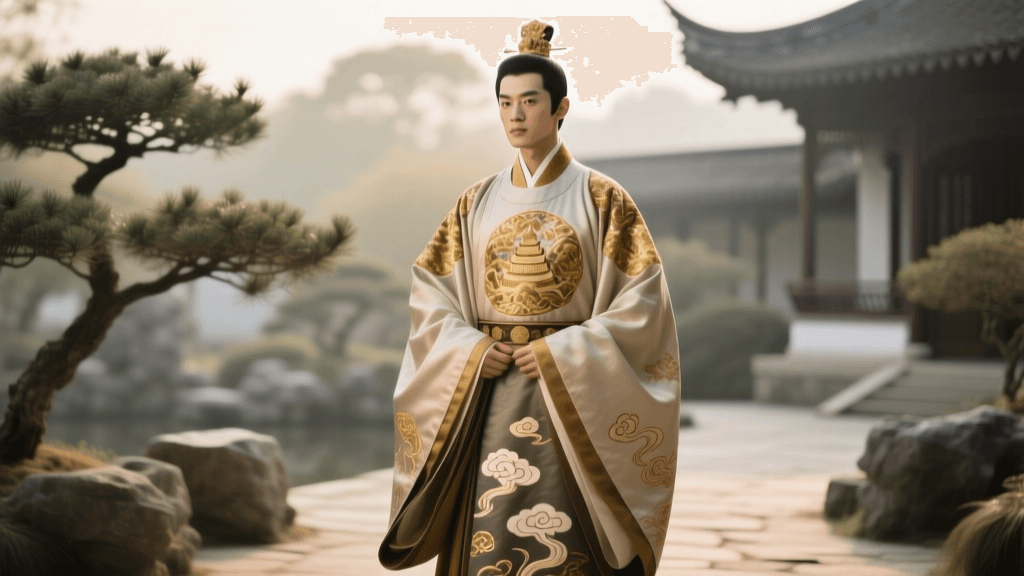
At the heart of this hierarchy were the imperial bestowals known as Cifu (bestowed robes). While the Emperor reserved the five-clawed Longpao (Dragon Robe) exclusively for himself and his immediate heirs, high-ranking officials, military generals, and favored courtiers were awarded garments featuring slightly altered mythical beasts. The most coveted of these were the Mangpao (Python Robe) and the Feiyufu (Flying Fish Robe). Today, these garments remain the pinnacle of historical accuracy and luxury for modern Hanfu enthusiasts, historical reenactors, and textile collectors.
Decoding the Bestowed Robes: Mangpao and Feiyufu
The Mangpao (Python Robe)
The Mang is a mythical, dragon-like serpent. The critical distinction between the imperial dragon and the python lies in the claws: the imperial dragon possesses five claws, while the Mang has four. Wearing a five-clawed dragon motif without imperial decree was considered treason, punishable by death. The Mangpao was typically cut in a round-collar or cross-collar style, featuring sweeping side slits and elaborate cloud, wave, and mountain motifs at the hem, symbolizing the wearer's dominion over the earth and sea. As documented by the Victoria and Albert Museum, Ming dynasty silks utilized complex brocade techniques to render these motifs in gold and silver threads, catching the light during court ceremonies.
The Feiyufu (Flying Fish Robe)
The Feiyu (Flying Fish) is a fascinating chimera from Chinese mythology, combining the head of a dragon, the wings of a bird, and the scaled tail of a fish. The Feiyufu was highly favored by the imperial guard (the Jinyiwei) and military commanders. Its dynamic, aggressive motif symbolized martial prowess, swift justice, and loyalty. In modern Hanfu fashion, the Feiyufu has experienced a massive revival, frequently worn by grooms in traditional Han weddings and featured in high-budget historical dramas due to its striking, martial silhouette.
Comparison Chart: Ming Court Garment Motifs & Ranks
| Garment Name | Mythical Motif | Distinguishing Features | Historical Rank / Recipient | Modern Reenactment Use |
|---|---|---|---|---|
| Longpao | Dragon (Long) | Five claws, imperial yellow | Emperor, Crown Prince | Museum displays, high-end film |
| Mangpao | Python (Mang) | Four claws, serpentine body | Princes, Dukes, Top Ministers | Formal Hanfu ceremonies, banquets |
| Feiyufu | Flying Fish (Feiyu) | Dragon head, fish tail, wings | Imperial Guard (Jinyiwei), Generals | Weddings, martial arts cosplay, photoshoots |
| Douniufu | Bull (Douniu) | Dragon body, bull horns | Mid-tier officials, scholars | Academic conferences, cultural festivals |
A Practical Guide to Sourcing Ming-Style Hanfu Today
For modern collectors, reenactors, and brides seeking authentic Ming Dynasty court fashion, navigating the market requires an understanding of historical tailoring, textile economics, and precise measurements. The modern Hanfu market is flooded with cheap, synthetic costumes, making it vital to know how to source genuine, historically grounded garments.
1. Fabric Selection and Textile Costs
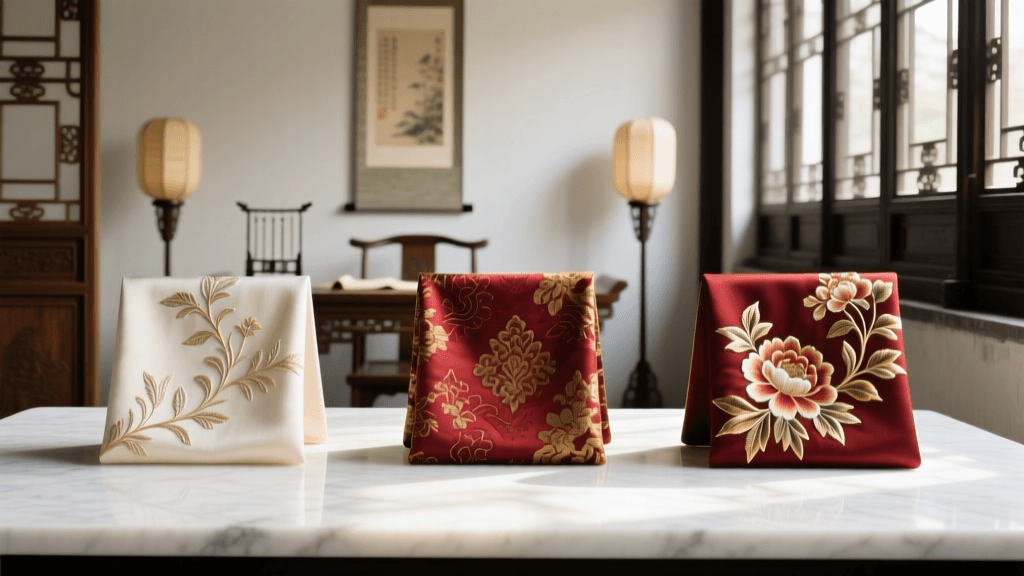
Authentic Ming court garments were woven using Zhuanghua (brocade) or Kesi (silk tapestry) techniques. When commissioning a Mangpao or Feiyufu, fabric choice dictates both the historical accuracy and the cost.
- Machine-Woven Brocade: Widely available and cost-effective. Expect to pay $15 to $40 per meter. While the patterns are accurate, the fabric lacks the structural weight and metallic sheen of historical pieces.
- Hand-Loomed Zhuanghua: Sourced from master weavers in Nanjing or Suzhou. This fabric incorporates real gold or silver foil threads and heavy mulberry silk. Costs range from $150 to $300+ per meter. A full robe requires 4 to 6 meters.
- Xiangyunsha (Gambiered Silk): A Ming-era favorite for summer court wear. Dyed with yam juice and river mud, it is waterproof and cooling. Authentic Guangdong Xiangyunsha costs $80 to $120 per meter.
2. Tailoring, Measurements, and Historical Accuracy
Ming Dynasty robes are cut using a flat, T-shaped pattern that relies on drape rather than Western-style darts and tailoring. When ordering a bespoke Feiyufu or Mangpao, provide your tailor with the following specific instructions to ensure historical accuracy:
- The Collar (Jiaoling Youren): The cross-collar must strictly overlap left over right (the wearer's right lapel crosses over the left). An overlap in the opposite direction is reserved for the deceased and is a severe cultural faux pas.
- Sleeve Length and the 'Hui Xiu' Drape: Court sleeves were designed to cover the hands, forcing the wearer to adopt a dignified, folded-hand posture. Instruct your tailor to add 10 to 15 cm to your standard wrist-to-shoulder measurement. The sleeve width at the cuff should be at least 45 cm to allow for the proper sweeping drape.
- Side Slits (Kaishan): Ensure the robe features double side slits (or four slits for martial Feiyufu) to allow for ease of movement, especially if wearing the garment with a traditional pleated Mamianqun (horse-face skirt) underneath.
3. Sourcing Channels, Costs, and Lead Times
Acquiring a high-quality Ming court robe requires patience and an understanding of the manufacturing pipeline. According to The Metropolitan Museum of Art's textile archives, the complexity of Ming silk weaving is staggering, a fact that still influences modern production times.
- Off-the-Rack (Ready-to-Wear): Available on platforms like Taobao or specialized Hanfu boutiques. Made from polyester or blended silk. Cost: $80 - $180. Timing: 1-2 weeks for international shipping. Best for casual reenactors and beginners.
- Made-to-Measure (Semi-Bespoke): You select from the tailor's pre-woven brocade patterns, and they cut it to your exact measurements. Cost: $250 - $600. Timing: 3-5 weeks. Ideal for wedding attire and serious collectors.
- Fully Bespoke (Master Weaver): You commission a traditional loom to weave a custom pattern, often incorporating your family crest or specific historical museum replicas. Cost: $1,500 - $4,000+. Timing: 3 to 6 months. This is an investment-grade textile meant for museum-quality collections and high-end cinematic productions.
'The brilliance of Ming court fashion lies not just in its visual splendor, but in its structural philosophy. The flat-cutting method forces the fabric to move with the human body in a way that Western tailoring cannot replicate, turning the wearer into a living canvas of silk and gold.' — Dr. Zhao Feng, Director of the China National Silk Museum.
Conclusion: Preserving the Legacy of Ming Textiles
The Mangpao and Feiyufu are far more than beautiful garments; they are woven testaments to the Ming Dynasty's obsession with order, mythology, and unparalleled craftsmanship. For the modern enthusiast, investing in a historically accurate Ming-style robe is an act of cultural preservation. By understanding the nuances of claw counts, the economics of Zhuanghua brocade, and the precise geometry of traditional flat-cut tailoring, collectors and reenactors can ensure that the majestic evolution of Chinese court fashion continues to be honored and worn with dignity in the modern era.