Children's Hanfu: A Guide to Festivals and Rites of Passage
The Revival of Children’s Hanfu in Modern Celebrations
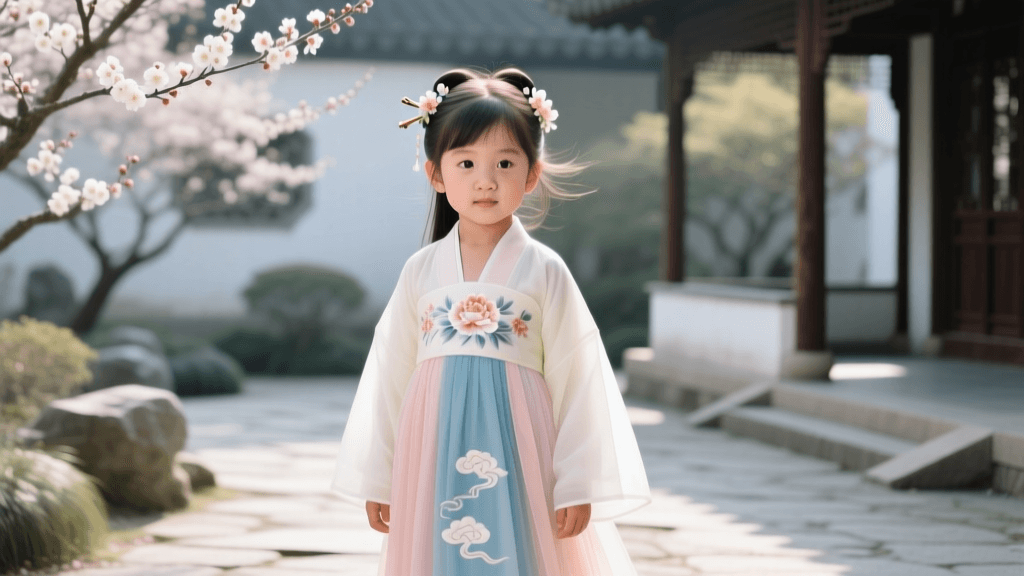
Over the past decade, the Hanfu movement has transformed from a niche historical interest into a vibrant cultural renaissance. While adult fashion often dominates the spotlight, parents are increasingly embracing traditional Chinese clothing for their children. Dressing children in Hanfu is no longer just about capturing picturesque holiday photos; it is a deliberate effort to connect the younger generation with their ancestral heritage, instilling a sense of cultural pride and historical continuity. From bustling metropolitan parades to intimate family gatherings, children's Hanfu has become a staple during major lunar festivals and significant life milestones.
Unlike adult garments, which prioritize historical accuracy and complex layering, children's Hanfu requires a delicate balance between traditional aesthetics and modern practicality. Active toddlers and growing pre-teens need clothing that allows for unrestricted movement, breathability, and ease of wear. This guide explores the nuances of selecting, styling, and understanding children's Hanfu for festivals and rites of passage, providing parents with actionable advice to navigate this beautiful sartorial tradition.
Choosing the Right Hanfu for Major Festivals
Spring Festival (Lunar New Year)
The Spring Festival is the most important holiday in the Chinese calendar, characterized by family reunions, feasts, and the color red, which symbolizes luck and prosperity. For children, the Ming Dynasty Aoqun (a lined jacket paired with a skirt) is highly recommended, especially in northern climates where the festival falls in the dead of winter. The thick, padded Ao (jacket) provides necessary warmth, while the Mamianqun (horse-face skirt) offers a structured, elegant silhouette. For younger children, parents often accessorize with a Hutoumao (tiger-head hat) and Hutouxi (tiger-head shoes). In Chinese folklore, the tiger is a protective deity that wards off evil spirits, making these accessories both adorable and culturally significant for toddlers.
Mid-Autumn Festival
Celebrated under the full moon, the Mid-Autumn Festival calls for lighter, more ethereal garments. The Song Dynasty Beizi (a long, open-front jacket) worn over a simple Ruqun (blouse and skirt) is perfect for the mild autumn weather. Pastel colors, such as jade green, soft pink, and moonlight white, are highly favored. Embroidery motifs often feature jade rabbits, osmanthus flowers, and full moons, directly tying the garment's design to the mythology of Chang'e, the Moon Goddess. For active children running around with lanterns, ensure the skirt length stops just above the ankles to prevent tripping.
Hanfu for Rites of Passage
Zhuazhou (The First Birthday)
Zhuazhou, or the first grasp ceremony, is a beloved tradition where a one-year-old is surrounded by various symbolic objects (such as a calligraphy brush, a calculator, or a stethoscope) to predict their future inclinations. The Hanfu worn during this rite must prioritize safety and comfort. Avoid garments with small, detachable beads or complex, rigid collars that could irritate a baby's sensitive skin. A soft, cotton Tang-style Ruqun with auspicious embroidery—like peaches for longevity or pomegranates for a thriving family line—is ideal. The clothing should be easy to remove, as the ceremony often precedes a messy birthday cake smash or a traditional bath.
Modern Adaptations of Guan Li and Ji Li
Historically, the Guan Li (capping ceremony for young men at age 20) and Ji Li (hair-pinning ceremony for young women at age 15) marked the transition into adulthood. Today, many families and cultural organizations adapt these rites for high school graduations or 18th birthdays. For these older teens, historical accuracy becomes more prominent. Young men might wear a formal Shenyi (a deep, one-piece robe) or a Feiyufu (flying fish robe), paired with a traditional Guan (headwear). Young women often don multi-layered Tang-style Da Xiu Shan (large-sleeved robes) or elegant Ming-style formalwear, complete with intricate hairpins. These ceremonies are profound educational experiences, teaching teens about the Confucian values of filial piety, responsibility, and societal contribution.
Practical Guide: Fabrics, Sizing, and Budgeting
Purchasing Hanfu for growing children requires strategic planning. Children outgrow clothes rapidly, and traditional tailoring does not always accommodate sudden growth spurts. Below is a structured guide to help parents make informed decisions based on age, occasion, and material.
| Age Group | Recommended Style | Best Festivals/Occasions | Key Practical Features |
|---|---|---|---|
| 1-3 Years | Tang-style Ruqun, Hutoumao | Zhuazhou, Spring Festival | Soft cotton, elastic waists, no small beads, snap closures |
| 4-8 Years | Song-style Beizi, Mamianqun | Mid-Autumn, Lantern Festival | Durable cotton-linen blends, Velcro ties, vibrant colors, stain-resistant |
| 9-14 Years | Ming-style Aoqun, Shenyi | Coming-of-Age, Formal Rites | Authentic tailoring, silk-satin blends, traditional knot fasteners |
Sizing and Measurement Tips
Unlike Western clothing, Hanfu sizing relies heavily on precise body measurements rather than standard S/M/L charts. When ordering custom or semi-custom children's Hanfu, you must measure:
- Height: Measure from the crown of the head to the floor (without shoes).
- Chest/Bust: Measure around the fullest part of the chest, keeping the tape measure snug but not tight.
- Arm Length: Measure from the base of the neck, over the shoulder, down to the wrist. Hanfu sleeves often extend past the hands, so add 2-3 inches for traditional drape.
- Skirt Length: Measure from the natural waist to the desired hemline (usually 2 inches above the ankle for kids to prevent tripping).
Pro Tip: Always buy skirts with adjustable waistbands or tie-closures rather than zippers, allowing the garment to accommodate growth over a year or two.
Budgeting for Children's Hanfu
The cost of children's Hanfu varies wildly based on material and craftsmanship. Basic, machine-embroidered cotton sets suitable for daily wear or casual festivals typically range from $30 to $60 USD. Mid-tier garments featuring better tailoring, jacquard weaves, and detailed embroidery fall between $70 and $120 USD. For formal rites of passage requiring genuine silk, hand-embroidery, and bespoke tailoring, parents should expect to invest $150 to $300+ USD.
Cultural Significance and Artisan Craftsmanship
The garments worn during these pivotal childhood moments are deeply rooted in centuries of textile innovation. The foundation of many high-end children's Hanfu is silk, a material with a profound legacy. The Metropolitan Museum of Art highlights that silk production in China dates back thousands of years, deeply intertwining with cultural rituals, social hierarchy, and artistic expression. When a child wears a silk robe during a coming-of-age ceremony, they are participating in a continuous thread of history that spans millennia.
Furthermore, the traditional skills required to produce these fine fabrics are globally recognized and protected. UNESCO lists Chinese sericulture and silk craftsmanship as an Intangible Cultural Heritage of Humanity. This designation underscores the importance of preserving the artisan techniques—from mulberry cultivation to intricate loom weaving—that make authentic Hanfu possible. Supporting artisans who utilize these heritage methods ensures that the clothing is not merely a costume, but a living artifact.
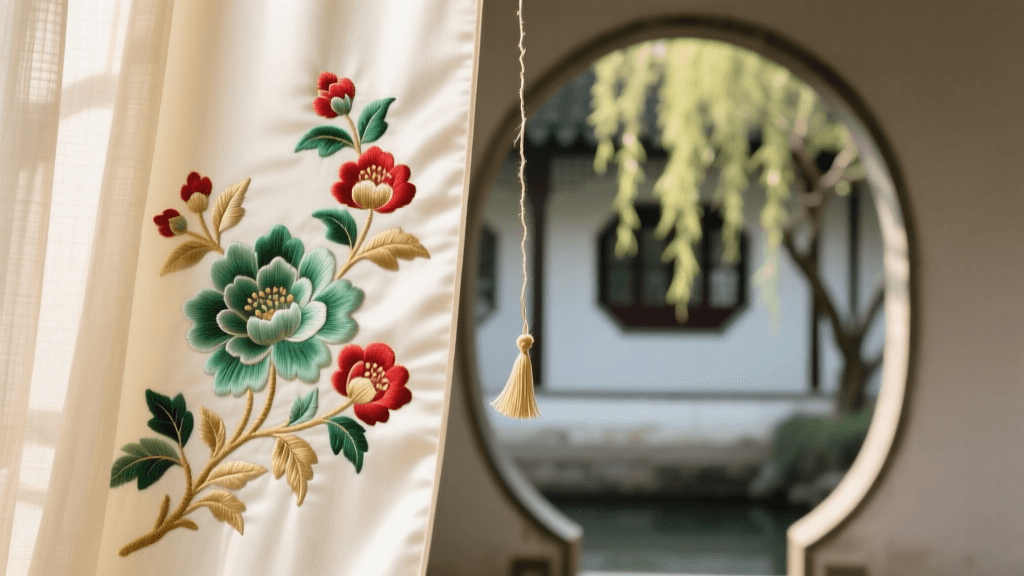
The craftsmanship behind these garments often draws on complex weaving and embroidery techniques to denote status and convey auspicious wishes. As noted by the Victoria and Albert Museum, Chinese textiles have long utilized specific motifs and color palettes to communicate blessings, making the embroidery on a child's festival jacket a literal tapestry of their family's hopes for their future.
“In traditional Chinese culture, clothing was never merely functional; it was a canvas for cosmological beliefs, social order, and familial blessings, especially when dressing the young for their introduction to society.”
Conclusion
Dressing children in Hanfu for festivals and rites of passage is a beautiful, multifaceted endeavor that bridges the past and the future. By carefully selecting age-appropriate styles, prioritizing comfortable and safe fabrics, and understanding the deep cultural symbolism woven into every thread, parents can provide their children with a profound connection to their heritage. Whether it is a toddler's first grasp or a teenager's formal capping ceremony, the right Hanfu transforms a simple celebration into an unforgettable cultural milestone.