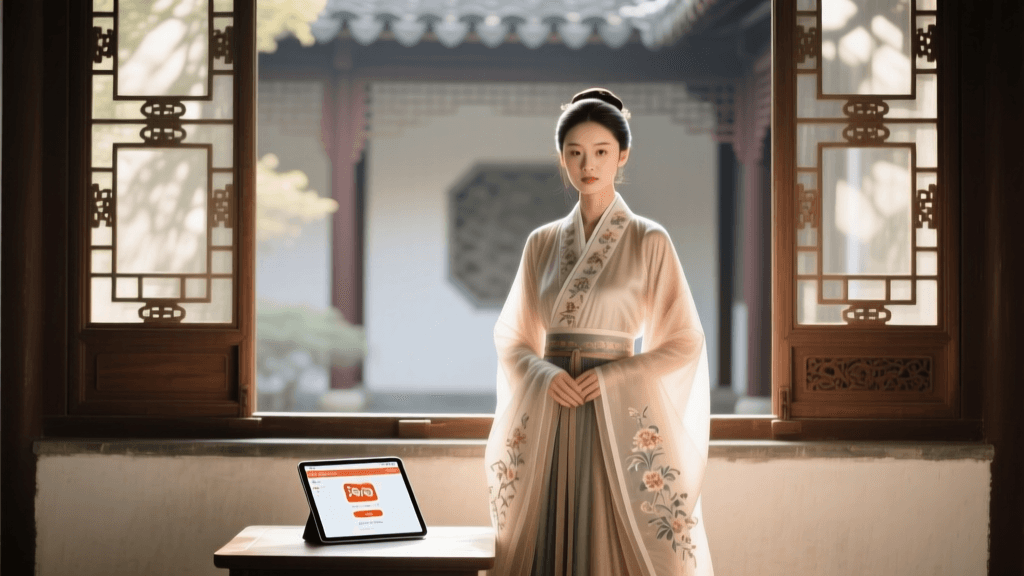
The Hanfu Revival: A Beginner's Guide to Traditional Dress
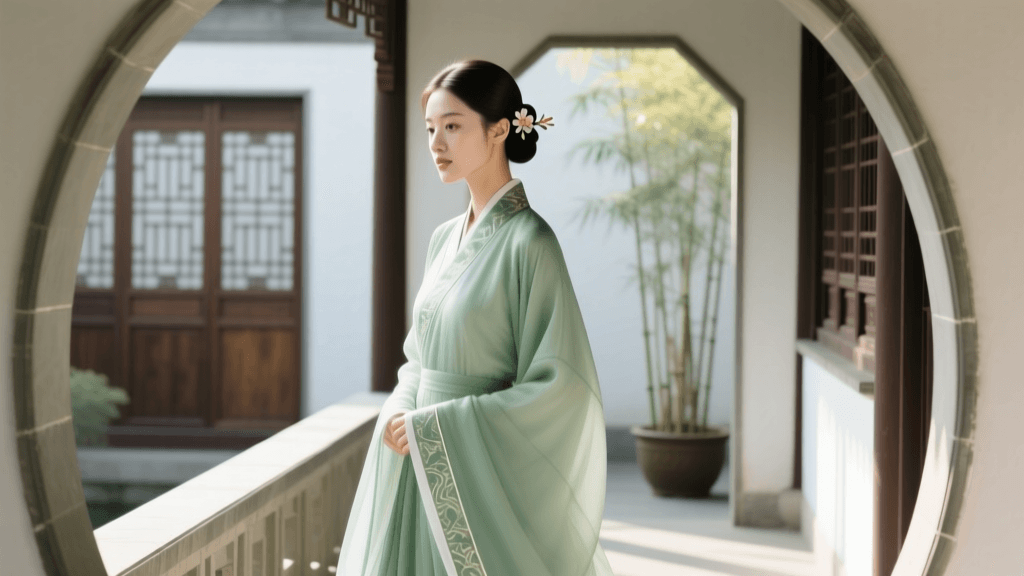
The Resurgence of Hanfu: From Niche Hobby to Mainstream Fashion
The Hanfu revival movement, known in Chinese as Hanfu Yundong, has transformed from a small internet subculture in the early 2000s into a multi-billion-dollar mainstream fashion phenomenon. Hanfu, the traditional clothing of the Han Chinese, boasts a history spanning over three millennia. However, due to the strict sartorial mandates of the Qing Dynasty (1644–1912), which enforced Manchu-style dress under penalty of death, the daily wearing of Hanfu largely vanished from public life. Today, driven by Gen Z and millennial consumers seeking a tangible connection to their cultural heritage, Hanfu is experiencing an unprecedented renaissance. According to industry reports, the Hanfu market in China has surged past billions of RMB, with millions of enthusiasts incorporating these garments into daily wear, travel, and formal events.
Understanding the Core Philosophy: Jiaoling Youren
Before purchasing your first set, it is vital to understand the foundational rule of Hanfu: Jiaoling Youren (交领右衽). This translates to 'crossed collar, right lapel.' The left side of the collar must always cross over the right side, securing on the right side of the body. This rule is deeply rooted in traditional Chinese cosmology, where the left represents the living and the yang energy. Reversing this (left lapel over right) is strictly reserved for dressing the deceased. Mastering this basic etiquette is the first step in respectfully participating in the Hanfu revival movement.
Core Styles of Hanfu: A Comparison Guide
Hanfu is not a single monolithic garment but a diverse wardrobe that evolved across various dynasties. Below is a structured comparison of the most popular styles worn by modern enthusiasts, categorized by their historical origins and practical applications.
| Style Name | Dynasty Association | Key Features | Best Season & Occasion |
|---|---|---|---|
| Ruqun (襦裙) | Tang / Wei-Jin | A short top (ru) paired with a long wrap skirt (qun). Often features high-waisted or chest-level skirts. | Summer; Casual outings, photography, and festivals. |
| Aoqun (袄裙) | Ming | A lined or padded long-sleeved top (ao) worn over a pleated skirt (qun), often featuring a standing collar. | Winter; Formal events, weddings, and New Year celebrations. |
| Shenyi (深衣) | Han / Pre-Qin | A one-piece robe that connects the top and bottom. Highly structured with strict geometric tailoring. | Spring/Autumn; Academic ceremonies, coming-of-age rites (Guanli/Jili). |
| Beizi (褙子) | Song | An open-front, long coat with straight sleeves, worn over a camisole and skirt or trousers. | Spring/Autumn; Daily wear, office attire, and tea ceremonies. |
Practical Buyer's Guide: Sizing, Costs, and Trusted Brands
Entering the Hanfu market can be overwhelming due to the sheer volume of options on platforms like Taobao and independent boutiques. To ensure a proper fit and authentic construction, follow this actionable buying guide.
1. Essential Measurements
Unlike modern Western clothing that relies on standard S/M/L sizing, traditional Hanfu is tailored based on specific body metrics. When ordering from reputable makers, you must provide:
- Height and Weight: For overall garment length and drape.
- Bust, Waist, and Hip: Crucial for the wrap skirts and fitted tops of the Ming and Song dynasties.
- Shoulder Width: Ensures the seam of the dropped-shoulder sleeves sits correctly.
- Arm Length: Measured from the base of the neck to the wrist, as Hanfu sleeves are cut in one piece with the bodice.
2. Price Tiers and Brand Recommendations
The cost of Hanfu varies wildly based on fabric, embroidery techniques, and historical accuracy. Here is a breakdown of what to expect:
- Budget Tier ($30 - $70 USD): Brands like Shisanyu and Lan Ruo Ting offer accessible, visually striking sets often made from polyester blends. These are excellent for beginners, cosplay, and casual wear, though they may sacrifice strict historical accuracy for modern fantasy aesthetics.
- Mid-Tier ($80 - $150 USD): Brands like Zhongling and Chun Xia Qiu Dong focus on accurate historical patterning (known as 'form' or xingzhi). They use better materials like cotton-linen blends, viscose, and artificial silk, offering a great balance of authenticity and durability.
- Premium & Custom ($200 - $1,000+ USD): Minghuatang is the gold standard for Ming Dynasty reproduction. They utilize genuine mulberry silk, real gold thread embroidery, and meticulous historical research. These are investment pieces meant for formal wear and serious collectors.
3. Timing Your Purchase
If you are buying from Chinese e-commerce platforms, time your purchases around major shopping festivals. The '6.18' (June 18th) and 'Double 11' (November 11th) sales offer massive discounts, often reducing mid-tier Hanfu sets by 30% to 50%. Be aware that popular brands operate on a pre-order system; a highly anticipated release might have a fulfillment wait time of 30 to 45 days.
Styling and Accessorizing Your Hanfu
A Hanfu outfit is incomplete without its accompanying accessories. The revival movement places heavy emphasis on holistic styling, drawing from historical portraiture and archaeological finds.
Footwear
Modern sneakers can break the illusion of a traditional outfit. For daily wear, plain canvas slip-ons or embroidered cloth shoes are acceptable. For formal wear, invest in Yun Tou Xie (cloud-head shoes), which feature an upturned toe traditionally stuffed with cotton or silk, providing an elegant silhouette that lifts the hem of the skirt slightly off the ground.
Hair and Headwear
Leaving hair completely down is historically inaccurate for adult Hanfu wearers. Traditional adulthood ceremonies involved binding the hair. For modern enthusiasts, a simple half-up bun secured with a Zan (a single-pronged hairpin) or a Buyao (a swaying hairpin with dangling ornaments) is sufficient. For men, a simple topknot secured with a leather or wooden crown and a jade pin is the standard.
Undergarments and Layering
Transparency and layering are key to the Hanfu aesthetic. Always wear a white or neutral cotton camisole and a slip skirt underneath your main garments. This not only preserves modesty, especially with lightweight summer silks, but also adds volume and structure to the outer skirt, mimicking the layered look seen in Tang Dynasty murals.
The Cultural Impact of the Movement
The Hanfu revival is about much more than aesthetics; it is a profound exploration of cultural identity. As noted by cultural analysts covering the trend, the movement represents a generation reclaiming their heritage on their own terms, moving away from the Western-centric fashion standards that dominated the late 20th century. According to a comprehensive report on the socio-cultural impact of the movement by Sixth Tone, young Chinese are using Hanfu as a medium to explore traditional arts, tea ceremonies, and classical literature, creating a holistic lifestyle rather than just a wardrobe choice.
'Wearing Hanfu is not about retreating into the past. It is about carrying the elegance and philosophy of our ancestors into the modern world, proving that our traditional culture is a living, breathing entity.' — A prominent advocate in the Hanfu community, as cited by BBC News.
Furthermore, the global diaspora has embraced the movement. Hanfu societies in universities across North America, Europe, and Australia frequently host lantern-making workshops, archery events, and Mid-Autumn festivals where Hanfu is the standard dress code. As detailed in an extensive feature by The World of Chinese, the digital age has allowed enthusiasts to share tailoring patterns, historical research, and styling tips globally, democratizing access to a culture that was once locked away in museum archives.
Conclusion: Stepping into History
Participating in the Hanfu revival movement is a deeply rewarding journey that bridges the gap between ancient craftsmanship and modern self-expression. Whether you are draping a lightweight Song Dynasty Beizi for a spring walk or donning a heavily embroidered Ming Dynasty Aoqun for a winter celebration, you are partaking in a living history. By understanding the foundational rules of wear, investing in historically informed garments, and embracing the holistic culture that surrounds the clothing, you can confidently and respectfully wear Hanfu in the modern era. Start with a simple, mid-tier Ruqun or Beizi set, master the right-over-left collar, and let the elegant drape of traditional silk connect you to thousands of years of Asian heritage.