The Haori Jacket: Japanese Tradition Meets Modern Streetwear
The Evolution of the Haori: From Samurai Armor to Street Style
The intersection of traditional Japanese garments and contemporary global streetwear is one of the most fascinating sartorial developments of the 21st century. At the forefront of this movement is the haori, a traditional hip- or thigh-length jacket worn over a kimono. Originally popularized during the Edo period (1603-1867), the haori was initially reserved for men, particularly samurai, who wore it over their kosode for warmth and to display family crests. According to the Metropolitan Museum of Art, as sumptuary laws restricted ostentatious displays of wealth, the merchant class developed the concept of 'iki'—an understated, refined elegance. They began wearing haori with subdued outer patterns but lavishly lined interiors, a hidden rebellion that perfectly mirrors the subtle flex of modern streetwear.
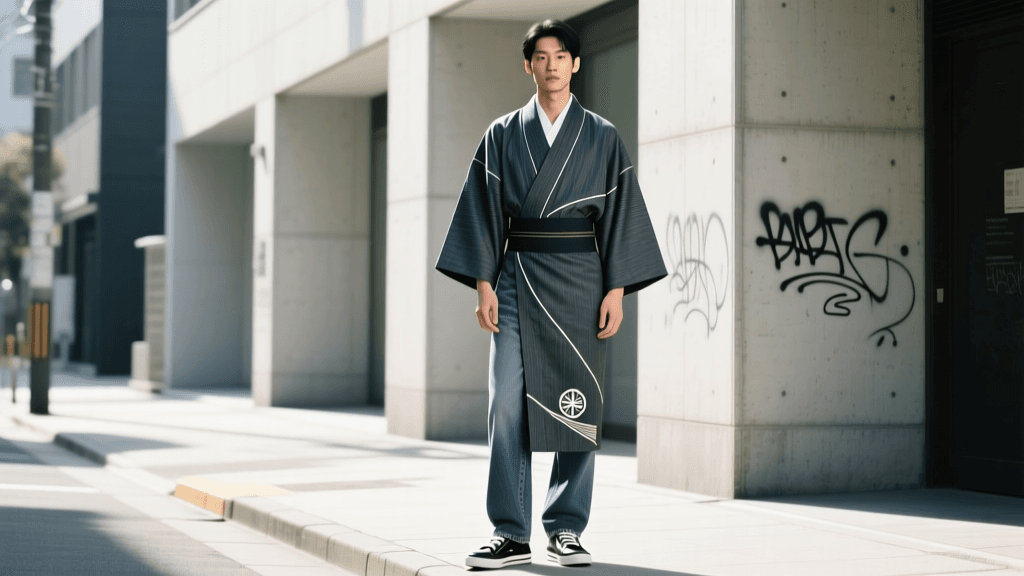
Today, the haori has transcended its ceremonial roots. It is no longer confined to tea ceremonies or coming-of-age festivals. Instead, it has been fully embraced by the global streetwear community, from the neon-lit alleys of Harajuku to the fashion districts of London and New York. The modern revival of the haori represents a bridge between centuries-old Japanese craftsmanship and the genderless, silhouette-driven ethos of contemporary urban fashion.
Why the Haori Dominates Modern Street Fashion
The appeal of the haori in modern streetwear lies in its unique architectural silhouette. Unlike Western jackets that rely on structured shoulders, darts, and buttons, the haori is constructed from straight panels of fabric. This results in a natural drop-shoulder effect and a fluid, boxy drape that aligns perfectly with the oversized, avant-garde aesthetics popularized by Japanese designers like Yohji Yamamoto and Rei Kawakubo.
Furthermore, the haori is inherently genderless. Its open-front design, secured only by two short braided cords (haori himo), makes it an incredibly versatile layering piece. It accommodates a wide variety of body types and can be effortlessly thrown over a heavyweight hoodie, a crisp graphic tee, or even a tailored turtleneck. As highlighted in a BBC Culture feature on the global impact of Japanese dress, the kimono and its associated garments have continually been recontextualized by Western and global designers, proving that traditional Asian silhouettes are a permanent fixture in the modern fashion lexicon.
Practical Guide: Sourcing, Sizing, and Timing
Integrating a haori into your streetwear rotation requires understanding how to source and size these garments, as traditional Japanese measurements differ vastly from Western sizing charts.
Understanding Haori Measurements
Because a haori is designed to be worn open, chest and waist measurements are largely irrelevant. Instead, focus on these three critical metrics:
- Yuki (Sleeve Length): Measured from the center back of the neck to the edge of the sleeve. For a modern, oversized streetwear fit, look for a yuki of 70cm to 80cm (27.5 to 31.5 inches). Anything below 65cm will look cropped and traditional rather than relaxed and urban.
- Mitake (Back Length): Measured from the base of the collar to the bottom hem. A standard vintage haori ranges from 75cm to 90cm (29.5 to 35.5 inches). For a longer, coat-like streetwear silhouette, seek out lengths above 95cm.
- Sodetake (Sleeve Depth): The vertical drop of the sleeve. Traditional haori feature deep sleeves (often 40cm to 50cm) which create the iconic 'kimono sleeve' drape, allowing for thick layering underneath during winter months.
Where and When to Buy
For authentic vintage pieces, timing and location are everything. In Tokyo, the Oedo Antique Market at the Tokyo International Forum is a premier destination. It runs on the first and third Sundays of the month. Pro Tip: Arrive by 9:00 AM. The most pristine vintage silk haori, especially those with intricate yuzen dyeing or gold thread embroidery, are quickly scooped up by professional resellers by 10:30 AM. Expect to pay between $40 and $150 USD for high-quality vintage silk here.
For online sourcing, platforms like Etsy, Depop, and specialized Japanese proxy services (like Buyee or ZenMarket) are excellent. Search terms like 'vintage silk haori jacket' or 'upcycled kimono streetwear' will yield the best results. For modern, streetwear-specific interpretations, brands like Kapital and Sukajan (souvenir jacket makers) offer contemporary haori silhouettes crafted from denim, nylon, and heavy cotton, typically ranging from $250 to $800+ USD.
Comparison Chart: Vintage vs. Modern Streetwear Haori
When building your wardrobe, it is essential to weigh the pros and cons of authentic vintage textiles against modern streetwear reproductions. The Victoria and Albert Museum extensively documents the delicate nature of traditional silk weaving, which heavily influences how these garments must be treated in a modern context.
| Feature | Vintage Silk Haori | Vintage Synthetic/Poly Haori | Modern Designer Haori |
|---|---|---|---|
| Price Range | $60 - $300 USD | $25 - $50 USD | $250 - $800+ USD |
| Material | 100% Silk, Silk Crepe, Rinzu | Polyester, Rayon Blends | Denim, Nylon, Heavy Cotton, Tech-fleece |
| Durability | Fragile; prone to water spotting and tearing | Highly durable; resistant to elements | Built for daily wear and tear |
| Styling Vibe | High-fashion, avant-garde, eclectic | Casual, festival-ready, everyday layering | Techwear, Americana-Japanese fusion |
| Care Routine | Dry clean only; air out in shade | Machine washable on gentle | Follow specific brand care labels |
How to Style a Haori for the Modern Urban Wardrobe
Styling a haori requires balancing its traditional volume with modern, structured pieces to avoid looking like you are wearing a costume. Here are three actionable streetwear formulas:
Formula 1: The Harajuku Techwear Hybrid
Contrast the organic, flowing lines of a vintage silk haori with the utilitarian rigidity of modern techwear. Start with a black, water-resistant nylon cargo pant and a pair of chunky, aggressive sneakers like the Salomon XT-6 or Balenciaga Track. Layer a lightweight, unlined summer haori (hitoe) over a tight, long-sleeve mesh top or a simple ribbed tank. Finish with a waterproof crossbody bag worn high on the chest. This look plays with proportions and textures, grounding the delicate silk with heavy, futuristic footwear.
Formula 2: The Minimalist Avant-Garde
Channel the spirit of Yohji Yamamoto by leaning into monochrome, oversized tailoring. Choose a solid black or deep indigo vintage haori. Wear it over a thick, charcoal wool turtleneck and wide-leg, pleated trousers that pool slightly over thick leather derby shoes or Chelsea boots. The key here is the drape; the haori should act as an unstructured overcoat. Keep accessories minimal—a simple silver ring and a structured leather tote bag are all you need.
Formula 3: The Neo-Festival Street Look
Perfect for warmer months and outdoor events, this look bridges traditional Japanese summer wear with Western punk and skate culture. Take a shorter, boldly patterned synthetic haori (which can handle sweat and spills better than silk) and wear it completely open over a vintage band graphic tee. Pair with distressed denim cut-offs or loose-fit skate pants. Instead of traditional wooden geta sandals, opt for chunky Dr. Martens or worn-in Vans Sk8-His. Add a beanie or a bucket hat to cement the streetwear aesthetic.
Caring for Your Streetwear Haori
If you invest in vintage silk, proper maintenance is non-negotiable. Silk is highly susceptible to water spots, direct sunlight, and friction. Never machine wash a vintage silk haori. Instead, spot clean minor stains with a barely damp microfiber cloth and a specialized silk detergent. After wearing, hang the haori on a wide, padded hanger in a well-ventilated area away from direct sunlight to air out odors and moisture. For long-term storage, wrap the garment in acid-free tissue paper and place it in a breathable cotton bag; avoid plastic bags, which can trap moisture and cause the silk to mildew or yellow.
For modern synthetic or cotton haori, always check the interior care tags. While many can withstand a gentle machine wash, turning the garment inside out and using a mesh laundry bag will protect the outer embroidery and prevent the inner lining from bunching or tearing.
Conclusion
The haori is a testament to the timelessness of Japanese garment construction. By stripping away the strict rules of traditional kimono wearing and embracing the haori as an open, fluid layering piece, modern streetwear enthusiasts are keeping the craft alive in a deeply relevant way. Whether you are hunting for a $40 vintage silk gem at a Tokyo flea market or investing in a modern tech-nylon interpretation from a contemporary designer, the haori offers an unparalleled silhouette that bridges the gap between ancient Asian traditions and the future of global street fashion.