Traditional Chinese Wedding Attire: Qun Kwa, Xiu He Fu & Hanfu
The Renaissance of Traditional Chinese Bridal Fashion
For decades, the Western-style white wedding gown dominated Chinese bridal fashion. However, a profound cultural renaissance has sparked a massive revival of traditional Chinese wedding attire. Modern brides are increasingly choosing to honor their heritage by wearing garments steeped in centuries of symbolism, craftsmanship, and regional history. Whether for the traditional tea ceremony, the grand banquet, or pre-wedding photography, understanding the nuances of Chinese bridal wear is essential. According to cultural observers and publications like BBC Travel, the modern Hanfu movement and the broader appreciation for historical garments have deeply influenced contemporary wedding aesthetics, shifting the focus back to indigenous sartorial traditions.
Qun Kwa (裙褂): The Cantonese Masterpiece
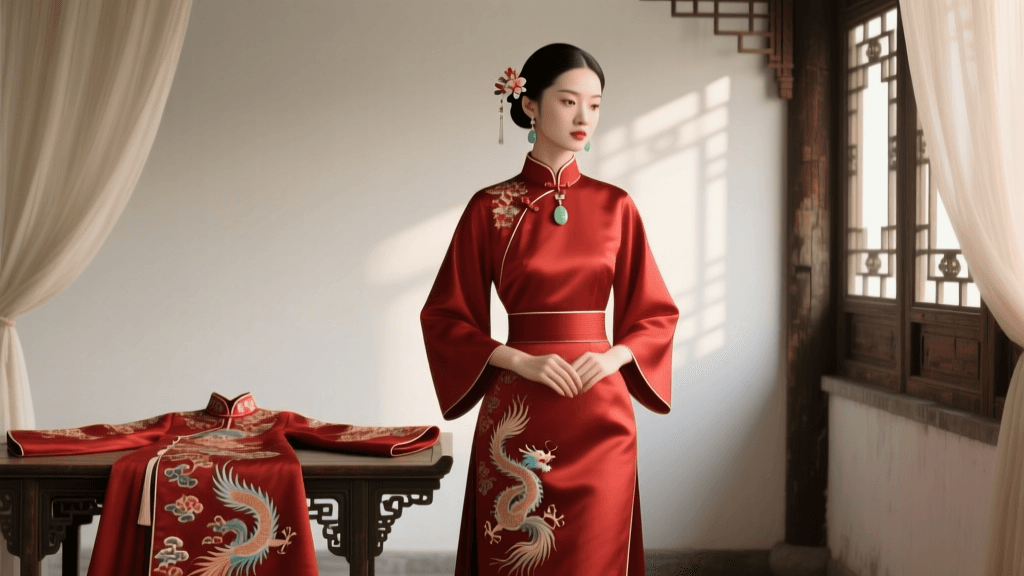
Originating from the Guangdong region, the Qun Kwa (also spelled Kwa or Kwan) is a two-piece ensemble consisting of a tailored jacket and a straight pencil skirt. It is renowned for its dense, intricate gold and silver thread embroidery, traditionally featuring the dragon and phoenix (Longfeng) motifs, which symbolize the balance of yin and yang and marital harmony.
Understanding Embroidery Density
The value and formality of a Qun Kwa are determined by the density of its embroidery. The base silk is entirely covered by metallic threads in the most premium versions.
- Xiao Wu Fu (小五福): 50% embroidery density. The most affordable and lightweight option, ideal for brides on a budget or those marrying in warmer climates.
- Zhong Wu Fu (中五福): 65% embroidery density. A popular mid-range choice that balances visual impact with comfort.
- Da Wu Fu (大五福): 80% embroidery density. Highly formal, heavy, and luxurious, often chosen for grand hotel banquets.
- Gua Huang (褂皇): 100% embroidery density. The pinnacle of Qun Kwa craftsmanship, where no base silk is visible. It can take a master artisan over a year to complete a single garment.
Bespoke Qun Kwa garments are significant investments. A genuine Gua Huang can cost upwards of $15,000 to $30,000 USD, while a Xiao Wu Fu might range from $1,500 to $3,000 USD. Because of the intense hand-stitching required, brides must order bespoke pieces 9 to 12 months in advance.
Xiu He Fu (秀禾服): The Modern Classic
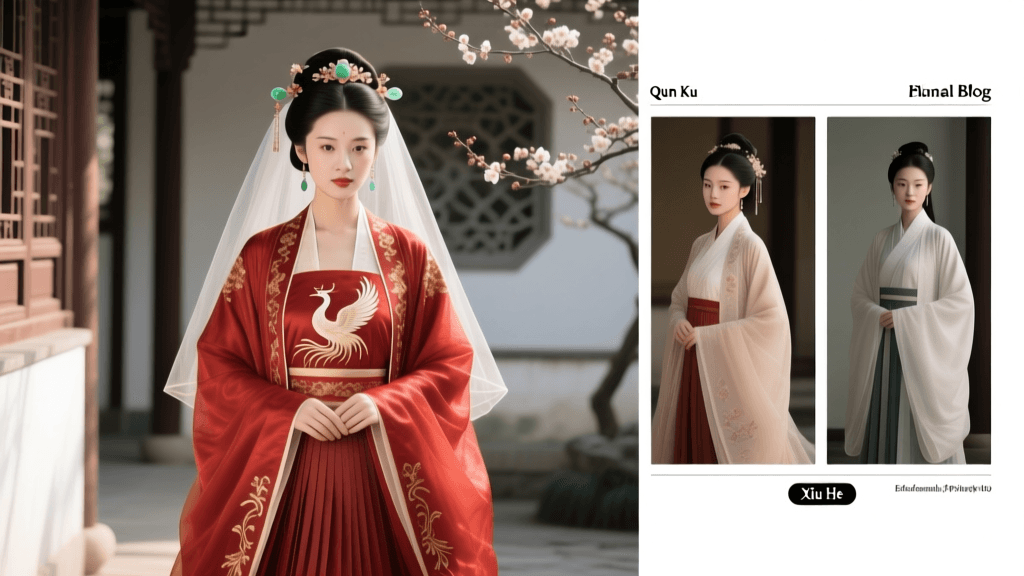
Despite its historical appearance, the Xiu He Fu is a relatively modern invention. It was popularized by the 2001 television drama Orange Turned Red, in which the protagonist, Xiu He, wore a distinctively relaxed, A-line bridal outfit. Today, it is arguably the most popular choice for the traditional Chinese tea ceremony across mainland China and the diaspora.
The Xiu He Fu features a loose-fitting, cross-collared top (Ao) paired with a flowing, pleated, or horse-face style skirt (Qun). Unlike the restrictive Qun Kwa, the Xiu He Fu offers exceptional comfort, making it ideal for the physical demands of a wedding day, such as kneeling during the tea ceremony or sitting cross-legged on the marital bed for traditional photoshoots. The embroidery on a Xiu He Fu is typically more colorful and diverse, featuring peonies, bats, koi fish, and lotus flowers alongside dragons and phoenixes. Prices are generally more accessible, ranging from $300 for high-quality machine-embroidered rentals to $2,500 for hand-embroidered, custom-fitted purchases.
Hanfu (汉服): The Historical Ceremonial Choice
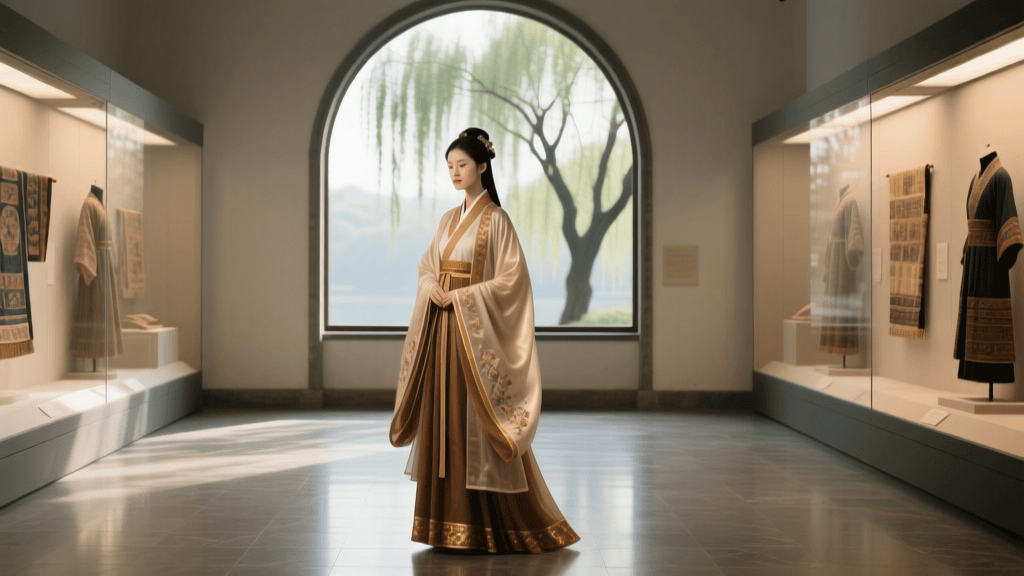
For brides seeking deep historical authenticity, traditional Hanfu offers a breathtaking alternative. While Hanfu encompasses thousands of years of Chinese history, the Ming Dynasty (1368–1644) wedding attire is the most historically documented and widely replicated for modern ceremonies.
A Ming-style bridal ensemble typically features a vibrant red or deep blue silk robe with a round or standing collar, heavily embroidered with auspicious motifs. The most iconic element is the Fengguan Xiapei (phoenix crown and clouded sash). The phoenix crown is an elaborate headdress adorned with kingfisher feathers (or modern silk and bead alternatives), pearls, and gold filigree. As noted by China Highlights, these historical garments carry profound familial and societal blessings, linking the couple to their ancestral lineage.
Wearing Hanfu requires an understanding of layering. Brides must wear a white inner garment (Zhongyi), followed by the main robe (Aoqun or Shenyi), and secured with a specialized sash. Sourcing authentic Hanfu requires specialized vendors, and brides should budget between $800 and $4,000 USD for a complete, high-quality ceremonial set including the headdress.
"The revival of traditional Chinese wedding attire is not merely a fashion trend; it is a profound reconnection with ancestral philosophies. Every stitch of the dragon and phoenix represents a prayer for resilience, prosperity, and eternal balance in the new marriage." — Dr. Lin Mei, Textile Historian.
Comparison Chart: Qun Kwa vs. Xiu He Fu vs. Ming Hanfu
| Feature | Qun Kwa | Xiu He Fu | Ming Dynasty Hanfu |
|---|---|---|---|
| Silhouette | Fitted jacket, straight pencil skirt | Loose top, flowing A-line/pleated skirt | Layered robes, wide sleeves, structured collar |
| Embroidery | Dense gold/silver metallic thread | Colorful silk and metallic threads | Rich silk brocade, woven and embroidered motifs |
| Comfort Level | Moderate (restrictive skirt) | High (loose and flowing) | Low to Moderate (heavy layering and headdress) |
| Best Used For | Grand banquets, formal photography | Tea ceremonies, bed sitting, games | Vow exchanges, historical photography, rituals |
| Price Range (Buy) | $1,500 – $30,000+ | $300 – $2,500 | $800 – $4,000+ |
| Lead Time | 6 – 12 months (bespoke) | 1 – 3 months | 2 – 4 months |
Practical Guide: Sizing, Timelines, and Budgeting
Planning for traditional Chinese wedding attire requires meticulous attention to detail, timing, and budget allocation. Here is an actionable guide to ensure your garments fit perfectly and arrive on time.
1. Mastering the Measurements
Unlike Western gowns that rely heavily on bust and waist measurements, Chinese bridal wear requires specific structural measurements. When consulting your tailor or vendor, provide:
- Shoulder Width: Crucial for the structured drop-shoulder look of the Xiu He Fu and the precise fit of the Qun Kwa jacket.
- Arm Length and Wrist Circumference: Essential for the elongated, bell-shaped sleeves typical of Ming Hanfu and Xiu He Fu.
- Upper Bust and Underbust: Necessary for the flat-front, cross-collared layering of Hanfu to prevent gaping.
- Hip and Thigh Circumference: Vital for the Qun Kwa, as the straight skirt must allow enough room for sitting and walking without tearing the delicate silk.
2. Strategic Timelines
- 12 Months Out: Finalize your budget and decide whether you will buy, rent, or commission bespoke. If opting for a bespoke Gua Huang Qun Kwa, place your order immediately.
- 9 Months Out: Schedule your first fitting for Xiu He Fu or Hanfu. Order your custom phoenix crown or hair accessories, as handcrafted beading takes months.
- 6 Months Out: Conduct a full dress rehearsal with all undergarments, shoes, and jewelry.
- 1 Month Out: Final alterations. Weight fluctuations are common before the wedding; ensure the tailor leaves a 1-2 inch seam allowance in the Xiu He Fu and Qun Kwa for last-minute adjustments.
3. Budgeting and Sourcing
If a $15,000 Qun Kwa is outside your budget, consider the thriving rental market in major Chinatowns and Asian bridal boutiques. Renting a high-density Da Wu Fu typically costs between $300 and $800 for a weekend. For those purchasing, verify the authenticity of the embroidery. According to The Metropolitan Museum of Art's archives on Chinese silk and embroidery, genuine hand-stitched metallic threads possess a distinct, uneven texture and a multi-dimensional luster that machine-made polyester threads cannot replicate. Always inspect the reverse side of the fabric; hand-embroidery will show neat, deliberate knotting, whereas machine embroidery often features a chaotic web of backing threads.
4. Hair, Makeup, and Footwear Coordination
Traditional garments require specific styling to look cohesive. Qun Kwa demands a sleek, low bun or traditional updo to showcase the high collar and heavy gold jewelry (typically 24k gold bangles and necklaces provided by the groom's family). Xiu He Fu pairs beautifully with softer, romantic updos adorned with fresh flowers or jade hairpins. Ming Hanfu requires structural support for the heavy Fengguan crown; brides must use hair padding and industrial-strength pins, often requiring a specialist historical hairstylist.
While traditional red silk slippers with embroidered motifs are historically accurate, modern brides often opt for red leather heels or custom red sneakers for comfort during long banquets. Ensure the heel height is accounted for during the final hemming of the Xiu He Fu and Hanfu skirts, which should ideally hover one inch above the floor to prevent tripping and fabric damage.
Conclusion
Choosing traditional Chinese wedding attire is a beautiful way to weave cultural heritage into your modern love story. Whether you opt for the structured opulence of the Qun Kwa, the relaxed elegance of the Xiu He Fu, or the historical grandeur of Ming Dynasty Hanfu, each garment carries the weight of centuries of blessing. By understanding the craftsmanship, planning your timelines, and budgeting wisely, you can ensure that your bridal attire is not only visually stunning but deeply meaningful.