Matsuri Attire: Guide to Happi Coats and Bon Odori Yukata
The Pulse of Summer: Understanding Matsuri and Bon Odori
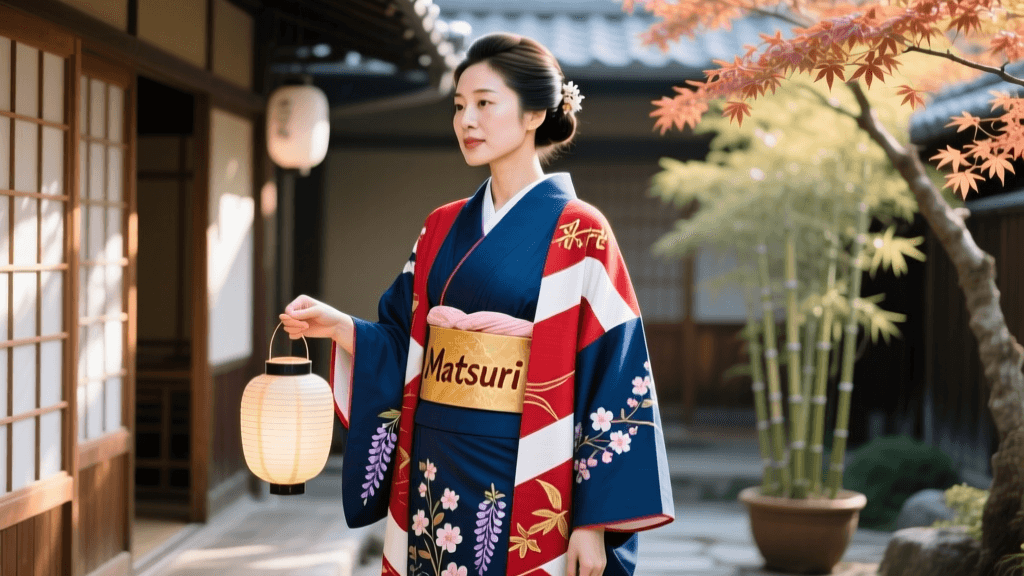
Japanese summer is synonymous with the explosive energy of matsuri (festivals) and the rhythmic, community-driven dances of Bon Odori. These events are not merely spectator sports; they are deeply participatory cultural performances where the attire you wear dictates your comfort, mobility, and integration into the local community. According to the Japan National Tourism Organization (JNTO), summer festivals are the lifeblood of regional cultural preservation, drawing millions of participants who don traditional garments to honor ancestors, pray for bountiful harvests, and celebrate community bonds. For performers and attendees alike, understanding the nuances of festival attire—specifically the happi coat and the yukata—is essential for an authentic and physically comfortable experience.
The Happi Coat: From Edo Firefighters to Festival Staples
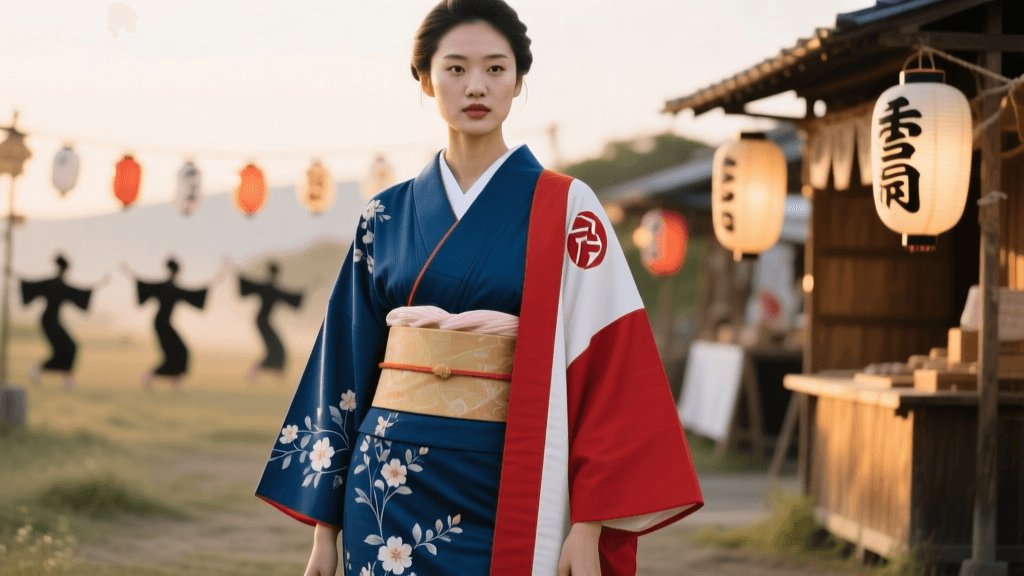
The happi coat is a straight-cut, wide-sleeved traditional Japanese garment that originated during the Edo period (1603–1867). Initially worn by firefighters and merchants as a durable, protective outer layer, the happi has evolved into the quintessential uniform for festival participants, particularly those carrying the heavy mikoshi (portable shrines) or pulling elaborate dashi floats.
Design and Performance Utility
From a performance perspective, the happi is engineered for extreme physical exertion. Its loose, boxy silhouette allows for unrestricted shoulder rotation and arm elevation, which is critical when lifting a mikoshi that can weigh upwards of 2,000 kilograms. The wide sleeves provide ventilation, while the straight cut ensures the garment does not bind at the waist or hips during deep squats and synchronized chanting.
Fabric and Dye: The Importance of Aizome
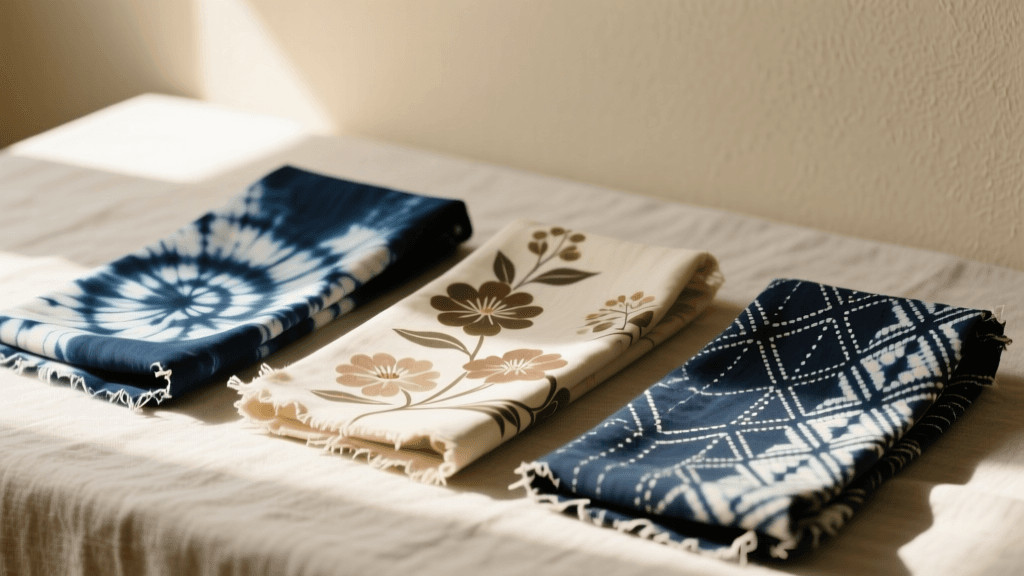
Authentic performance happi are crafted from heavy-weight cotton and dyed using aizome (traditional Japanese indigo). Indigo is not merely aesthetic; it possesses natural antibacterial properties, repels insects, and masks sweat stains during grueling mid-August performances. When purchasing a happi for active festival participation, look for shiro-momen (white cotton) lining on the inside of the collar and hem, which absorbs sweat and protects the outer indigo layer from body oils.
The Bon Odori Yukata: Engineering Garments for Movement
While the happi is often worn as an outer layer, the yukata serves as the primary garment for Bon Odori, the traditional folk dances performed during the Obon season to welcome the spirits of ancestors. As noted by Japan Guide's comprehensive guide to traditional clothing, the yukata is a lightweight, unlined kimono made of breathable cotton or hemp, making it ideal for Japan's sweltering, humid summers.
Regional Variations: Awa Odori and Gujo Odori
Bon Odori is not a monolith; regional styles dictate specific costume modifications for optimal performance:
- Awa Odori (Tokushima): Female dancers wear specialized yukata paired with a koushimaki (a structured hip wrap) that creates a distinctive silhouette and supports the lower back during the low-to-the-ground choreography. They also wear amigasa (woven straw hats) to shade the face from the sun during daytime parades.
- Gujo Odori (Gifu): Dancers prioritize ultra-lightweight, thin cotton yukata that billow gracefully during the 360-degree turns of the Kawasaki dance. Footwear is strictly geta (wooden clogs), which act as percussive instruments, clicking rhythmically against the stone streets to keep time with the shamisen.
- Tanko Bushi (Fukuoka): Originating from coal miners, this dance features happi coats worn over simple cotton shorts or lightweight yukata, mimicking the motions of digging and hauling coal.
Sizing and Measurements: A Practical Guide for Performers
Unlike Western clothing, which relies on standardized chest and waist measurements, traditional Japanese garments are sized based on height and wingspan. Getting the correct mitake (length) and yuki (sleeve-to-center-back width) is crucial for performers; a yukata that is too long will cause tripping during fast-paced dances, while one that is too short looks disproportionate and restricts the stride.
| Garment | Measurement | Small (S) | Medium (M) | Large (L) |
|---|---|---|---|---|
| Happi | Length (Mitake) | 75 cm | 85 cm | 95 cm |
| Happi | Width (Yuki) | 65 cm | 75 cm | 85 cm |
| Yukata (Women) | Length (Mitake) | 120 cm | 130 cm | 140 cm |
| Yukata (Men) | Length (Mitake) | 135 cm | 145 cm | 155 cm |
| Yukata (All) | Wingspan (Yuki) | 62 cm | 68 cm | 74 cm |
Actionable Advice: To measure your yuki, extend one arm straight out to the side and measure from the center of the back of your neck, across the shoulder, and down to the wrist bone. For Bon Odori, it is acceptable for the yukata hem to sit slightly above the ankle to prevent stepping on the fabric during energetic kicks and pivots.
Cost, Timing, and Purchasing Strategy
Acquiring high-quality performance attire requires strategic timing. The best selection of festival garments appears in Japanese department stores and specialized online retailers between May and early June. By late July, popular sizes and traditional regional patterns are frequently sold out.
Budgeting for Festival Attire
- Mass-Produced Polyester Happi: $25 - $45 USD. Suitable for one-off events or large tourist groups, but traps heat and restricts breathability during intense physical performance.
- Authentic Cotton Aizome Happi: $80 - $150 USD. The standard for serious festival participants and mikoshi carriers. Requires initial cold-water washing to set the indigo dye.
- Standard Cotton Yukata Set: $40 - $90 USD. Usually includes the yukata and a basic hanhaba-obi (half-width sash). Excellent for amateur Bon Odori dancers.
- Custom-Tailored Performance Yukata: $250 - $500+ USD. Cut specifically from a tanmono (traditional fabric bolt) to your exact mitake and yuki measurements, ensuring flawless mobility and aesthetic proportions.
Securing the Garment: Obi Tying for Dance
The most common point of failure for performers is an improperly tied obi (sash). During Bon Odori, repetitive twisting and bending can easily loosen a standard bow, leading to wardrobe malfunctions and restricted movement.
For women participating in active dances, the taiko-musubi (drum bow) is often too bulky and rigid. Instead, performers utilize the bunko-musubi (simple butterfly bow) or the karuta-musubi, secured tightly with a koshi-himo (cotton tie string) and an obi-ita (stiffening board) to maintain structure without sacrificing spinal flexibility. Men performing in happi coats typically forego the obi entirely, wearing the coat open over a suteteko (lightweight cotton under-pant) and a simple haramaki (belly band) to support the core during heavy lifting.
Essential Accessories for the Stage and Street
A complete festival costume extends beyond the primary garment. The following accessories are vital for both aesthetic authenticity and physical performance:
- Tabi: Split-toe cotton socks. Essential for gripping the wooden teeth of geta sandals and preventing blisters during hours of dancing.
- Hachimaki: A twisted cotton headband worn to keep sweat out of the eyes and symbolize perseverance and unity among festival crews.
- Geta and Zori: Wooden clogs (geta) provide the rhythmic percussion necessary for Gujo Odori, while flat straw sandals (zori) offer better shock absorption for parades and mikoshi carrying.
- Kinchaku: A small drawstring bag used to carry a tenugui (hand towel), a folding fan (sensu), and personal items, as traditional garments lack functional pockets.
Conclusion
Participating in a Japanese matsuri or Bon Odori is a profound cultural exchange that requires respect for the garments involved. By selecting breathable, historically accurate fabrics like indigo-dyed cotton, understanding the precise geometry of traditional sizing, and securing your attire with performance-minded tying techniques, you ensure that your focus remains on the rhythm of the taiko drums and the joy of the dance. As Japan Guide's comprehensive Matsuri overview suggests, the true spirit of the festival is unlocked not by watching from the sidelines, but by stepping into the circle, properly attired, and joining the centuries-old cadence of the community.