Mastering Kimono Layering: Seasonal Wear and Dressing Techniques
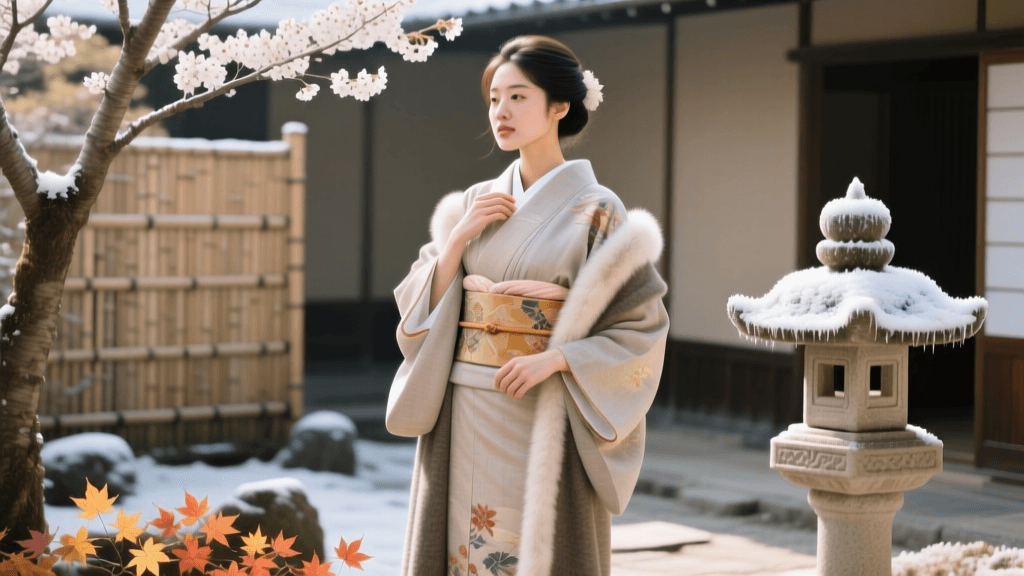
The Art of Kasane: Seasonal Awareness in Japanese Dress
In the realm of traditional Japanese clothing, the concept of kasane (layering) extends far beyond mere aesthetics; it is a profound expression of seasonal awareness, temperature regulation, and cultural respect. Unlike Western fashion, which often adapts to seasons through hemlines or outerwear, the kimono relies on a strict, centuries-old calendar of fabrics, linings, and dressing techniques (kitsuke) to harmonize the wearer with nature. According to the Victoria and Albert Museum, the evolution of the kimono is deeply intertwined with Japan's distinct four seasons, dictating not only the motifs embroidered on the silk but the very structure of the garment itself.
For modern practitioners and cultural enthusiasts, mastering seasonal kimono layering requires an understanding of textile weaves, undergarment engineering, and anatomical dressing adjustments. This guide provides actionable, practical advice on navigating the Japanese seasonal wardrobe, complete with measurements, material costs, and precise kitsuke techniques to ensure comfort and sartorial correctness year-round.
The Core Three: Awase, Hitoe, and Usulono
The foundation of seasonal kimono wear revolves around three primary garment structures. Adhering to the traditional calendar is a sign of respect and refined taste.
1. Awase (Lined Kimono)
Timing: October 1st to May 31st.
Structure: Made of two layers of silk: the outer fashion fabric and an inner lining (hakkake), often featuring contrasting colors or subtle patterns at the hem and sleeves.
Materials & Costs: Outer fabrics are typically chirimen (silk crepe) or rinzu (silk damask). A high-quality vintage awase kimono can be sourced for $80 to $250, while new, artisan-crafted pieces range from $800 to over $3,000.
Winter Adjustments: In the peak of winter (January and February), practitioners may upgrade to a wata-ire (padded kimono) or wear a specialized thermal under-layer to retain body heat without disrupting the garment's silhouette.
2. Hitoe (Unlined Kimono)
Timing: Strictly June 1st to June 30th, and September 1st to September 30th.
Structure: A single layer of silk with no lining, featuring internal binding (kise-hera) to protect the seams.
Materials & Costs: Often woven with slightly thicker threads to provide opacity without a lining. Vintage hitoe are highly sought after and typically cost between $100 and $300 due to their relative scarcity compared to awase.
3. Usulono (Sheer Summer Kimono: Ro and Sha)
Timing: July 1st to August 31st.
Structure: Woven with intentional gaps in the threads to allow maximum airflow.
Materials: Ro (leno weave, featuring horizontal sheer stripes) and Sha (plain weave, entirely sheer). Because weaving ro requires specialized looms and immense skill, new ro kimono are expensive, often starting at $500 and exceeding $1,500. Modern polyester alternatives (like those from the brand Washi-Itto) offer breathable, machine-washable options for $150 to $250.
The Foundation: Undergarments (Shitagi) and Temperature Control
The secret to comfortable seasonal kimono wear lies beneath the surface. The Metropolitan Museum of Art highlights how the internal architecture of Japanese dress is just as critical as the exterior presentation.
- Hadajuban & Susoyoke (Base Layers): The hadajuban (undershirt) and susoyoke (half-slip) sit directly against the skin. In summer, opt for asa (ramie or linen) or specialized cooling synthetics (approx. $25-$40). In winter, switch to thermal cotton or silk-blend fleece options ($40-$70) to trap heat.
- Nagajuban (Long Under-Kimono): This garment dictates the collar presentation. Like the outer kimono, the nagajuban changes seasonally. A ro (sheer) nagajuban is mandatory for summer to prevent opaque under-layers from showing through a sheer outer kimono. Cost: $60 (vintage) to $200 (new silk).
- Koshi-maki (Waist Wrap): A modern necessity worn over the susoyoke. In winter, a fleece-lined koshi-maki ($30) provides crucial lower-back warmth, replacing the bulky layers of historical eras while maintaining a slim profile.
Seasonal Kitsuke: Adjusting the Dressing Technique
Kitsuke (the art of dressing) is not static; it breathes with the seasons. The way you manipulate the collar and secure the garment changes drastically between August and January.
Summer Kitsuke: Amami (Looser Dressing)
During the humid Japanese summer, the goal is to create a chimney effect for airflow.
- Eri-nuki (Nape Opening): The space between the neck and the collar should be widened to exactly one fist and two fingers (approx. 12-14 cm). This allows sweat to evaporate and prevents the silk from clinging to the skin.
- Collar Spacing: The front collar (eri) is worn slightly looser, exposing more of the nagajuban and collarbone, creating a visual and physical sense of coolness.
- Date-jime Placement: The under-belt should be tied slightly lower and with less tension to avoid restricting diaphragmatic breathing in the heat.
Winter Kitsuke: Tsumari (Tighter Dressing)
Winter dressing prioritizes insulation and draft prevention.
- Eri-nuki (Nape Opening): Reduced to a single fist width (approx. 8 cm). A specialized eri-shin (collar stay) made of rigid plastic is inserted into the nagajuban collar to maintain this exact measurement and block cold drafts from entering the back.
- Layering the Haori: A haori (kimono jacket) or a michi-yuki (full-length coat) is added. When wearing a coat, the inner kimono's hem is folded slightly higher (ohashori adjustment) to prevent the coat from crushing the delicate silk hem when sitting.
Data Table: The Annual Kimono Wardrobe Calendar
The following chart serves as a quick-reference guide for assembling a seasonally appropriate ensemble. Note that the obi (sash) and accessories must also reflect the season.
| Season / Month | Kimono Type | Primary Fabric | Obi & Accessories | Footwear |
|---|---|---|---|---|
| Spring (Apr - May) | Awase (Lined) | Rinzu, Chirimen | Fukuro Obi, Silk Obijime | Zori (Vinyl/Brocade) |
| Early Summer (Jun) | Hitoe (Unlined) | Hitoe Chirimen, Tsumugi | Nagoya Obi, Woven Obijime | Zori (Rattan/Woven) |
| Peak Summer (Jul - Aug) | Usulono (Ro / Sha) | Ro (Leno weave silk) | Sha Obi, Glass/Rattan Obidome | Geta (Barefoot/Tabi) |
| Early Autumn (Sep) | Hitoe (Unlined) | Hitoe Chirimen, Jofu | Nagoya Obi, Autumnal motifs | Zori (Woven) |
| Autumn (Oct - Nov) | Awase (Lined) | Chirimen, Omeshi | Fukuro Obi, Velvet Obijime | Zori (Leather/Brocade) |
| Winter (Dec - Mar) | Awase / Wata-ire | Heavy Chirimen, Wool | Fukuro Obi, Haori (Jacket) | Zori with Fleece Tabi |
Practical Accessories for Seasonal Transitions
Transitioning between seasons (e.g., late May or late September) can be notoriously difficult due to unpredictable weather. Here is how to adapt using specialized accessories:
- Mesh Obi-ita (Obi Board): The obi-ita is a board inserted into the obi to keep it flat and wrinkle-free. In summer, swap the standard solid plastic or felt board for a mesh or rattan-woven obi-ita ($10-$15). This prevents sweat from pooling around the waist, which can stain the delicate silk obi.
- Asa Obijime (Linen Cords): The obijime is the decorative cord tied over the obi. Silk cords can feel heavy and hot in July. Switch to asa (linen) or ra (sheer woven) cords, which provide a textured, matte finish that visually signals summer to the trained eye.
- Removable Linings (Hakkake): For advanced practitioners and tailors, modern kimono can be fitted with snap-on or baste-stitched lower linings. This allows a single high-quality outer shell to be converted from awase to hitoe by simply removing the lower half of the lining, a highly cost-effective strategy for building a versatile wardrobe.
Conclusion
Mastering the seasonal wear and dressing techniques of the kimono is a rewarding journey into the heart of Japanese aesthetics. It requires shifting one's mindset from simply "wearing clothes" to "curating an environment" around the body. By respecting the traditional calendar, investing in the correct undergarments, and adjusting your kitsuke to accommodate the climate, you ensure that the garment remains a living, breathing tradition. As noted by the Japan National Tourism Organization, experiencing the kimono in its proper seasonal context offers a profound connection to the natural rhythms of Japan, transforming a simple act of dressing into a moving work of art.