Complete Care Guide for Silk Hanfu and Brocade Qipao
Preserving the Elegance of Asian Traditional Garments
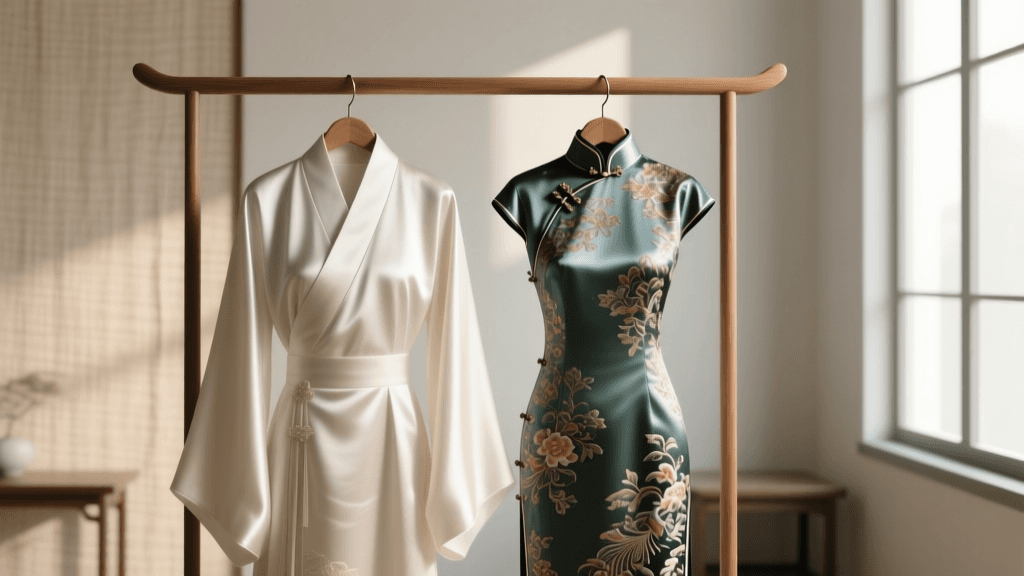
Owning a piece of traditional Asian clothing, whether it is a flowing Hanfu Mamianqun (horse-face skirt), an intricately embroidered Aoqun, or a tailored silk Qipao (cheongsam), is both a cultural investment and a sartorial treasure. Unlike modern fast fashion, traditional garments are often crafted from delicate, natural fibers like mulberry silk, ramie, and complex metallic brocades (zhijin). These materials require specialized care to maintain their structural integrity, vibrant dyes, and luxurious drape. Improper washing, harsh chemicals, or incorrect storage can lead to irreversible damage, including fiber degradation, color bleeding, and permanent creasing.
This comprehensive care guide bridges ancient textile wisdom with modern conservation science, providing you with actionable, step-by-step instructions to ensure your traditional wardrobe remains pristine for generations. According to the Victoria and Albert Museum's guide to caring for textiles, the key to preserving historic and delicate garments lies in understanding the specific protein or cellulose structure of the fibers before introducing water, heat, or storage environments.
Understanding Your Fabrics: A Care Comparison
Before reaching for a basin or an iron, it is crucial to identify the primary fabric of your garment. Traditional Chinese textiles generally fall into a few distinct categories, each demanding a unique approach to maintenance.
| Fabric Type | Wash Method | Water Temp | Iron Temp | Storage Recommendation |
|---|---|---|---|---|
| Mulberry Silk (Sangluosi) | Hand Wash / Dry Clean | Cold (Max 30°C / 86°F) | Low (110°C / 230°F) | Padded Hanger or Folded |
| Brocade (Zhijin) | Dry Clean Only | N/A | Low with Press Cloth | Folded with Acid-Free Tissue |
| Ramie / Linen Blends | Hand / Machine (Gentle) | Cool (Max 40°C / 104°F) | Medium-High (150°C / 300°F) | Hung or Folded |
| Xin Zhongshi Viscose Blends | Hand Wash | Cold (Max 30°C / 86°F) | Low (110°C / 230°F) | Padded Hanger |
The Golden Rules of Washing Silk Hanfu and Qipao
Silk is a natural protein fiber composed of fibroin, which is highly sensitive to alkaline substances and extreme temperatures. Standard laundry detergents contain enzymes and optical brighteners that will strip silk of its natural sericin coating, leaving it brittle and dull. Always opt for a pH-neutral, enzyme-free detergent specifically formulated for delicates, such as Eucalan Fine Fabric Wash or The Laundress Delicate Wash.
Step-by-Step Hand Washing Guide
- Preparation: Fill a clean basin with cold water (never exceeding 30°C or 86°F). Add the recommended amount of pH-neutral detergent and swirl to dissolve completely before introducing the garment.
- Submersion: Turn your Hanfu or Qipao inside out to protect the outer dyes and any delicate embroidery. Submerge the garment gently.
- Agitation: Do not rub, twist, or scrub the fabric. Instead, gently press and squeeze the water through the fibers for a maximum of 3 to 5 minutes. Prolonged soaking can cause natural dyes to bleed.
- Rinsing: Drain the soapy water and refill with cold, clean water. Repeat the gentle squeezing motion until the water runs completely clear. A final rinse with a splash of distilled white vinegar (one tablespoon per gallon of water) can help restore the silk's natural pH and enhance its luster.
Note: Heavily structured garments, such as bridal Qipao with stiff interlinings, or Hanfu jackets with extensive metallic thread embroidery, should always be taken to a professional dry cleaner who specializes in traditional Asian garments.
Drying and Ironing Without Damage
The drying process is where many silk garments suffer structural distortion. Never wring out a silk Hanfu or Qipao, as this breaks the delicate protein bonds and causes permanent micro-tears. Furthermore, never hang a soaking wet silk garment; the weight of the water will stretch the fibers, ruining the tailored fit of a Qipao or the precise drape of Hanfu sleeves.
The Towel Burrito Method
Lay a clean, dry, colorfast cotton towel flat on a surface. Place your wet garment flat on the towel. Roll the towel up tightly with the garment inside, like a burrito, and press gently to absorb the excess moisture. Unroll and transfer the damp garment to a fresh, dry towel or a mesh drying rack in a well-ventilated area away from direct sunlight. Ultraviolet (UV) rays are notoriously damaging to silk, causing rapid color fading and fiber degradation.
Ironing and Steaming
To remove wrinkles, always iron silk garments inside out. Set your iron to the lowest heat setting (often labeled 'Silk' or 'Low', around 110°C). Always use a cotton pressing cloth between the iron and the fabric to prevent scorch marks and heat-induced shine. For brocade (zhijin), avoid direct contact with the iron entirely; use a thick towel underneath and a pressing cloth on top to preserve the three-dimensional texture of the woven patterns. The Metropolitan Museum of Art's Textile Conservation department heavily emphasizes the use of barriers and low heat when pressing historical woven textiles to prevent flattening of the warp and weft threads.
Storage and Moth Prevention Strategies
Proper storage is vital for maintaining the shape and longevity of your traditional wardrobe. Wire hangers are the enemy of traditional garments; they create sharp stress points that distort the shoulders of Qipao and Hanfu tops. Invest in wide, padded wooden or velvet hangers to support the garment's weight evenly.
For heavy, pleated garments like the Mamianqun, hanging can cause the pleats to stretch and lose their crisp edges over time. It is better to fold these skirts. When folding any silk or brocade item, pad the folds with acid-free, unbuffered tissue paper to prevent deep, permanent creases that can eventually lead to fiber splitting.
Pest Control: Cedar vs. Mothballs
Protein fibers like silk are a primary food source for clothes moths and carpet beetles. However, you must avoid traditional naphthalene or paradichlorobenzene mothballs. These chemical repellents release gases that react with silk proteins, causing yellowing and irreversible fabric weakening. Instead, use natural alternatives like cedarwood blocks, lavender sachets, or dried mugwort (ai cao). Refresh the cedar blocks by lightly sanding them every few months to release their natural protective oils. For long-term storage, place garments inside breathable, 100% cotton garment bags—never use plastic, which traps moisture and encourages mildew growth.
Emergency Stain Removal for Delicate Textiles
Accidents happen, especially during festive occasions or tea ceremonies. Quick, gentle action is required to save your garment.
- Oil Stains: If you drop food or oil on your silk Qipao, do not apply water immediately. Instead, generously cover the spot with cornstarch or talcum powder. Let it sit for 12 to 24 hours to absorb the oil, then gently brush it off with a soft makeup brush.
- Water Spots: Silk is notorious for showing water rings. If a drop of water leaves a ring, lightly mist the entire garment with distilled water using a fine spray bottle, and allow it to dry evenly to eliminate the localized water mark.
- Sweat and Deodorant: The salts and aluminum in sweat and antiperspirants can degrade silk fibers and cause yellowing in the underarm areas of Hanfu tops. Wipe the inside of the garment with a damp cloth soaked in a mixture of cold water and a few drops of gentle detergent immediately after wearing.
Caring for 'Xin Zhongshi' (New Chinese Style) Blends
The modern 'Xin Zhongshi' fashion movement frequently utilizes innovative fabric blends, such as silk-viscose, silk-cotton, and cupro, to make traditional silhouettes more accessible and easier to maintain. While these blends are generally more forgiving than pure mulberry silk, they still require a gentle touch. Viscose and cupro become exceptionally weak when wet, meaning they are highly prone to tearing during the washing process. Treat these modern blends with the same care as pure silk: hand wash in cold water, avoid wringing, and never tumble dry. As noted in the Getty Conservation Institute's textile research, semi-synthetic cellulosic fibers require careful moisture management to prevent permanent shrinkage and structural warping.
Conclusion
Caring for Hanfu, Qipao, and modern Xin Zhongshi garments is a practice of mindfulness and respect for the artisans who created them. By understanding the unique properties of silk and brocade, utilizing pH-neutral products, and employing museum-grade storage techniques, you ensure that your traditional wardrobe remains a vibrant, living piece of Asian cultural heritage. Treat your garments with patience, and they will reward you with a lifetime of unparalleled elegance.