Mastering Su, Shu, and Cantonese Embroidery Techniques
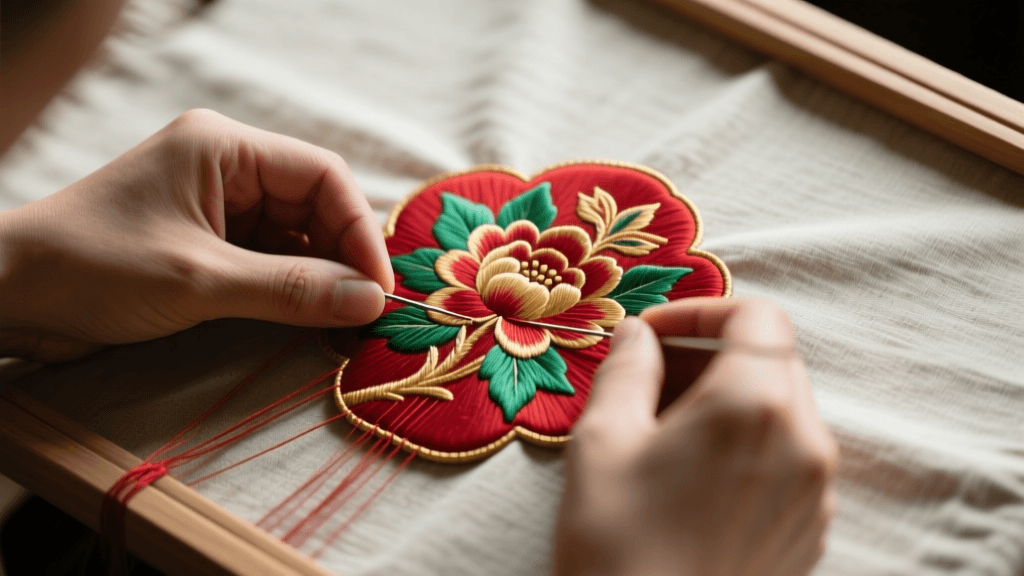
The Legacy of Chinese Silk Craftsmanship
Chinese embroidery is a cornerstone of Asian traditional garments, representing centuries of refined textile artistry, regional identity, and technical mastery. According to the UNESCO Intangible Cultural Heritage listings, sericulture and silk craftsmanship in China encompass not just the creation of the raw material, but the highly specialized regional techniques used to transform it into wearable art. For modern garment makers, couturiers, and Hanfu enthusiasts, understanding the distinct differences between the major embroidery schools is essential for authentic design and proper material handling.
While there are traditionally 'Four Major Embroideries' in China, this guide focuses on the three most influential for contemporary fashion and traditional garment replication: Su (Suzhou), Shu (Sichuan), and Cantonese (Yue/Guangdong). Each requires specific needles, fabric weights, and stitching methodologies. Below, we break down the practical, actionable details for integrating these techniques into your own textile projects.
Su Embroidery (Suzhou): Ethereal Light and Micro-Filaments
Originating from the Jiangnan region, Su embroidery is celebrated for its delicate, almost weightless appearance. It is characterized by the motto 'ping, qi, xi, he' (smooth, neat, fine, and harmonious). The hallmark of Su embroidery is its incredibly fine thread work and subtle color gradients, often used to depict koi fish, peonies, and delicate landscapes.
Practical Application & Materials
- Base Fabric: Use 16 to 19 momme silk satin or silk organza. The fabric must have a high thread count to support micro-stitches without puckering.
- Thread: 100% mulberry silk floss. A single strand of silk floss consists of two main plies, which can be split further.
- Needles: Size 10 or 12 beading needles, or fine English sharps. The eye must be small enough not to distort the tightly woven silk base.
- Preparation: Always stretch the silk taut on a slate frame (embroidery stand) rather than a hoop, as hoops can leave permanent creases on high-momme silk.
Key Technique: Thread Splitting and Taoshen (Color Blending)
To achieve the photorealistic shading Su embroidery is famous for, makers must master thread splitting. For the finest details (like a fish's tail or a bird's eye), split the silk thread down to 1/16th of its original thickness. Use the Taoshen technique, which involves twisting two different micro-strands of varying colors together before stitching, creating an optical color blend that mimics painting.
Shu Embroidery (Sichuan): Tactile Depth and the Halo Stitch
Shu embroidery hails from Sichuan province and is renowned for its bold colors, tactile textures, and strict adherence to traditional motifs like pandas, lotus flowers, and carp. Unlike the ethereal flatness of Su embroidery, Shu work embraces a three-dimensional quality, making it highly durable and suitable for heavier garments like winter Hanfu jackets and ceremonial robes.
Practical Application & Materials
- Base Fabric: 30 momme heavy silk crepe, cotton-linen blends, or wool. The fabric needs enough 'tooth' and weight to hold dense, heavy stitching.
- Thread: Thicker, multi-ply silk threads, sometimes blended with fine cotton or metallic accents for structural motifs.
- Needles: Size 7 or 8 sharps. These are thicker and can pierce dense crepe or woven textiles without bending.
Key Technique: Yunzhen (The Halo Stitch)
The Yunzhen stitch is the defining feature of Shu embroidery. It is a variation of the long-and-short stitch, but executed with mathematical precision to create a 'halo' or radiating effect. When embroidering a panda or a koi, the stitches are layered in concentric, overlapping curves. To execute this, start with a dark base thread and progressively layer lighter, shorter stitches over the edges, ensuring the tension remains perfectly even to avoid a bulky surface. A single square inch of dense Yunzhen stitching can take up to 8 hours to complete.
Cantonese Embroidery (Yue): Opulence, Goldwork, and Couture
Cantonese embroidery, originating from the Guangdong region, is the most dramatic and opulent of the three. Historically used for theatrical costumes, wedding garments (like the Kwa), and export couture, Yue embroidery is defined by its high contrast, vibrant palettes, and extensive use of gold and silver metallic threads (Dingjin).
Practical Application & Materials
- Base Fabric: Heavy silk velvet, dark silk brocade, or densely woven satin. Dark backgrounds (crimson, navy, black) are traditionally used to make the metallic threads pop.
- Thread: Spun gold and silver metallic threads, peacock feather filaments, and thick, highly twisted silk cords.
- Needles: Size 5 or 6 chenille needles or large sharps. The larger eye is necessary to accommodate thick metallic cords without stripping the foil.
- Tools: A laying tool (like a bone folder or specialized wooden stylus) is mandatory for manipulating metallic threads without touching them with your fingers, which can tarnish the foil or cause fraying.
Key Technique: Dingjin (Gold Couching)
In Cantonese embroidery, gold thread is rarely passed through the fabric, as the friction would destroy the delicate metal wrapping. Instead, it is 'couched' onto the surface. Lay the gold thread on the fabric in your desired pattern, and use a separate, ultra-fine silk thread (matched to the gold color) to stitch over it at 3-millimeter intervals. For raised effects, couch the gold thread over a base layer of cotton padding or thick wool yarn to create a 3D bas-relief effect, commonly seen on dragon and phoenix motifs.
Comparative Analysis: Su vs. Shu vs. Cantonese
As noted in historical textile analyses by Encyclopedia Britannica, the regional distinctions in Chinese embroidery are deeply tied to local climates, available resources, and cultural functions. The table below provides a quick-reference guide for makers choosing a style for their next project.
| Feature | Su (Suzhou) | Shu (Sichuan) | Cantonese (Yue) |
|---|---|---|---|
| Primary Aesthetic | Ethereal, painterly, delicate | Textured, vibrant, realistic | Opulent, dramatic, high-contrast |
| Best Base Fabric | 16-19m Silk Satin / Organza | 30m Silk Crepe / Linen | Silk Velvet / Heavy Brocade |
| Signature Motif | Koi, Peonies, Swallows | Pandas, Carp, Lotus | Dragons, Phoenixes, Peacocks |
| Thread Type | Micro-split Mulberry Silk | Multi-ply Silk / Cotton blends | Metallics, Peacock Feather, Cord |
| Needle Size | #10 - #12 (Fine) | #7 - #8 (Medium) | #5 - #6 (Large/Chenille) |
| Garment Application | Summer Hanfu, Veils, Linings | Winter Jackets, Daily Wear | Wedding Kwa, Ceremonial Couture |
Practical Sourcing and Cost Breakdown for Makers
Sourcing authentic materials is critical for achieving the correct drape and finish. Here is what you need to know about procurement and costs for small-batch or bespoke makers:
- Su Embroidery Silk: Authentic Suzhou silk floss can be sourced from specialized suppliers in Zhenhu Town or via international textile importers. Expect to pay between $15 and $25 for a curated set of 50 micro-skein colors.
- Shu Embroidery Kits: Shu threads are often sold pre-twisted. Sourcing directly from the Sichuan Shu Brocade and Embroidery Institute ensures authenticity. Raw materials cost roughly $10 to $18 per 100-yard spool.
- Cantonese Goldwork: High-quality non-tarnish metallic threads (often sourced from Japan or specialized Guangzhou mills) are the most expensive component. A single 50-meter spool of genuine spun gold thread can cost upwards of $40 to $60. Always buy 20% more than your pattern requires, as metallics cannot be unpicked and reused.
Troubleshooting Common Embroidery Issues
Working with traditional Asian textiles presents unique challenges. Here is how to solve the most common issues encountered by modern makers:
1. Silk Fabric Puckering
The Problem: The fabric gathers and warps around the embroidered motif. The Solution: This is usually caused by pulling the working thread too tightly or using a needle that is too thick for the base fabric. Always use a slate frame to maintain drum-tight tension. Additionally, apply a lightweight, water-soluble tear-away stabilizer to the back of 16 momme or lighter silks before hooping.
2. Metallic Thread Fraying and Tarnishing
The Problem: The gold foil strips off the core thread during stitching. The Solution: Never pull metallic thread through the fabric. Use the couching method described in the Cantonese section. Furthermore, run the metallic thread over a block of pure beeswax before laying it down; this reduces friction and adds a protective moisture barrier against the oils in your hands.
3. Loss of Tactile Depth in Shu Embroidery
The Problem: The embroidery looks flat and lacks the signature 3D texture. The Solution: Ensure you are utilizing the 'padding stitch' (often a simple brick stitch in a contrasting, inexpensive cotton thread) beneath your top layer of silk. The top silk layer must be couched or stitched over this padding to create the raised, sculptural effect characteristic of Sichuan techniques.
Conclusion
Whether you are designing a lightweight, flowing summer Hanfu utilizing the micro-filaments of Su embroidery, or constructing a heavily structured, gold-couched wedding jacket inspired by Cantonese couture, respecting the material constraints and historical techniques of each region is paramount. By selecting the correct momme weight, needle size, and stitching methodology, modern makers can bridge the gap between ancient Asian traditions and contemporary wearable art. For further exploration of historical textile preservation, the Victoria and Albert Museum's archives on Chinese textiles offer invaluable visual references for authentic motif placement and historical color palettes.