Japanese Matsuri Costumes: Happi, Yukata & Dance Gear
Introduction to Japanese Matsuri Costumes
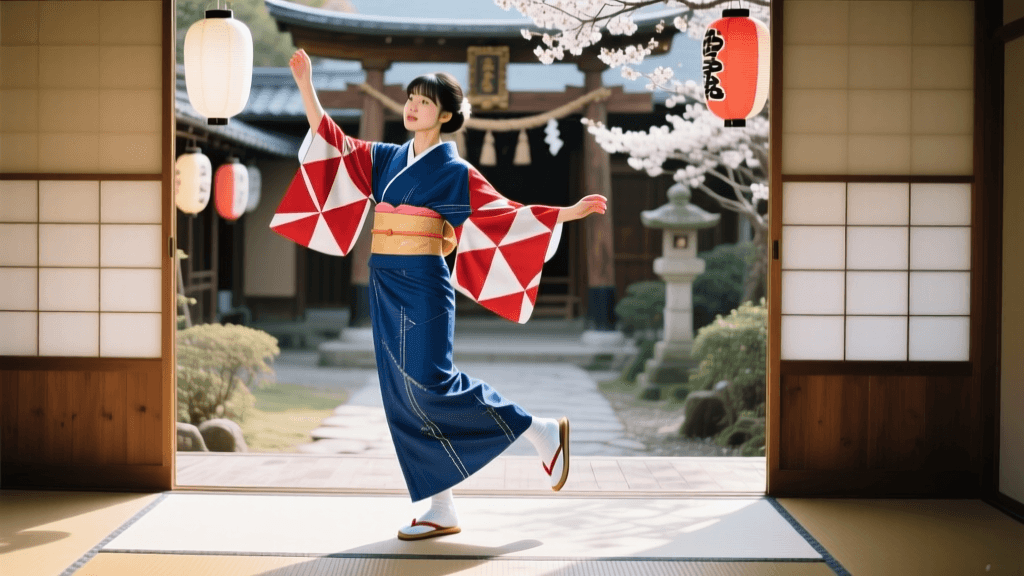
Summer in Japan is synonymous with matsuri (traditional festivals), a vibrant season characterized by the rhythmic beating of taiko drums, the chanting of portable shrine bearers, and the mesmerizing choreography of Bon Odori folk dances. At the heart of these celebrations is the traditional festival costume, a specialized subset of Japanese garments designed specifically for performance, mobility, and enduring the sweltering summer heat. According to the Japan National Tourism Organization (JNTO), thousands of local festivals take place across the archipelago between July and August, each requiring specific attire that blends historical significance with practical functionality. Whether you are a performer preparing for a local Bon Odori, a tourist planning to join a neighborhood parade, or a costume designer researching authentic Asian traditions, understanding the nuances of matsuri garments is essential.
The Matsuri Happi: Structure, Sizing, and Styling
The happi coat is the undisputed icon of the Japanese festival. Originally worn by house servants during the Edo period to display their family or shop crests, the happi was eventually adopted by firefighters and festival participants. Today, it serves as a unifying uniform for neighborhood associations (chonaikai) and dance troupes.
Anatomy and Fabric Choices
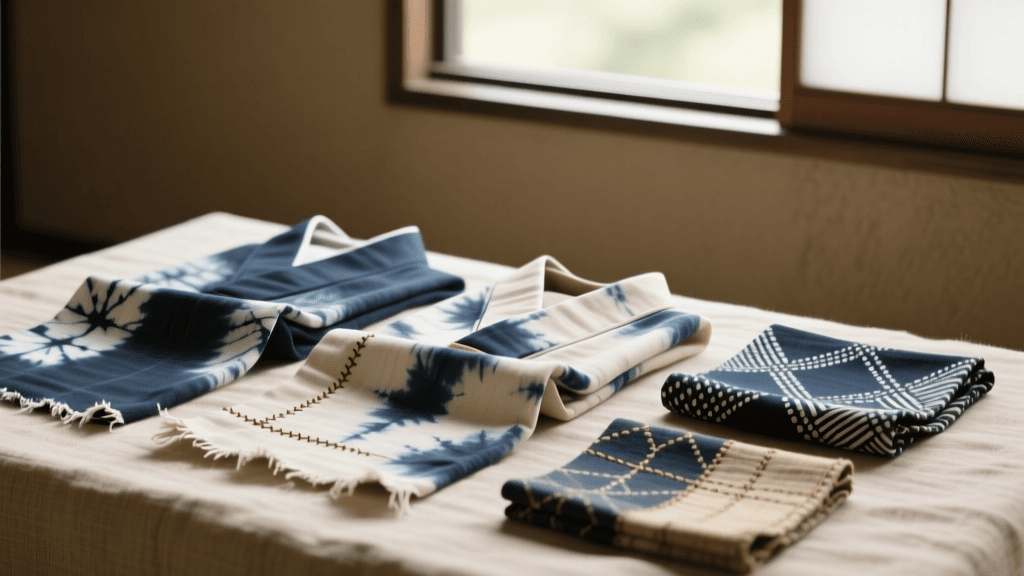
A traditional happi consists of the maemigoro (front panels), usomigoro (back panel), and wide, open sleeves. For performance wear, the fabric weight is critical. While casual happi coats sold to tourists are often made from lightweight polyester or thin broadcloth, authentic performance happi are crafted from 10-ounce to 12-ounce cotton canvas or heavy sashiko-stitched cotton. This heavier weight allows the coat to hang properly during vigorous movements, such as carrying a mikoshi (portable shrine), and absorbs sweat more effectively. Look for traditional dyeing techniques like mame-shibori (tiny tie-dye dots) or karakusa (arabesque vine patterns) printed on the lapels and sleeves.
Sizing and Measurements
Unlike Western clothing, happi coats are generally sold in "free size" or "one size fits all." However, for performance, the shoulder drop and sleeve length are vital. A standard adult happi measures approximately 80cm (31.5 inches) in length and 105cm (41 inches) across the shoulders. If you are purchasing for a dance troupe, ensure the hem falls exactly at the mid-thigh to prevent interference with the obi (sash) and lower-body movements. Prices for authentic, heavy-cotton happi coats range from $60 to $150 USD, depending on the complexity of the back crest (mon) and the dyeing method.
Performance Yukata for Bon Odori and Awa Odori
While happi coats dominate the shrine-carrying processions, the yukata is the primary garment for Bon Odori (summer ancestor-honoring dances) and regional performances like the famous Awa Odori of Tokushima. As noted by the Awa Odori Kaikan Official Guide, the Awa Odori requires specific costume adaptations to accommodate the dance's dynamic, low-to-the-ground footwork and raised arm movements.
Modifications for Dance and Mobility
A casual summer yukata is worn with a long hem that grazes the ankles. For festival dancing, this is a tripping hazard. Performance yukata are tailored or tucked so the hem sits 5 to 10 centimeters above the ankle bone. Furthermore, the ohashori (the waist fold used to adjust length) is traditionally left loose, but for vigorous dancing, performers use a technique called nuikomikoshi (sewing down the fold) or use hidden elastic clips to secure the fabric flat against the body. This prevents the yukata from unraveling during spins and jumps.
The Hanhaba Obi and Knot Styles
For festival dancing, performers wear a hanhaba obi (half-width obi), which measures roughly 15 to 17 centimeters wide and 3.5 to 4 meters long. Unlike the stiff, formal maru obi, the hanhaba is soft and pliable. The most common knot for male and female festival dancers is the kai no kuchi (clamshell knot) or the bunko (butterfly knot). To maintain a crisp silhouette during performances, dancers insert an obi-ita (a thin, stiff board) between the obi layers to prevent wrinkling, and secure the entire ensemble with a koshi-himo (tying cord) made of elastic for quick backstage changes.
Essential Footwear and Accessories: Tabi, Zori, and Amigasa
No matsuri costume is complete without the proper accessories, which serve both aesthetic and highly functional purposes on the performance floor.
Tabi and Jikatabi
Tabi are traditional split-toe socks. For festival wear, white cotton tabi with 5 kohaze (metal clasps) are the standard. Sizing is strictly measured in centimeters (e.g., 24.5cm, 26.0cm). Because dancing involves stomping and sliding on asphalt or wooden stages, many performers opt for jikatabi—tabi equipped with rubber soles. Jikatabi provide essential grip and cushioning, costing between $30 and $80 USD. When purchasing, always measure the foot from heel to the tip of the longest toe while standing, as the split-toe design requires a precise fit to prevent blisters.
Amigasa and Uchiwa
In specific regional dances, props and headwear are mandatory. The Awa Odori often features the amigasa, a conical sedge hat that obscures the dancer's face, adding an element of mystery and uniformity to the troupe. These hats cost around $25 to $50 and must be secured with a cotton chin cord tied firmly behind the head to withstand rapid head movements. Dancers also carry an uchiwa (rigid paper fan), using it as an extension of the arm to emphasize the choreography's sharp, angular lines.
The true spirit of the matsuri is not just in the rhythm of the taiko drums, but in the unified movement of the community, wrapped in the indigo and cotton of their ancestors.
Comparison Chart: Casual Festival Wear vs. Performance Dance Wear
Understanding the distinction between casual festival attendance and active performance is crucial for selecting the right garments. The following table outlines the key differences in specifications and styling.
| Garment Feature | Casual Festival Wear | Performance / Dance Wear |
|---|---|---|
| Yukata Hemline | Ankle-length, traditional drape | 5-10cm above ankle for mobility |
| Happi Fabric | Lightweight polyester or thin cotton | Heavy 10oz+ cotton canvas, sweat-absorbent |
| Obi Style | Pre-tied obi or soft cloth sash | Hanhaba obi with obi-ita board for structure |
| Footwear | Wooden Geta or standard Zori sandals | Rubber-soled Jikatabi for grip and stomping |
| Waist Fold (Ohashori) | Loose, adjustable fold | Sewn down or pinned flat to prevent unraveling |
Practical Buying Guide: Costs, Timing, and Sourcing
Timing your purchase is critical. In Japan, department stores and specialty kimono shops begin stocking matsuri attire in late May, with the best selection available throughout June. By late July, popular sizes and traditional patterns often sell out. If you are sourcing garments internationally, online retailers such as Ichiroya, Yamatoku, and specialized festival supply stores offer year-round inventory, though shipping times must be factored into your rehearsal schedule.
For those seeking authentic, vintage, or highly specific regional garments, the Japan Guide's Matsuri Overview recommends visiting local second-hand kimono markets (like the Oedo Antique Market in Tokyo) or directly contacting regional tourism boards in places like Tokushima or Kochi for authentic dance troupe surplus gear. Budgeting roughly $150 to $250 USD will cover a complete, high-quality performance ensemble, including a cotton happi or dance yukata, a hanhaba obi, jikatabi, and essential accessories.
Conclusion
Japanese matsuri costumes are a masterclass in functional tradition. Every element, from the sweat-wicking heavy cotton of the happi to the ankle-clearing hem of the dance yukata and the rubber-grip soles of the jikatabi, is engineered for the physical demands of festival performance. By understanding the specific measurements, fabric weights, and styling techniques required for these garments, performers and cultural enthusiasts can honor the rich heritage of Asian traditions while fully participating in the dynamic, living spectacle of the Japanese summer festival.