Hanfu Etiquette: Greeting Rituals and Dress Code Rules
The Revival of Hanfu and the Importance of Etiquette
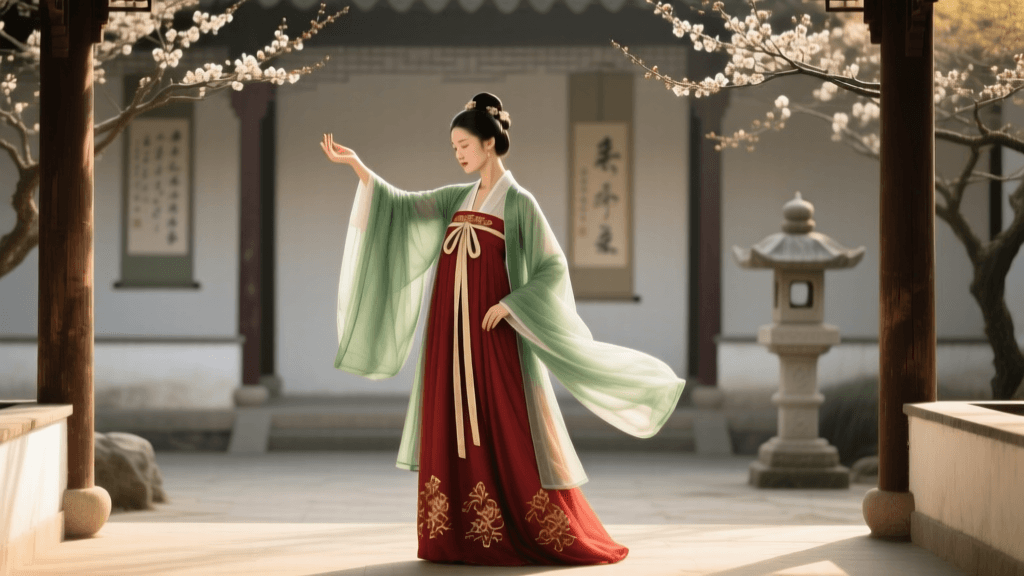
The modern Hanfu movement has successfully brought traditional Chinese clothing back into the global spotlight, transforming it from museum exhibits into living, breathing fashion. However, wearing Hanfu is not merely about draping beautiful fabrics; it is deeply intertwined with the concept of Li (rites, etiquette, and propriety). In traditional Chinese culture, clothing and behavior are two sides of the same coin, reflecting one's respect for heritage, society, and the cosmos. According to comprehensive guides on traditional Chinese dress codes, understanding the etiquette behind the garments is just as crucial as selecting the right silhouette.
Whether you are attending a traditional tea ceremony, a Hanfu cultural festival, or a formal banquet, mastering the dress codes and greeting rituals ensures you honor the tradition authentically. This guide provides actionable, detailed instructions on how to wear, layer, and greet others while in Hanfu.
Core Dress Code Rules: Layering and Symbolism
Hanfu is defined by its structural rules, which carry profound philosophical weight. Breaking these rules is not just a fashion faux pas; historically, it signaled a lack of education or respect.
The 'Left Over Right' Rule (Jiaoling Youren)
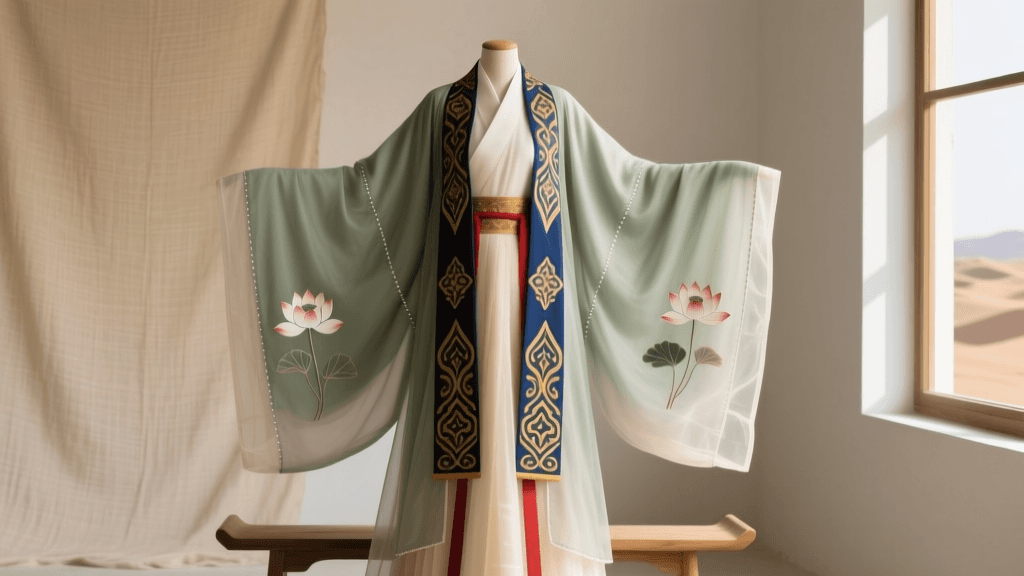
The most foundational rule of Hanfu is Jiaoling Youren, which translates to 'intersecting collar, right lapel.' When wrapping the front of the robe or jacket, the left side must always cross over the right side, securing on the wearer's right hip. This rule is tied to the Yin and Yang philosophy, where the left represents Yang (life, vitality, and the living) and the right represents Yin. As noted in analyses of historical Hanfu structures, reversing this to 'right over left' is strictly reserved for dressing the deceased for burial. Wearing it incorrectly in daily life is considered highly inauspicious and offensive.
Strict Layering Protocols
Modesty and structural integrity are paramount. A proper Hanfu ensemble requires specific undergarments. You must never wear an outer robe or skirt directly against the skin or over modern Western clothing without a barrier.
- Zhongyi (Inner Shirt): A white or neutral-colored inner top with a standing or intersecting collar. It protects the outer silk from sweat and provides a clean neckline.
- Zhongqun (Inner Skirt): A lightweight cotton or linen slip skirt worn beneath outer skirts like the Mamianqun to add volume and prevent transparency.
- Waistbands and Belts: Outer garments are secured with woven sashes or leather belts. The knot should be tied securely on the right side or centered, with tassels hanging elegantly without dragging on the floor.
Occasion-Based Dress Codes
Selecting the appropriate style for the event is a key component of Hanfu etiquette. Below is a structured guide to help you choose the right garment based on the occasion.
| Occasion | Recommended Hanfu Style | Fabric & Color Guidelines | Etiquette Focus |
|---|---|---|---|
| Casual / Daily | Ruqun (Jacket & Skirt) or Song-style Beizi (Cloak) | Cotton, linen, or chiffon. Light, pastel, or earthy tones. | Comfort and mobility; minimal accessories. |
| Festivals / Parades | Aoqun (Lined Jacket & Mamianqun) | Brocade, embroidered silk. Vibrant reds, golds, and blues. | Joyful expression; hair should be fully styled with traditional hairpins. |
| Formal Banquets | Shenyi (Deep Robe) or Formal Ming-style Aoqun | Heavy silk, damask. Subdued, elegant jewel tones or deep navy. | Modesty; sleeves should cover the wrists when arms are resting. |
| Rites / Ceremonies | Duan Dali (Formal Court/ Ritual Dress) | Unpatterned or subtly woven silk. Strict adherence to historical color ranks. | Utmost solemnity; minimal jewelry, focus on the purity of the silhouette. |
Traditional Greeting Rituals (Yi Li)
When dressed in Hanfu, modern handshakes or waves feel discordant with the visual language of the garments. Traditional greetings, collectively known as Yi Li, rely on hand gestures and bows that reflect humility and respect. For a deeper understanding of these gestures, scholars often refer to the foundations of classical Chinese etiquette.
The Gongshou Li (Cupped Hands Greeting)
This is the most common, versatile greeting used for peers, friends, and casual acquaintances.
- Hand Placement: Stand upright with your feet together. Raise your hands to chest level.
- Gender Rule: For men, the left hand wraps over the right fist (left is Yang, representing life and respect). For women, the right hand wraps over the left fist.
- The Gesture: Push your hands slightly forward while bowing your head and torso about 15 to 30 degrees. Hold for one second before returning to a standing position.
The Zuoyi Li (Deep Bow)
Reserved for elders, teachers, or highly formal settings, the Zuoyi Li requires a deeper expression of reverence.
- Form the Gongshou hand gesture as described above.
- Raise your cupped hands upward to eye level, then extend them fully forward and downward toward the ground.
- Simultaneously, bow your torso deeply (45 to 90 degrees), keeping your back straight. Your hands should descend to knee level or lower.
- Rise slowly, bringing your hands back to your chest before dropping them to your sides.
The Wanfu Li (Women's Greeting)
Historically popularized during the Tang and Song dynasties, this elegant greeting is specific to women.
- Stand with feet in a slight 'V' shape or one foot slightly behind the other.
- Place your hands together at the left or right side of your waist (often overlapping the sash).
- Bend your knees slightly in a curtsy-like motion while bowing your head and lowering your gaze. The movement should be fluid and graceful, taking about two seconds to complete.
Practical Guide: Attending a Hanfu Festival
If you are planning to attend a Hanfu cultural event, a traditional wedding, or a tea ceremony, practical preparation is just as important as knowing the rituals.
Budgeting and Sourcing
Investing in authentic, well-constructed Hanfu ensures the garments drape correctly, which is vital for etiquette. Entry-level, everyday sets (like a basic cotton Ruqun) typically cost between $50 and $120. For formal events requiring silk brocade Mamianqun or heavily embroidered Ao jackets, expect to budget between $250 and $800. Reputable makers like Minghuatang or Shisanyu offer historically accurate cuts that prevent the collars from gaping—a common issue with cheap, mass-produced costumes that ruins the formal silhouette.
Dressing Timeline and Measurements
Hanfu requires time to put on correctly. Allocate 20 to 30 minutes for dressing, especially if you are wearing a Mamianqun, which requires precise pleat alignment and secure tying. Skirt lengths typically range from 95cm to 105cm; ensure the hem grazes the top of your shoes without dragging on the ground, as stepping on your hem is considered clumsy and disrespectful in formal settings. Use modern anti-slip skirt clips hidden beneath the waistband to keep heavy skirts secure throughout the day.
Event Timing and Behavior
Arrive at formal venues at least 30 minutes early. This allows you to adjust your layers, fix your hairpins, and practice your greetings in a mirror. When navigating crowded spaces, use the 'Lifting the Skirt' technique: gracefully pinch the outer side seams of your skirt with your thumb and index finger, lifting it just two inches off the ground to prevent tripping or soiling the hem. When seated, always smooth the back of your skirt beneath you and keep your knees together, placing your hands gently in your lap or resting them on your thighs.
Conclusion
Wearing Hanfu is a profound dialogue with history. By adhering to the 'left over right' rule, respecting the layering protocols, and mastering the Gongshou and Zuoyi greetings, you elevate your experience from mere cosplay to genuine cultural participation. Etiquette in traditional Chinese clothing is not about rigid restriction; rather, it is a physical meditation on respect, harmony, and the enduring beauty of Asian traditions.