Guide to Shibori, Yuzen, and Kasuri: Identify and Care
Introduction to Japan's Master Dyeing Arts
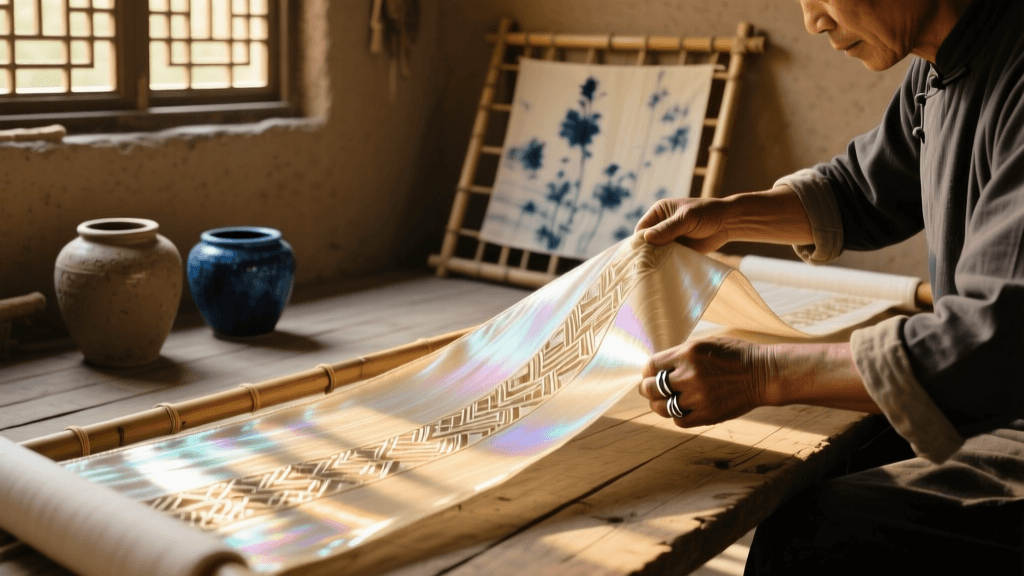
Japan's textile heritage is globally revered for its meticulous craftsmanship, deep cultural symbolism, and breathtaking aesthetics. For collectors, vintage enthusiasts, and practitioners of traditional Asian fashion, understanding the nuances of Japanese dyeing techniques is essential. Among the most celebrated methods are Shibori, Yuzen, and Kasuri. Each technique requires years of apprenticeship to master and results in distinct visual and tactile characteristics. According to the Victoria and Albert Museum Asian Collections, these textiles are not merely garments but historical documents that reflect the socio-economic and artistic shifts of Japan's Edo, Meiji, and Taisho periods. This comprehensive guide will help you identify these three master techniques and provide actionable, specific advice on how to care for, wash, and store your vintage Japanese textiles.
Shibori: The Art of Shaped Resist Dyeing
Identification and Characteristics
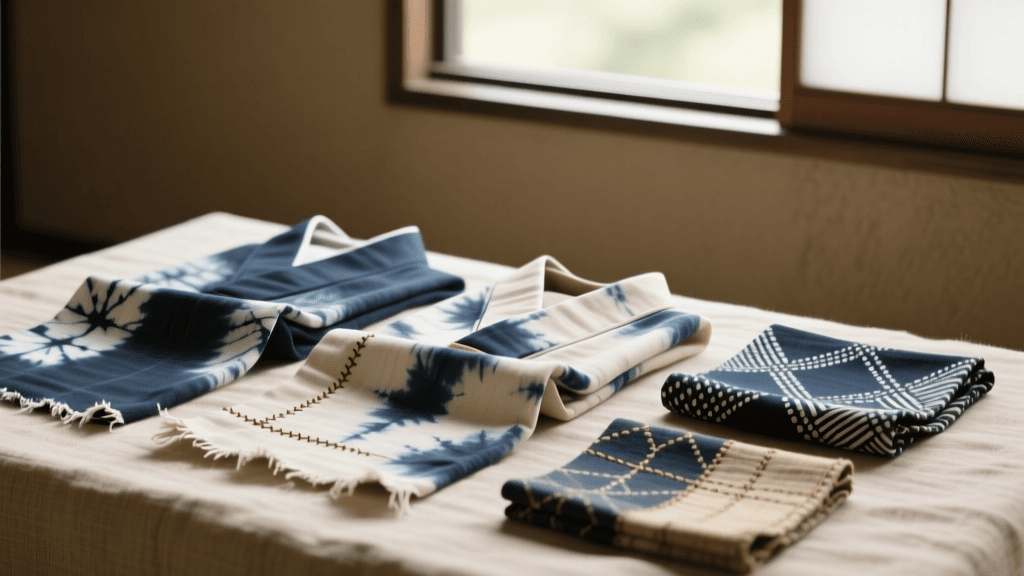
Shibori translates roughly to 'to wring, squeeze, or press.' It is a shaped-resist dyeing technique where fabric is bound, stitched, folded, twisted, or clamped before being submerged in dye, most traditionally indigo (ai-zome). The physical manipulation of the fabric creates intricate, organic patterns. To identify authentic vintage Shibori, run your fingers over the fabric. True Shibori has a distinct three-dimensional texture; you will feel the raised, puckered areas where the dye was resisted. Common sub-styles include Kanoko (fawn-spot tie-dye), Arashi (pole-wrapped diagonal patterns), and Itajime (geometric shape-resist using carved wooden blocks).
Care and Maintenance
Because Shibori relies on physical texture, improper care can permanently flatten the garment. Here are specific care instructions for vintage silk and cotton Shibori:
- Washing: Hand wash in cold water (below 30°C / 86°F). Use a pH-neutral detergent specifically formulated for delicates, such as Eucalan or The Laundress Delicate Wash. Never use enzymatic detergents or bleach, as they will degrade the silk fibers and strip the indigo.
- Drying: Never wring out Shibori. Gently press the water out by rolling the garment in a clean, dry, white cotton towel. Lay flat to dry away from direct sunlight, which will fade the indigo.
- Ironing: Never iron Shibori directly. The heat and pressure will crush the 3D puckering. If you must remove wrinkles from the flat sections of a silk kimono, use a handheld garment steamer held at least 15 cm (6 inches) away from the fabric.
Yuzen: Stencil and Paste-Resist Pictorial Dyeing
Identification and Characteristics
Originating in the late 17th century and attributed to Miyazaki Yuzensai, Yuzen is a paste-resist technique that allows for highly detailed, pictorial, and multi-colored designs. A rice-paste resist (itome nori) is applied to outline the design, preventing dyes from bleeding into one another. The two most famous regional styles are Kyo-Yuzen (from Kyoto, known for vibrant colors and gold leaf accents) and Kaga-Yuzen (from Kanazawa, known for realistic nature motifs and a specific five-color palette). You can identify Yuzen by looking for the fine, crisp white outlines around the dyed motifs, which are the remnants of the washed-away rice paste. The Kyoto Museum of Traditional Crafts frequently highlights Yuzen as the pinnacle of Japanese formal garment decoration, particularly for furisode and wedding uchikake.
Care and Maintenance
Yuzen garments, especially those adorned with gold leaf (surihaku) or embroidery, are highly delicate and require specialized care.
- Cleaning: Vintage silk Yuzen kimono should never be washed at home. Water can cause the dyes to bleed and will ruin any metallic gold or silver accents. Always take these pieces to a dry cleaner who specializes in traditional Asian garments and explicitly point out the metallic and paste-resist areas.
- Spot Cleaning: If you must address a minor stain on a cotton Yuzen yukata, use a cotton swab dipped in distilled water. Gently dab (do not rub) the stain, working from the outside in to prevent rings.
- Storage: Store Yuzen silk in a cool, dark environment with a stable humidity level of 45-55%. Wrap the garment in acid-free, unbuffered tissue paper (pH 7.0). Place it inside a traditional Paulownia wood (kiri) box, which naturally regulates humidity and repels insects. Never store Yuzen in plastic bins, as trapped moisture will cause mold and yellowing.
Kasuri: The Japanese Ikat Technique
Identification and Characteristics
Kasuri is the Japanese iteration of ikat, a technique where the threads are tie-dyed before they are woven together. The dyed and undyed sections of the warp and weft threads align during weaving to create blurred, geometric, or pictorial patterns. This signature 'blurry' or 'fuzzy' edge is the primary way to identify Kasuri. The most renowned variety is Kurume Kasuri, a cotton textile from Fukuoka prefecture, historically used for everyday workwear and informal kimono due to its durability and breathability. The Japan National Tourism Organization recognizes Kurume Kasuri as a vital intangible cultural asset, noting its historical importance in the daily lives of Japanese commoners during the Edo period.
Care and Maintenance
Unlike delicate Yuzen silks, vintage cotton Kasuri is robust, but it still requires mindful maintenance to preserve its structural integrity and deep indigo hues.
- Washing: Hand wash in lukewarm water (maximum 40°C / 104°F) using a mild, color-safe detergent. Because Kasuri is often dyed with natural indigo, it may continue to release small amounts of dye (crocking) for the first few washes. Always wash it separately or with a color-catcher sheet.
- Drying and Ironing: Kasuri cotton can be tumble dried on a no-heat or air-fluff setting, but line drying in the shade is preferred to prevent fiber stress. You can iron Kasuri cotton on a medium-high setting, but always use a damp pressing cloth between the iron and the fabric to prevent scorching and to maintain the fabric's natural luster.
- Shrinkage Warning: If you are buying modern Kasuri cotton by the bolt for DIY sewing, always pre-wash and pre-shrink the fabric in hot water before cutting, as traditional cotton Kasuri can shrink by 3% to 5% on the first wash.
Comparison Chart: Shibori vs. Yuzen vs. Kasuri
Use the following data table to quickly compare the technical and practical differences between these three dyeing methods when evaluating vintage pieces for your collection.
| Feature | Shibori | Yuzen | Kasuri |
|---|---|---|---|
| Resist Method | Physical (binding, folding, clamping) | Chemical/Mechanical (rice paste applied to woven fabric) | Thread-dyeing (ikat) before weaving |
| Visual Signature | 3D puckering, organic blurred edges | Crisp pictorial motifs, fine white outlines | Fuzzy, blurred geometric or pictorial edges |
| Primary Material | Silk (formal), Cotton (informal) | Silk (almost exclusively for vintage) | Cotton, occasionally Silk or Hemp |
| Washability | Hand wash cold; no ironing | Dry clean only (silk); spot clean (cotton) | Hand wash lukewarm; iron with pressing cloth |
| Vintage Market Price | $80 - $400 (Haori/Jackets) | $300 - $2,000+ (Formal Kimono) | $40 - $150 (Everyday Kimono/Jackets) |
Practical Guide: Sourcing and Pricing Vintage Pieces
Building a collection of authentic Shibori, Yuzen, and Kasuri requires knowing where to look and how to verify authenticity. When browsing online marketplaces or estate sales, look for specific terminology. For Yuzen, search for 'Kyo-Yuzen' or 'hand-painted.' For Kasuri, look for 'Kurume' or 'pre-dyed threads.'
For international collectors, Japanese proxy bidding services like Buyee or ZenMarket are invaluable for accessing Yahoo! Auctions Japan, where thousands of vintage textiles are listed daily by local sellers. When purchasing, always request close-up photos of the fabric's reverse side. In authentic Yuzen and Shibori, the dye will penetrate deeply, and the reverse side will show a muted but clear version of the pattern. If the reverse side is stark white, the garment is likely modern and digitally printed, significantly lowering its collectible value and historical merit.
Conclusion
Preserving traditional Japanese textiles is an act of cultural stewardship. By understanding the distinct resist methods of Shibori, the pictorial elegance of Yuzen, and the woven geometry of Kasuri, collectors can make informed purchasing decisions and apply the correct conservation techniques. Whether you are carefully steaming a 3D Shibori haori, wrapping a gold-leaf Yuzen kimono in acid-free tissue, or hand-washing a durable Kurume Kasuri jacket, your attention to detail ensures these masterpieces of Asian tradition will survive for generations to come.