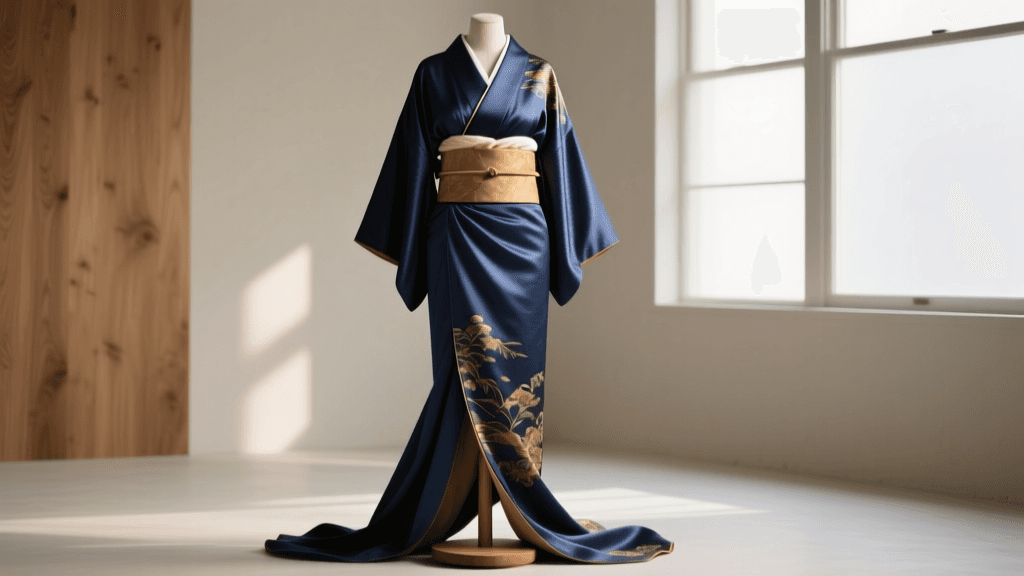
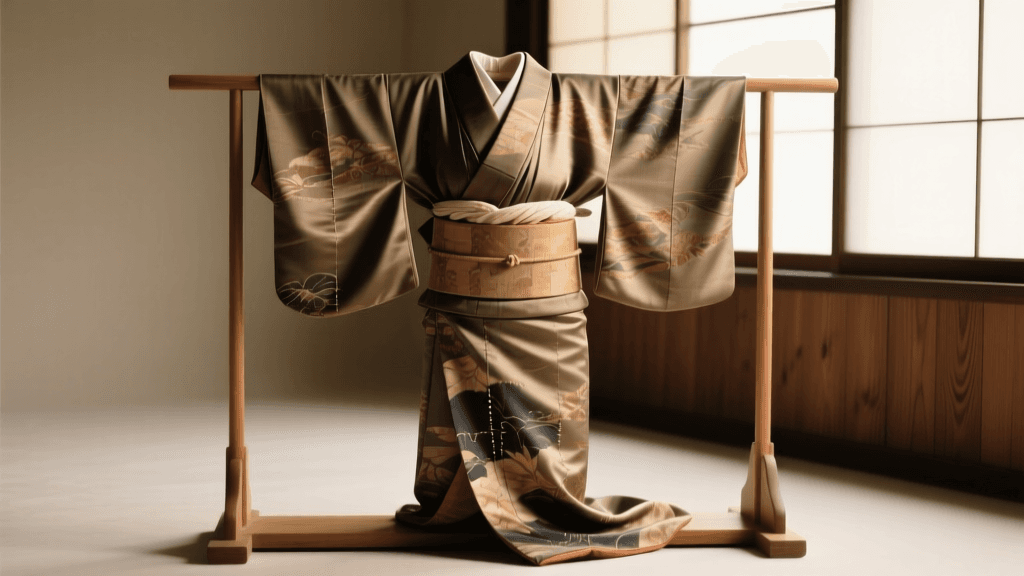
Celebrity Kimono Trends: How to Style Modern Haori Looks
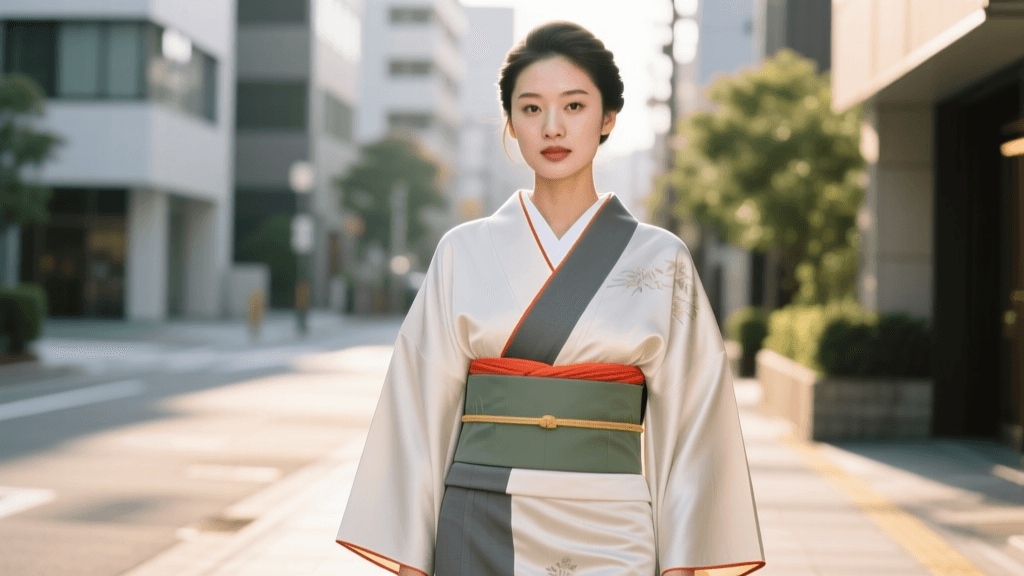
The Global Rise of the Kimono in Pop Culture
The kimono is no longer confined to traditional Japanese ceremonies or historical dramas. Over the past decade, it has transcended its cultural origins to become a formidable force in global high fashion and streetwear. From the runways of Paris to the bustling streets of Harajuku, celebrities, K-pop idols, and fashion influencers have reimagined the kimono and its lighter counterpart, the haori, for the modern wardrobe. This fusion of East and West was most notably celebrated in the landmark exhibition "Kimono: Kyoto to Catwalk" by the Victoria and Albert Museum, which traced the garment's evolution from the 1660s to contemporary red carpets, highlighting how designers like John Galliano and Alexander McQueen have drawn deep inspiration from Japanese tailoring.
Today, the influence of the kimono is visible everywhere. Influencers are pairing vintage silk haori with oversized streetwear, while A-list celebrities are stepping onto the Met Gala carpet in sweeping, kimono-inspired silhouettes. But how can you translate these high-concept celebrity looks into wearable, everyday outfits without crossing the line into cultural appropriation? This guide breaks down the exact styling techniques, sourcing methods, and cultural rules you need to know to master the celebrity kimono trend.
Deconstructing the Celebrity Haori: Streetwear vs. Red Carpet
When celebrities adopt traditional Japanese garments, they generally lean into two distinct styling categories: the casual, layered streetwear haori, and the avant-garde, structured red-carpet kimono. Understanding the difference between these two approaches is the first step to replicating the looks of your favorite style icons.
The Streetwear Haori (K-Pop & Harajuku Influencers)
The haori is a traditional Japanese hip- or thigh-length jacket worn over a kimono. In modern streetwear, it has been entirely divorced from its formal underpinnings. K-pop supergroups like BTS and Blackpink have frequently been photographed in airport fashion wearing silk haori over plain white t-shirts, turtlenecks, or even hoodies. Influencers in Tokyo's Harajuku district often use the haori as a lightweight duster coat during the spring and autumn months.
The appeal of the haori lies in its open-front design. Unlike the full kimono, which requires an obi (belt) to keep it closed, the haori is designed to be worn open, secured only by two short braided cords called haori himo. This makes it incredibly easy to layer over Western clothing without adding bulk to the waist. According to cultural historians featured in Nippon.com, the haori's transition from an exclusive garment of the samurai and aristocracy to a versatile layering piece mirrors the broader democratization of Japanese fashion.
The Red Carpet Kimono (High Fashion Silhouettes)
On the red carpet, the approach is entirely different. Celebrities like Zendaya and Rihanna have embraced the dramatic, sweeping silhouettes of the kimono. However, they rarely wear traditional, unaltered kimono. Instead, they opt for high-fashion interpretations or heavily modified vintage pieces. The most common celebrity hack for formal kimono styling is replacing the traditional, flat silk obi with a structured Western leather corset belt or a thick metallic cummerbund. This cinches the waist, creating an hourglass silhouette that aligns with Western red-carpet aesthetics while maintaining the dramatic, wide sleeves (sode) of the Japanese garment.
Actionable Guide: Replicating the Influencer Look
If you want to incorporate these celebrity-approved trends into your own wardrobe, you need to focus on proportion, fabric, and footwear. Here is a step-by-step guide to achieving the modern influencer aesthetic.
1. The Streetwear Haori Layering Technique
- The Base: Start with a monochromatic, relaxed-fit base. A heavyweight cotton oversized t-shirt or a slim-fit ribbed turtleneck works best. Avoid busy patterns that will clash with the haori's exterior design.
- The Haori Selection: Look for a vintage silk haori with a length of 80cm to 100cm. The sleeve drop should be around 30cm to 40cm to allow for ease of movement. For a masculine or androgynous streetwear look, opt for darker tones with subtle woven patterns (kasuri). For a bold, feminine look, choose vibrant floral or crane motifs.
- The Bottoms: Wide-leg trousers or distressed denim are essential. The volume of the wide-leg pants balances the boxy, oversized nature of the haori.
- The Footwear: This is where the celebrity look comes together. Pair your haori with Maison Margiela Tabi boots (which are directly inspired by Japanese split-toe socks) or chunky sneakers like the Balenciaga Track or Nike Air Force 1s.
2. The Formal Kimono Corset Hack
- The Garment: Source a two-piece modern kimono set or a vintage silk kimono. Ensure the fabric is chirimen (silk crepe) for a beautiful, heavy drape.
- The Belt Swap: Ditch the traditional obi. Instead, use a wide, structured leather corset belt (10cm to 15cm wide) in black or oxblood. Cinch it tightly at the natural waist to create structure.
- The Collar Rule: Always ensure the left side of the collar crosses over the right side. This rule, known as migi-mae, is non-negotiable in Japanese culture.
Celebrity Style Breakdown & Budget Alternatives
To help you plan your purchases, here is a comparison of how celebrities style these garments versus how you can achieve the same look on a realistic budget.
| Style Element | Celebrity / High-Fashion Approach | Accessible Influencer Alternative | Estimated Cost (Alternative) |
|---|---|---|---|
| Outer Layer | Custom Thom Browne or Alexander McQueen kimono-coat ($3,000+) | Vintage silk haori sourced from Etsy or specialized online dealers | $45 - $120 |
| Waist Cinching | Custom molded leather corset by high-end atelier ($800+) | Wide faux-leather steampunk or gothic corset belt from Amazon | $25 - $40 |
| Footwear | Maison Margiela Leather Tabi Boots ($1,200+) | Nike Air Force 1s or affordable split-toe ankle boots | $90 - $150 |
| Under-layer | Silk designer turtlenecks ($500+) | Uniqlo U Extra Fine Merino Wool Turtleneck | $39 |
Sourcing Authentic and Modern Pieces
The secret to pulling off the celebrity kimono trend is avoiding cheap, mass-produced "costume" kimonos made from stiff polyester. These garments lack the drape, weight, and cultural authenticity required for high-fashion styling. As noted by The Japan Times in their coverage of the global kimono revival, the appreciation of authentic textiles is paramount to respecting the garment's heritage.
Where to Buy:
- Vintage Dealers: Websites like Etsy, eBay, and specialized dealers such as Kimono-Ya or Chicago Kimono offer authentic, pre-loved silk haori and kimono. Search for keywords like "vintage silk haori," "chirimen kimono," and "hand-painted yuzen."
- Modern Retailers: For newly manufactured, easy-care pieces, look to Japanese brands like Yamato or Wataru, which produce modern, washable kimono sets designed for contemporary wearers.
- Fabric Guide: Look for Rinzu (silk damask) if you want a subtle, luxurious shine for evening wear, or Tsumugi (pongee silk) for a more textured, matte, and casual streetwear look.
Cultural Appreciation vs. Appropriation in Kimono Fashion
When adopting traditional garments into a modern wardrobe, the line between appreciation and appropriation is a frequent topic of discussion. The key to respectful styling lies in understanding the cultural significance of the garment and avoiding the reduction of the kimono to a mere "costume."
First and foremost, never wear a kimono or haori that features specific family crests (kamon) unless you have inherited it or been explicitly gifted it, as these are deeply personal family identifiers. Secondly, avoid pairing formal kimono with overly revealing clothing or wearing them as "lingerie" or "boudoir" fashion, which strips the garment of its dignity and cultural context. Finally, always adhere to the migi-mae rule: the left panel of the kimono must always wrap over the right panel. Wrapping right-over-left is strictly reserved for dressing the deceased for burial in Japanese culture, and making this mistake is considered highly disrespectful.
"The kimono is not a relic of the past; it is a living, breathing garment that continues to evolve. When styled with respect and an understanding of its anatomy, it bridges the gap between historical artistry and modern self-expression."
By focusing on the structural beauty of the haori and the elegant drape of the kimono, and by pairing them with modern streetwear staples, you can participate in this global fashion conversation. The celebrity and influencer approach proves that when traditional Asian garments are treated with reverence and creative vision, they become timeless additions to the modern wardrobe.