DIY Kimono Upcycling: Repurpose Vintage Silk Into Modern Fashion
The Renaissance of the Kimono: From Heirloom to Everyday Wear
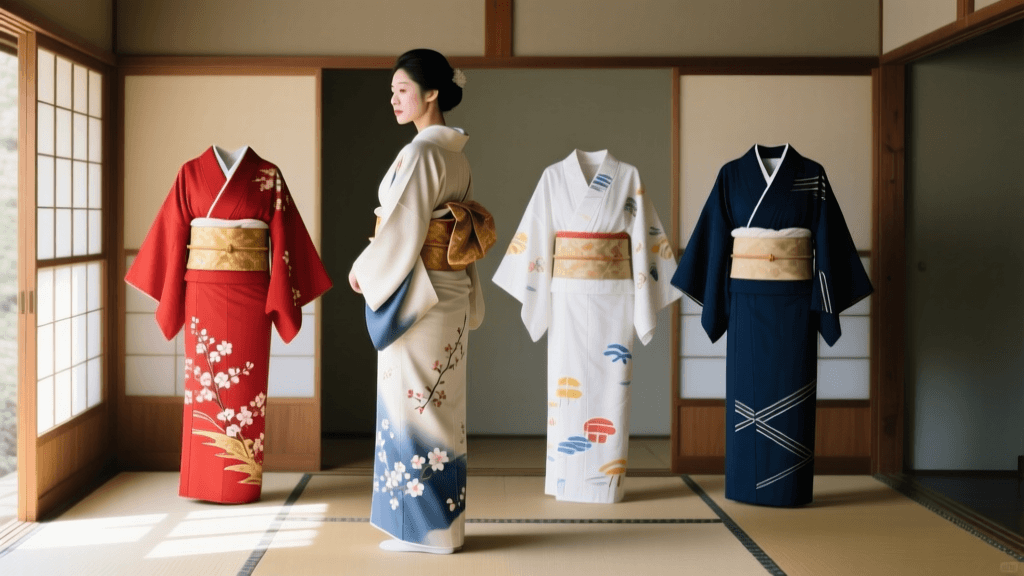
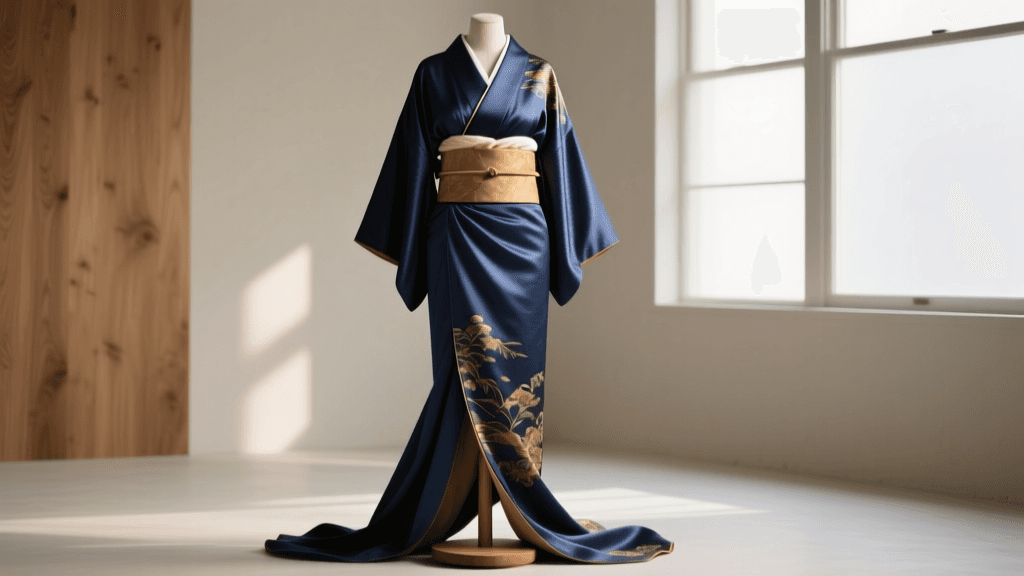
The traditional Japanese kimono is a masterpiece of textile art, representing centuries of cultural heritage, meticulous craftsmanship, and profound symbolism. However, as modern lifestyles have shifted away from daily kimono wear, countless vintage garments now sit unused in storage, or worse, end up in landfills. For the modern DIY enthusiast and sustainable fashion advocate, these vintage textiles offer an incredible opportunity. Upcycling vintage kimonos into contemporary garments and accessories not only preserves the rich history of Asian traditions but also breathes new life into exquisite silk, cotton, and wool fabrics.
The global fashion industry has taken notice of this intersection between heritage and modernity. As highlighted by the Victoria and Albert Museum's 'Kimono: Kyoto to Catwalk' exhibition, the kimono has continuously influenced global fashion, proving that its T-shaped silhouette and stunning textile patterns are endlessly adaptable. By learning how to deconstruct and repurpose these garments, you can create one-of-a-kind pieces that honor their origins while fitting seamlessly into a modern wardrobe.
Sourcing and Preparing Vintage Kimono Fabric
Before you can begin sewing, you must source and properly prepare your materials. Vintage kimonos can be found at estate sales, specialized online auction sites, thrift stores, and Japanese flea markets. When selecting a kimono for upcycling, pay close attention to the fabric composition and condition.
- Silk (Kinu): Highly prized for its drape and luster. Ideal for camisoles, wrap skirts, and lightweight jackets. Check for 'dry rot' or shattering, where the silk tears easily under slight tension.
- Cotton (Momen): Often used for yukata and everyday wear. Durable, easy to sew, and perfect for tote bags, structured tops, and home decor.
- Wool (Uru) and Synthetics: Common in mid-century kimonos. Great for heavier outerwear and winter accessories.
Preparation Steps:
- Deconstruction: Use a high-quality seam ripper to carefully undo the long, straight basting stitches that hold the kimono panels together. Avoid cutting the fabric; kimonos are constructed from straight bolts of fabric (tanmono), and preserving the full panel width is crucial for future projects.
- Cleaning: Never machine wash vintage silk. Hand wash in cold water using a pH-neutral detergent like Eucalan, or take heavily soiled garments to a dry cleaner experienced with antique textiles.
- Pressing: Iron the deconstructed panels on a low heat setting. Always use a cotton press cloth between the iron and the silk to prevent water spots and heat damage.
Essential Tools for Silk and Heavy Cotton Upcycling
Working with vintage textiles requires specialized tools to prevent snagging, fraying, and uneven tension. Equip your sewing station with the following:
- Microtex/Sharp Needles: Use size 60/8 or 70/10 for delicate silks to ensure clean punctures without damaging the fibers.
- Silk Pins: Extra-fine, long glass-head pins that slide through tight weaves without leaving permanent holes.
- Rotary Cutter and Mat: Essential for cutting slippery silk fabrics accurately without the distortion caused by fabric shears.
- Pattern Weights: Use these instead of pinning paper patterns to the fabric, which can stretch or tear fragile vintage silk.
- Walking Foot: An attachment for your sewing machine that feeds the top and bottom layers of fabric evenly, crucial when sewing slippery silk or thick vintage linings.
Top 4 DIY Kimono Upcycling Projects
Below is a comparison chart of popular upcycling projects, detailing the required resources and difficulty levels to help you choose your next endeavor.
| Project | Difficulty | Fabric Needed | Estimated Time | Best Material |
|---|---|---|---|---|
| Silk Wrap Skirt | Beginner | 2 lower panels | 3-4 Hours | Crepe Silk, Rinzu |
| Modern Haori Jacket | Intermediate | Full upper body | 8-12 Hours | Tsumugi, Chirimen |
| Patchwork Tote Bag | Beginner | Scrap panels | 4-5 Hours | Cotton, Heavy Silk |
| Bias-Cut Camisole | Advanced | 1 full panel | 5-6 Hours | Habotai, Lightweight Silk |
Project 1: The Modern Silk Wrap Skirt
The kimono's lower panels (migoro) are already long and relatively wide, making them perfect for a flowing midi wrap skirt. Simply overlap two front panels, add a wide cotton or silk ribbon for the waistband, and finish the hem with a narrow rolled hem. Because the fabric is already cut in straight lines, you minimize waste and avoid complex pattern drafting.
Project 2: The Upcycled Haori Jacket
The haori is a traditional hip- or thigh-length kimono jacket. To modernize it, remove the heavy, often-damaged vintage lining and replace it with a lightweight, breathable cupro or bemberg lining. You can also alter the wide, dangling sleeves (sode) by tapering them into a more structured, modern bishop sleeve or a sleek bell sleeve, making the jacket suitable for office wear or evening outings.
Sewing Techniques for Delicate Vintage Textiles
Vintage silk requires specialized seam finishes to prevent fraying and ensure the longevity of your new garment.
French Seams
French seams are the gold standard for sheer and lightweight silks. By sewing the seam wrong sides together first, trimming the allowance, and then sewing right sides together, you completely enclose the raw edge. This prevents fraying and provides a clean, professional finish on the inside of unlined garments.
Interfacing and Stabilization
Areas like necklines, armholes, and buttonholes require stabilization. Use a lightweight, fusible silk organza or a high-quality knit interfacing. Apply it with a low-heat iron and a press cloth to prevent the adhesive from seeping through the delicate vintage fabric and causing permanent stains.
Zero-Waste Scrap Utilization: Honoring Every Thread
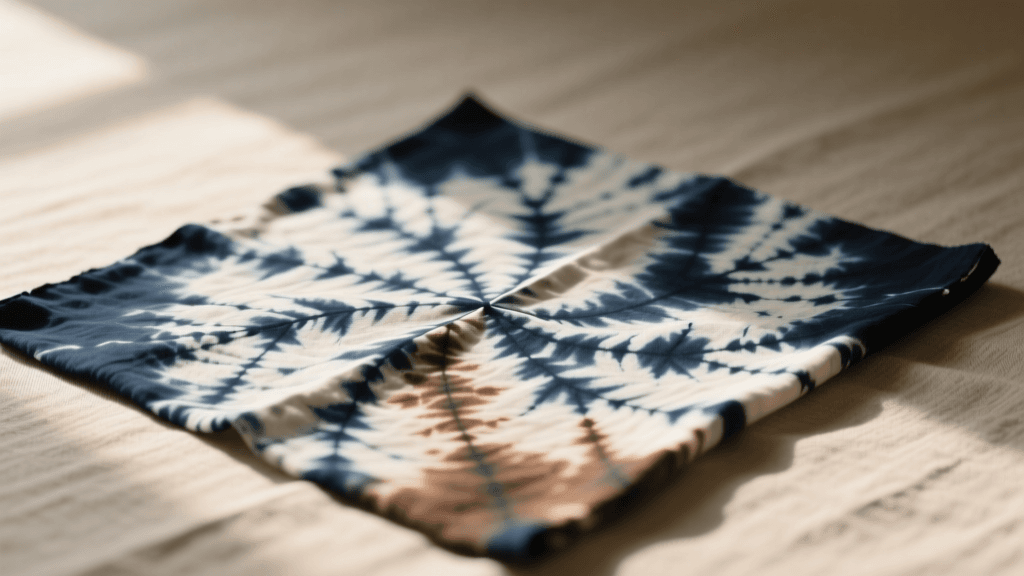
True upcycling means leaving nothing behind. The smaller scraps generated from cutting out modern patterns can be repurposed into beautiful accessories. In Japan, the art of tsumami kanzashi involves folding small squares of silk into intricate floral hairpins. You can use your kimono scraps to create these traditional hair accessories, or sew them into a vibrant silk patchwork quilt. Even the smallest strips can be braided into Kumihimo (traditional Japanese braiding) cords, perfect for bag handles, jewelry, or modern garment ties.
The Sustainability Impact of Textile Repurposing
Upcycling kimonos is more than a creative hobby; it is a vital act of environmental stewardship. The modern fashion industry is notorious for its wastefulness, but repurposing existing textiles aligns perfectly with the principles of the circular economy. According to the Ellen MacArthur Foundation's research on circular fashion, extending the life of a garment by just nine extra months reduces its carbon, water, and waste footprints by around 20-30%. By rescuing vintage silk, you are actively diverting waste from landfills and reducing the demand for new, resource-intensive textile production.
Furthermore, upcycling helps preserve the cultural memory embedded in these fabrics. Many vintage kimonos feature regional weaving techniques that are increasingly rare. For instance, preserving garments made with techniques recognized by UNESCO's Intangible Cultural Heritage list for Yuki-tsumugi silk weaving ensures that the physical manifestation of these ancestral skills remains visible and appreciated in contemporary society.
Dyeing and Color Restoration
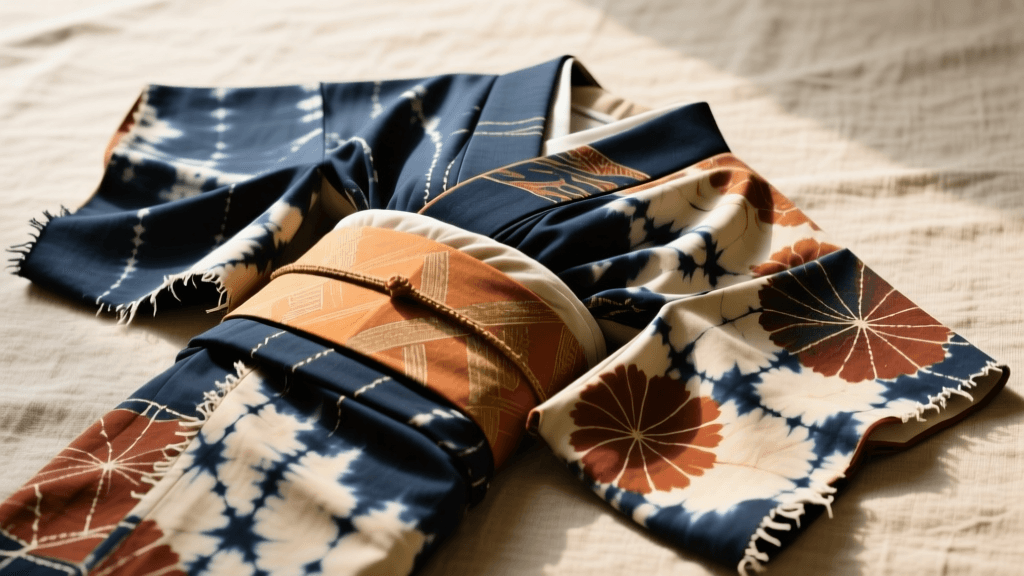
Sometimes, a vintage kimono is structurally sound but suffers from severe sun fading or stubborn stains. Instead of discarding it, consider overdyeing. Silk takes beautifully to acid dyes, such as Jacquard Acid Dyes. By submerging the deconstructed panels in a warm dye bath (around 180°F or 82°C), you can transform a faded pastel garment into a rich, jewel-toned masterpiece. Remember to use a dedicated stainless steel pot for dyeing and add a splash of white vinegar to the bath to help set the color into the protein fibers of the silk.
Conclusion
DIY kimono upcycling is a deeply rewarding practice that bridges the gap between historical Asian traditions and modern sustainable fashion. By learning to deconstruct, clean, and sew these exquisite textiles, you become a custodian of cultural heritage. Whether you are crafting a simple silk wrap skirt or an intricately lined haori jacket, every stitch honors the artisans who originally wove and dyed the fabric. Embrace the challenge of working with vintage silk, and let your wardrobe tell a story that spans generations.