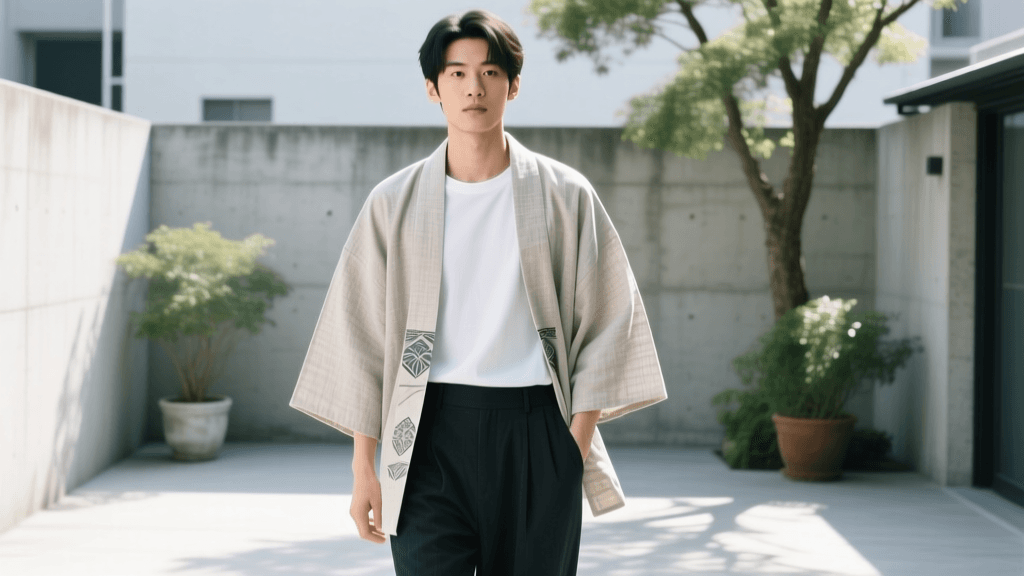
Decoding Japanese Resist Dyeing: Shibori, Yuzen, and Kasuri
The Mastery of Japanese Resist Dyeing
Japan’s textile heritage is globally revered for its meticulous craftsmanship, profound symbolism, and breathtaking aesthetics. At the heart of this tradition lies the mastery of resist dyeing—a family of techniques where specific areas of a textile are protected from dye to create intricate patterns. For collectors, vintage enthusiasts, and practitioners of traditional Japanese arts, understanding the distinctions between Shibori, Yuzen, and Kasuri is essential. These three pillars of Japanese dyeing represent vastly different methodologies, historical contexts, and visual hallmarks. According to the Metropolitan Museum of Art's Asian Art Department, the evolution of these techniques reflects centuries of trade, shifting sumptuary laws, and regional artisanal pride. In this comprehensive guide, we will decode these techniques and provide actionable advice for identifying and preserving authentic pieces.
Shibori: The Sculptural Art of Shaped Resist
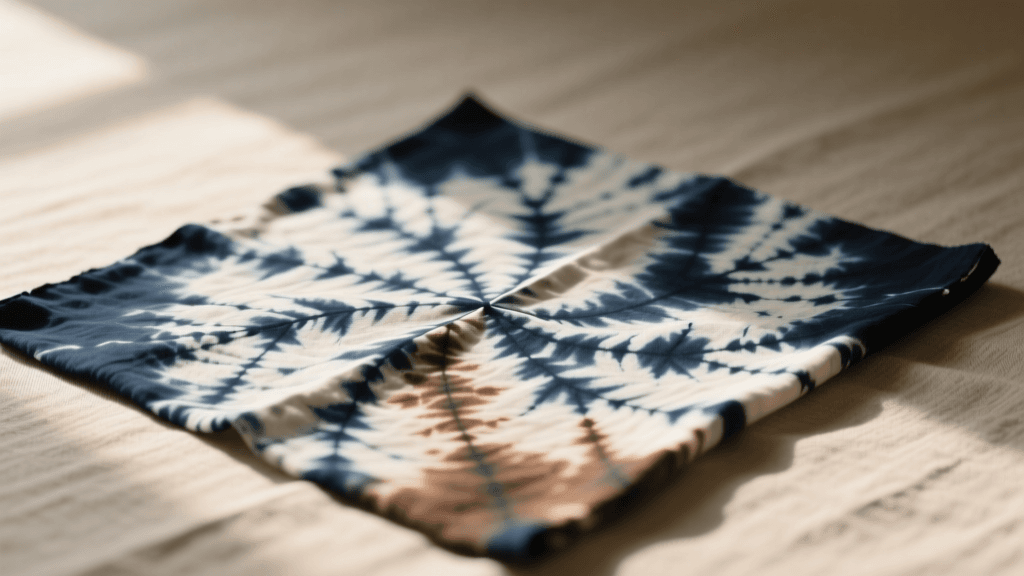
Shibori is a manual resist dyeing technique that involves shaping, binding, stitching, folding, twisting, or compressing cloth before dyeing. Unlike flat resist methods, shibori interacts with the three-dimensional nature of the fabric, resulting in organic, often geometric patterns with a distinct tactile quality. The Encyclopædia Britannica notes that while shibori shares roots with tie-dye traditions worldwide, the Japanese iteration is unparalleled in its complexity and refinement, particularly when executed in natural indigo.
Key Shibori Sub-Techniques
- Kanoko Shibori (Fawn Spot): Tiny, precise dots created by pinching the fabric and binding it tightly with thread. High-quality kanoko shibori can feature thousands of individual dots forming complex pictorial scenes.
- Miura Shibori (Looped Binding): A faster, more fluid technique where the fabric is pinched and looped with a single thread, creating soft, water-like ripple patterns.
- Arashi Shibori (Pole-Wrapping): The cloth is wrapped diagonally around a wooden or PVC pole, bound tightly, and then pushed down to compress the fabric, resulting in striking diagonal rain-like streaks.
- Itajime Shibori (Shape-Resist): The fabric is folded into a geometric grid and clamped between two carved wooden blocks, yielding repeating, hard-edged geometric patterns.
Authentication Tip for Collectors
When inspecting a vintage shibori kimono or haori, always examine the reverse side of the fabric. True hand-dyed shibori will show deep, uniform color penetration and distinct physical puckering on the reverse. Mass-produced, modern stenciled imitations (often sold to tourists) will appear flat, lack tactile texture, and the white 'resist' areas will merely be printed on the surface with no structural distortion to the silk or cotton fibers.
Yuzen: The Pinnacle of Silk Painting and Paste Resist
Originating in the late 17th century and attributed to the fan painter Miyazaki Yuzensai, Yuzen is a sophisticated resist technique that allows for the creation of highly detailed, multi-colored, and pictorial designs on silk. It bypassed the strict sumptuary laws of the Edo period, which restricted commoners from wearing luxurious woven brocades, by allowing them to wear 'painted' garments that mimicked high-end embroidery and weaving.
The Yuzen Process
Authentic tegaki (hand-painted) Yuzen is a labor-intensive process requiring multiple artisans. First, the design is sketched onto the silk using a fugitive spiderwort flower ink. Next, a waterproof rice-paste resist (itome-nori) is applied with a metal-tipped cone to outline the design. The fabric is then painted by hand with specialized brushes and natural or synthetic dyes. After dyeing, the paste is washed away in flowing water (traditionally the Kamo River in Kyoto), revealing crisp, un-dyed outlines that separate the vibrant colors.
Regional Variations: Kyo-Yuzen vs. Kaga-Yuzen
Collectors must distinguish between the two primary regional styles. Kyo-Yuzen (from Kyoto) is characterized by bold, stylized motifs, extensive use of gold leaf (surihaku), and embroidery accents. Kaga-Yuzen (from Kanazawa) favors realistic, nature-inspired motifs, utilizing a specific five-color palette (kaga gosai) and featuring deliberate 'insect-bitten' leaf details, avoiding gold leaf entirely.
Authentication Tip for Collectors
Look closely at the white outline separating the colors. In authentic paste-resist Yuzen, the white line is the bare silk, slightly raised or distinctly clean. If the design is created using kata-yuzen (stenciling), the edges will lack the slight irregularity of hand-applied paste, and the colors will often show a subtle gradient or dot matrix under a magnifying loupe.
Kasuri (Ikat): The Beauty of Blurred Threads
While Shibori and Yuzen apply resist to the woven fabric, Kasuri (the Japanese term for Ikat) applies the resist to the threads before they are woven. As noted in the Britannica overview of Ikat textiles, this pre-dyeing process requires extraordinary mathematical precision. Bundles of warp (vertical) or weft (horizontal) yarns are tightly bound with hemp or cotton thread to resist the indigo dye. When the threads are later aligned on the loom, the slight shifting of the yarns creates the signature 'blurred' or 'hazy' edges (kasuri translates roughly to 'blurred' or 'hazy').
Types of Kasuri
- Tate-Gasuri (Warp Ikat): Only the vertical threads are resist-dyed. The patterns are usually vertical stripes or simple geometric repeats.
- Yoko-Gasuri (Weft Ikat): Only the horizontal threads are dyed. This allows for wider, more horizontal pictorial motifs.
- Tate-Yoko-Gasuri (Double Ikat): Both warp and weft threads are resist-dyed. This is the most difficult technique, requiring perfect loom tension to align the blurred intersections, resulting in sharp, complex geometric or pictorial patterns.
Authentication Tip for Collectors
Examine the intersection of the yarns under a magnifying glass. In true kasuri, the 'blurring' occurs because the dyed and undyed sections of the individual threads are slightly misaligned. If the fabric is perfectly crisp, or if the pattern is printed over a uniformly woven, undyed fabric, it is a modern printed fake. True vintage kasuri, especially from renowned regions like Kurume or Bingo, will feel substantial and show slight irregularities in the thread alignment.
Comparative Guide: Shibori vs. Yuzen vs. Kasuri
| Feature | Shibori | Yuzen | Kasuri (Ikat) |
|---|---|---|---|
| Resist Application | Applied to woven fabric (binding/folding) | Applied to woven fabric (rice paste) | Applied to loose threads before weaving |
| Primary Base Material | Silk, Cotton, Hemp | Primarily Silk (sometimes fine cotton) | Primarily Cotton, occasionally Silk |
| Visual Hallmarks | 3D puckering, organic shapes, monochromatic | Crisp white outlines, vibrant multi-color, pictorial | Blurred/hazy edges, woven geometric motifs |
| Common Garments | Yukata, Haori, Juban, Kimono | Formal Kimono (Tomesode, Furisode, Houmongi) | Everyday Kimono, Workwear, Futon covers |
| Collector Value Driver | Complexity of binding (e.g., fine Kanoko) | Artistry of painting and regional pedigree | Precision of double-ikat alignment and age |
Practical Care and Preservation for Collectors
Acquiring authentic vintage Japanese textiles is only half the journey; preserving them requires strict environmental controls and traditional storage methods. Protein-based fibers like silk (used heavily in Yuzen and Shibori) are highly susceptible to light damage, moisture, and pests.
Actionable Preservation Steps
- Never Wash Vintage Silk: Water will cause the rice paste resist remnants in Yuzen to reactivate or bleed, and it will ruin the structural puckering of Shibori. Spot clean only with specialized conservation sponges, or consult a professional textile conservator.
- Use Tatou-Shi (Storage Paper): Wrap your garments in acid-free, unbuffered tissue paper or traditional Japanese tatou-shi. Never use plastic bags, which trap moisture and promote mold growth.
- Roll, Don't Fold: Whenever possible, roll heavy Kasuri cottons and delicate Yuzen silks around acid-free cardboard tubes to prevent permanent creasing and fiber breakage along the fold lines.
- Pest Deterrence: Use natural camphor or specialized archival pest traps. Avoid commercial mothballs containing naphthalene, as the chemical fumes can react with natural indigo and metallic threads, causing irreversible discoloration.
Sourcing Authentic Pieces
For collectors looking to acquire genuine Shibori, Yuzen, or Kasuri, provenance and physical inspection are key. In Japan, the Oedo Antique Market in Tokyo and the Tenjin-san Flea Market in Kyoto are premier destinations for early-to-mid 20th-century textiles. When buying online through auction houses or specialized dealers, always request high-resolution macro photography of the reverse side of the fabric and the thread intersections. By mastering the visual and tactile cues of these three distinct dyeing arts, collectors can build a wardrobe or archive that truly honors the genius of Japanese textile artisans.