The Modern Haori: Styling Japanese Outerwear for Casual Everyday Wear
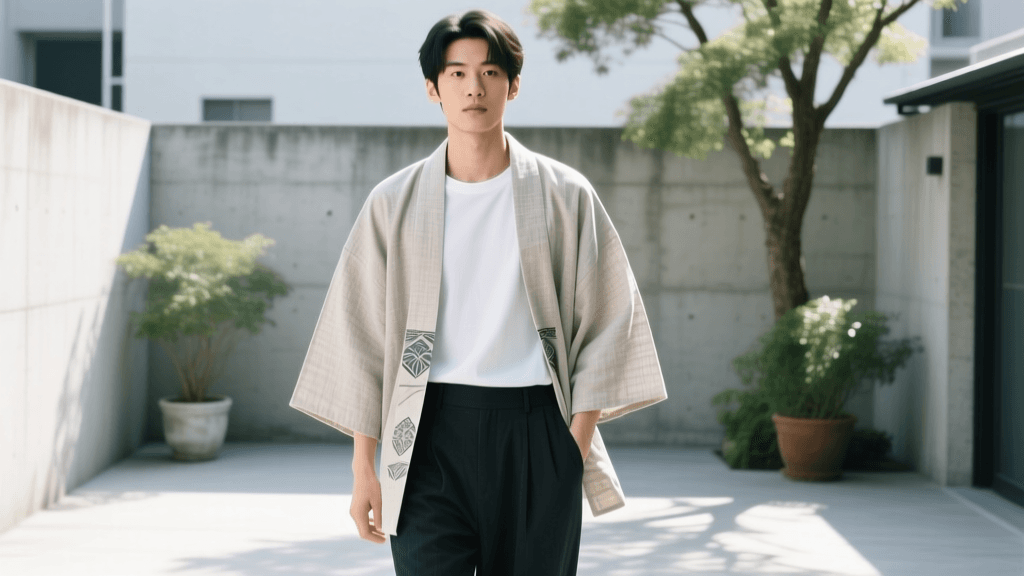
The traditional Japanese wardrobe is globally celebrated for its elegance, structural beauty, and deep cultural roots. While the full kimono ensemble is often reserved for formal ceremonies, festivals, or specialized tourism experiences, there is one garment that effortlessly bridges the gap between historical tradition and modern, everyday casual wear: the haori. Originally worn by samurai and later adopted by the merchant classes, the haori has evolved into a versatile outerwear piece that can elevate a contemporary wardrobe without requiring specialized dressing skills.
In this comprehensive guide, we explore how to integrate the traditional Japanese haori into your everyday casual wear, covering everything from historical context and precise sizing to styling tips, footwear pairings, and cost expectations.
The Historical Evolution of the Haori
The haori is a traditional Japanese hip- or thigh-length jacket, worn open over a kimono. Historically, its origins trace back to the Muromachi period (1336–1573), where it was initially utilized by samurai as a practical layer for warmth and protection against the elements while riding horses. According to The Metropolitan Museum of Art, the layered nature of Japanese dress allowed for outer garments to serve both functional and highly decorative purposes, signaling the wearer's status and wealth through intricate textile techniques like shibori (tie-dye) and yuzen (resist dyeing).
By the Edo period (1603–1867), sumptuary laws restricted the lower classes from wearing overtly luxurious clothing. In response, wealthy merchants began wearing plain, dark-colored haori on the outside, while lining them with outrageously vibrant, hand-painted silk linings—a rebellious display of hidden wealth known as "iki" (chic). Today, this rich history of subtle exterior and expressive interior makes the haori an incredibly dynamic piece for modern fashion enthusiasts. As highlighted by the Victoria and Albert Museum in their landmark exhibition on Japanese dress, the adaptability of these garments has allowed them to transcend their original contexts and influence global fashion silhouettes.
Anatomy and Fabrics: Choosing Your Everyday Haori
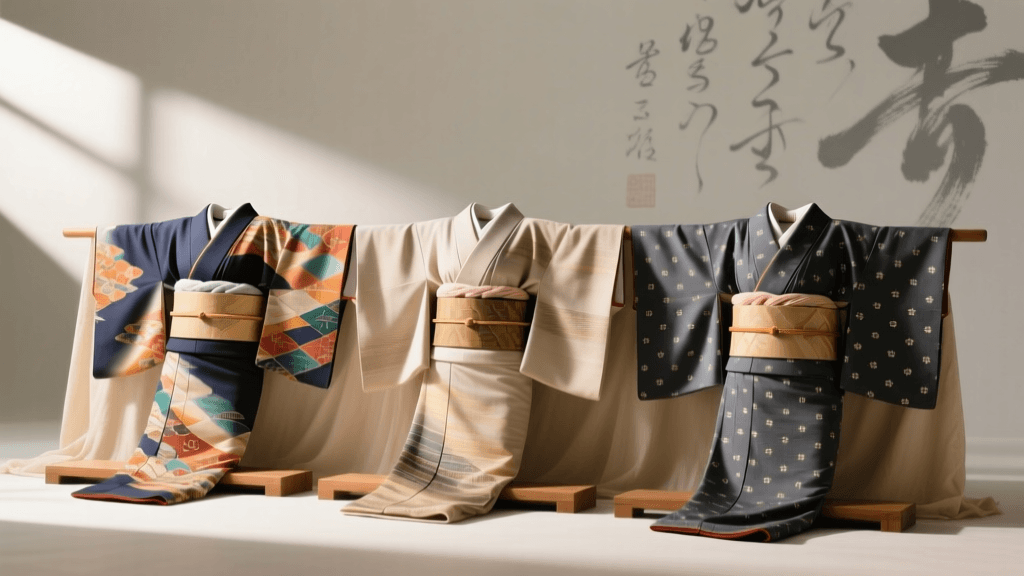
When shopping for a haori to wear casually, the fabric dictates its seasonality, drape, and care requirements. Unlike the highly structured formal silk kimono, everyday haori are crafted from a variety of accessible materials.
Common Fabrics for Casual Wear
- Cotton (Momen): Breathable, easy to wash, and perfect for spring and autumn. Cotton haori often feature indigo dye (aizome) or traditional kasuri (ikat) patterns, making them ideal for pairing with denim.
- Linen (Asa): Highly breathable and lightweight, linen haori are the ultimate summer layering piece. They have a slightly stiff drape that provides a structured, modern silhouette.
- Silk (Kinu): While traditionally formal, vintage silk haori (especially those with tsumugi or pongee weaves) have a rustic texture that dresses down beautifully. Silk requires dry cleaning and careful storage.
- Polyester and Blends: Modern interpretations often use synthetic blends for machine-washability and affordability, making them excellent for daily commuters and travelers.
Sizing and Measurements: Finding the Perfect Fit
One of the greatest advantages of the haori is its forgiving, straight-line construction. Because it lacks darts, shoulder seams, and tailored waists, it drapes naturally over various body types. However, understanding traditional Japanese measurements is crucial when buying vintage or custom pieces.
Key Measurements
- Yuki (Sleeve Span): Measured from the center back of the neck, across the shoulder, and down to the wrist. For a comfortable casual fit over modern clothing, ensure the yuki is at least 60-65 cm (24-26 inches) for women, and 70-75 cm (28-30 inches) for men.
- Mitake (Back Length): Measured from the base of the collar down the center back. Casual haori typically range from 75 cm to 90 cm (30 to 35 inches), hitting around the mid-thigh. Cropped haori (around 60 cm) are also popular for high-waisted trousers.
- Sode (Sleeve Length): The vertical drop of the sleeve. Casual and everyday haori usually have shorter sleeves (around 45-50 cm) compared to the deep, sweeping sleeves of a furisode, preventing them from dragging on desks or catching on objects during daily activities.
Cost Guide: What to Expect When Buying
Whether you are browsing thrift stores in Tokyo's Shimokitazawa district or ordering from specialized online retailers, prices vary wildly based on age, material, and craftsmanship.
- Vintage Silk Haori (Secondhand): $30 – $80 USD. Japan's thriving vintage market offers incredible value for hand-painted, mid-century silk garments. Look for reputable sellers on Etsy or specialized vintage kimono export sites.
- New Cotton/Linen Haori (Artisan Made): $120 – $250 USD. Brands focusing on traditional regional crafts, such as Kurume kasuri or Okinawan bingata, charge a premium for authentic, ethically made textiles.
- Modern Fast-Fashion Interpretations: $40 – $90 USD. Retailers occasionally release modern "kimono cardigans" inspired by the haori, utilizing contemporary fabrics for mass-market appeal and easy care.
Everyday Styling: How to Wear a Haori Casually
The Japan National Tourism Organization frequently highlights the blending of old and new in Japanese street fashion. To achieve this look, you must contrast the traditional volume of the haori with modern, fitted, or structured basics.
Outfit Formulas for Men and Women
- The Denim Contrast: Pair a dark indigo cotton haori with a crisp white t-shirt, slim-fit raw denim jeans, and leather boots. The ruggedness of the denim complements the traditional kasuri patterns of the jacket.
- Office-Appropriate Elegance: Wear a solid-colored silk or polyester haori over a turtleneck sweater and tailored wide-leg trousers. The haori acts as a sophisticated alternative to a standard blazer, offering movement and comfort.
- Summer Bohemian: Layer a sheer, lightweight linen haori over a slip dress or a tank top and linen shorts. Leave the haori completely unfastened to allow the fabric to billow slightly in the wind.
Footwear Pairings
While traditional tabi boots and zori sandals are beautiful, they are not always practical for a modern commute. For everyday wear, pair your haori with minimalist white sneakers, Chelsea boots, or classic loafers. The contrast between historical outerwear and contemporary footwear grounds the outfit, ensuring you look fashion-forward rather than like you are wearing a costume.
To Tie or Not to Tie?
Traditionally, a haori is worn open or secured at the front using a braided cord called a haori himo. For everyday casual wear, leaving it completely open is the most modern and relaxed approach. If you prefer a cinched waist, avoid the traditional himo and instead use a simple leather belt worn under the haori to secure your base layers, or tie a thin silk scarf around the front panels for a contemporary bohemian knot.
Comparison Chart: Haori vs. Hanten vs. Kimono Cardigan
When shopping for Japanese-inspired outerwear, it is easy to confuse the haori with similar garments. Use this table to ensure you are purchasing the correct piece for your wardrobe.
| Garment Type | Primary Use | Structure & Collar | Best For Casual Styling |
|---|---|---|---|
| Haori | Historical outerwear, formal/casual layer | Wide lapels (eri), straight cut, side slits | Smart-casual, office, evening outings |
| Hanten | Winter loungewear, indoor warmth | Thick padded cotton, narrow collar, boxy | Cozy weekends, loungewear, rustic winter looks |
| Kimono Cardigan | Modern western adaptation | Often features darts, buttons, or modern collars | Everyday western office wear, simple layering |
| Michiyuki | Overcoat for outdoor kimono wear | Square neckline, hidden snap closures | Minimalist fashion, avant-garde streetwear |
Care and Maintenance for Daily Use
To ensure your haori survives the rigors of everyday wear, proper care is essential.
- Airing Out: After wearing, hang your haori on a wide, padded hanger in a well-ventilated area away from direct sunlight to prevent odors and moisture buildup.
- Spot Cleaning: For cotton and linen, use a damp cloth with mild detergent to spot-clean collars and cuffs, which absorb the most body oils.
- Humidity Control: Silk is highly susceptible to mold in humid environments. If you live in a damp climate, store your silk haori with silica gel desiccant packets and avoid keeping them in plastic bags, which trap moisture.
- Storage: Never store silk haori on wire hangers, as they will distort the shoulder seams. Fold them using the traditional Japanese method and store them in acid-free tissue paper inside a cedar chest or breathable cotton bag to protect against humidity and moths.
Conclusion
The haori is a testament to the enduring versatility of Japanese traditional clothing. By understanding its history, selecting the right fabric for your climate, and mastering modern styling techniques, you can seamlessly integrate this beautiful garment into your daily life. Whether you are draping a vintage silk piece over an evening dress or throwing a cotton kasuri jacket over your favorite jeans, the haori offers a unique blend of comfort, history, and effortless style that transcends seasons and global fashion trends.