Collecting Vintage Kimono: Sourcing and Authentication
The Allure of Antique and Vintage Kimono
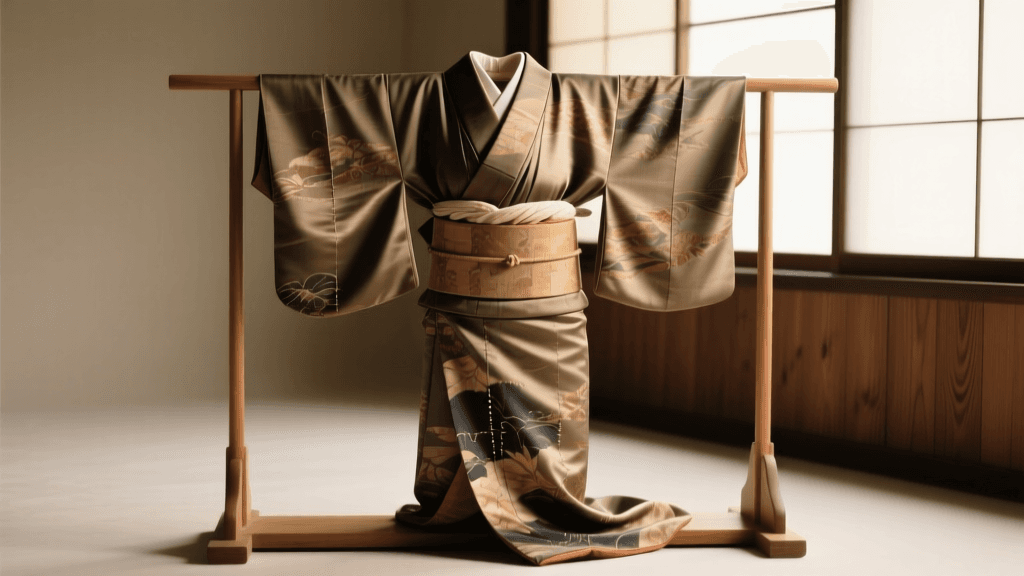
The world of traditional Japanese garments offers a profound intersection of textile art, cultural history, and sartorial elegance. For collectors, the pursuit of vintage and antique kimono is not merely about acquiring clothing; it is about preserving tangible pieces of Japanese history. While modern kimono are exquisite, antique pieces (generally defined as pre-1920s) and vintage pieces (1920s to 1980s) possess a unique patina, historical weaving techniques, and dyeing methods that are rarely replicated today. According to the Metropolitan Museum of Art's Heilbrunn Timeline of Art History, the evolution of the kimono reflects broader shifts in Japanese society, from the isolationist Edo period to the rapid modernization of the Meiji and Taisho eras. Understanding these shifts is the first step in building a meaningful and valuable collection.
Decoding the Eras: Meiji, Taisho, and Early Showa
To collect intelligently, one must be able to date garments based on their aesthetic and structural hallmarks. The late 19th and early 20th centuries were periods of immense cultural transition in Japan, and the textiles of these eras tell a vivid story.
The Meiji Era (1868–1912)
Meiji-era kimono are characterized by their subtlety and exceptional craftsmanship. Following the opening of Japan to the West, there was a surge in national pride, which translated into highly refined traditional arts. Meiji textiles often feature subdued, natural dye palettes and intricate yuzen (resist-dyeing) techniques. The silk used, particularly chirimen (silk crepe), is notably heavy and durable. Collectors prize Meiji pieces for their hidden luxury—patterns were often concentrated on the lower hem and sleeves, peeking out modestly from beneath outer layers.
The Taisho Era (1912–1926)
The Taisho period is the golden age for many vintage collectors. Influenced by Western Art Deco, Art Nouveau, and the liberal "Taisho Roman" cultural movement, textiles from this era are bold, vibrant, and highly graphic. This era also saw the mass production and popularization of Meisen silk—a sturdy, ikat-woven fabric that made fashionable kimono accessible to the middle class. Taisho Meisen kimono, featuring striking geometric or large floral motifs, are currently among the most sought-after pieces in the global vintage market.
Early Showa Era (1926–1945)
Early Showa garments bridge the gap between the exuberance of the Taisho era and the austerity of World War II. Pre-war Showa kimono often feature modernist, abstract designs and the introduction of synthetic dyes, which allowed for unprecedented colorfastness and brightness. As the 1930s progressed and Japan entered wartime, textile rationing led to simpler designs, the use of cotton or synthetic blends, and a distinct shift toward utilitarian aesthetics.
Era Comparison and Market Valuation
Understanding the market value of these eras helps collectors budget effectively. Prices vary wildly based on condition, provenance, and weave complexity, but the following table provides a baseline for standard collector-grade pieces in the current market.
| Era | Years | Key Characteristics | Avg. Collector Price (USD) |
|---|---|---|---|
| Meiji | 1868–1912 | Subdued palettes, intricate Yuzen dyeing, heavy crepe silk (chirimen). | $150 - $600 |
| Taisho | 1912–1926 | Bold Art Deco motifs, Taisho Roman aesthetic, rise of Meisen silk. | $100 - $450 |
| Early Showa | 1926–1945 | Modernist geometry, wartime austerity, synthetic blends post-1930s. | $80 - $300 |
Understanding Fabric Types: Chirimen, Rinzu, and Tsumugi
Beyond the era, the fabric type dictates both the value and the preservation needs of the garment. Institutions like the Kyoto National Museum house extensive archives that highlight the regional diversity of Japanese weaving.
- Chirimen (Silk Crepe): Known for its pebbled texture and excellent drape. It is highly susceptible to water spotting and shrinkage, making dry cleaning a risky endeavor. Antique chirimen requires careful, climate-controlled storage.
- Rinzu (Satin Weave): A glossy, damask-like silk where the pattern is woven into the fabric rather than dyed. It is incredibly delicate and prone to "silk shattering" (dry rot) if subjected to friction or improper folding.
- Tsumugi (Pongee): Woven from spun silk noils, giving it a rustic, matte, and slightly nubby texture. Oshima Tsumugi, a mud-dyed kasuri (ikat) weave from Amami Oshima, is considered the pinnacle of tsumugi weaving and commands premium prices among serious collectors.
- Meisen: A solution-dyed, ikat-woven silk that is remarkably durable. Because the threads are dyed before weaving, Meisen does not have a "wrong" side, making it a favorite for upcycling into modern jackets or quilts.
Sourcing Strategies: From Kyoto Flea Markets to Digital Auctions
Building a collection requires knowing where to look. While local antique shops in Western countries offer convenience, they often carry a massive markup. The most dedicated collectors source directly from Japan.
Physical Markets in Japan
If you are traveling, the Japan National Tourism Organization highlights numerous cultural markets across the country. For kimono collectors, the Toji Temple Kobo-san Flea Market in Kyoto (held on the 21st of each month) and the Oedo Antique Market at the Tokyo International Forum (held on the 1st and 3rd Sundays) are essential destinations. Arriving at dawn is crucial; professional dealers and serious collectors pick over the best silk bolts and antique haori within the first hour.
Digital Sourcing and Proxy Services
For those unable to travel, Japanese digital marketplaces are a goldmine. Yahoo! Auctions Japan and Rakuten host thousands of listings daily. Because most sellers do not ship internationally or accept foreign credit cards, collectors utilize proxy buying services like Buyee, ZenMarket, or FromJapan. When searching these platforms, using the correct Japanese terminology is vital:
- 銘仙 (Meisen): For Taisho/Showa era ikat-woven silk.
- 大島紬 (Oshima Tsumugi): For mud-dyed, intricately woven kasuri silk.
- アンティーク (Antique): Katakana for antique, frequently used by Japanese sellers for pre-WWII garments.
- 解き洗い張り (Toiaraihari): Indicates the kimono has been professionally unstitched, washed, and re-bolted into its original flat fabric state (tanmono), which is ideal for collectors wanting pristine, unworn textile.
Crucial Measurements for the Vintage Collector
One of the most common pitfalls for novice collectors is assuming vintage kimono will fit modern bodies. Historically, Japanese women were shorter, and kimono were tailored to individual measurements rather than standard sizes. When buying for wearability rather than pure textile display, you must check two primary measurements:
- Yuki (Sleeve Span): Measured from the center back of the neck, across the shoulder, and down to the wrist. Vintage average is 120cm–125cm. Modern standard is 130cm+. A vintage yuki will often feel like a three-quarter sleeve on a tall Western wearer.
- Mitake (Length): Measured from the shoulder seam to the hem. Vintage average is 150cm–155cm. Modern standard is 160cm+. Because kimono are worn folded at the waist (the ohashori), a vintage length may not provide enough fabric to create the traditional fold on a taller person.
- Sode-guchi (Sleeve Opening): Often narrower in antique pieces, measuring around 20cm–22cm, which can restrict modern layering.
Authentication and Condition Assessment
Condition is the primary driver of value in antique textiles. When evaluating a piece, whether in person or via high-resolution photos online, you must look for specific red flags.
"A collector must balance the desire for pristine condition with the reality that a 100-year-old silk garment has lived a life. Minor flaws are historical records; structural failures are dealbreakers."
Silk Shattering (Dry Rot): This is the most fatal flaw. It occurs when silk fibers degrade due to metallic salts used in historical black or dark brown dyes. Gently pinch the fabric; if it feels crisp, brittle, or makes a crackling sound, the silk is shattering. It cannot be repaired and will eventually disintegrate.
Odors: Vintage kimono often carry the scent of camphor (used as a moth deterrent) or incense. While camphor can be aired out over several weeks, the smell of cigarette smoke or deep mildew is nearly impossible to remove from porous silk without professional, costly ozone treatments.
Stains and Discoloration: Look closely at the collar and the lower hem. Yellowing on white silk collars is common and can sometimes be replaced. However, dark, localized spots on the hem may indicate water damage or mold, which can spread to other garments in your collection.
Preservation: Storing Your Silk Investment
Proper storage is non-negotiable for antique textiles. The traditional Japanese method of preservation remains the gold standard for modern collectors.
- Tatou (Wrapping Paper): Never store raw silk in plastic, which traps moisture and encourages mold. Wrap each kimono or haori in tatou—specialty acid-free Japanese paper (washi) that allows the fabric to breathe while protecting it from dust and light.
- Kiribako (Paulownia Boxes): Paulownia wood is naturally resistant to insects, moisture, and fire. Storing your wrapped garments in a paulownia box creates a micro-climate that buffers against rapid humidity changes.
- Climate Control: Silk thrives in stable environments. Aim for a relative humidity of around 50% and a temperature of 65°F (18°C). Avoid attics, basements, or exterior walls where temperature fluctuations are extreme.
- Refolding: To prevent permanent crease lines and fiber stress, remove your garments from storage twice a year (traditionally in spring and autumn) to air them out and refold them along different lines.
Building a Focused Collection
The most respected collections are not merely accumulations of pretty fabrics; they are curated narratives. As you gain experience, consider narrowing your focus. You might choose to specialize exclusively in Taisho-era Meisen haori, which offer a vibrant cross-section of 1920s pop culture. Alternatively, you might focus on regional weaves, such as the intricate indigo-dyed cottons of rural Japan or the aristocratic Nishijin-ori brocades of Kyoto. By combining historical knowledge, careful sourcing, and meticulous preservation, you become more than a consumer—you become a custodian of Asian textile heritage, ensuring these masterpieces survive for another century.