Decoding Japanese Kimono Motifs and Seasonal Color Symbolism
The Language of Silk: Understanding Kimono Symbolism
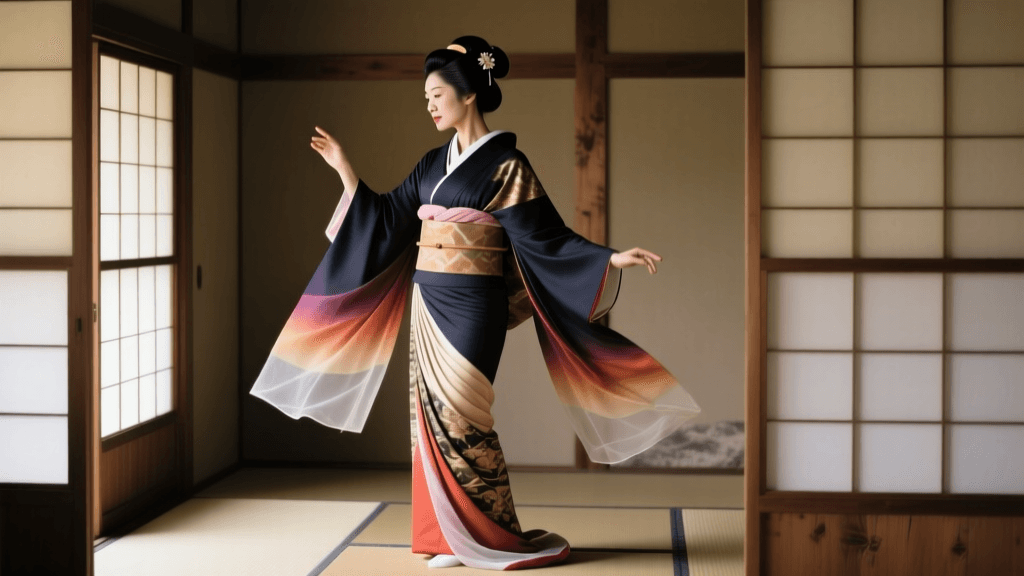
The traditional Japanese kimono is far more than a mere garment; it is a wearable canvas that communicates the wearer's age, marital status, social standing, and, perhaps most poetically, their deep connection to the natural world. In Japanese culture, the changing of the seasons is revered, and this reverence is intricately woven into the textiles of traditional dress. According to the Victoria and Albert Museum, the kimono has historically served as a vital medium for artistic expression, where every motif, color palette, and fabric choice carries profound symbolic weight.
For modern enthusiasts, collectors, and practitioners of traditional Japanese arts, understanding pattern color and motif symbolism is essential. Wearing a winter pine motif in the height of summer, or sporting vibrant cherry blossoms after they have already fallen, is considered a sartorial faux pas. This guide will decode the complex language of kimono motifs, provide actionable advice on sourcing and sizing vintage pieces, and help you curate a culturally authentic wardrobe.
Seasonal Motifs: Wearing the Time of Year
Japanese kimono motifs are strictly governed by the calendar. The golden rule of kimono styling is sakizuke—the practice of wearing a seasonal motif slightly before the season or event actually peaks, anticipating its arrival rather than documenting its passing. Once the season has peaked or the flowers have fallen, wearing that motif is considered out of touch with nature's transient beauty (mono no aware).
Spring (Haru)
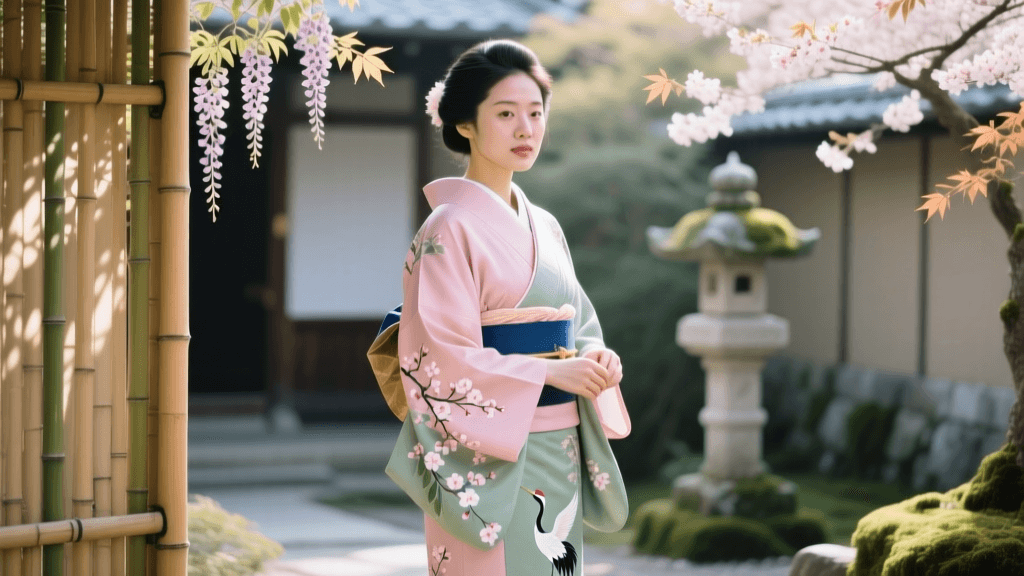
- Motifs: Cherry blossoms (sakura), wisteria (fuji), peonies (botan), and butterflies.
- Timing: Wear sakura motifs from late February through mid-March. Once the actual cherry blossoms begin falling in early April, switch to motifs like weeping willows or falling petals.
- Colors: Pale pinks, soft yellows, and vibrant spring greens.
Summer (Natsu)
- Motifs: Water ripples (seigaiha), morning glory (asagao), fireflies, goldfish, and fans.
- Timing: Water and cooling motifs are introduced in May to visually 'cool' the wearer and observer before the humid Japanese summer sets in. Fireflies are worn in June.
- Colors: Cool blues, indigos, crisp whites, and translucent lavenders. Summer garments often transition to lightweight, unlined cotton yukata or sheer silk ro and sha weaves.
Autumn (Aki)
- Motifs: Maple leaves (momiji), chrysanthemums (kiku), bellflowers (kikyo), and pampas grass (susuki).
- Timing: Chrysanthemums, being the imperial flower, can technically be worn year-round, but autumnal maple leaves are strictly worn from September to November.
- Colors: Deep crimsons, burnt oranges, mustard yellows, and rich browns.
Winter (Fuyu)
- Motifs: Pine (matsu), bamboo (take), plum blossoms (ume), snowflakes (yukiwa), and camellias (tsubaki).
- Timing: Plum blossoms, which bloom in the cold, are worn in January and February. Snow motifs are worn in December and January.
- Colors: Stark whites, deep navy blues, and rich evergreens.
The Psychology and Protocol of Kimono Colors
Color symbolism in Japanese textiles traces its roots back to the Heian period (794–1185) and the concept of kasane no irome—the art of layering colors to evoke seasonal feelings. As highlighted by the Kyoto Costume Museum, the subtle flash of a contrasting lining color at the hem or sleeve opening was historically used to convey refined elegance and seasonal awareness.
| Color | Symbolism & Meaning | Best Season | Styling Advice & Pairings |
|---|---|---|---|
| Crimson Red | Youth, vitality, protection from evil spirits. | Winter / New Year | Ideal for young, unmarried women (furisode). Pair with gold or white obi. |
| Indigo Blue | Calmness, purity, and everyday resilience. | Summer / Year-round | Perfect for casual yukata or everyday komon. Pair with contrasting yellow or orange cords. |
| Purple | Nobility, spirituality, and high rank. | Spring / Autumn | Highly versatile for formal houmongi. Pair with silver or subtle floral obi. |
| Matcha Green | Harmony, nature, and new beginnings. | Spring | Excellent for tea ceremony attire. Pair with earth-toned brown or cream accessories. |
| Black | Formality, mourning, or ultimate elegance. | Winter / Formal Events | Used for kurotomesode (married women's formal wear). Must feature family crests (kamon). |
Actionable Guide: Sourcing and Styling Motif-Specific Kimono
Building a collection of motif-specific kimono requires an understanding of vintage markets, garment measurements, and budgeting. The Metropolitan Museum of Art's exhibition on Kimono Style showcased how historical garments were tailored to the individual, but modern buyers of vintage pieces must navigate standard sizing constraints.
Understanding Vintage Measurements
Unlike Western clothing, kimono are measured flat. When shopping online or in person, you must know three critical measurements:
- Yuki (Sleeve Length): Measured from the center back of the neck to the wrist. Actionable tip: Most vintage kimono from the mid-20th century have a yuki of 62–64 cm, which is often too short for modern or Western wearers. Look for modern vintage pieces with a yuki of 66–68 cm.
- Mihaba (Panel Width): The width of the fabric panels. Vintage mihaba is typically 34 cm. If you have a larger frame, actively search for hirohaba (wide-panel) kimono, which measure 38–40 cm across.
- Mitake (Back Length): Measured from the base of the neck to the hem. It should ideally match your height from the neck down to the ankle.
Where to Buy and What to Spend
Acquiring high-quality silk garments with accurate seasonal motifs does not require a fortune if you know where to look.
- Kyoto Flea Markets: The Toji Temple Kobo-san market (held on the 21st of every month) is a goldmine. Expect to pay ¥3,000 to ¥8,000 ($20–$55 USD) for everyday patterned komon kimono, and ¥15,000+ ($100+ USD) for formal tsukesage or houmongi with auspicious motifs.
- Online Vintage Retailers: Sites like Yamatoku or Chicago Kimono offer curated selections. A vintage silk furisode (long-sleeved kimono for unmarried women) featuring elaborate seasonal motifs like cranes and pines will typically cost between $150 and $400 USD.
- Obi and Accessories: Do not neglect the obi (sash). A vintage brocade fukuro obi with complementary seasonal motifs will cost $40–$120 USD. Ensure your obi motifs do not clash with the kimono; if the kimono is heavily patterned, choose an obi with a subtle, solid, or geometric design.
Pro-Tip for Ceremonial Wear: When attending a wedding or tea ceremony, avoid wearing the exact same motif as the host or the bride. For example, if the bride's garment features prominent cranes (tsuru), opt for a kimono with subtle pine and plum motifs to show respect without overshadowing the guest of honor.
Auspicious Motifs for Ceremonial and Formal Wear
While seasonal motifs dictate everyday and semi-formal wear, auspicious motifs (kissho) transcend the calendar and are worn for weddings, coming-of-age ceremonies, and New Year celebrations.
- Shochikubai (Pine, Bamboo, and Plum): The ultimate trio of resilience. Pine represents longevity, bamboo represents flexibility and strength, and plum represents perseverance through hardship. This motif is appropriate year-round for joyous occasions.
- Tsuru (Crane): Symbolizing longevity and fidelity, as cranes are believed to live for a thousand years and mate for life. Highly prevalent on bridal uchikake and formal kurotomesode.
- Kame (Turtle): Often paired with the crane (tsurukame), the turtle represents a long, stable life spanning ten thousand years.
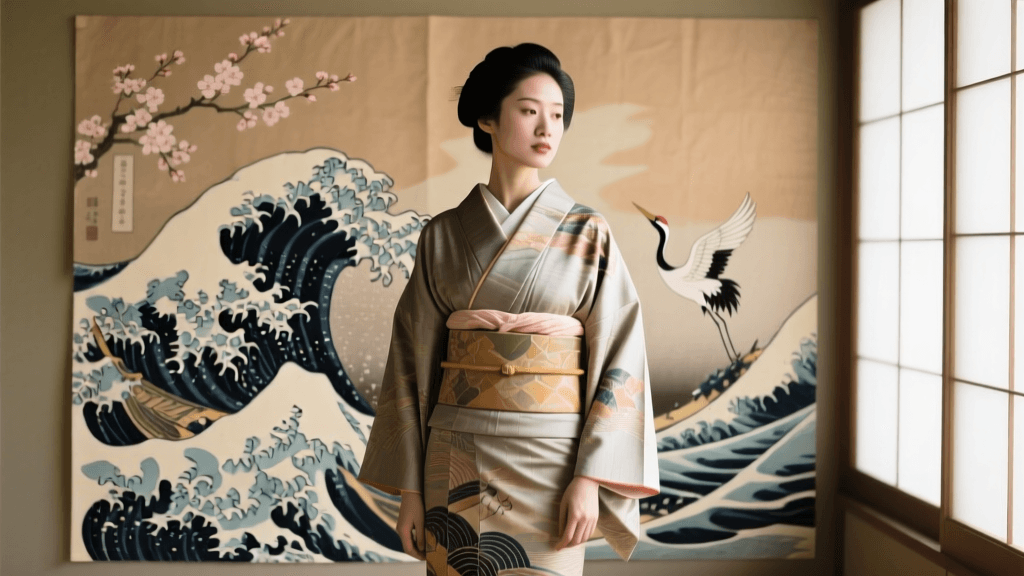
- Seigaiha (Blue Ocean Waves): While technically a geometric pattern, the overlapping circles represent calm seas and peaceful, continuous good fortune. It is an excellent, versatile background motif for formal wear.
Conclusion
Mastering the pattern color and motif symbolism of the Japanese kimono transforms the act of dressing into a profound dialogue with nature and history. By adhering to the rules of sakizuke, understanding the psychological weight of color layering, and carefully sourcing garments that fit your specific measurements, you honor the artisans who wove these stories into silk. Whether you are stepping into a summer festival in a crisp, water-motif yukata or attending a winter ceremony wrapped in the resilient symbolism of pine and plum, the kimono allows you to wear the poetry of the seasons.