Izumo No Okuni: The Iconic Kabuki Founder's Kimono Legacy
The Rebel Who Rewrote Edo-Period Fashion
In the early 17th century, the dry riverbeds of Kyoto's Kamo River became the stage for a cultural revolution that would forever alter the trajectory of Japanese textiles and fashion. At the center of this storm was Izumo no Okuni, a former Shinto shrine maiden who began performing a new, avant-garde style of dance and theater around 1603. Okuni was not merely an entertainer; she was a historical fashion icon whose daring sartorial choices birthed the theatrical tradition of Kabuki and shattered the rigid sumptuary laws of the era.
During the transition from the Azuchi-Momoyama to the Edo period, Japanese society was becoming increasingly stratified. Clothing was heavily regulated to reflect one's social class. Okuni, however, embraced the persona of the kabuki-mono—the eccentric, avant-garde rebels who flouted societal norms through flamboyant dress. By cross-dressing and wearing the opulent, asymmetrical garments typically reserved for high-ranking samurai and wealthy merchants, Okuni turned her body into a canvas of defiance. According to the Encyclopedia Britannica, her performances were so wildly popular that they spawned an entire theatrical genre, though the shogunate eventually banned women from the stage in 1629, fearing the subversive nature of their fashion and influence.
Deconstructing the Okuni Silhouette
To understand Okuni's fashion legacy, one must look past the elaborate, heavy costumes of modern Kabuki and examine the foundational garments of the early 1600s. Okuni's silhouette was characterized by bold layering, striking contrasts, and a deliberate blurring of gendered dress codes.
The Core Garments
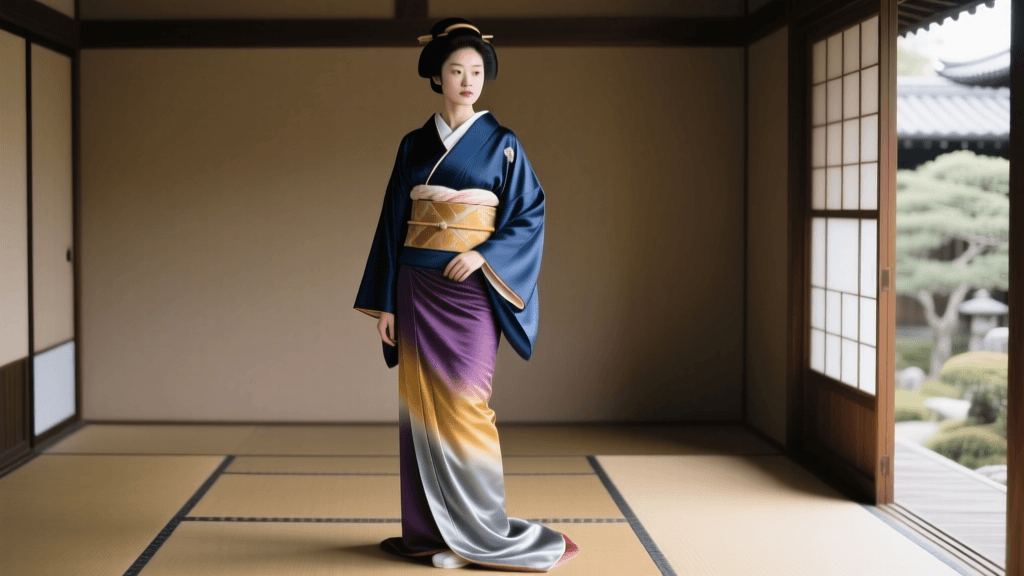
- Kosode (Small Sleeves): The direct predecessor to the modern kimono. While Heian-period aristocrats wore the restrictive, multi-layered junihitoe, Okuni popularized the kosode as an outer garment. She favored men's styles with broader shoulders and bold, asymmetrical katamigawari (split-body) dye patterns.
- Hakama (Pleated Trousers): Okuni frequently wore hakama over or under her kosode, a masculine garment that allowed for dynamic, athletic dance movements while projecting an air of samurai authority.
- Katabira (Unlined Hemp Robe): For summer performances, she utilized katabira made of asa (hemp) or momi (cotton), often featuring striking tsujigahana (stencil and tie-dye) motifs that caught the sunlight on the riverbed.
The Evolution of the Obi
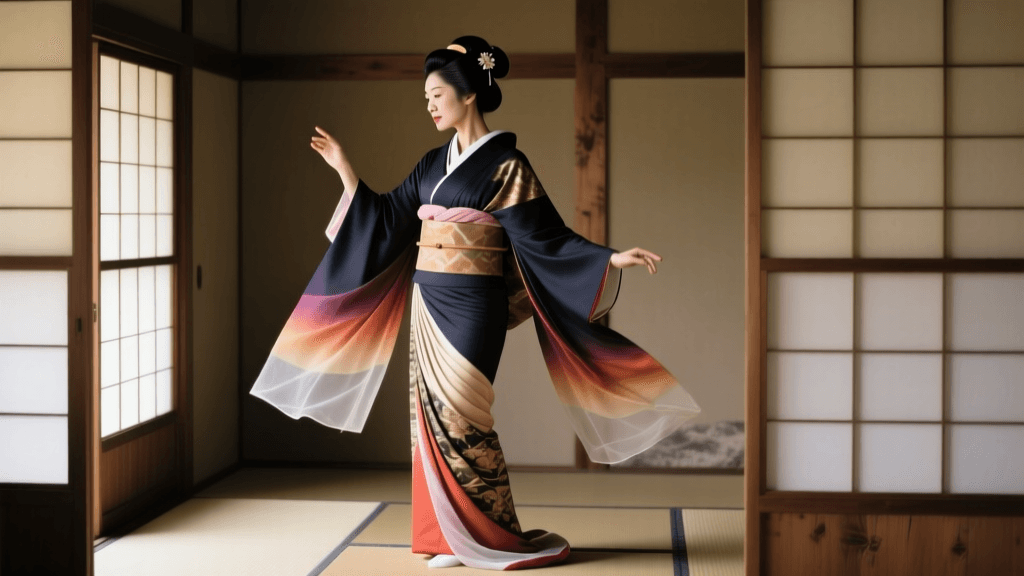
Perhaps Okuni's most significant contribution to Japanese garment construction was her manipulation of the obi (sash). In the early 1600s, the obi was a narrow, functional cord or thin strip of fabric tied at the front or side. Okuni began wearing much wider, stiffer sashes, often tying them in elaborate, oversized knots at the front to draw the eye and accentuate her theatrical movements. This innovation laid the groundwork for the wide, decorative fukuro obi that became the centerpiece of Edo-period women's fashion.
Actionable Guide: Styling an Okuni-Inspired Ensemble Today
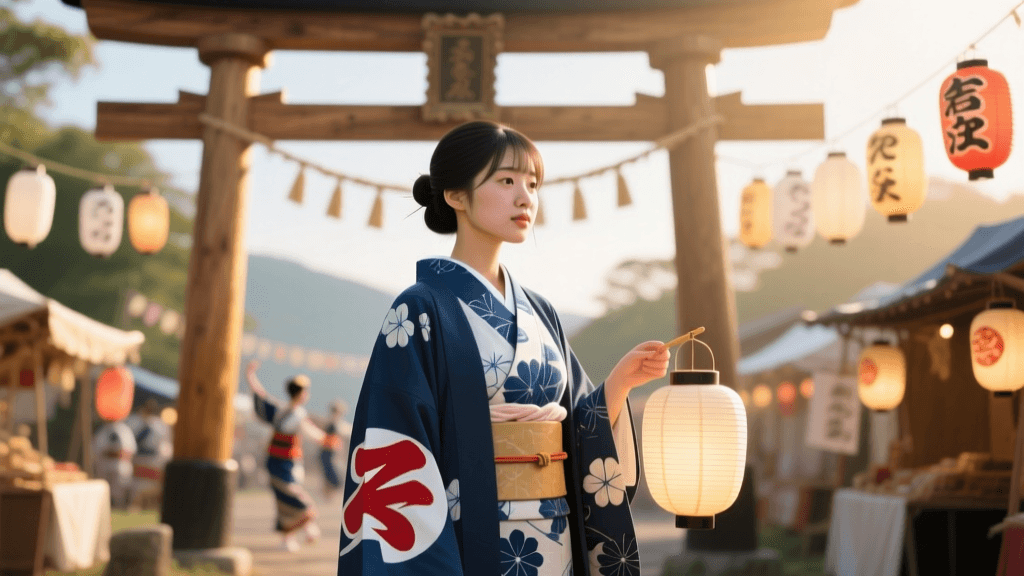
For modern kimono enthusiasts, historical reenactors, or festival-goers looking to channel Okuni's rebellious kabuki-mono energy, recreating her aesthetic requires specific attention to layering, textile weight, and asymmetrical styling. Here is a practical guide to assembling an authentic, early-Edo avant-garde look.
1. The Base and Outer Layers
Start with a men's or unisex juban (under-robe) in a contrasting color, such as deep crimson or indigo. For the outer layer, source a vintage haori or kosode featuring a katamigawari design—where the left and right halves of the garment feature entirely different patterns or colors. Look for Taisho-era (1912-1926) vintage pieces, which often replicated the bold, graphic aesthetics of early Edo theater costumes.
2. The Sash and Measurements
Ditch the modern, rigid otaiko (drum knot) tied at the back. To mimic Okuni's style, use a heko obi (a soft, wide, scarf-like sash) or a custom-cut piece of raw silk.
- Measurements: Opt for a sash measuring at least 450 cm in length and 70 cm in width. This excess fabric allows for a voluminous, asymmetrical knot tied at the front or side, leaving long, dramatic tails (tare) hanging down the skirt.
- Styling Tip: Layer a thinner, braided kumihimo cord over the wide sash to secure it, mimicking the transitional obi styles of the 1610s.
3. Theatrical Accessories
Complete the look with a kiseru (traditional smoking pipe) tucked into the obi, a folding fan (sensu) with gold leaf accents, and a tenugui (cotton towel) tied around the head or draped casually over one shoulder.
Sourcing and Cost Comparison: Rental vs. Bespoke
Whether you are preparing for a historical matsuri (festival), a cosplay event, or a theatrical production, sourcing the right garments requires an understanding of the modern kimono market. Below is a structured comparison of how to acquire an Okuni-inspired ensemble.
| Sourcing Method | Estimated Cost (JPY / USD) | Lead Time | Best Application |
|---|---|---|---|
| Theatrical Rental (Kyoto/Tokyo) | 8,000 - 15,000 JPY ($55 - $105) | Same-day / 1 week booking | Festivals, photoshoots, short-term wear |
| Vintage Market (Flea Markets) | 5,000 - 25,000 JPY ($35 - $175) | Immediate (requires hunting) | Enthusiasts wanting authentic silk textiles |
| Bespoke Commission (Nishijin Weavers) | 300,000+ JPY ($2,100+) | 3 to 6 months | Professional performers, museum archives |
Pro-Tip for Sourcing: Visit the Toji Temple Flea Market in Kyoto (held on the 21st of every month) or the Oedo Antique Market in Tokyo. You can frequently find early-Showa or Taisho-era kosode with the bold, dramatic motifs necessary for a Kabuki-mono aesthetic at a fraction of the cost of modern bespoke silk.
The Enduring Legacy in Modern Japanese Textiles
Okuni's defiance of the sartorial status quo did more than just create a new theatrical genre; it fundamentally shifted the center of fashion gravity in Japan. As noted by the Kyoto Costume Museum, the Edo period saw a massive boom in textile innovation, largely driven by the merchant classes and theater actors who used clothing to display wealth and creativity in the face of strict government sumptuary laws.
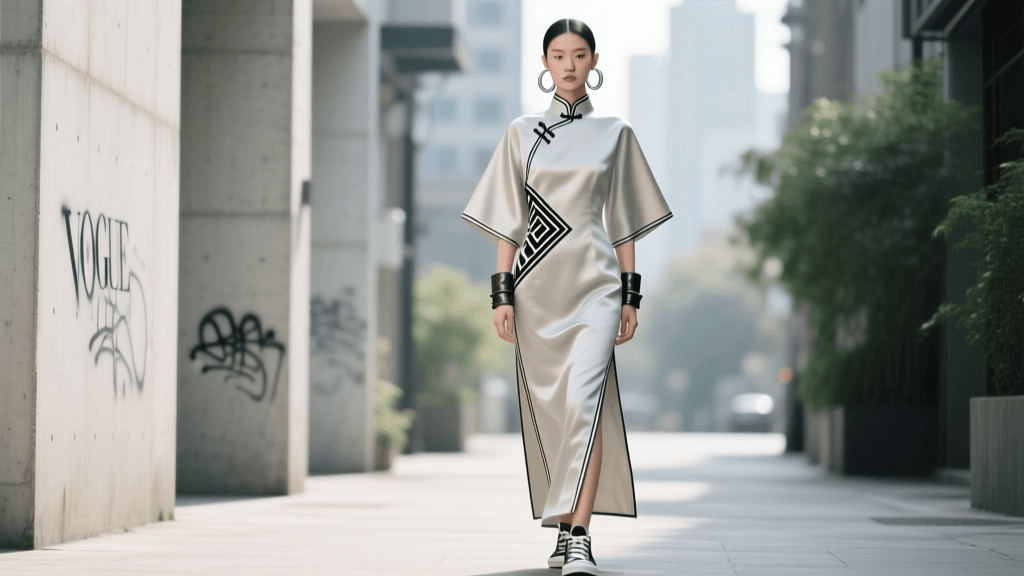
The concept of iki (subdued, understated elegance with hidden flashes of brilliance) and the love for asymmetrical, narrative-driven textile designs can trace their lineage back to the riverbed performances of Izumo no Okuni. Today, her legacy is visible not only in the magnificent costumes preserved by institutions like the Kabuki-za Theatre, but also in the collections of global haute couture designers who frequently reference the structural volume and dramatic draping of early Kabuki garments.
'She wore the garments of men, the silks of lords, and the colors of the floating world. In doing so, she did not just dress the part; she wove a new identity for an entire nation.'
By studying and recreating the foundational layers of Izumo no Okuni's wardrobe, modern wearers do more than engage in historical cosplay. They participate in a centuries-old tradition of using textiles as a medium for self-expression, rebellion, and artistic innovation. Whether you are tying a wide heko obi for a summer festival or studying the asymmetrical dye patterns of a vintage kosode, the spirit of the original Kabuki-mono lives on in every daring fold of silk.