The Neo-Qipao: Fusing Traditional Cheongsam With Urban Streetwear
The Rise of the Neo-Qipao in Guochao Fashion
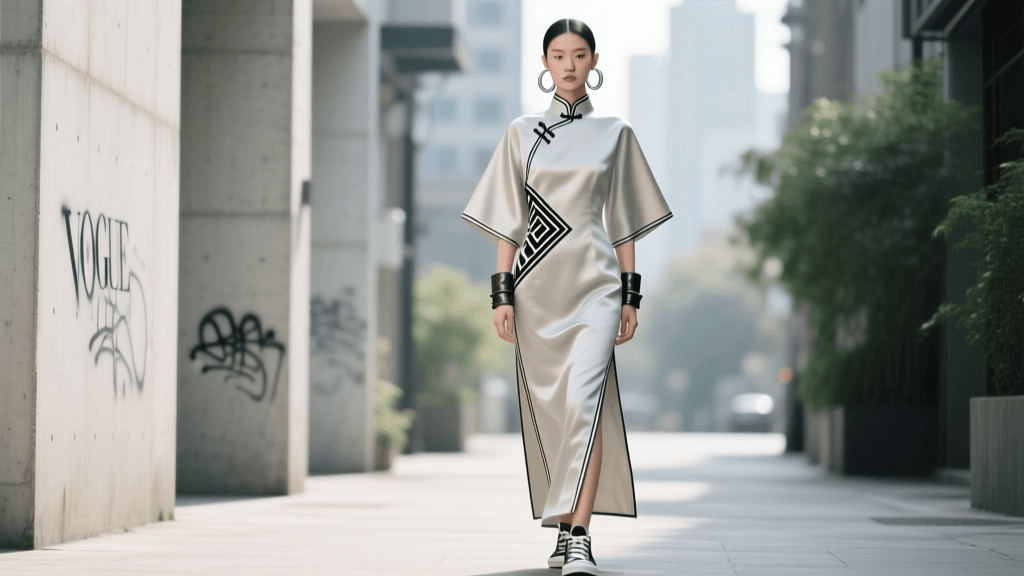
The traditional Chinese qipao, also known as the cheongsam, has long been celebrated as a symbol of elegance, femininity, and cultural heritage. Originating in the 1920s and 1930s as a modernized, form-fitting silhouette that blended Manchu banner robes with Western tailoring, the qipao eventually became synonymous with formal occasions, weddings, and diplomatic events. However, in recent years, a radical sartorial revolution has emerged from the streets of Shanghai, Chengdu, and Beijing. Enter the neo-qipao: a bold, deconstructed, and highly wearable fusion of traditional cheongsam elements and contemporary urban streetwear.
This evolution is deeply intertwined with the 'Guochao' (national trend) movement, a cultural phenomenon where young Chinese consumers actively seek out domestic brands that reinterpret heritage aesthetics through a modern lens. According to industry analyses by Jing Daily, Gen Z consumers are driving this demand, rejecting the notion that traditional garments must be reserved for costumes or formal banquets. Instead, they are demanding clothing that honors their cultural roots while surviving the rigors of daily urban life, subway commutes, and underground club scenes. The neo-qipao is the ultimate manifestation of this desire, transforming a historically restrictive garment into a canvas for self-expression and avant-garde streetwear.
Deconstructing the Silhouette: Anatomy of a Neo-Qipao
To successfully style and design a neo-qipao, one must first understand how modern designers are altering the foundational architecture of the traditional cheongsam. The classic qipao relies on precise, restrictive tailoring: a high Mandarin collar, tight bodice darts, and a narrow hemline. The neo-qipao deliberately subverts these rules.
The Collar (Yuling)
The traditional Mandarin collar stands rigidly at 4 to 6 centimeters, often stiffened with heavy interfacing. In neo-qipao streetwear, this collar is frequently reduced to a 1.5-centimeter soft band, or replaced entirely with a V-neck or asymmetrical cut-out that mimics the visual line of the collarbone without the physical restriction. This adjustment allows for layering over turtlenecks or hoodies during colder months.
The Fasteners (Pankou)
Hand-woven silk frog buttons, known as pankou, are a hallmark of the cheongsam. While traditional gowns feature them functionally along the collar and shoulder, neo-qipao designs often exaggerate the pankou, using oversized, industrial-grade metal toggles or placing them purely decoratively down the spine or across cargo pockets. Some streetwear iterations replace silk knots with heavy-duty YKK zippers or magnetic snap buttons, marrying heritage aesthetics with utilitarian hardware.
The Slit (Kaicha)
Historically, the side slit of a qipao was tailored to end just above the knee to allow for walking while maintaining modesty. Modern fusion designs push the kaicha to extreme heights, sometimes reaching the hip bone, designed specifically to be worn over wide-leg trousers, baggy denim, or layered skirts, turning the qipao into a dramatic open-front tunic or duster jacket.
Traditional Qipao vs. Neo-Qipao: A Design Comparison
Understanding the technical shifts between the classic and modern iterations is crucial for fashion enthusiasts and designers looking to incorporate these garments into a contemporary wardrobe.
| Feature | Traditional Qipao (1930s-1990s) | Neo-Qipao Streetwear (2020s) |
|---|---|---|
| Silhouette | Form-fitting, bias-cut, tailored darts | Oversized, boxy, drop-shoulder, A-line |
| Collar Height | 4cm - 6cm (stiffened) | 0cm - 2cm (soft or absent) |
| Fabrics | Silk brocade, velvet, satin | Upcycled denim, neoprene, nylon, jacquard |
| Fasteners | Hand-tied silk Pankou knots | Metal hardware, zippers, exaggerated knots |
| Wearability | Formal events, weddings, diplomacy | Daily streetwear, clubbing, casual layering |
| Price Range | $150 - $800+ (Custom tailoring) | $40 - $600 (Ready-to-wear / Designer) |
Actionable Styling Guide: Integrating Neo-Qipao into Everyday Wardrobes
Transitioning a neo-qipao from a runway concept to a practical streetwear outfit requires an understanding of proportions and textile contrast. Here are three highly actionable styling formulas for modern fusion fashion.
Look 1: The Cropped Neo-Qipao and Utility Cargos
The cropped neo-qipao is typically cut to end exactly at the natural waist (approximately 45cm from the shoulder seam for a standard size medium). This truncated length removes the traditional lower half of the dress, transforming it into a structured, high-neck top. Styling Advice: Pair a sleeveless, cropped denim neo-qipao with high-waisted, wide-leg cargo pants in olive or black. The contrast between the delicate heritage frog buttons and the rugged, utilitarian pockets of the cargo pants creates a striking visual tension. Finish the look with chunky, lug-sole sneakers or combat boots to ground the outfit in streetwear territory.
Look 2: The Oversized Qipao Duster over Turtlenecks
For autumn and winter, look for neo-qipaos cut from heavy wool blends or quilted cotton, featuring drop-shoulders and a chest width exceeding 110cm. These are designed to be worn open as duster coats. Styling Advice: Layer an oversized, slit-front neo-qipao over a fitted black merino wool turtleneck and straight-leg vintage denim. The deep side slits (kaicha) will flare open as you walk, revealing the denim underneath and mimicking the movement of a traditional scholar's robe, but with a distinctly modern, grunge-inspired edge.
Look 3: Slip-Style Neo-Qipao with Tech-Wear Accessories
Many contemporary brands are creating bias-cut, spaghetti-strap neo-qipaos using technical fabrics like water-resistant nylon or matte neoprene. Styling Advice: Treat this piece like a modern slip dress. Layer it over a sheer, long-sleeve mesh top. Accessorize with a cross-body chest rig or a tactical nylon belt bag worn across the torso. This juxtaposition of delicate, traditional floral embroidery against harsh, synthetic tech-wear accessories perfectly encapsulates the cyberpunk-adjacent aesthetic popular in cities like Chengdu and Tokyo.
Fabric Innovations: Moving Beyond Silk Brocade
The most significant barrier to wearing traditional qipaos in daily life is the fabric. Silk brocade and heavy satins are prone to water spotting, tearing, and wrinkling, making them impractical for streetwear. The neo-qipao movement has completely overhauled the textile requirements for traditional garments. Today's fusion designers utilize heavy-weight cotton jacquards that offer the raised, intricate patterns of traditional brocade but with the durability and washability of denim. Furthermore, the integration of neoprene—a synthetic rubber often used in scuba suits—allows designers to create neo-qipaos with architectural, gravity-defying collars and peplum hems that would collapse if made from traditional silk. Upcycled materials are also prevalent, with indie designers slicing apart vintage Levi's jackets and reconstructing them into qipao bodices, complete with brass button-fly details acting as modern pankou.
Sourcing and Cost Guide: Where to Buy Neo-Qipao
Whether you are a consumer looking to add a statement piece to your wardrobe or a stylist sourcing for an editorial shoot, the neo-qipao market is vast and tiered.
- Entry-Level & Indie Brands ($40 - $120): Platforms like Taobao and Xiaohongshu (RED) are the epicenters of the neo-qipao movement. Independent studios in Guangzhou and Hangzhou produce ready-to-wear cotton and denim fusion pieces. Look for search terms like '改良旗袍' (modified qipao) or '国潮' (Guochao) to find affordable, trend-driven pieces.
- Mid-Tier Contemporary ($150 - $400): Brands that specialize in modern Asian heritage, such as MUKZIN and various emerging labels showcased at Shanghai Fashion Week, offer higher-quality jacquards, better hardware, and more experimental silhouettes suitable for fashion-forward professionals.
- High-End Designer ($800+): For luxury fusion, designers like Samuel Gui Yang are globally recognized for seamlessly blending Western tailoring with Eastern qipao motifs. As highlighted in Vogue's coverage of his collections, his work elevates the cheongsam into high fashion, utilizing premium wools, latex, and bespoke tailoring techniques that honor the garment's complex history while pushing it firmly into the future.
Cultural Preservation Through Adaptation
Purists may argue that stripping the qipao of its form-fitting silhouette and delicate silks dilutes its cultural significance. However, historians and fashion theorists often point to the fact that the qipao itself was born from a fusion of cultures. The Metropolitan Museum of Art's seminal exhibition on Chinese aesthetics in fashion noted that the cheongsam has always been a hybrid garment, evolving continuously alongside women's changing roles in society. By adapting the qipao for the skate park, the subway, and the streetwear scene, the neo-qipao movement ensures that the garment remains a living, breathing part of Asian culture, rather than a static relic trapped behind museum glass. Through deliberate deconstruction, modern styling, and innovative textiles, the neo-qipao secures the legacy of the cheongsam for a new generation of global trendsetters.