C-Drama Hanfu Guide: Styling Xianxia & Historical Looks
The Screen-to-Street Pipeline: How C-Dramas Shape Hanfu Trends
The global explosion of Chinese television dramas on streaming platforms like Netflix, Viki, and iQIYI has done much more than entertain international audiences; it has ignited a massive cultural and sartorial renaissance. Shows rooted in historical fiction and Xianxia (immortal fantasy) genres, such as The Untamed, Nirvana in Fire, Love Like the Galaxy, and The Story of Minglan, present a visual feast of flowing silks, intricate embroidery, and sweeping silhouettes. For millions of viewers, these on-screen costumes serve as the primary gateway into the world of traditional Chinese clothing, commonly known as Hanfu.
According to cultural analysts and fashion historians, the 'C-Drama Effect' is a primary driver of the modern Hanfu movement. As noted by CNN Style in their comprehensive coverage of the Hanfu revival, the intersection of digital media, social networking, and national pride has transformed what was once a niche historical reenactment hobby into a multi-billion-dollar mainstream fashion industry. Young consumers are no longer just watching these dramas; they are actively seeking to replicate the ethereal elegance of their favorite characters, adapting screen-accurate costumes for real-world wear, festivals, and even daily commutes.
However, translating the dramatic, gravity-defying costumes of a Xianxia drama or the heavily layered court attire of a Ming Dynasty historical epic into a practical, modern wardrobe requires a nuanced understanding of garment construction, fabric behavior, and historical context. This guide will bridge the gap between fantasy and reality, providing actionable advice on how to curate, style, and wear C-Drama-inspired Hanfu in your everyday life.
Decoding the Aesthetics: Xianxia Fantasy vs. Historical Court
To build a functional Hanfu wardrobe inspired by C-Dramas, one must first distinguish between 'Xianxia' fantasy costumes and historically grounded garments. Costume designers for television often prioritize visual impact and character symbolism over historical accuracy. Understanding this distinction is crucial when shopping for replicas or authentic pieces.
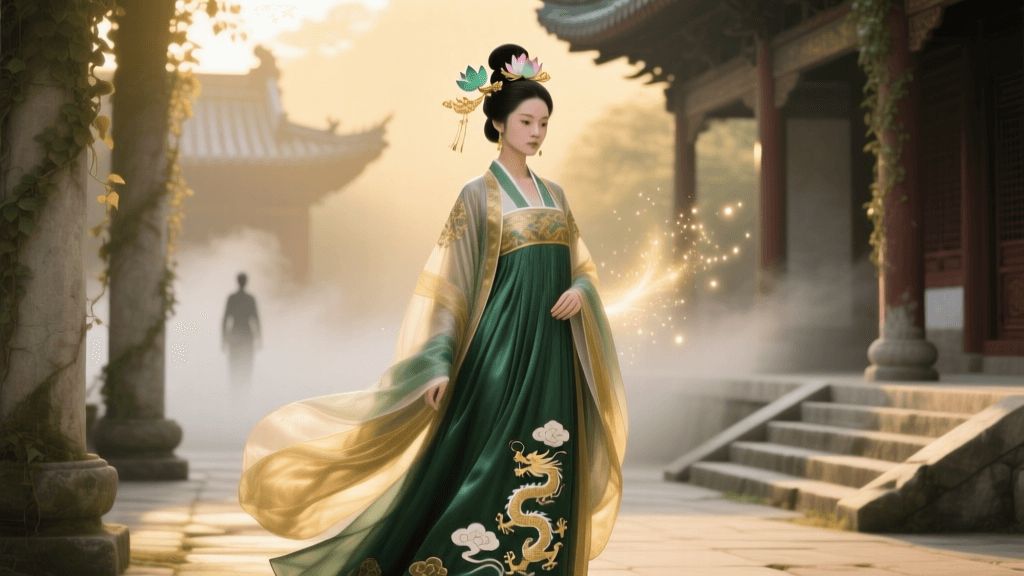
Xianxia costumes, popularized by characters like Wei Wuxian and Lan Wangji from The Untamed, rely heavily on the 'ethereal' aesthetic. These garments feature exaggerated, floor-length 'fairy' sleeves (大袖衫, Dajiaoshan), multiple layers of sheer chiffon, and trailing skirts designed to catch the wind during wire-work action sequences. While breathtaking on screen, these garments are highly impractical for daily life, as the sheer fabrics snag easily and the massive sleeves pose a hazard around food, doors, and public transit.
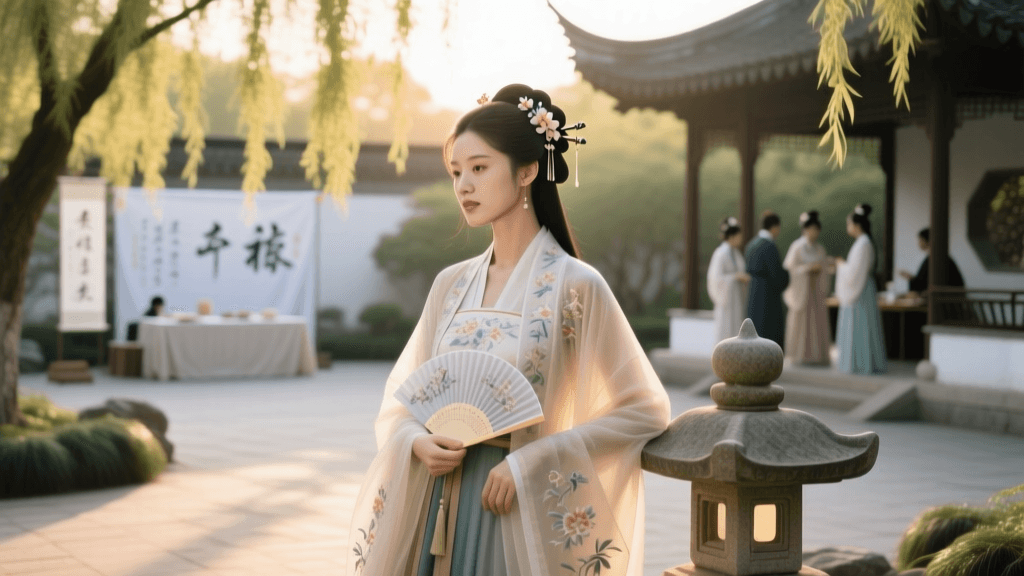
Conversely, historical dramas like The Story of Minglan (set in the Song Dynasty) or Royal Feast (set in the Ming Dynasty) draw from actual archaeological findings and historical texts. The Metropolitan Museum of Art's archives on Chinese costume highlight the structured elegance of these periods, characterized by narrow sleeves, intricate brocades, cross-collars (交领, Jiaoling), and the iconic horse-face skirt (马面裙, Mamianqun). These historically grounded silhouettes are far more adaptable to modern life and form the backbone of the 'daily Hanfu' (日常汉服) market.
| Feature | Xianxia Fantasy Costume (Screen) | Ming/Song Historical Hanfu (Authentic) | Modern 'Daily' Adaptation (Real World) |
|---|---|---|---|
| Silhouette | Exaggerated, trailing, multi-layered | Structured, A-line, layered | Streamlined, ankle-length, minimal layers |
| Fabrics | Sheer chiffon, organza, lightweight polyester | Heavy silk, brocade, woven cotton | Linen, cotton blends, rayon, matte chiffon |
| Sleeves | Floor-length 'fairy' sleeves | Wide but cuffed (Pipa sleeves) | Tapered, rolled cuffs, or standard narrow |
| Practicality | Low (Cosplay/Photography only) | Medium (Festivals, formal events) | High (Office wear, commuting, casual) |
| Average Cost | $40 - $120 USD | $150 - $500+ USD | $50 - $150 USD |
Building Your C-Drama Inspired Wardrobe: A Practical Buying Guide
The epicenter of the Hanfu market is Taobao, China's largest e-commerce platform. Navigating Taobao for Hanfu requires specific search terminology and an understanding of garment measurements. If you are looking to capture the elegant, grounded aesthetic of a Song Dynasty drama, search for '宋制汉服' (Song-style Hanfu) or '日常汉服' (Daily Hanfu). For the regal, structured look of Ming Dynasty court dramas, search for '明制汉服' (Ming-style Hanfu) and specifically '马面裙' (Mamianqun / Horse-face skirt).
Top Taobao Brands for Drama-Inspired Aesthetics
- Shisanyu (十三余): Known for official collaborations with hit dramas and video games. Their designs lean heavily into the Xianxia and romantic fantasy aesthetics, utilizing modern prints and accessible price points ($60–$120 USD). Ideal for beginners wanting a 'drama-accurate' look for conventions or photoshoots.
- Zhongling (钟灵记): Specializes in refined, historically inspired Song and Ming dynasty pieces. Their color palettes often mirror the muted, elegant tones seen in high-budget historical dramas like The Story of Minglan. Expect to pay $80–$180 USD.
- Minghuatang (明华堂): The gold standard for Ming Dynasty historical accuracy. While not a 'drama costume' brand, their garments are what high-budget historical dramas aspire to replicate. Woven silk brocades and impeccable tailoring come with a luxury price tag ($300–$800+ USD) and wait times that can exceed six months.
Crucial Measurements and Fabric Choices
When buying Hanfu online, standard S/M/L sizing is rarely sufficient. You must know your precise measurements. The most critical metric for skirts, particularly the pleated Mamianqun, is the 'skirt length' (裙长). In C-Dramas, skirts often pool on the floor to convey nobility and grace. In real life, a skirt that is too long will cause tripping and ruin the pleats. The Golden Rule: For a wearer who is 165 cm (5'5") tall, a skirt length of 105 cm will hit perfectly at the ankle, providing the sweeping elegance of a drama without the tripping hazard. For those 170 cm (5'7") and taller, look for 110 cm to 115 cm lengths.
Fabric choice dictates how a garment moves. C-Dramas use synthetic organza to create stiff, dramatic silhouettes that catch studio lighting. For everyday wear, opt for cotton-linen blends (棉麻) or high-quality rayon (人造丝). These fabrics drape beautifully, breathe well in summer, and resist the aggressive wrinkling that plagues cheap costume polyesters.
Adapting Fantasy Silhouettes for Modern Life
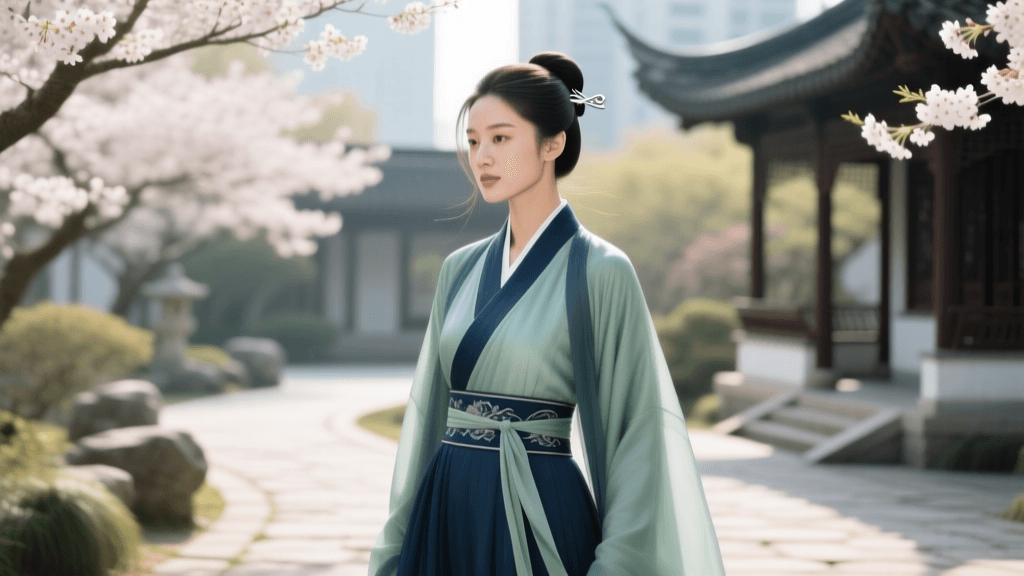
The true art of modern Hanfu styling lies in the 'New Chinese Style' (新中式, Xin Zhongshi) movement, which blends traditional elements with contemporary pragmatism. As highlighted by Sixth Tone in their reporting on the evolution of traditional dress among Chinese youth, the modern Hanfu enthusiast is highly focused on integrating these garments into urban environments, cafes, and corporate offices.
Taming the 'Fairy' Sleeves and Waistbands
If you are attached to the dramatic wide sleeves seen in Xianxia dramas, you must learn to manage them. Traditional arm bands, known as Bibo
Hair, Makeup, and Accessories
C-Drama heroines often sport elaborate updos secured with heavy metal Bianfang (hairpins) and dangling Buyao (step-shake ornaments). Recreating this daily is exhausting and can cause hair breakage. The modern solution is the 'minimalist traditional' approach. Use a high-quality, pearlescent acrylic claw clip to secure a modern twist, and insert a single, hand-carved wooden or jade hairpin through the center. This provides the silhouette of a Song Dynasty noblewoman while taking less than two minutes to style. For makeup, abandon the heavy, stylized 'drama eyeliner' in favor of a soft, matte complexion with a focus on a bold, traditional red lip (often referred to as the 'Zhenggong' red), which instantly elevates even the simplest cotton Hanfu set.
'The beauty of the Hanfu movement today is not about perfectly cosplaying a television character. It is about taking the poetry, the drape, and the cultural memory of those on-screen garments, and weaving them into the rhythm of modern life. You are not wearing a costume; you are wearing a living tradition.' — Contemporary Hanfu Stylist and Cultural Commentator
Occasion-Based Styling: From Festivals to the Office
To maximize your investment, learn to style your C-Drama inspired pieces for various occasions. For a weekend trip to a botanical garden or a cultural festival, embrace the Beizi (a long, open-front coat popular in the Song Dynasty) layered over a simple camisole and a pleated skirt. This mimics the scholarly, relaxed vibes of characters from Nirvana in Fire. For a corporate or office environment, the 'Mamianqun' is your best ally. Pair a tailored, modern silk blouse with a dark, woven brocade Mamianqun. The structured pleats and flat front panels of the horse-face skirt mimic the professional silhouette of a Western pencil skirt or tailored trousers, while the intricate woven patterns pay homage to Ming Dynasty court fashion. This fusion is the epitome of the 'New Chinese Style' and proves that the legacy of C-Drama costumes extends far beyond the screen, offering a sophisticated, deeply rooted wardrobe for the modern global citizen.