Sustainable Kimono: A Guide to Eco-Friendly Japanese Silk
The Environmental Impact of Modern Kimono Production
The kimono is globally revered as a masterpiece of Japanese cultural heritage. However, the modern commercialization of this garment has introduced significant environmental challenges. In recent decades, the market has been flooded with synthetic, mass-produced alternatives often marketed as 'washable kimonos' (woshable kimono). While convenient and budget-friendly, these garments are primarily constructed from polyester and petrochemical-derived fibers. The production of synthetic silk substitutes relies heavily on fossil fuels, and the chemical dyeing processes frequently involve heavy metals and azo dyes that can pollute local waterways. Furthermore, at the end of their lifecycle, these synthetic garments shed microplastics and languish in landfills for centuries.
In response, a growing movement of artisans, ethical fashion advocates, and cultural preservationists are championing sustainable kimono production. According to initiatives highlighted by the Japan National Tourism Organization, preserving traditional crafts through sustainable tourism and ethical consumerism is vital for regional economies and ecological balance. This movement seeks to revive traditional, eco-friendly methodologies while adapting to modern ethical standards.
Key Pillars of Sustainable Kimono Manufacturing
1. Natural and Plant-Based Dyes (Shokubutsu Zome)
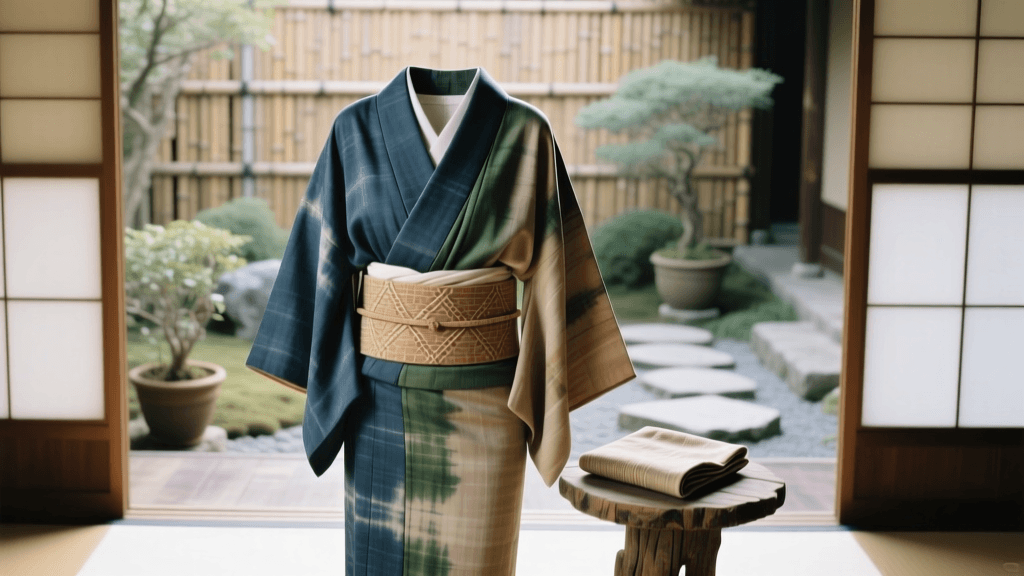
Before the Meiji Restoration introduced synthetic aniline dyes to Japan, all kimono textiles were colored using plant, insect, and mineral-based sources. Today, sustainable ateliers are returning to these ancestral methods. The most prominent is Aizome, or traditional Japanese indigo dyeing. True Aizome relies on the fermentation of Persicaria tinctoria (Japanese indigo) leaves, creating a living dye vat that requires no toxic mordants. The resulting deep blue hues are naturally antibacterial, odor-resistant, and biodegradable. Another eco-friendly staple is Kakishibu, a dye derived from the fermented juice of unripe persimmons. Rich in tannins, Kakishibu acts as a natural preservative that strengthens the silk or cotton fibers while imparting a beautiful, earthy amber tone. By utilizing these botanical dyes, artisans eliminate the toxic runoff associated with modern chemical dye houses.
2. Ethical and Eco-Friendly Silk Production
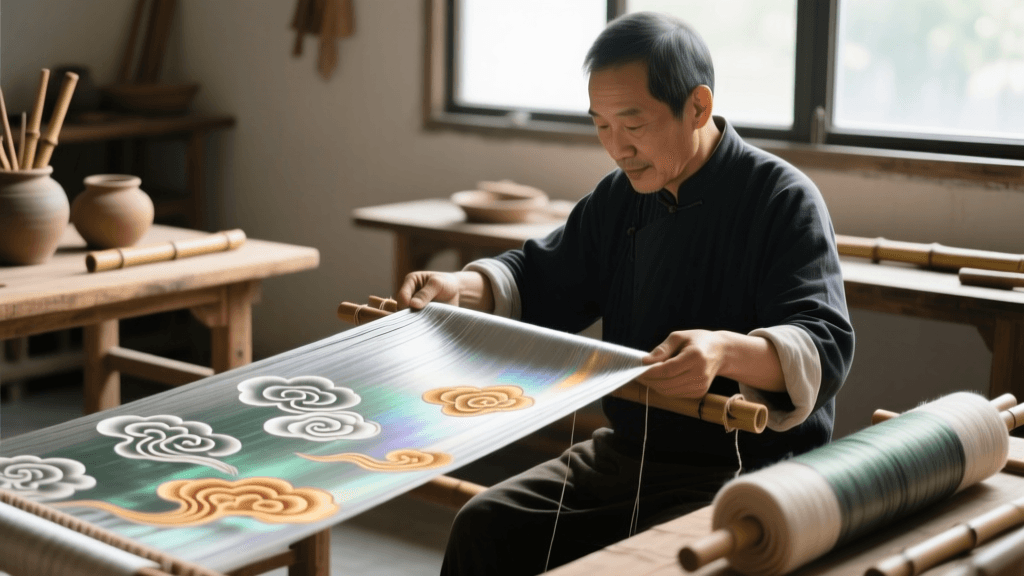
Silk is a natural protein fiber, inherently biodegradable and highly durable. However, conventional sericulture can be resource-intensive. Sustainable kimono production focuses on heritage silk-weaving regions that prioritize ecological balance and fair labor. Global advocates like Fashion Revolution emphasize that transparency in the supply chain—from mulberry farm to dye vat—is essential for ethical fashion. For instance, Yuki Tsumugi, a UNESCO-recognized Intangible Cultural Property, represents the pinnacle of sustainable silk. Protected and documented by Japan's Agency for Cultural Affairs, Yuki Tsumugi is hand-spun from silk floss rather than reeled from continuous filaments. This process utilizes imperfect or broken cocoons that would otherwise be discarded, ensuring zero waste. The weaving is done on traditional backstrap looms (jibata), requiring no electricity and preserving a low-carbon footprint.
3. Upcycling and the Vintage Kimono Market
Perhaps the most accessible pillar of sustainable kimono fashion is upcycling. Japan possesses a vast domestic market of vintage and antique kimonos, many of which are in pristine condition but no longer worn due to shifting modern lifestyles. Sustainable brands and independent tailors are actively rescuing these garments from storage. Upcycling involves carefully deconstructing vintage silk kimono and repurposing the fabric (known as 'remake') into modern apparel, such as wrap dresses, haori jackets, or interior decor. This circular fashion approach extends the lifecycle of the textile, negates the need for new resource extraction, and preserves the exquisite craftsmanship of mid-century Japanese dyers and weavers.
Comparison Chart: Synthetic vs. Sustainable Kimono
To understand the true value of eco-friendly Japanese garments, it is essential to compare them against their fast-fashion counterparts. The following table outlines the core differences in production, cost, and environmental impact.
| Feature | Synthetic (Polyester) Kimono | Sustainable (Silk and Natural Dye) Kimono |
|---|---|---|
| Material Origin | Petrochemicals (Plastics) | Sericulture (Silk) / Plant Fibers |
| Dye Process | Chemical / Azo Dyes | Plant-based (Indigo, Persimmon) |
| Average Cost (USD) | $80 - $250 | $400 - $3,000+ (New) / $50 - $300 (Vintage) |
| Lifespan | 5 - 10 Years (Degrades/Yellows) | 50 - 100+ Years (If maintained) |
| End-of-Life | Landfill (Microplastics) | Biodegradable / Upcyclable |
How to Build a Sustainable Kimono Wardrobe
Transitioning to a sustainable kimono wardrobe requires knowledge of textile identification, market pricing, and traditional measurements. Whether you are a collector, a practitioner of tea ceremony, or a fashion enthusiast, these actionable steps will guide your purchases.
Identifying Authentic Silk and Natural Dyes
When shopping for sustainable garments, always verify the material. Authentic silk has a distinct, cool touch and a subtle, pearlescent luster that polyester cannot replicate. If permitted, a 'burn test' on a loose thread can confirm the material: real silk burns slowly, smells like singed hair, and leaves a crushable ash, whereas polyester melts into a hard, plastic bead. For natural dyes, look for slight color variations and organic imperfections; synthetic dyes are uniformly flat, while botanical dyes like Aizome possess a living depth and may subtly shift in color over years of exposure to sunlight.
Understanding Measurements and the Tanmono
Traditional kimonos are constructed from a single bolt of fabric called a tanmono. A standard tanmono measures approximately 36 to 38 centimeters (about 14 to 15 inches) in width and 11 to 12 meters in length. Because the garment is cut in straight lines rather than curved patterns, there is virtually zero fabric waste during the tailoring process. When buying vintage or commissioning a sustainable remake, ensure the artisan respects the original straight-line construction, as this allows the kimono to be entirely deconstructed, washed, and re-tailored decades later.
Navigating Costs and Sourcing
Investing in sustainable kimono fashion requires adjusting your budget expectations. A mass-produced polyester kimono typically costs between $80 and $250. In contrast, a newly woven, ethically sourced silk kimono dyed with natural indigo can range from $1,500 to over $5,000, reflecting the hundreds of hours of skilled manual labor. However, the vintage market offers a highly sustainable and affordable entry point. High-quality vintage silk kimonos can be sourced from specialized online retailers or Japanese recycle shops for $50 to $300. Additionally, budget $200 to $500 if you wish to have a vintage piece professionally resized or remade into a modern silhouette by an ethical atelier.
Caring for Naturally Dyed and Vintage Silk
Sustainable garments demand mindful maintenance. Unlike synthetic 'washable' kimonos that can be thrown into a washing machine, natural silk and botanical dyes require specialized care to preserve their integrity and minimize environmental harm from harsh chemicals.
- Avoid Harsh Detergents: Never use alkaline detergents or bleach on natural silk or Aizome. These strip the natural oils from the silk protein and neutralize the living botanical dyes. Use pH-neutral, plant-based soap specifically formulated for delicate protein fibers.
- Professional Maruarai: For deep cleaning, seek out a traditional Maruarai specialist. This Japanese technique involves carefully unstitching the kimono back into its original tanmono bolt form, washing the continuous fabric in natural waterways or specialized eco-friendly vats, and then re-stitching it. This process costs between $150 and $300 but restores the garment to a near-new state without chemical dry cleaning.
- Airing and Shade Drying: Natural dyes are sensitive to prolonged UV exposure. After wearing, air your kimono in a shaded, well-ventilated area to dissipate moisture and odors. Never hang silk in direct sunlight, as this will cause botanical colors to fade unevenly and weaken the protein fibers.
The Future of the Eco-Kimono
The preservation of the kimono is intrinsically linked to the preservation of the natural environment that inspires its motifs and provides its materials. By choosing natural dyes, supporting heritage silk weavers, and embracing the circular economy of vintage upcycling, consumers can protect this magnificent sartorial tradition from the ravages of fast fashion. As global awareness of ethical fashion grows, the sustainable kimono stands as a testament to the fact that true luxury lies not in mass production, but in harmony with nature, meticulous craftsmanship, and enduring longevity.