Kimono Photoshoot Guide: Best Locations and Camera Tips
The Art of Kimono Photography in Japan
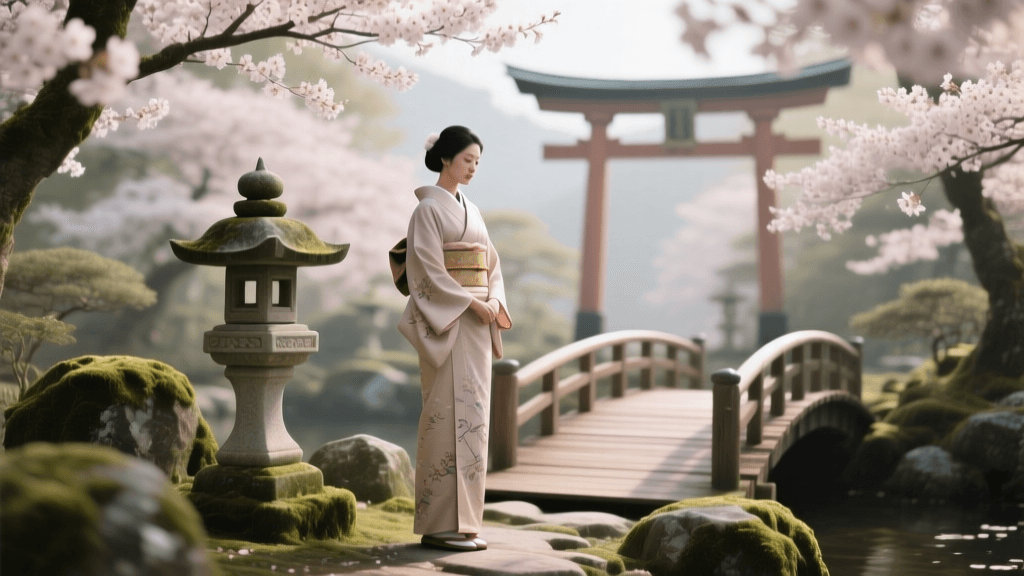
Photographing traditional Japanese garments is an exercise in capturing both intricate textile artistry and deep cultural heritage. A kimono is not merely a piece of clothing; it is a canvas that reflects the changing seasons, social status, and personal milestones of its wearer. For photographers and travelers alike, organizing a kimono photoshoot in Japan offers a unique opportunity to merge historical aesthetics with modern portrait photography. However, achieving a truly authentic and visually striking image requires more than just putting on a beautiful garment. It demands an understanding of the best photographic locations, the nuances of natural lighting across Japan's distinct seasons, and the technical camera settings required to render complex silk patterns accurately.
Whether you are a professional portrait photographer scouting for editorial backdrops or a traveler looking to document your rental experience, this comprehensive guide covers the most photogenic destinations, practical rental logistics, essential camera gear, and the cultural etiquette necessary for a respectful and stunning kimono photoshoot.
Top Destination Guides for Kimono Portraits
1. Higashiyama District, Kyoto
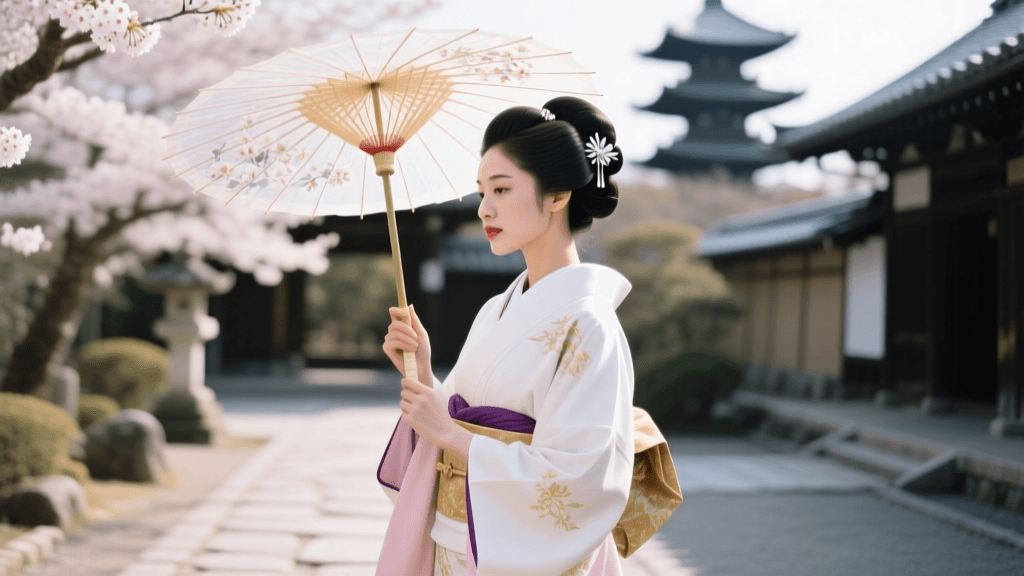
Kyoto remains the undisputed capital of traditional Japanese culture, and the Higashiyama District is its most photogenic ward. The preserved streets of Ninenzaka and Sannenzaka, with their wooden machiya townhouses and stone-paved paths, provide a flawless historical backdrop. According to the Japan Guide on Higashiyama, this area is particularly stunning during the autumn foliage and spring cherry blossom seasons. For the best results, photographers should arrive at Yasaka Shrine or the steps of Kiyomizu-dera before 7:30 AM to avoid the massive crowds that flood these narrow streets by mid-morning.
2. Higashi Chaya District, Kanazawa
Often referred to as 'Little Kyoto,' Kanazawa offers a more intimate and less crowded alternative for kimono photography. The Higashi Chaya District is famous for its beautifully preserved geisha houses and latticed wooden facades. The Higashi Chaya District is exceptionally atmospheric during the winter months when snow dusts the traditional roofs, creating a high-contrast, cinematic environment that makes the vibrant colors of a winter kimono pop. Rental shops in Kanazawa are often more affordable and less rushed than those in Kyoto, allowing for a more relaxed dressing experience.
3. Rikugien and Yanaka, Tokyo
While Tokyo is a hyper-modern metropolis, it harbors stunning traditional enclaves. Rikugien Garden is a masterpiece of Edo-period landscape design, featuring a central pond, weeping cherry trees, and meticulously pruned pines. It is an ideal location for capturing the sweeping elegance of a furisode (long-sleeved kimono). Alternatively, the nearby Yanaka district offers a nostalgic, old-town (shitamachi) vibe with narrow alleys, traditional sweet shops, and the historic Yanaka Cemetery, which transforms into a tunnel of cherry blossoms in early April.
Seasonal Timing, Lighting, and Rental Costs
Understanding the intersection of seasonal lighting, kimono textile choices, and local rental economics is crucial for planning your shoot. The Japan National Tourism Organization heavily promotes seasonal travel, which directly impacts both the scenery and the availability of specific garment types.
| Season | Best Locations | Lighting Conditions & Tips | Estimated Rental Costs (JPY) |
|---|---|---|---|
| Spring (Mar-May) | Kyoto (Philosopher's Path), Tokyo (Ueno Park) | Soft, diffused light through cherry blossoms. Use a polarizer to cut glare on silk. | 6,000 - 9,000 (High demand) |
| Summer (Jun-Aug) | Kanazawa (Kenrokuen), Kyoto (Kibune) | Harsh midday sun; shoot early morning or use yukata (cotton) for breathability. | 3,000 - 5,000 (Yukata only) |
| Autumn (Sep-Nov) | Kyoto (Arashiyama), Nikko (Toshogu) | Golden hour is spectacular. Warm tones complement autumnal kimono motifs. | 6,000 - 9,000 (High demand) |
| Winter (Dec-Feb) | Kanazawa (Higashi Chaya), Kyoto (Kinkaku-ji) | Overcast skies provide perfect softbox lighting for vibrant winter silks and fur stoles. | 5,000 - 8,000 (Includes fur shawl) |
Note on Costs: Base rental prices typically include the kimono, obi, zori (sandals), and tabi (split-toe socks). Hair styling, professional dressing assistance, and premium silk upgrades usually cost an additional 2,000 to 4,000 JPY.
Essential Camera Gear and Settings
Lens Selection for Textile and Portrait Work
Kimono photography requires a balance between environmental context and macro-level textile detail. The intricate weaving of a Nishijin-ori obi or the delicate dye work of a Yuzen pattern demands sharp, high-quality glass.
- 85mm f/1.4 or f/1.8: The undisputed king of portrait lenses. It compresses the background, isolating the subject and turning bustling tourist streets into creamy bokeh, while keeping the subject's face and the front knot of the obi in tack-sharp focus.
- 50mm f/1.4: Excellent for half-body shots and capturing the drape of the sleeves. It provides a natural field of view that mimics human vision.
- 35mm f/1.4: Necessary for environmental portraits in narrow streets like Ninenzaka, where stepping back with an 85mm is physically impossible. It allows you to include the architectural context of the machiya houses.
- Macro Lens (e.g., 90mm or 105mm):strong> Highly recommended for B-roll and detail shots of the obidome (decorative clasp), obijime (braided cord), and the intricate embroidery on the hem.
Optimal Exposure Settings
Silk is highly reflective, and the layered nature of a kimono creates deep shadows. To manage this dynamic range:
- Aperture: Shoot between f/2.8 and f/4. While f/1.8 creates beautiful bokeh, it often results in the subject's nose being in focus while the ear and the back of the obi blur out. A slightly narrower aperture ensures the entire garment silhouette remains sharp.
- Shutter Speed: Keep it above 1/250s. Kimono sleeves are long and heavy; even slight movements by the subject to adjust the fabric can cause motion blur at slower speeds.
- ISO: Keep as low as possible (ISO 100-400) to preserve the fine grain of the silk textiles. Modern cameras handle ISO 1600 well, but noise reduction can smear the delicate lines of hand-painted Yuzen motifs.
- White Balance: Avoid Auto White Balance (AWB) when shooting under the canopy of trees or near wooden buildings, as the camera will overcompensate and shift skin tones. Use a custom white balance or lock it to Daylight (approx. 5200K-5500K) and adjust in post-processing using RAW files.
Posing, Etiquette, and Authenticity
A common mistake in tourist kimono photography is treating the garment like a modern dress. The kimono restricts movement by design, promoting a specific, elegant posture. Guiding your subject correctly will elevate the authenticity of your images.
The 'Left Over Right' Rule
The most critical rule of kimono wearing is that the left panel must always cross over the right panel. The reverse (right over left) is strictly reserved for dressing the deceased for funerals. As a photographer, you must double-check this before pressing the shutter, as it is a glaring cultural error that will immediately mark the photo as inauthentic.
Posture and the 'Unaji'
The kimono is designed to hide the natural curves of the body, creating a cylindrical, elegant silhouette. The subject should keep their back straight and shoulders relaxed. In traditional Japanese aesthetics, the nape of the neck, known as the unaji, is considered one of the most sensual and beautiful parts of the body. Ask your subject to tilt their chin slightly down and forward to expose the nape, especially when shooting from a three-quarter rear angle.
Hand Placement and Sleeve Management
Because the sleeves (sode) are voluminous, hands can easily get lost. Instruct the subject to gently hold the front of the obi, or to lightly clasp their hands together just below the waist. When walking, the subject should take small, deliberate steps, as the kimono hem restricts long strides. Capturing the subject mid-stride with the zori slightly peeking out from beneath the hem adds a sense of graceful motion to the frame.
'The beauty of the kimono lies not just in its vibrant patterns, but in the quiet dignity and restrained movement it imposes upon the wearer. A successful photograph captures this harmony between textile and human form.'
Conclusion
A successful kimono photoshoot is a rewarding blend of cultural appreciation, logistical planning, and technical photographic skill. By selecting the right location—whether the bustling historic streets of Kyoto or the serene, snow-dusted alleys of Kanazawa—and timing your shoot to align with Japan's breathtaking seasonal shifts, you set the stage for extraordinary imagery. Pair this with the correct lens choices, mindful exposure settings to protect delicate silk details, and a deep respect for traditional posing etiquette, and you will create portraits that honor the profound legacy of Asian garment traditions. Always remember to shoot in RAW, respect the local environments, and take the time to appreciate the centuries of artisan craftsmanship wrapped around your subject.