Shiromuku and Irochikake: Japanese Wedding Kimono Guide
The Timeless Elegance of Japanese Bridal Wear
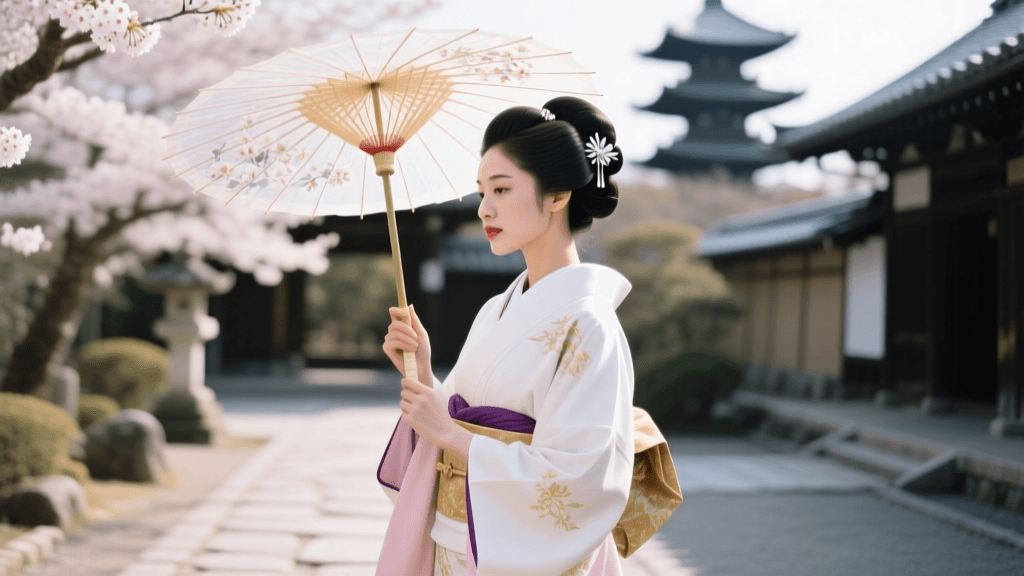
When envisioning a traditional Japanese wedding, the striking image of a bride in pristine white or vibrantly embroidered silk immediately comes to mind. Japanese wedding kimono are not merely garments; they are profound cultural artifacts steeped in centuries of symbolism, artistry, and ritual. For modern brides, navigating the choices between a shiromuku and an irochikake requires an understanding of both historical context and practical logistics. According to The Metropolitan Museum of Art, the evolution of the kimono from everyday wear to highly specialized ceremonial attire reflects Japan's deep reverence for seasonal changes, social status, and life milestones.
In recent years, there has been a global resurgence of interest in these garments, not only among Japanese brides but also among international couples seeking to incorporate profound cultural rituals into their nuptials. This comprehensive guide explores the intricate world of ceremonial and wedding kimono, offering actionable advice on styling, budgeting, and preparing for your traditional Japanese bridal look.
The Shiromuku: Purity and Rebirth
The shiromuku (白無垢) is the most formal and traditional wedding kimono, worn exclusively during the Shinto wedding ceremony. Translating to "pure white," this ensemble consists of a white outer robe (uchikake), a white inner kimono (kakeshita), and a white obi sash. Historically, the color white in Japanese culture symbolizes purity, maidenhood, and a willingness to be "dyed" in the colors of the groom's family.
As noted by the Victoria and Albert Museum, the intricate weaving and embroidery techniques used in high-end silk kimono represent the pinnacle of Japanese textile craftsmanship. Even though the shiromuku appears entirely white from a distance, a closer inspection reveals exquisite tonal patterns woven into the silk, such as cranes (tsuru), pine trees, and plum blossoms, all of which convey wishes for longevity and prosperity.
Essential Components of the Shiromuku
- Wataboshi or Tsunokakushi: The bridal headpiece. The wataboshi is a white silk hood that functions similarly to a Western veil, while the tsunokakushi ("horn-hider") is a rectangular cloth meant to symbolically hide the bride's "horns" of jealousy or selfishness, representing her resolve to become a gentle wife.
- Kakeshita: The inner kimono, which must also be pure white and feature a heavily padded hem (fukikin) to allow the fabric to trail elegantly on the floor.
- Obi and Obijime: The sash and its decorative cord, traditionally white or gold, tied in a formal fukura-suzume (puffed sparrow) or bunko knot.
The Irochikake: A Celebration of Color
Following the solemn Shinto ceremony, brides typically change into an irochikake (色打掛) for the reception and festive celebrations. Unlike the pristine white shiromuku, the irochikake is a vibrant, heavily embroidered outer robe worn over a colored or white kakeshita. This garment allows the bride to express her personal style and transition into a more joyous, celebratory atmosphere.
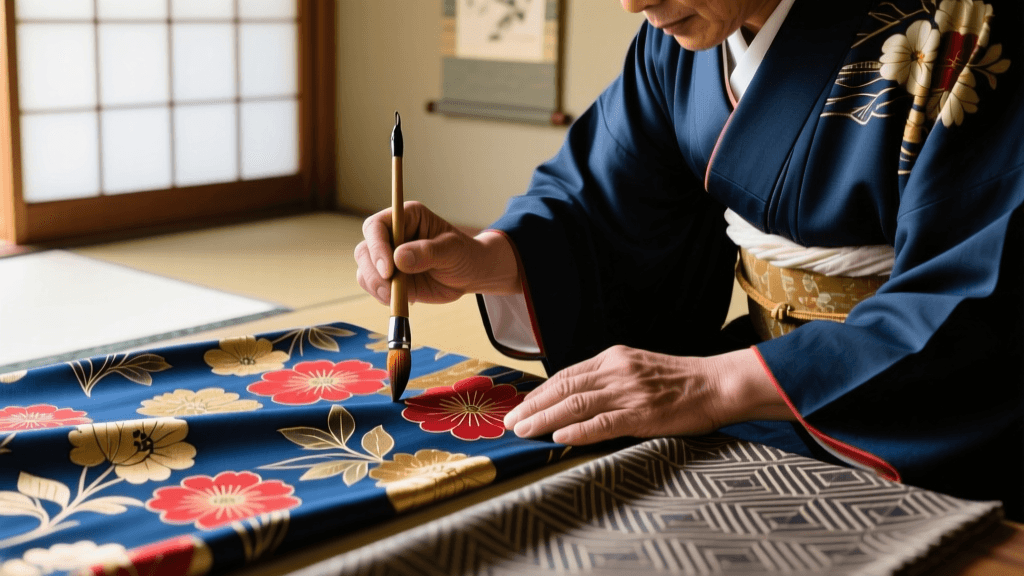
Popular base colors include auspicious red, regal black, and shimmering gold. As highlighted in a feature by BBC Travel, modern kimono artisans continue to push the boundaries of traditional dyeing and embroidery, blending historical motifs with contemporary aesthetics. Motifs like the phoenix (hoo), peonies (botan), and flowing water are meticulously hand-painted or embroidered using gold and silver threads (shishu).
Practical Guide: Budgeting, Timelines, and Fittings
Planning a traditional kimono wedding requires meticulous attention to detail and a realistic budget. Whether you are getting married in Japan or organizing a destination ceremony, understanding the logistics is crucial.
Cost Breakdown: Rental vs. Purchase
Due to the exorbitant costs of purchasing authentic, handcrafted silk wedding kimono, the vast majority of modern brides opt for rental packages. A comprehensive rental package typically includes the kimono, inner garments, obi, accessories, and professional dressing services (kitsuke).
- Standard Rental Package: ¥150,000 to ¥250,000 ($1,000 to $1,700 USD). Includes a standard shiromuku or irochikake and basic accessories.
- Premium Rental Package: ¥300,000 to ¥500,000+ ($2,000 to $3,400+ USD). Features antique or master-crafted silk garments, high-end kanzashi (hair ornaments), and premium photography add-ons.
- Custom Purchase: ¥800,000 to over ¥2,000,000 ($5,500 to $13,500+ USD). Commissioning a bespoke silk kimono from a master artisan in Kyoto or Kanazawa takes 6 to 12 months.
Preparation Timeline
- 8-10 Months Prior: Research and book your kimono rental salon or artisan. Peak wedding seasons in Japan (Spring for cherry blossoms, Autumn for maple leaves) book up extremely fast.
- 4-6 Months Prior: Attend your first fitting. Discuss color palettes, family crests (kamon), and venue aesthetics.
- 1-2 Months Prior: Final fitting. Your measurements will be re-checked, and you will practice walking in the heavy, trailing hem.
The Art of Kitsuke (Dressing)
Unlike Western wedding dresses, a kimono does not rely on the wearer's natural body shape. In fact, the goal of traditional kitsuke is to create a smooth, cylindrical silhouette. Brides will be padded using specialized kimono bras, hip pads, and waist towels to fill in the curves of the bust, waist, and hips. This ensures the heavy silk drapes flawlessly and prevents the obi from slipping. The dressing process takes approximately 45 to 60 minutes and requires a licensed professional known as a kitsuke-shi. Brides must remember to sit carefully, keeping the back straight and avoiding crossing the legs, to maintain the structural integrity of the obi and the smooth drape of the silk.
Comparison Chart: Japanese Bridal Garments
| Garment | Primary Use | Color & Motifs | Formality Level |
|---|---|---|---|
| Shiromuku | Shinto Ceremony | Pure white with tonal woven patterns | Highest (Bridal) |
| Irochikake | Wedding Reception | Vibrant colors (red, gold, black) with heavy embroidery | Very High (Bridal) |
| Uchikake | Historical/Ceremonial | Varied, often worn unbelted over a kakeshita | High (Formal) |
| Kurotomesode | Mothers of the Bride/Groom | Black with 5 family crests and hem motifs | Highest (Married Women) |
Essential Bridal Accessories
To complete the bridal ensemble, several specialized accessories are required. These items are not only beautiful but carry deep symbolic meaning.
- Kanzashi: Ornate hairpins often featuring tortoiseshell, pearls, or silk flowers. For a shiromuku, gold and white kanzashi are preferred, while irochikake allows for colorful, seasonal floral designs.
- Hakoseko: A small, decorative silk pouch worn tucked into the front of the obi. Historically used to hold a small mirror or incense, it now serves as a purely ornamental good-luck charm.
- Kaiken: A small dagger tucked into the obi. Originating from the samurai class, it symbolizes the bride's resolve and her commitment to protect her new family.
- Zori and Tabi: Traditional sandals (zori) made of brocade or lacquer, worn with white split-toe socks (tabi). Brides should practice walking in zori prior to the wedding day to ensure grace and stability.
Preserving Your Bridal Kimono
If you choose to purchase your wedding kimono, proper preservation is paramount. Silk is highly susceptible to humidity, direct sunlight, and mold. After the wedding, the kimono must be professionally cleaned by a specialist who understands traditional Japanese textiles (arimono). It should then be wrapped in acid-free tatou paper and stored in a wooden box (tansu) with desiccants. It is recommended to air out the kimono on a dry, shaded day once a year to prevent permanent creasing and discoloration.
Many brides also choose to repurpose their wedding kimono post-ceremony. A skilled artisan can alter the uchikake into a formal visiting kimono (homongi) or even fashion it into decorative futon covers or wall hangings, ensuring the garment's legacy continues for generations.
Conclusion
Choosing a ceremonial wedding kimono is a journey into the heart of Japanese heritage. Whether you don the pristine, ethereal shiromuku for a sacred Shinto vow exchange, or dazzle guests in a richly embroidered irochikake, you are participating in a living tradition that values artistry, symbolism, and profound respect for marital union. By understanding the nuances of these garments, budgeting appropriately, and respecting the intricate art of kitsuke, modern brides can honor the past while celebrating their unique love story.