Kimono Wardrobe Organization and Seasonal Rotation Guide
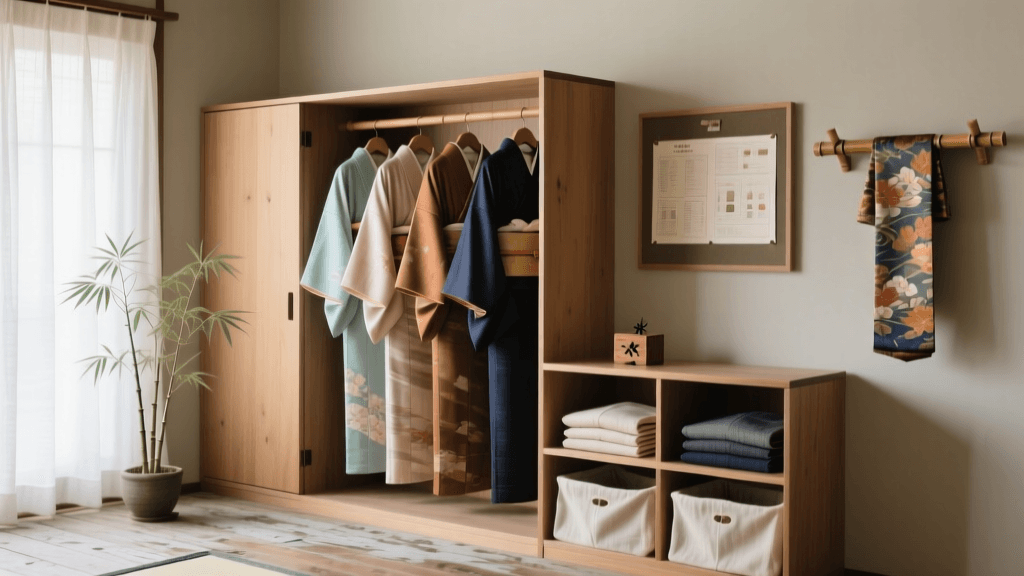
The Art of Koromogae: Understanding Seasonal Rotation
In Japanese culture, the changing of the seasons is not merely a meteorological event; it is a profound aesthetic and spiritual experience. This deep reverence for nature's cycles is intricately woven into the fabric of traditional Japanese clothing. The practice of koromogae (seasonal wardrobe rotation) dictates that one's attire must harmonize with the environment, transitioning in fabric weight, lining, and motif as the months progress. For the modern kimono collector or enthusiast, mastering kimono wardrobe organization and seasonal rotation is essential not only for cultural authenticity but also for the long-term preservation of delicate silk textiles.
The kimono is a reflection of the natural world, and its seasonal rotation is a physical manifestation of the Japanese appreciation for the fleeting beauty of time.
As highlighted in the Metropolitan Museum of Art's Heilbrunn Timeline of Art History, the kimono serves as a canvas reflecting the natural world and the changing seasons. Properly organizing your wardrobe allows you to honor this tradition while protecting your investment from environmental damage, pests, and permanent creasing.
Essential Tools for Kimono Wardrobe Organization
Storing a kimono requires specific materials designed to mitigate the primary enemies of silk: moisture, acidity, light, and insects. Investing in traditional Japanese storage solutions is highly recommended for serious collectors and casual enthusiasts alike.
Tatoushi (Storage Wrappers)
Never store a kimono bare or in plastic. Plastic traps moisture, leading to mold, and emits gases that degrade silk fibers over time. Instead, use tatoushi, which are large sheets of acid-free paper specifically designed for wrapping folded garments. Standard tatoushi measure approximately 90 cm by 110 cm (35 x 43 inches), providing ample coverage for a standard folded kimono, which typically measures about 65 cm by 80 cm. High-quality, traditionally crafted washi paper tatoushi cost between $8 and $15 per sheet. They allow the silk to breathe while buffering against sudden humidity spikes.
Kiribako (Paulownia Wood Boxes)
The gold standard for kimono storage is the kiribako, a box crafted from paulownia wood. Paulownia is uniquely suited for textile preservation due to its natural humidity-regulating properties; the wood swells to seal out moisture during humid summers and contracts to allow airflow during dry winters. Furthermore, paulownia is naturally fire-resistant and contains natural tannins that deter insects. A standard single-kimono kiribako measures roughly 85 cm x 40 cm x 10 cm and costs between $100 and $180. For larger collections, multi-drawer paulownia chests (tansu) can range from $400 to over $1,500 depending on the craftsmanship and joinery.
Pest Deterrents: Shouou and Modern Alternatives
Silk is a protein fiber, making it highly attractive to clothes moths and carpet beetles. Traditionally, shouou (natural camphor) was placed inside kiribako to repel pests. Today, many collectors opt for specialized Japanese anti-pest strips designed specifically for silk, such as those containing pyrethroids or natural essential oils that do not leave a lingering odor or cause chemical reactions with delicate dyes. Avoid standard Western mothballs, as their harsh chemicals can permanently discolor silk and leave an almost impossible-to-remove scent.
The Hon-Datami Folding Method
Proper folding is critical to prevent permanent creases and stress on the seams. The traditional folding method, known as hon-datami, ensures that the kimono is folded along its natural seam lines, distributing the fabric's weight evenly.
- Step 1: Lay the kimono face down on a clean, dry surface. Fold the left front panel over the back panel, aligning the center back seam perfectly.
- Step 2: Fold the right front panel over the left, ensuring the collar forms a neat, overlapping V-shape at the neckline.
- Step 3: Fold the sleeves back, aligning them with the body of the garment so they do not extend past the outer edges of the folded body.
- Step 4: Fold the garment in half or thirds horizontally, depending on its overall length, ensuring no hard creases are pressed into the silk. Use soft, acid-free tissue paper to pad the folds if the silk is particularly heavy or stiff.
- Step 5: Wrap the folded kimono snugly in the tatoushi paper, folding the paper edges neatly like a traditional gift, and secure with a cotton tie or simply tuck the flaps underneath the bundle.
Seasonal Rotation Timeline and Garment Guide
The traditional Japanese calendar divides the year into specific periods for different types of garments. Adhering to this timeline ensures physical comfort and cultural accuracy when attending events or tea ceremonies. Below is a comprehensive guide to the seasonal rotation of kimono.
| Season | Rotation Dates | Garment Type | Japanese Term | Characteristics & Fabrics |
|---|---|---|---|---|
| Autumn / Winter / Spring | October 1 – May 31 | Lined Kimono | Awase | Fully lined with silk or polyester. Heavy crepe silk (chirimen) or figured silk (rinzu). Provides warmth and structural drape. |
| Early Summer / Early Autumn | June 1 – June 30 Sept 1 – Sept 30 |
Unlined Kimono | Hitoe | No inner lining. Lightweight silk, often with a matte finish. Cooler for transitional weather while maintaining opacity. |
| High Summer | July 1 – August 31 | Sheer Kimono | Usumono (Ro / Sha) | Woven gauze or leno-weave silk. Highly breathable, transparent, and visually cooling. Worn with a sheer under-kimono (juban). |
Environmental Control: Humidity, Temperature, and Light
According to conservation guidelines echoed by major textile institutions like the Victoria and Albert Museum, controlling the storage environment is the most critical factor in preserving historic and contemporary silk garments. Silk is highly sensitive to fluctuations in relative humidity (RH) and environmental pollutants.
- Ideal Humidity: Maintain an RH between 45% and 55%. Levels above 60% invite mold growth and foxing (brown spots), while levels below 40% cause silk fibers to become brittle and shatter along fold lines.
- Temperature: Store garments in a cool environment, ideally between 60°F and 68°F (15°C - 20°C). Avoid attics, basements, or exterior walls where temperature swings are extreme and condensation can occur.
- Light Exposure: Ultraviolet and visible light cause irreversible fading and fiber degradation. Kiribako and opaque drawers are ideal because they provide total darkness. Never store silk in direct sunlight or under harsh fluorescent lighting, even when displayed.
The Annual Airing Out (Mushiboshi)
Even with perfect storage, kimono require periodic attention. The traditional practice of mushiboshi (literally 'bug airing') involves taking garments out of storage to air them out, check for pests, and inspect for early signs of mold or staining.
Historically, mushiboshi was performed during the dry, crisp days of late autumn (typically November). Today, collectors should aim to air out their collection at least once or twice a year. Choose a dry, overcast day with low humidity. Lay the tatoushi and kimono out in a well-ventilated, shaded room indoors for a few hours. This process allows trapped moisture to escape, refreshes the fibers, and gives you the opportunity to inspect the collars and hems for sweat stains or makeup transfer. Any organic stains should be professionally cleaned by a kimono specialist before long-term storage to prevent permanent oxidation and yellowing.
Organizing by Frequency and Formality
Beyond seasonal rotation, organizing your wardrobe by formality and frequency of use will streamline your dressing process. Place your most frequently worn garments—such as casual wool, polyester, or everyday komon (small pattern) silk kimono—in the most accessible drawers. Reserve the highest, most protected drawers or boxes for your formal kurotomesode (black crested kimono) or delicate antique pieces. Keep a digital or physical inventory log, noting the date of the last cleaning, the condition of the silk, and the accompanying obi and obijime accessories stored with each piece.
Conclusion
Organizing a kimono wardrobe and managing its seasonal rotation is a deeply rewarding practice that bridges the gap between historical tradition and modern textile conservation. By investing in proper materials like acid-free tatoushi and paulownia kiribako, adhering to the hon-datami folding method, and respecting the koromogae timeline, you ensure that your garments remain vibrant, structurally sound, and ready to be worn for generations to come. Whether you are curating a collection of antique Meiji-era silks or a modern wardrobe of seasonal hitoe and awase, mindful organization is the ultimate expression of respect for the art of the kimono.