Heian to Edo: Japanese Kimono History and Sourcing Guide
Introduction to Japanese Dynasty Fashion
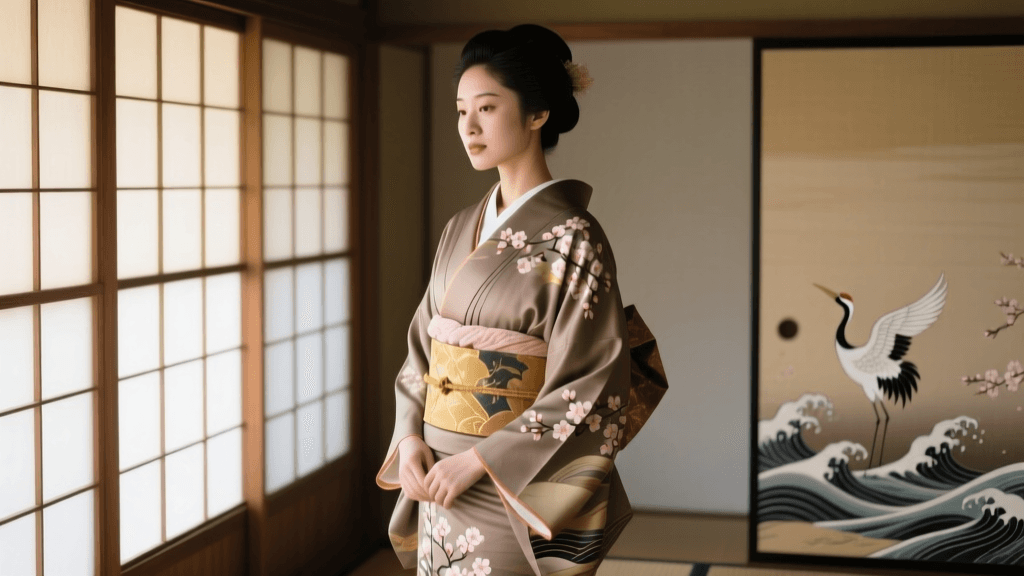
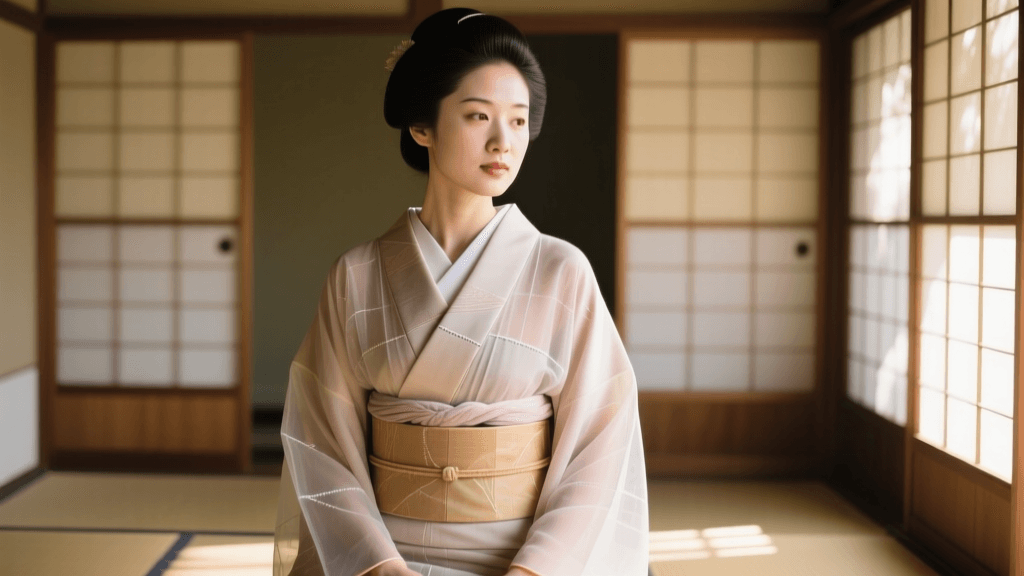
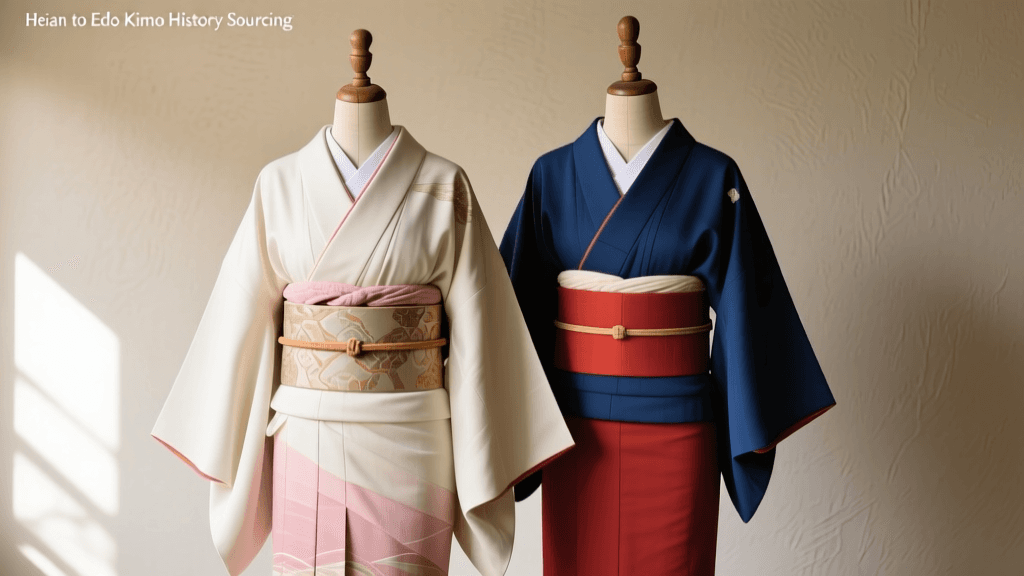
The evolution of the Japanese kimono is a masterclass in textile innovation, social stratification, and aesthetic philosophy. Far from being a static garment, the kimono has undergone radical transformations across Japan's major historical periods. From the lavish, multi-layered ensembles of the Heian court to the streamlined, heavily patterned kosode of the Edo period merchant class, each era left an indelible mark on the silhouette and construction of traditional Japanese dress. Today, collectors, historians, and fashion enthusiasts seek out vintage and antique kimono not merely as clothing, but as wearable archives of Japanese history. This guide explores the dynastic shifts in Japanese fashion and provides a comprehensive, actionable framework for sourcing, measuring, and caring for historical garments in the modern market.
The Dawn of the Kimono: Heian Period (794–1185)
The Heian period represents the zenith of Japanese courtly aesthetics, characterized by an intense focus on seasonal awareness, poetry, and visual harmony. The defining garment of this era for aristocratic women was the junihitoe, or "twelve-layer robe." While the name suggests twelve layers, the ensemble could actually consist of anywhere from five to twenty unlined and lined silk robes worn over a base garment called the kosode.
The primary aesthetic principle of Heian fashion was kasane no irome, the meticulous layering of colors to evoke specific seasons, natural phenomena, or poetic sentiments. For example, a layering of pale green over yellow might represent the unfolding of willow leaves in early spring. The sleeves and hems were deliberately staggered to reveal these color combinations. The sheer weight of the junihitoe—often exceeding 20 kilograms—dictated a slow, gliding gait, reinforcing the secluded, serene lifestyle of the court nobility. According to the Victoria and Albert Museum, this period established the foundational Japanese reverence for textile color and seasonal motifs, principles that continue to dictate kimono formality today.
The Rise of the Kosode: Muromachi to Edo Period (1336–1868)
As the samurai class ascended to political dominance, the cumbersome layers of the Heian court were abandoned in favor of mobility and martial practicality. The kosode (meaning "small sleeve," referring to the narrow wrist opening compared to earlier court robes) transitioned from an undergarment to the primary outerwear for both men and women. By the Edo period (1603–1867), under the strict Tokugawa shogunate, the kosode had evolved into the garment we now globally recognize as the kimono.
The Edo period was defined by a booming urban merchant class (chonin) who, despite sitting at the bottom of the official social hierarchy, possessed immense wealth. Because the shogunate enacted strict sumptuary laws forbidding merchants from wearing ostentatious fabrics or bright colors on the outside of their garments, a rebellious aesthetic known as iki emerged. Merchants wore subdued, dark silks on the outside, but lined them with lavishly dyed, incredibly expensive silks hidden against the skin. Furthermore, the development of yuzen dyeing—a resist-dyeing technique using rice paste—allowed artisans to paint intricate, pictorial designs directly onto the silk, transforming the kimono into a canvas. The Metropolitan Museum of Art notes that the Edo period's integration of complex dyeing techniques shifted the focal point of Japanese fashion from woven patterns and layered colors to surface-level pictorial artistry.
The Meiji Era: Western Influence and Modernization (1868–1912)
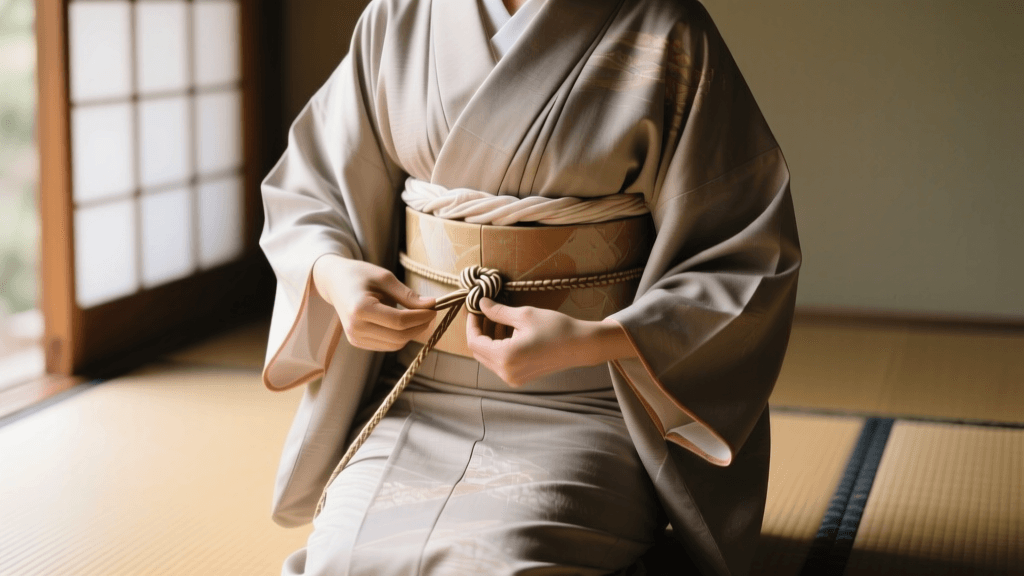
The Meiji Restoration opened Japan's borders, leading to a rapid influx of Western culture, technology, and chemical dyes. The government actively encouraged the adoption of Western dress (yofuku) for men and military personnel to project a modernized image to the world. However, women largely continued to wear kimono, though the silhouettes and motifs began to change. The introduction of synthetic aniline dyes from Europe allowed for vibrant, previously unattainable colors like deep purples and bright reds. The obi (sash) grew wider and stiffer, and the modern method of tying the obi at the back became standardized, shifting away from the Edo-period practice of tying it in the front, which was increasingly associated with courtesans.
Silhouette Comparison Chart: Heian vs. Edo vs. Meiji
| Era | Primary Garment | Sleeve Style | Obi / Sash Width | Aesthetic Focus |
|---|---|---|---|---|
| Heian (794–1185) | Junihitoe (Layered Robes) | Wide, open, staggered | Thin braided cord (kumihimo) | Layered color combinations |
| Edo (1603–1867) | Kosode (Single outer robe) | Tapered, small wrist opening | Medium (approx. 15-20 cm) | Yuzen dyed pictorial motifs |
| Meiji (1868–1912) | Kimono with Hakama (often) | Standardized, deeper pockets | Wide (approx. 30 cm), tied at back | Chemical dyes, Western motifs |
Practical Guide: Sourcing and Wearing Historical Kimono Today
Acquiring a genuine historical kimono—typically defined in the vintage market as pieces from the late Meiji, Taisho (1912–1926), or early Showa (1926–1989) periods—requires an understanding of traditional measurements, market dynamics, and textile care. Unlike Western vintage clothing, kimono are not sized by standard S/M/L metrics, nor do they rely on zippers or buttons.
Measurements and Sizing
When sourcing vintage kimono online or in person, you must rely on three critical measurements, usually listed in centimeters:
- Yuki (Center Back to Wrist): This is the most crucial measurement for fit. Measure from the base of your neck, over the shoulder, down to your wrist bone. Vintage Taisho-era kimono often run small, with a yuki of 60–63 cm, whereas modern standard sizes are closer to 68 cm. If the yuki is too short, the sleeves will pull awkwardly when you cross your arms.
- Mitake (Back Length): Measured from the base of the collar to the bottom hem. To determine your ideal mitake, measure your total height and subtract roughly 20–25 cm. This accounts for the ohashori, the horizontal fold tied at the waist that allows the kimono to be adjusted to the wearer's exact height.
- Sode-guchi (Sleeve Opening): The width of the wrist opening. Historical garments often feature smaller sode-guchi (around 20 cm), which can make passing a modern hand through the sleeve difficult without careful maneuvering.
Costs and Sourcing Locations
The cost of vintage Japanese garments varies wildly based on condition, dyeing technique, and provenance. According to data aggregated by the Kyoto National Museum and associated textile preservation societies, hand-painted yuzen silk from the early 20th century is highly prized.
- Everyday Vintage (Wool/Casual Silk): 3,000 to 8,000 JPY ($20 to $55 USD). Excellent for beginners or for upcycling into modern fashion.
- Collector Grade (Taisho/Early Showa Yuzen Silk): 30,000 to 80,000 JPY ($200 to $550 USD). These pieces feature complex resist-dyeing, metallic leaf application, and pristine linings.
- Museum Quality (Edo Period Fragments or Royal Provenance): 200,000+ JPY ($1,350+ USD). Usually sold through specialized auction houses in Kyoto or Tokyo, not open-air markets.
- Maru Obi (Fully Brocaded Sashes): Authentic early 20th-century maru obi are heavy, double-sided, and woven with real gold threads. Expect to pay between 15,000 and 40,000 JPY ($100 to $270 USD) for pieces in excellent condition.
Timing Your Purchases
To source authentic historical pieces, timing and location are paramount. In Tokyo, the Oedo Antique Market at the Tokyo International Forum is held on the first and third Sundays of the month. Arrive precisely at 9:00 AM when the gates open; professional dealers and costumers will strip the best Taisho-era silks within the first 45 minutes. In Kyoto, the Toji Temple Kobo Market, held on the 21st of every month, offers a more curated selection of vintage textiles, often with better preservation due to Kyoto's dry climate and historical role as the center of the silk weaving industry.
Caring for Historical Silk Garments
Historical kimono require specialized care to prevent the degradation of natural dyes and silk proteins. Never wash a vintage silk kimono in water. Instead, rely on maru-arai, a traditional Japanese dry-cleaning method where the garment is entirely unstitched, washed in specialized solvents, stretched on bamboo frames to dry, and then painstakingly resewn by a professional kimono tailor (shitateya). This process costs between 15,000 and 25,000 JPY ($100–$170 USD) and takes up to two months.
For home storage, avoid wire hangers, which will permanently distort the shoulder seams. Store the garment folded flat in a tatoushi (a specialized acid-free paper envelope) inside a paulownia wood chest (kiri-dansu). Paulownia wood naturally regulates humidity and repels insects, creating an ideal microclimate for preserving century-old silk.
"The kimono is not merely a covering for the body, but a reflection of the wearer's inner landscape, the passing of the seasons, and the accumulated artistry of generations. To wear a historical garment is to engage in a dialogue with the past." — Textile Conservation Department, Kyoto National Museum.
Conclusion
Understanding the transition from the layered majesty of the Heian court to the expressive, dyed canvases of the Edo and Meiji periods enriches the experience of collecting and wearing traditional Japanese garments. By respecting historical measurements, understanding the economics of the vintage market, and committing to proper textile preservation, modern enthusiasts can ensure that these masterpieces of Asian dynastic fashion survive for centuries to come.