Dressing for Matsuri: Yukata and Happi Festival Guide
The Heartbeat of Summer: Japanese Festival Attire
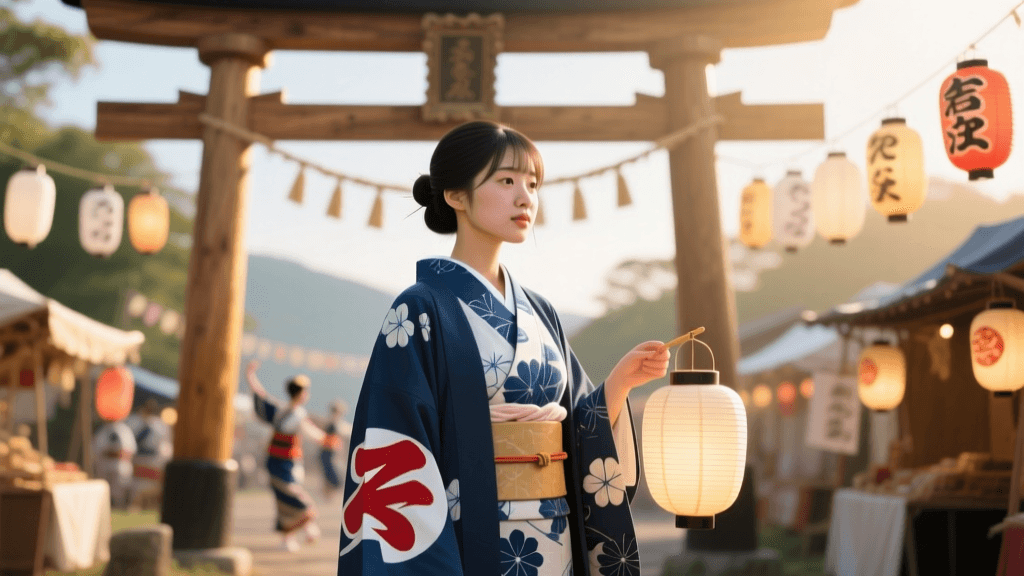
Japanese summer festivals, known as matsuri, are vibrant expressions of community, spirituality, and artistry. From the thunderous drumming and synchronized movements of the Awa Odori to the elegant Bon Odori dances honoring ancestral spirits, these events require attire that balances deep cultural reverence with the practical demands of performance and sweltering summer heat. For performers, dancers, and shrine carriers, selecting the right traditional Japanese clothing is not merely about aesthetics; it is about mobility, thermoregulation, and adherence to centuries-old customs. According to the Japan National Tourism Organization (JNTO), thousands of these festivals occur annually across the archipelago, each with distinct sartorial codes that dictate everything from the cut of the sleeve to the specific knot of the obi sash.
The Yukata: Elegance and Breathability in Motion
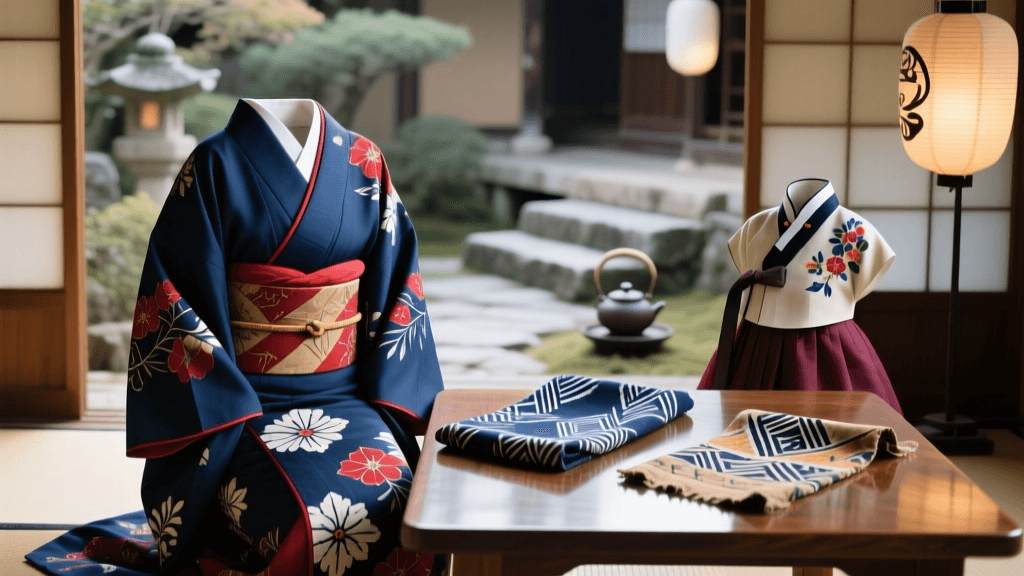
The yukata is the quintessential garment for summer festivals. Originally derived from the yukatabira—a simple hemp bathrobe worn by nobility during the Heian period—it evolved into the lightweight cotton robe seen today. For festival performances, particularly Bon Odori, the yukata is prized for its hitoe (unlined) construction, which allows for maximum airflow.
When selecting a yukata for active festival participation, fabric choice is paramount. While modern budget sets often use polyester blends, serious performers opt for men (100% cotton) or asa (linen) blends. High-end performance yukatas often feature chijimi or shijira weaves, which create a textured, crepe-like surface that prevents the fabric from clinging to sweaty skin. Proper sizing is critical for unrestricted dance movements. The two most important measurements are the mitake (back length), which should ideally hit right at the ankle bone to prevent tripping during dances, and the yuki (sleeve length), measured from the center of the back neck to the wrist. For female dancers, a standard yuki is around 64-68 cm, while male dancers typically require 70-75 cm.
The Happi Coat: The Spirit of the Mikoshi Porter
While the yukata is favored for elegance and dance, the happi coat is the undisputed uniform of the mikoshi (portable shrine) porters and taiko drummers. Originally worn by house servants in the Edo period bearing their lord's crest, the happi was adopted by festival troupes (ren) to display neighborhood or guild kanji on the back and collar.
Performance happi coats are traditionally dyed using natural indigo (aizome), which is renowned not only for its striking, deep blue hue but also for its natural antibacterial and insect-repellent properties—a vital feature for humid summer evenings. The cut of the happi is boxy with wide, open sleeves to facilitate the massive upper-body exertion required when lifting and carrying a two-ton mikoshi. Beneath the happi, performers almost universally wear a sarashi—a long strip of white cotton cloth wrapped tightly around the torso. The sarashi provides crucial lower-back and abdominal support during heavy lifting, absorbs sweat, and creates a striking visual contrast against the dark indigo of the happi when the coat flares open during vigorous chants.
Garment Comparison Chart for Festival Performers
| Feature | Yukata | Happi Coat | Jinbei |
|---|---|---|---|
| Primary Use | Bon Odori dances, fireworks viewing, parades | Mikoshi carrying, Taiko drumming, street stalls | Casual lounging, children's festival wear, relaxed dancing |
| Mobility Level | Moderate (restricted by skirt width and obi) | High (open front, wide sleeves, worn with hakama or shorts) | High (two-piece shorts and top design) |
| Standard Fabric | Cotton, Linen, Chijimi crepe | Heavy Indigo-dyed Cotton, Canvas | Lightweight Cotton, Seersucker |
| Avg. Cost (JPY) | ¥5,000 - ¥35,000 | ¥4,000 - ¥15,000 | ¥2,500 - ¥8,000 |
Performance Footwear and Accessories
Footwear can make or break a festival performance. For graceful Bon Odori dances, women typically wear geta (wooden clogs) with bare feet or specialized toe-socks, while men might wear zori (woven sandals). However, for high-energy performances or mikoshi carrying where grip and stability are essential, performers switch to jika-tabi. These split-toe shoes feature rubber soles that provide excellent traction on cobblestones and asphalt, preventing slips during synchronized stomping routines. According to cultural guides like Japan Guide, mastering the pairing of traditional tabi socks with appropriate footwear is a cornerstone of Japanese festival etiquette.
Accessories also serve functional performance roles. The tenugui, a versatile rectangular cotton towel, is frequently tied around the head as a hachimaki to keep sweat out of the eyes and hair out of the face. It can also be tucked into the obi to wipe hands during food stall duties or wrapped around the knuckles for grip when hoisting shrine poles.
Obi Knots for Active Performance
The obi (sash) secures the yukata and happi, but the knot must be chosen based on the physical demands of the event. For female Bon Odori dancers, the bunko musubi (butterfly knot) is standard. It is visually striking, sits high on the back, and does not interfere with the arm movements required for holding fans or castanets. For male performers and mikoshi porters, the kai no kuchi (clam shell knot) is preferred. It is flat, compact, and sits lower on the hips, ensuring it does not dig into the spine when leaning backward to support the immense weight of a portable shrine. Tying the obi with the correct tension is vital: too loose, and the garment will slip during vigorous movement; too tight, and it will restrict diaphragmatic breathing necessary for loud festival chants (kakegoe).
Sourcing, Fitting, and Timing Your Wardrobe
If you are planning to participate in a Japanese summer festival, timing your purchase is crucial. Retailers begin stocking festival attire in early May, with the best selections available through June. By late July, popular sizes and premium patterns are often sold out. For budget-friendly, entry-level performance wear, large supermarket chains like AEON and Ito-Yokado offer complete yukata and jinbei sets ranging from 3,000 to 6,000 JPY ($20 to $40 USD). These are usually made of easy-care polyester-cotton blends that withstand frequent machine washing.
For serious performers and troupe leaders seeking authentic, breathable, and durable garments, specialty shops are required. Brands like Chikusen in Tokyo or Kyoto's traditional dyers offer hand-dyed chusen cotton yukatas and happi coats. The chusen technique involves pouring dye through folded fabric, resulting in vibrant patterns that penetrate entirely through the cloth, meaning the inside is as colorful as the outside. These premium garments range from 15,000 to 40,000 JPY ($100 to $270 USD). For custom happi coats bearing a specific dance troupe's kanji, orders must be placed with local dyers at least three to four months in advance of the summer season.
Care and Maintenance for Performance Wear
Authentic festival garments, particularly those dyed with natural indigo, require specific care to maintain their structural integrity and color. Indigo dye is notorious for bleeding, especially during the first few washes. Happi coats and indigo yukatas should be hand-washed separately in cold water using a neutral pH detergent. Never use bleach or tumble dryers, as high heat will shrink the cotton and cause the stiff collar (eri) to warp. To preserve the crisp lines of the garment, they should be hung to dry in the shade—direct sunlight will rapidly fade natural dyes. For polyester or synthetic blend yukatas used in heavy-sweat performances, a gentle machine wash in a mesh laundry bag is acceptable, followed by line drying.
Conclusion
Dressing for a Japanese matsuri is an immersive preparation that connects the wearer to generations of performers who have danced, chanted, and carried shrines through the same streets. Whether you are wrapping a supportive sarashi beneath a heavy indigo happi coat for a mikoshi parade, or adjusting the butterfly knot of a breathable cotton yukata for a Bon Odori circle, understanding the functional design of these garments elevates the experience. As highlighted by institutions like the Awa Odori Kaikan, the true beauty of Japanese festival wear is not just in its striking visual patterns, but in how it moves, breathes, and lives in harmony with the human body during moments of profound communal celebration.