Martial Arts vs Tea Ceremony Hakama: A Garment Guide
The Philosophy Woven into Traditional Japanese Uniforms
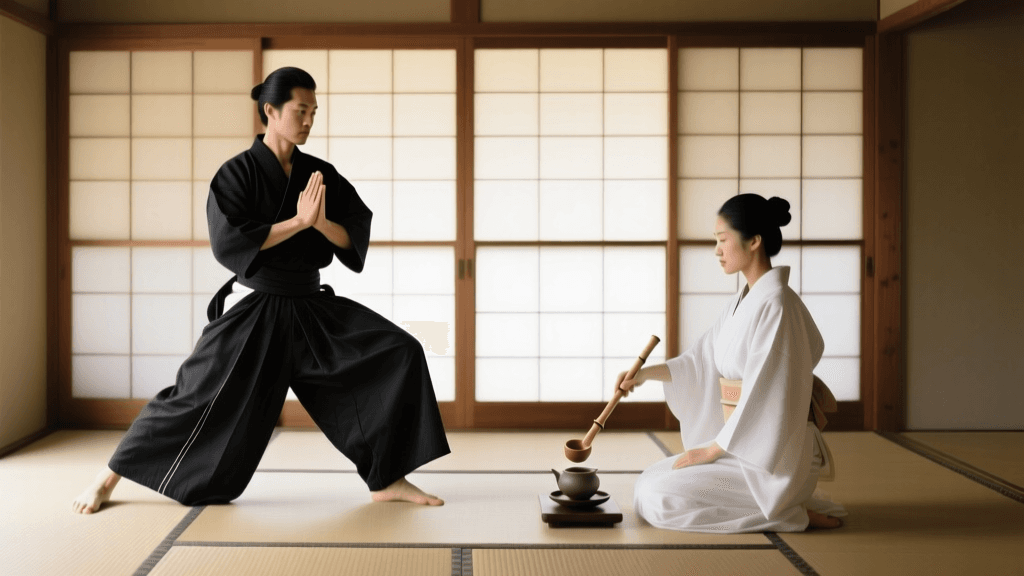
In the study of traditional Japanese arts, the garments worn are never merely functional; they are physical manifestations of the practitioner's mindset. This is especially true when examining the intersection of Budo (the martial way) and Chado (the way of tea). While martial arts like Kendo and Aikido demand explosive movement, grounded stances, and rigorous physical endurance, the Japanese tea ceremony (Chanoyu) requires meticulous stillness, graceful economy of motion, and deep mindfulness. Despite these contrasting physical demands, both disciplines share a foundational garment: the hakama.
However, the hakama worn in the dojo differs vastly in material, construction, and etiquette from the hakama worn in the tea room. Understanding these nuances is essential for practitioners, collectors, and enthusiasts of Asian traditional garments. This guide explores the specific uniforms of both worlds, offering actionable advice on sizing, sourcing, and maintaining these iconic pieces of Japanese heritage.
Martial Arts Uniforms: Function, Flow, and Durability
In martial arts such as Kendo, Aikido, and Iaido, the standard uniform consists of a keikogi (training jacket) and a hakama (pleated trousers). The primary purpose of the martial arts hakama is to allow for a full range of motion while concealing footwork from opponents and protecting the legs during intense sparring or weapons practice.
Materials and Construction: Most modern dojo practitioners opt for Tetron, a highly durable polyester-rayon blend that resists wrinkling, holds its pleats permanently, and is machine washable. For advanced practitioners and competitors, traditional aizome (indigo-dyed) heavy cotton is the gold standard. Indigo dye is prized not just for its deep, beautiful color that fades uniquely over time, but for its natural antibacterial and odor-resistant properties.
Costs and Sourcing: A standard Tetron hakama typically costs between $45 and $120, making it an accessible choice for beginners. Premium, hand-dyed aizome cotton hakama can range from $180 to over $300, depending on the weight of the cotton and the number of dye vats used. The All Japan Kendo Federation strictly regulates the dimensions and colors of tournament-legal hakama, mandating deep navy or indigo hues to maintain uniformity and respect for tradition on the competition floor.
Tea Ceremony Attire: Elegance, Restraint, and Formality
The Japanese tea ceremony elevates hospitality and aesthetics to a spiritual practice. Attire in the tea room must reflect the principles of wa, kei, sei, jaku (harmony, respect, purity, and tranquility). Clothing should never distract the host or the guests; it must blend seamlessly into the serene environment of the chashitsu (tea room).
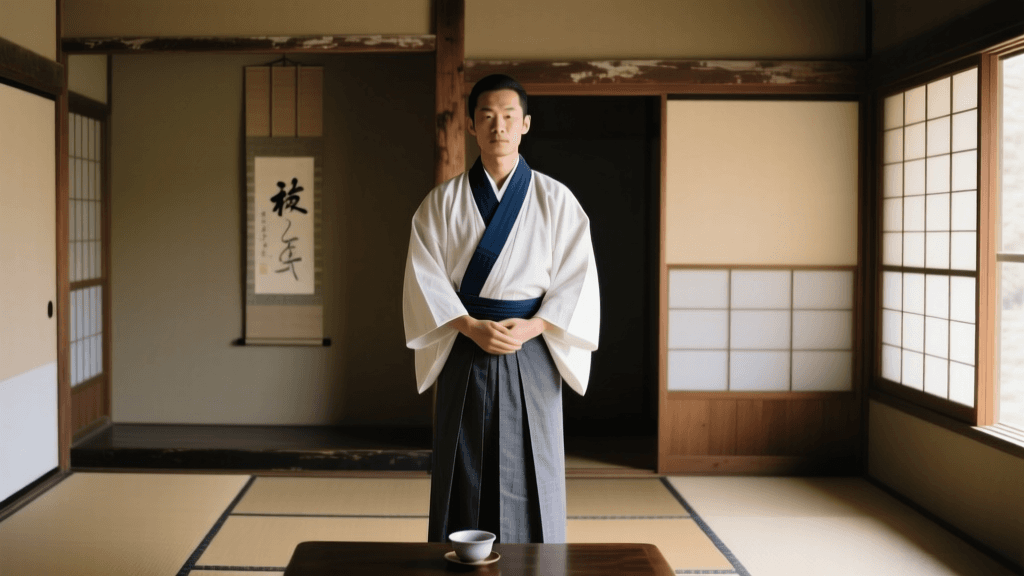
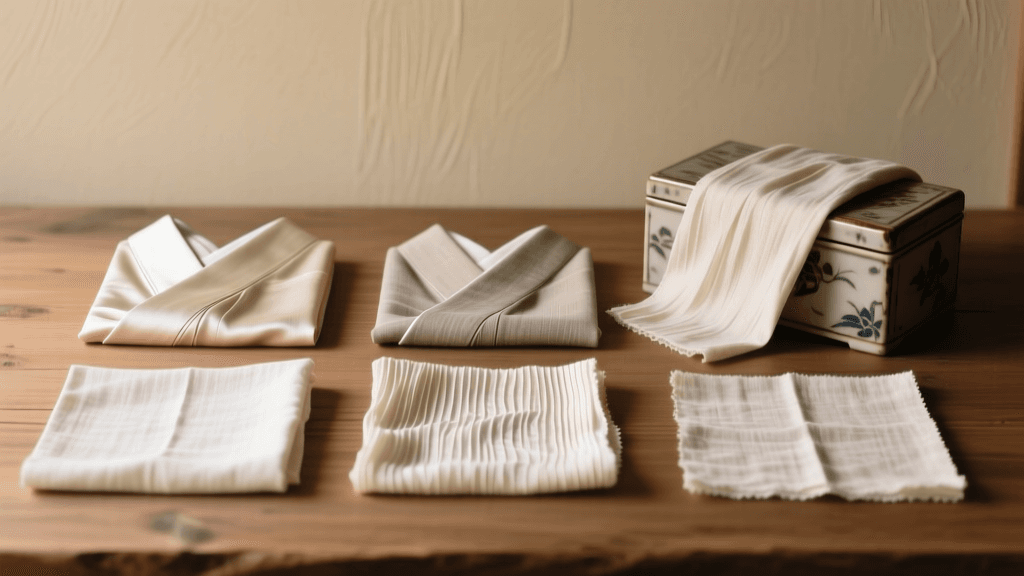
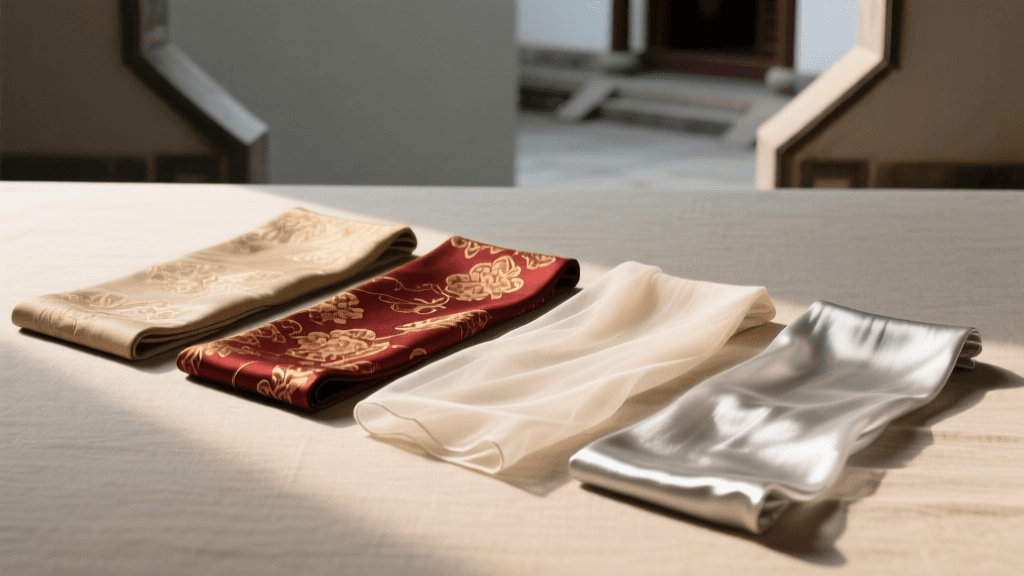
Men's Formal Wear: For formal tea gatherings (chaji), male practitioners and guests wear the montsuki haori hakama. This ensemble features a silk kimono adorned with five family crests (kamon), a matching silk haori (jacket), and a formal silk hakama. The fabrics are often chirimen (silk crepe) or fine woven silk with subtle, subdued patterns like komon. Colors are strictly muted: charcoal, deep navy, olive, or slate gray.
Women's Formal Wear: Female practitioners typically wear a formal homongi or tsukesage kimono, or a more subdued iro-muji (solid color kimono with one crest) for less formal gatherings. While women do not traditionally wear hakama in standard Urasenke tea practice, the Urasenke Foundation emphasizes that all tea ceremony attire, including the mandatory white split-toe tabi socks, must be immaculately clean and appropriately scaled to the season and formality of the event.
Costs and Sourcing: A complete, high-quality silk montsuki set is a significant investment, often costing between $400 and $1,200. However, for daily practice, many students purchase washable polyester-silk blend hakama and kimono, which cost around $80 to $150 and offer the aesthetic of silk without the rigorous dry-cleaning requirements.
Comparison Chart: Budo vs. Chado Hakama
| Feature | Martial Arts (Budo) Hakama | Tea Ceremony (Chado) Hakama |
|---|---|---|
| Primary Material | Heavy Cotton, Tetron (Poly/Rayon) | Silk, Silk Crepe (Chirimen), Synthetic Blends |
| Color Palette | Indigo, Navy, Black, White (Aikido) | Charcoal, Slate, Olive, Muted Earth Tones |
| Waistband (Himo) | Wide, stiff cotton for tight tying | Narrower, softer silk or synthetic |
| Back Plate (Koshi-ita) | Rigid plastic or heavy leather | Soft, flexible, or absent depending on style |
| Average Cost | $45 - $300 | $80 (Practice) - $1,200+ (Formal Silk) |
| Maintenance | Machine wash (Tetron), Hand wash (Indigo) | Dry clean only (Silk), Machine wash (Synthetic) |
The Symbolism of the Seven Pleats
Whether worn in the dojo or the tea room, the traditional hakama features seven deep pleats: five in the front and two in the back. These are not merely structural; they represent the seven virtues of the Samurai and Confucian philosophy, serving as a moral compass for the wearer:
- Jin (Benevolence): Compassion and love for others.
- Gi (Justice): Righteousness and moral integrity.
- Rei (Courtesy): Respect, etiquette, and grace (highly emphasized in the tea room).
- Chi (Wisdom): Intelligence and understanding.
- Shin (Sincerity): Honesty and truthfulness.
- Chu (Loyalty): Devotion to one's master, art, or community.
- Ko (Filial Piety): Respect and care for one's ancestors and parents.
How to Measure and Fit Your Hakama
Proper fit is critical. A hakama that is too long will cause tripping hazards during martial arts or drag on the tatami mats in a tea room, which is considered deeply disrespectful. To find your size, measure from your navel (or where you intend to tie the waistband) down to the top of your ankle bone.
Standard Sizing Guide:
- Size 22: 83 cm (Fits approx. 5'0" - 5'2")
- Size 23: 87 cm (Fits approx. 5'2" - 5'4")
- Size 24: 91 cm (Fits approx. 5'4" - 5'6")
- Size 25: 95 cm (Fits approx. 5'6" - 5'8")
- Size 26: 99 cm (Fits approx. 5'8" - 5'10")
- Size 27: 103 cm (Fits approx. 5'10" - 6'0")
- Size 28: 107 cm (Fits approx. 6'0" - 6'2")
Pro Tip: If you are between sizes, always size down for martial arts to prevent stepping on the hem during lunges, but size up for tea ceremony to ensure the garment drapes elegantly over your tabi socks while kneeling in seiza.
Care, Maintenance, and Storage
Maintaining traditional garments requires specific routines to preserve their lifespan and aesthetic.
Washing Indigo-Dyed Cotton (Budo): Never wash aizome cotton in a machine. Fill a basin with cold water and add one cup of white vinegar to help set the dye. Submerge the hakama for exactly 30 minutes. Gently agitate by hand, rinse with cold water, and hang to dry in the shade. Sunlight will rapidly bleach the natural indigo.
Folding the Hakama: Proper folding preserves the pleats and shows respect for the garment. Lay the hakama flat on a clean surface, aligning all seven pleats. Fold the left side over the right. Take the front himo (straps), which are wider, and fold them neatly in thirds. Fold the back himo similarly. Finally, fold the garment in thirds lengthwise. This process should take about three minutes and ensures the koshi-ita (back plate) remains unwarped.
Tea Ceremony Silk Care: Formal silk montsuki hakama must only be dry-cleaned by a specialist familiar with Japanese garments. Between wears, air them out in a shaded, well-ventilated room for 24 hours to remove moisture and odors before returning them to their tato (traditional paper envelope) for storage.
Conclusion
Whether you are stepping onto the wooden floor of a kendo dojo or sliding through the small wooden door of a rustic tea hut, the hakama serves as a bridge to centuries of Japanese tradition. By understanding the distinct material requirements, symbolic meanings, and care protocols of both martial arts and tea ceremony uniforms, practitioners can honor the profound heritage woven into every pleat and thread.