Traditional Japanese Practice Wear: Samue and Keikogi Guide
The Intersection of Stillness and Motion in Japanese Attire
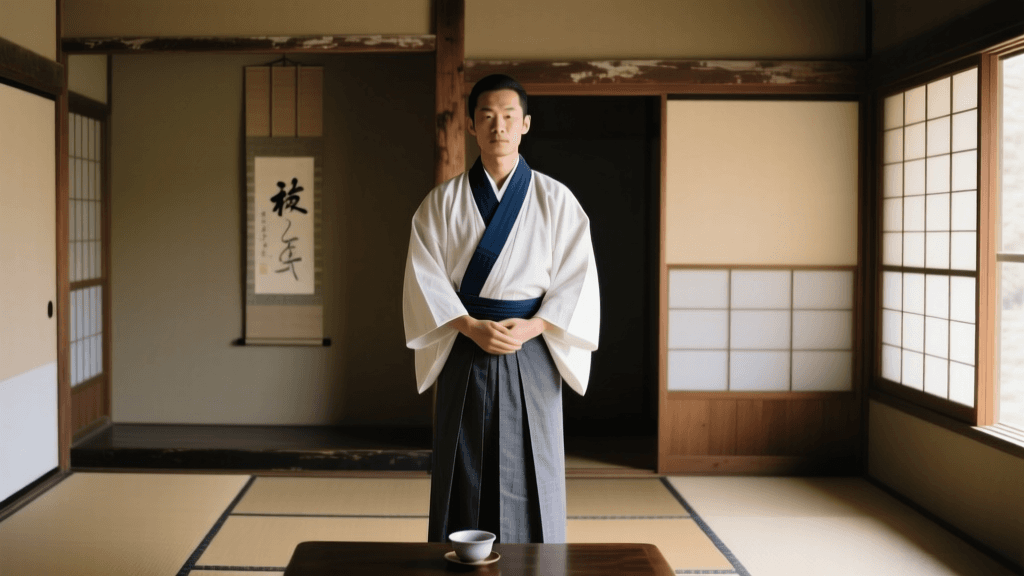
Traditional Japanese culture places a profound emphasis on the concept of do (the way), whether expressed through the serene, calculated movements of the tea ceremony (Chado) or the explosive, disciplined techniques of martial arts (Budo). While the physical demands of these practices are polar opposites, their traditional uniforms—the Samue and the Keikogi—share a common philosophical root: functionality, humility, and a deep respect for the craft. For modern practitioners and collectors of Asian traditional garments, understanding the nuances of these practice uniforms offers a gateway into the material culture of Japan.
Samue: The Artisan and Tea Ceremony Uniform
Originally developed as workwear for Zen Buddhist monks, the Samue has evolved into the standard attire for artisans, calligraphers, and tea ceremony practitioners. Unlike the highly formal kimono, the Samue is designed for unrestricted movement and ease of wear, consisting of a wrap-style jacket (uwagi) and loose-fitting trousers (zubon) secured with simple tie closures rather than complex obi sashes.
Fabric and Dyeing Techniques
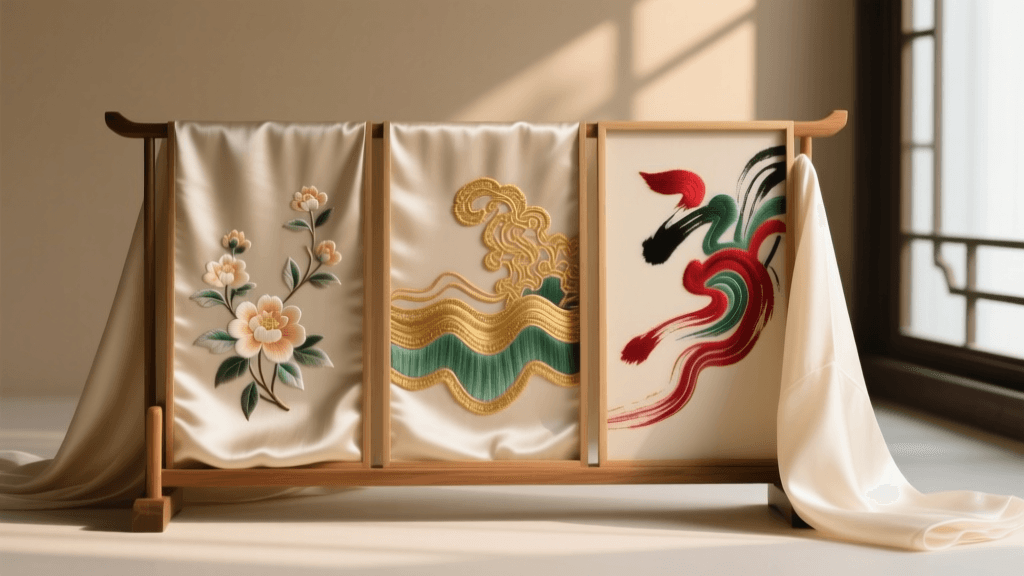
Authentic Samue are frequently crafted from breathable cotton or hemp blends, dyed using traditional methods. The most iconic color is tetsukon (Japan Blue), achieved through natural indigo fermentation. According to the Ministry of Economy, Trade and Industry, regions like Tokushima are renowned for Awa Ai (Tokushima Indigo), a traditional craft that yields a deep, insect-repellent blue perfectly suited for humid tea rooms and summer workshops.
Practical Sizing and Costs
- Measurements: Samue sizing is generally forgiving. Measure your chest and waist, then add 2 inches for the traditional relaxed drape.
- Trousers: Look for an elastic or drawstring waist with a slightly cropped inseam (usually 26-28 inches) to prevent tripping when kneeling in seiza.
- Cost Expectations: Mass-produced cotton Samue range from $40 to $80. Hand-dyed, artisan-crafted hemp sets from Kyoto or Kurume typically cost between $120 and $250.
Keikogi: The Architecture of Martial Arts Uniforms
The Keikogi (practice clothing) is the uniform of the martial artist. Evolving from the everyday garments of the Edo period, the modern Keikogi was standardized in the late 19th century by Jigoro Kano for Judo. Today, variations exist for Karate, Aikido, and Kendo, each engineered to withstand immense physical stress while allowing full biomechanical articulation.
Weave Patterns and Structural Integrity
The durability of a Keikogi lies in its weaving and stitching. Premium uniforms feature Sashiko (rice-grain) stitching on the upper body to resist grabbing and tearing, and Hishi-zashi (diamond) stitching on the lower half for flexibility. The International Judo Federation Judogi Rules strictly dictate that competition-grade uniforms must maintain a specific fabric weight and lapel thickness to ensure fairness and safety, highlighting the extreme technical specifications required in modern Budo gear.
Selecting the Right Weight
- Single Weave (approx. 650 gsm): Lightweight, breathable, and fast-drying. Ideal for Karate, summer Aikido practice, or beginners.
- Double Weave (approx. 880+ gsm): Heavy, stiff, and highly durable. Necessary for Judo and rigorous grappling arts. Requires a break-in period of 3 to 5 washes.
- Cost Expectations: Entry-level single-weave uniforms start around $50. Premium, Japanese-milled double-weave Keikogi (such as those from Iwata or Shozakura) range from $180 to over $350.
Comparative Analysis: Samue vs. Keikogi
| Feature | Samue (Tea/Artisan) | Keikogi (Martial Arts) |
|---|---|---|
| Primary Function | Modesty, comfort, ease of movement for kneeling/sitting. | Impact resistance, grip durability, biomechanical freedom. |
| Standard Fabrics | Lightweight cotton, hemp, linen blends. | Heavyweight cotton canvas, sashiko-weave, polyester blends. |
| Closure System | Fabric ties, elastic waists, hidden inner strings. | Thick woven lapels, reinforced tie strings, external belts (Obi). |
| Average Cost | $45 - $250 | $60 - $350+ |
| Maintenance | Delicate wash for indigo; air dry to preserve hemp fibers. | Hot wash for shrinkage control; tumble dry low or hang dry. |
The Role of the Obi and Accessories in Practice Wear
While the tea ceremony and martial arts utilize different primary garments, both rely heavily on the obi (belt) and specialized accessories to complete the uniform and ensure functional integrity.
Martial Arts Belts (Budo Obi)
In martial arts, the obi is a critical structural component. A standard Judo or Aikido belt is approximately 4.5 cm wide and made from tightly woven cotton canvas. The length must allow for a double-wrap around the waist with enough excess to tie a secure, flat square knot. For a practitioner with a 34-inch waist, a size 4 belt (approx. 284 cm) is ideal. High-quality belts feature a reinforced core that prevents rolling and fraying during grappling, costing between $25 and $60.
Tea Ceremony Accessories
In the context of the tea ceremony, the Samue is often paired with a simple, narrow cotton belt or a traditional himo (braided cord). Unlike the stiff canvas of Budo, these cords are soft and flexible, ensuring they do not dig into the abdomen during prolonged periods of kneeling in seiza. Additionally, practitioners often wear tabi (split-toe socks). For tea ceremonies, white cotton tabi are mandatory, symbolizing purity and cleanliness, whereas martial artists typically practice barefoot or wear specialized indoor grappling shoes.
Crossover and Modern Wardrobe Integration
While traditionally siloed, modern practitioners of Japanese culture often find their wardrobes overlapping. The Japan National Tourism Organization notes that the tea ceremony emphasizes harmony and tranquility, principles that resonate deeply with the meditative aspects of martial arts. Consequently, many modern martial artists wear a lightweight, indigo-dyed Samue as a travel uniform or warm-up garment before donning their heavy Keikogi.
Care Instructions for Longevity
Whether you are maintaining a delicate tea ceremony Samue or a rugged Judo Keikogi, proper care is essential:
- Indigo Preservation: Never wash natural indigo Samue with alkaline detergents or bleach, as this strips the dye. Use a pH-neutral soap and wash in cold water (below 30°C).
- Shrinkage Management: Cotton Keikogi can shrink up to 8% in the first wash. To achieve a custom fit, wash the new uniform in warm water and hang it to dry, gently pulling the sleeves and lapels to their desired length while damp.
- Odor Control: For martial arts gear that cannot be washed frequently (like Kendo armor under-layers or heavy winter Samue), use a traditional Japanese hinoki (cypress) wood block in your storage drawer to naturally repel moisture and odors.
Conclusion
The Samue and the Keikogi are far more than mere clothing; they are tools of the trade, designed to facilitate a deeper connection to the discipline at hand. Whether you are whisking matcha in a Kyoto tea room or executing a throw on the tatami mats, selecting the right traditional uniform honors the history of the practice while providing the functional excellence required for mastery.