Kimono Textile Seasonality and Fabric Care Calendar
The Art of Koromogae: Understanding Kimono Seasonality
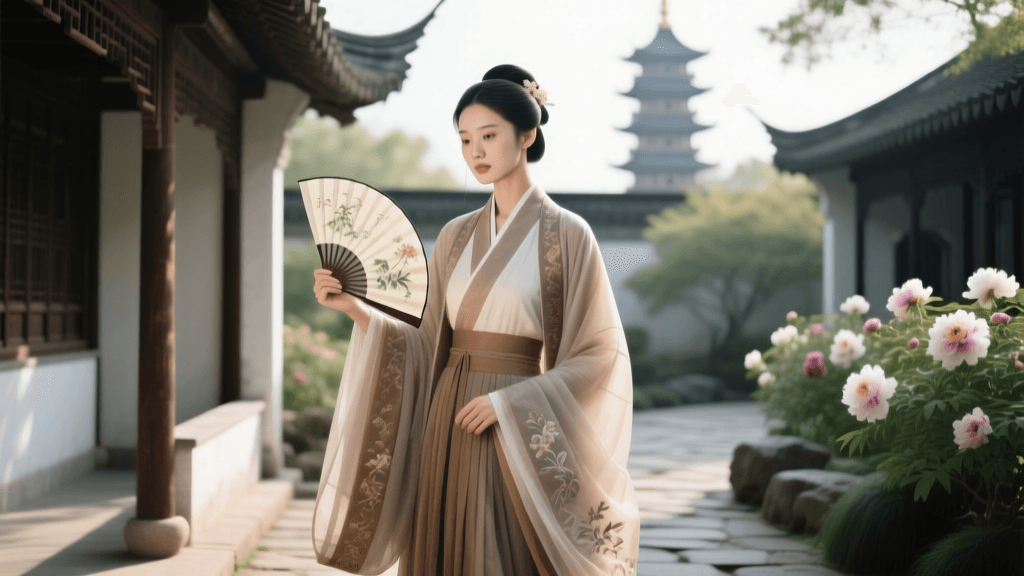
In the realm of traditional Japanese clothing, the changing of the seasons is not merely a matter of comfort; it is a deeply ingrained cultural aesthetic known as koromogae (the seasonal change of clothes). Historically rooted in the Heian period court rituals, koromogae dictates the precise dates when one transitions their wardrobe to align with the shifting climate and natural motifs. However, beyond the visual motifs of cherry blossoms or autumn maple leaves, koromogae is fundamentally governed by textile weight, weave structure, and the presence or absence of interior linings. Understanding this intricate system is essential for any collector, practitioner, or enthusiast of Japanese traditional garments.
The Japanese climate, characterized by sweltering, humid summers and crisp, dry winters, necessitated the development of highly specialized weaving techniques. As noted by the Metropolitan Museum of Art's Heilbrunn Timeline of Art History, Japanese textile artisans mastered the manipulation of silk threads to create fabrics that could either trap body heat or allow for maximum airflow, long before the advent of modern climate control. This mastery requires an equally meticulous approach to garment care, as the natural fibers used in kimono are highly susceptible to humidity, mold, and insect damage if not stored according to a strict annual calendar.
Kimono Textile Weights and Structural Categories
Before diving into the care calendar, one must understand the three primary structural categories of kimono, which directly correlate to textile weight and seasonality:
- Awase (Lined Kimono): Worn from October through May. These garments feature a distinct inner lining (usually of lightweight silk or synthetic habutae) that provides insulation and structural weight.
- Hitoe (Unlined Kimono): Worn during the transitional months of June and September. The fabric is a single layer, but the weave is generally opaque and substantial enough to hold its shape without a liner.
- Usumono (Sheer/Transparent Kimono): Worn during the peak heat of July and August. These are woven with highly twisted threads to create a gauze-like, breathable mesh.
Winter and Spring Silks: Chirimen and Tsumugi
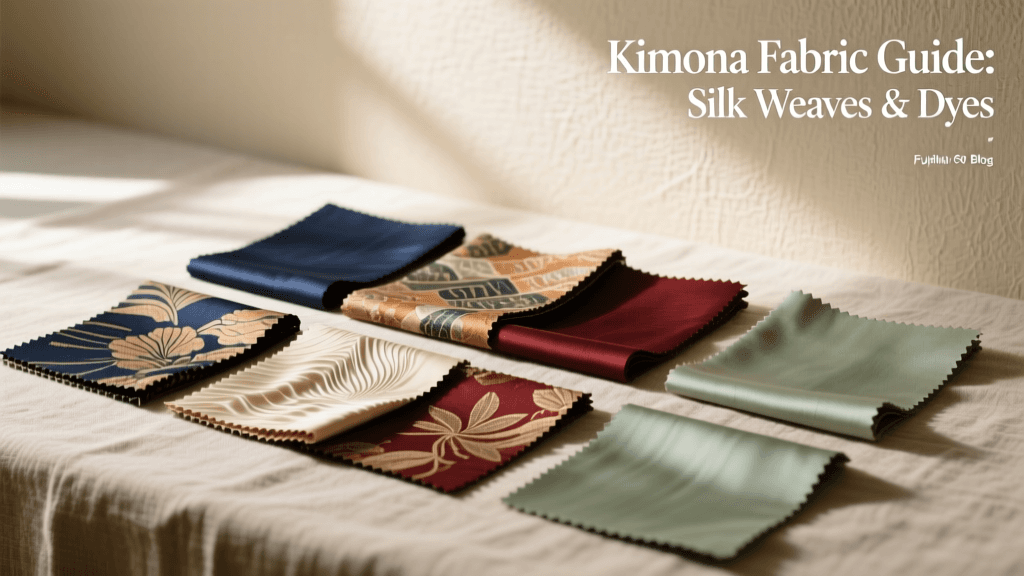
For the cooler months, chirimen (silk crepe) is the undisputed king of kimono textiles. By over-twisting the weft threads during the weaving process and then boiling the fabric, artisans create a textured, pebbled surface that is heavy, drapes beautifully, and traps warm air. Another cold-weather favorite is tsumugi (pongee), a slubby, rustic silk woven from spun silk threads rather than continuous filaments. Tsumugi is highly durable, breathable yet warm, and often worn in the deep winter or early spring. According to the Kyoto National Museum, the preservation of these heavy, protein-based fibers requires strict humidity control, as the natural sericin in the silk can attract pests if stored improperly during the humid summer months.
Summer Sheers: Ro and Sha
When the rainy season (tsuyu) ends and the oppressive heat of mid-summer sets in, the wardrobe shifts to ro and sha. Both are leno-weave gauze fabrics, but they differ in their visual and tactile qualities. Sha features a simple, grid-like open weave, making it incredibly lightweight and crisp. Ro, on the other hand, incorporates a chain-stitch-like pattern where warp threads cross over each other, creating a fabric with more drape and a slightly softer hand-feel. Because these fabrics are entirely transparent, the undergarments (nagajuban) worn beneath them become a visible part of the ensemble, often featuring cooling motifs like flowing water or morning glory.
Textile Weight and Seasonality Matrix
| Fabric Type | Weave / Weight | Category | Season / Months | Ideal Temperature |
|---|---|---|---|---|
| Chirimen (Crepe) | Heavy / Textured | Awase (Lined) | Oct - May | < 15°C (59°F) |
| Tsumugi (Pongee) | Medium / Slubby | Awase / Hitoe | Nov - Apr / Jun, Sep | 10°C - 22°C |
| Omeshi (Twill) | Medium-Heavy / Crisp | Awase (Lined) | Oct - May | < 18°C (64°F) |
| Komon (Fine Dye) | Medium / Smooth | Hitoe (Unlined) | Jun & Sep | 20°C - 25°C |
| Ro (Gauze) | Light / Sheer Drape | Usumono | Jul - Aug | > 26°C (78°F) |
| Sha (Gauze) | Light / Sheer Crisp | Usumono | Jul - Aug | > 28°C (82°F) |
The Annual Kimono Fabric Care and Storage Calendar
Maintaining a kimono collection requires a proactive, cyclical approach to fabric care. The traditional practice of mushiboshi (literally 'airing out bugs and moisture') is the cornerstone of kimono preservation. The Victoria and Albert Museum highlights that the structural integrity of historical Japanese garments relies heavily on the meticulous, cyclical unpacking, airing, and repacking of textiles by collectors and curators. Below is the actionable, month-by-month care calendar for the modern kimono owner.
Spring Care (March - May): Inspection and Rotation
As the weather warms, heavy winter awase kimono are worn for the final time. Before storing them away for the summer, each garment must be inspected for invisible stains. Silk is highly susceptible to oxidation; a drop of sweat or a smudge of foundation may be invisible today but will turn into a permanent brown spot over six months in storage.
- Action: Hang lined silk kimono on specialized wide-shouldered kimono hangers (emono-kake) in a well-ventilated, shaded room for 2 to 4 hours to release trapped body moisture.
- Timing: Choose a dry, breezy day. Never air silk in direct sunlight, as UV rays will rapidly degrade the protein fibers and fade natural dyes.
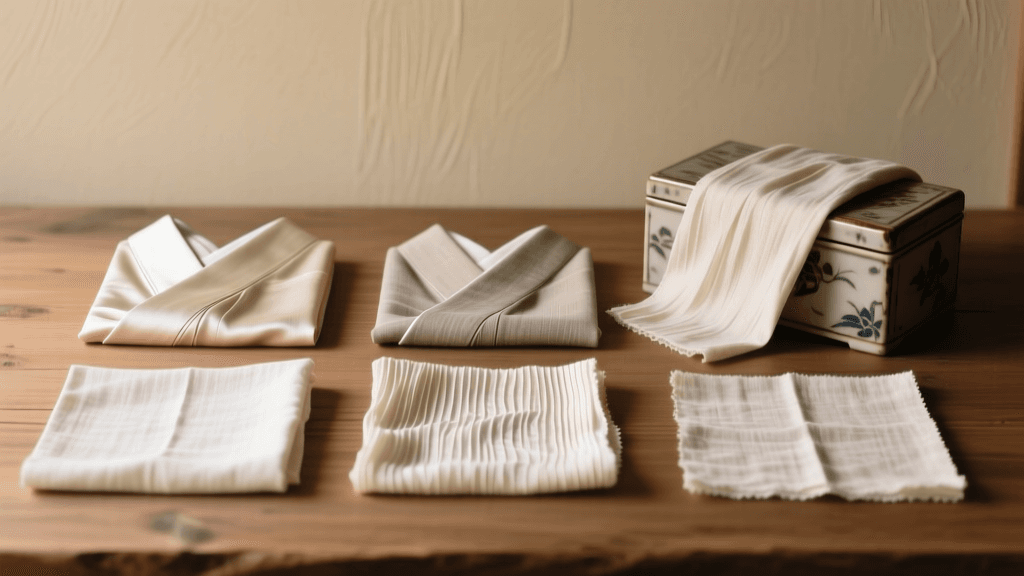
- Storage: Fold using the traditional hondatami method, wrap in acid-free tatoushi paper, and place in the bottom of your storage chest, as they will not be needed until late autumn.
Summer Care (June - August): The Humidity Battle
June brings the tsuyu (rainy season), the most dangerous time for Japanese textiles. High ambient humidity invites mold spores, which can bloom on silk and metallic threads within weeks. Mid-to-late summer (traditionally around the 'Dog Days' or Doyou no Ushi no Hi) is the time for the major mushiboshi of your winter wardrobe.
- Action: Open all storage drawers and boxes. Unfold every single winter and spring kimono. Hang them in an air-conditioned room with a dehumidifier running for 24 to 48 hours.
- Desiccants: Replace all silica gel packets or traditional shimon (drying agents) in your storage boxes. Ensure desiccants do not touch the silk directly, as they can draw moisture out of the fiber too aggressively, causing it to become brittle.
- Summer Garments: After wearing ro or sha, gently brush off dust with a soft silk brush and hang to dry before folding. Because summer sheers are often worn with heavy perspiration, professional cleaning is highly recommended at the end of August.
Autumn Transition (September - November): The Great Shift
September marks the return to hitoe (unlined) garments, and by October, the lined awase are brought back into rotation. This is the time to prepare your cold-weather wardrobe and store the summer sheers.
- Action: Inspect summer ro and sha for snags. Because leno-weave fabrics have floating threads, they easily catch on jewelry or rough skin. Do not attempt to pull snags; gently massage the fabric horizontally and vertically to coax the threads back into alignment.
- Storage: Wrap summer sheers individually. Never stack heavy winter kimono on top of delicate summer gauzes, as the weight will permanently crush the open weave structure.
Winter Storage (December - February): Static and Dust Management
Winter air is dry, which prevents mold but introduces static electricity. Static attracts dust and can cause the delicate silk linings to cling uncomfortably to the wearer's undergarments.
- Action: Use a silk-bristled brush to gently sweep the hem and sleeves of your kimono after every wearing. The hem accumulates street dust and dirt, which can grind into the fibers over time.
- Humidity Control: If you live in a climate with indoor central heating, the air may be too dry for silk. Maintain a room humidity level of around 50%. If the silk feels 'crackly' or generates sparks, the environment is too dry.
Essential Care Products and Cost Guide
Investing in the proper archival storage materials is non-negotiable for preserving the financial and historical value of traditional Japanese garments. Below is a guide to the essential products required for a proper care calendar.
- Kiribako (Paulownia Storage Boxes): Paulownia wood is the gold standard for kimono storage. It is naturally fire-resistant, repels insects, and its cellular structure swells in high humidity to seal the box, then shrinks in dry weather to allow airflow. Cost: $150 to $400+ per box (Standard dimensions: 85cm x 35cm x 30cm).
- Tatoushi (Archival Wrapping Paper): Never store silk in plastic, which traps off-gassing chemicals and moisture. Tatoushi are large sheets of acid-free, buffered paper used to fold the kimono inside. Cost: $10 to $25 per sheet (Standard size: 90cm x 120cm).
- Shounou (Natural Camphor) vs. Synthetic Mothballs: Traditional camphor is preferred for its pleasant scent and efficacy against silverfish. However, never use synthetic mothballs (naphthalene or paradichlorobenzene) near kimono with metallic threads (kinran/ginran), as the chemical fumes will cause the silver and gold leaf to oxidize and turn black. Cost: $15 to $30 for natural camphor blocks.
- Maruarai (Professional Full Wash): Unlike Western dry cleaning, which uses harsh solvents that strip silk of its natural oils, maruarai involves completely taking the kimono apart, washing the fabric bolts in water with mild agents, re-starching, and sewing it back together. Cost: $150 to $300+ per garment, typically done only once every 10-20 years or in case of severe soiling.
"The beauty of the kimono lies not just in its surface design, but in the living relationship between the textile, the wearer, and the passing seasons. To care for a kimono is to participate in the rhythm of the Japanese year."
Conclusion
Mastering kimono textile seasonality and adhering to a strict fabric care calendar transforms the act of dressing into a mindful, meditative practice. By understanding the structural differences between chirimen and ro, and by respecting the traditional cycles of mushiboshi, collectors and wearers ensure that these masterpieces of Asian textile heritage survive for generations. Whether you are investing in a paulownia chest for your winter silks or carefully brushing the hem of your autumn tsumugi, every action is a tribute to the artisans who wove the threads and the culture that continues to wear them.