Kimono Fabric Guide: Silk Weaves, Dyes, and Craftsmanship
The Soul of the Garment: Understanding Kimono Textiles
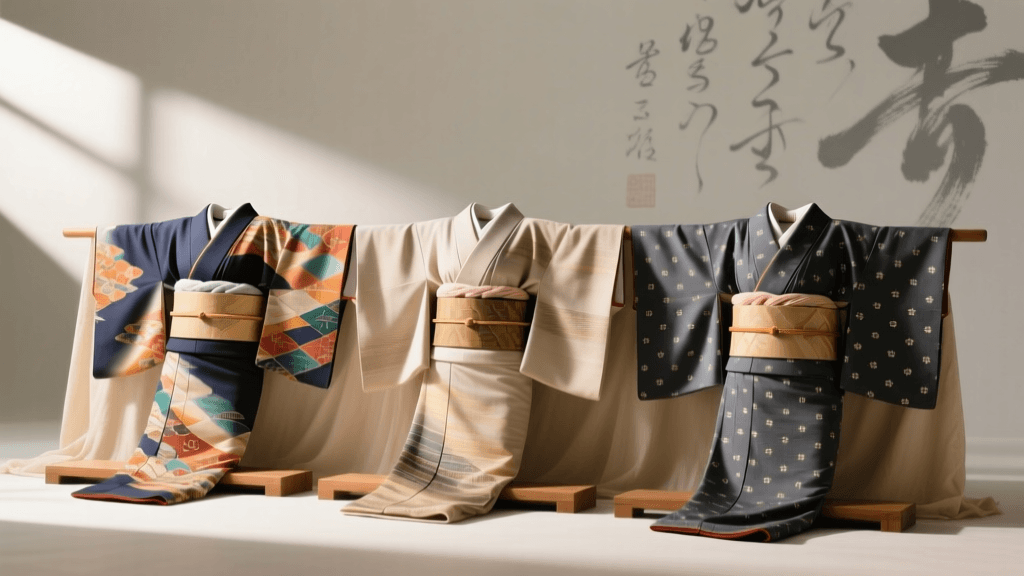
The soul of the Japanese kimono lies not merely in its silhouette, but in the extraordinary textiles from which it is constructed. For centuries, Japanese artisans have perfected the arts of silk weaving and dyeing, transforming raw threads into canvases that reflect the changing seasons, social status, and profound aesthetic philosophies. Understanding kimono craftsmanship and fabric types is essential for collectors, practitioners of traditional arts, and enthusiasts seeking to invest in authentic garments. This comprehensive guide explores the premier silk weaves, intricate dyeing techniques, and practical considerations for selecting and maintaining these masterpieces.
Premier Silk Weaves: The Foundation of Formalwear
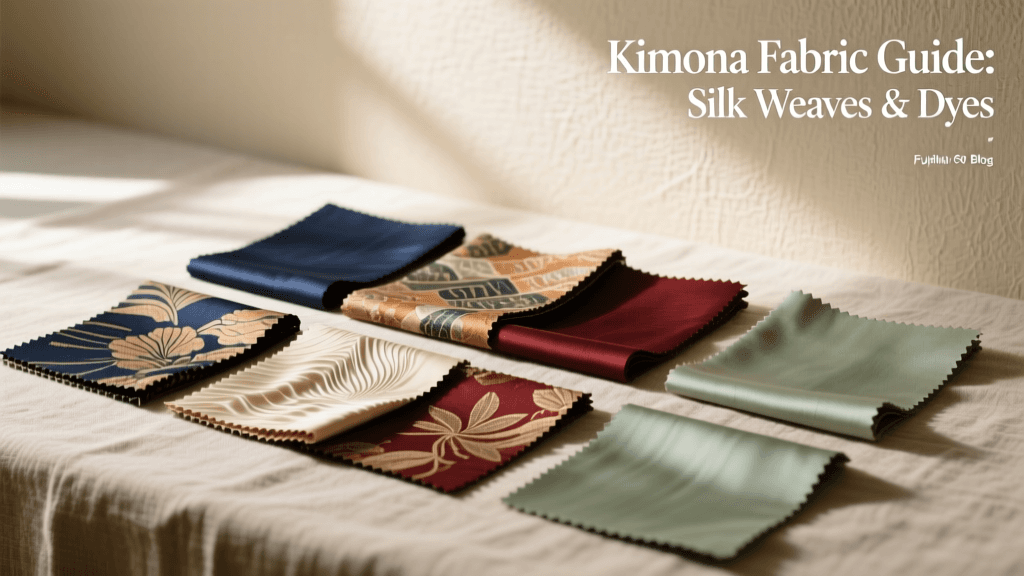
The base fabric, or kijima, dictates the formality, drape, and seasonal appropriateness of a kimono. While cotton (momen) and linen (asa) are used for casual summer wear, silk (kinu) remains the undisputed standard for formal and ceremonial attire.
Nishijin-ori (Brocade)
Originating in the Nishijin district of Kyoto following the devastating Onin War in the 15th century, Nishijin-ori represents the pinnacle of Japanese brocade weaving. This technique involves pre-dyeing the silk threads before weaving them into complex, multi-layered patterns. The result is a heavy, luxurious fabric with a raised, embroidered-like texture. Nishijin-ori is predominantly used for obi (sashes) and highly formal kimono, such as the uchikake (wedding overcoat). Due to the intense labor and specialized looms required, an authentic Nishijin-ori obi can cost anywhere from $800 to over $10,000 USD.
Chirimen (Crepe Silk)
Chirimen is characterized by its distinctive pebbled texture, achieved by tightly twisting the weft threads during the weaving process and then relaxing them. This creates a fabric with excellent drape, resilience against wrinkling, and a subtle matte finish. Chirimen is the most versatile and widely used silk for kimono, particularly for the elegant houmongi (visiting wear) and komon (everyday patterned silk). It takes dye beautifully, making it the preferred canvas for intricate Yuzen designs.
Rinzu (Damask)
Rinzu is a figured silk damask that features a subtle, glossy pattern woven into a matte background. Unlike the bold, contrasting colors of Nishijin-ori, Rinzu relies on the play of light across the weave to reveal its motifs, often featuring auspicious symbols like cranes, pine, or plum blossoms. Its understated elegance makes it a popular choice for formal furisode (long-sleeved kimono for unmarried women) and iromuji (solid-colored formal kimono).
The Art of Color: Yuzen and Shibori Dyeing
Once the silk is woven, it serves as a canvas for Japan's most celebrated dyeing techniques.
Kyo-Yuzen and Kaga-Yuzen
Yuzen dyeing is a resist-dyeing technique that allows for incredibly detailed, painterly designs. Kyo-Yuzen (from Kyoto) is known for its vibrant, stylized motifs and generous use of gold leaf, while Kaga-Yuzen (from Kanazawa) favors realistic, nature-inspired designs and a specific five-color palette (kaga-gosai). The Yuzen process begins with aobana (spiderwort) ink sketching, which washes out later. Next, itome-nori (rice paste) is applied along the lines to resist dye. The artisan then applies colors using small brushes, followed by a rigorous steaming process to set the dyes. Finally, metallic accents like gold or silver leaf (haku) or embroidery (shishu) are added. Commissioning a master artisan to create a bespoke Yuzen kimono requires a timeline of 3 to 6 months and an investment ranging from $3,000 to $15,000 USD.
Shibori (Tie-Dye)
Shibori encompasses various manual resist-dyeing techniques. The most labor-intensive is Kanoko shibori, where thousands of tiny dots are individually tied with thread before dyeing to create intricate geometric or floral patterns. A fully tied Kanoko shibori furisode can take an artisan over a year to complete, making it one of the most expensive and highly prized kimono fabrics in existence.
Practical Guide: Selecting, Sizing, and Commissioning
Purchasing or commissioning a kimono requires an understanding of traditional measurements, construction methods, and seasonal rules.
Understanding the Tanmono and Construction
Unlike Western clothing cut from wide bolts of fabric, kimono are constructed from a single bolt of cloth called a tanmono. A standard tanmono measures approximately 38 centimeters in width and 11 to 12 meters in length. The straight-line cutting method utilizes specific panels: the main body panels are the migoro, the front overlapping panels are the okumi, the sleeves are the sode, and the collar is the eri. This geometric construction means the fabric's width dictates the maximum hip measurement, requiring precise folding and tying techniques (kitsuke) to fit various body types without altering the garment's cut.
Seasonality and Fabric Weight
Japanese dress codes are strictly governed by the seasons:
- Awase (Lined): Worn from October to May. These kimono feature a silk lining and are made from medium-weight Chirimen or Rinzu.
- Hitoe (Unlined): Worn in June and September. Made from a single layer of silk, often featuring lightweight Chirimen or specialized unlined weaves.
- Ro and Sha (Sheer): Worn in July and August. These are leno-weave silks with visible gaps in the fabric, providing breathability during the humid Japanese summer.
Cost and Commissioning Timeline
When budgeting for authentic garments, consider the following market averages for new, artisan-crafted pieces:
- Standard Chirimen Komon: $400 - $800 USD.
- Hand-painted Houmongi: $1,500 - $4,000 USD.
- Maru-arai (Professional Cleaning): $30 - $50 USD per garment.
Comparison of Traditional Kimono Fabrics
| Fabric / Technique | Characteristics | Primary Use | Estimated Cost (USD) |
|---|---|---|---|
| Nishijin-ori | Heavy, pre-dyed brocade, raised textures | Formal Obi, Uchikake | $800 - $10,000+ |
| Chirimen | Matte, pebbled crepe, excellent drape | Komon, Houmongi, Hitoe | $400 - $2,500 |
| Rinzu | Figured damask, subtle glossy patterns | Furisode, Iromuji | $600 - $3,000 |
| Kyo-Yuzen | Hand-painted resist dye, vibrant, gold leaf | Tomesode, Houmongi | $3,000 - $15,000 |
| Kanoko Shibori | Micro tie-dye, incredibly labor-intensive | Furisode, Formal Obi | $5,000 - $20,000+ |
Authenticating Nishijin-ori
When purchasing a Nishijin-ori obi, examine the reverse side. Authentic brocade will show a complex but neat arrangement of floating threads, whereas machine-embroidered imitations will show a messy backing or a uniform mesh. Always look for the official Nishijin Textile Industry Association certification tag, which guarantees the fabric was woven in the Kyoto district using traditional methods.
Preservation: Caring for Your Silk Investment
Proper care is vital to preserving the structural integrity and vibrancy of silk kimono. Never attempt to wash a silk kimono at home. Instead, utilize a specialized kimono cleaner for a process called maru-arai, which involves disassembling the garment, washing the panels, and resewing it to ensure the seams do not pucker.
For storage, avoid plastic bags, which trap moisture and promote mold. Wrap your folded kimono in acid-free tatoushi paper. For long-term storage and protection against humidity and insects, invest in a kiribako, a traditional chest made from paulownia wood. Paulownia naturally regulates moisture and contains tannins that repel insects, providing the ideal microclimate for delicate silk textiles.
Conclusion
The craftsmanship behind traditional Japanese kimono fabrics represents a harmonious blend of technical precision and artistic expression. From the structural brilliance of the tanmono to the painterly mastery of Kyo-Yuzen, these textiles are wearable archives of Japanese history. By understanding the distinct characteristics of silk weaves and dyeing techniques, enthusiasts can make informed decisions, ensuring these magnificent garments continue to be cherished for generations.
Authoritative Sources
For further reading on the historical and technical evolution of these textiles, consult the following authoritative resources: