The Hanfu Revival: A Practical Guide to Your First Wardrobe
The Modern Hanfu Revival Movement
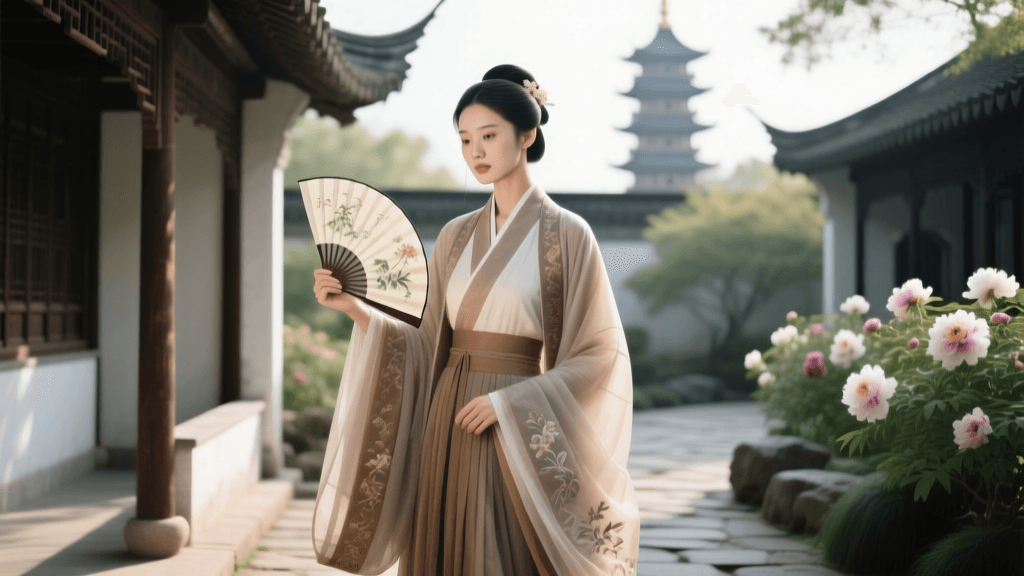
The 'Hanfu Yundong' (Hanfu Movement) is one of the most fascinating cultural phenomena of the 21st century. What began in the early 2000s as a niche interest on Chinese internet forums has blossomed into a vibrant, multi-generational cultural reclamation. Unlike cosplay or theatrical costuming, the modern Hanfu revival is a dedicated effort to restore the traditional sartorial heritage of the Han Chinese people, which was largely lost during the Qing Dynasty's forced assimilation policies and the subsequent modernization of the 20th century. Today, walking through the streets of Chengdu, Xi'an, or Hangzhou, it is common to see young professionals and students wearing flowing silk robes and structured pleated skirts as everyday fashion.
The economic impact of this cultural renaissance is staggering. According to reporting by Sixth Tone on the Hanfu industry, the market has exploded into a multi-billion RMB industry, supported by dedicated e-commerce brands, specialized tourism photography, and academic research into historical textiles. For enthusiasts outside of China or those just beginning their journey, building an authentic Hanfu wardrobe can seem daunting. This guide will provide actionable advice on selecting historical eras, taking traditional measurements, and sourcing high-quality garments.
The Core Philosophy: Jiaoling Youren
Before purchasing your first set, you must understand the foundational rule of Hanfu: 'Jiaoling Youren' (交领右衽), which translates to 'crossing the collar to the right.' When wearing a Hanfu top, the left side of the collar must cross over the right side, forming a 'y' shape at the neckline. This rule is deeply rooted in traditional Chinese philosophy, where the left represents life, yang, and the living. Conversely, crossing the collar to the left (Zuoren) is strictly reserved for dressing the deceased for burial or is associated with historical 'barbarian' tribes. Ensuring your garments are worn correctly is the first step in showing respect to the Hanfu movement and its historical roots.
Choosing Your Era: Song vs. Ming Dynasty for Daily Wear
While the Tang Dynasty is famous for its flamboyant, high-waisted silhouettes, the Song (960–1279) and Ming (1368–1644) dynasties are widely considered the most practical and versatile for modern daily wear. Their silhouettes integrate seamlessly with contemporary lifestyles, weather conditions, and modern accessories.
The Song Dynasty: Minimalist Elegance
Song Dynasty Hanfu is characterized by slender, understated silhouettes, narrow sleeves, and a focus on refined, subtle elegance. It is the perfect choice for spring and summer. A standard daily Song outfit consists of a 'Moxiong' (a tube top or camisole), 'Songku' (wide-leg, high-waisted trousers), and a 'Beizi' (a long, open-front coat with side slits). The Beizi is particularly popular today because it functions much like a modern duster cardigan or light trench coat, making it easy to throw over modern clothing or wear as a lightweight summer layer.
The Ming Dynasty: Structured Grandeur
The Ming Dynasty offers a more structured, layered, and imposing aesthetic, making it ideal for autumn and winter. The undisputed star of Ming Hanfu is the 'Mamianqun' (horse-face skirt). As documented in historical textile archives, such as those preserved in the V&A Museum's collection of Chinese dress, these skirts feature intricate pleating and flat front/back panels that allow for ease of movement while maintaining a dignified, architectural shape. The top is typically an 'Ao' (a lined or padded jacket) with 'Pipa' (lute-shaped) sleeves, which curve elegantly at the wrist and often feature white cuff protectors.
Comparison Chart: Song vs. Ming Dynasty Daily Hanfu
| Feature | Song Dynasty Style | Ming Dynasty Style |
|---|---|---|
| Key Garments | Beizi (coat), Moxiong (top), Songku (pants) | Ao (jacket), Mamianqun (pleated skirt) |
| Silhouette | Slender, vertical, minimalist, narrow sleeves | Structured, layered, A-line skirt, curved Pipa sleeves |
| Best Season | Spring and Summer | Autumn and Winter |
| Estimated Cost (Entry) | $35 - $60 USD | $50 - $90 USD |
| Modern Integration | High (Beizi pairs well with jeans/modern tops) | Medium (Mamianqun pairs well with modern blouses/sweaters) |
How to Measure and Order Custom Hanfu
Unlike Western fashion, which relies on standardized S/M/L sizing based on body-hugging tailoring, traditional Hanfu utilizes a 'flat-cutting' technique. The fabric is cut in straight lines and draped over the body, meaning the fit is largely determined by the length and width of the panels rather than darts and seams. When ordering from specialized Taobao brands, you will often need to provide specific measurements.
Essential Measurements for Hanfu
- Shoulder Width (肩宽): Measured from the edge of one shoulder bone to the other across the back. This ensures the collar sits correctly without slipping.
- Bust/Chest (胸围): Measure around the fullest part of your chest. For Hanfu, you must add at least 10-15 cm to your actual bust measurement to allow for the 'cross-collar' overlap and comfortable breathing room.
- Waist (腰围): For Ming Dynasty skirts, measure your natural waist (the narrowest part of your torso, usually above the belly button), as Mamianqun are worn high-waisted.
- Arm Length (袖长): This is the most critical and unique measurement. Traditional Hanfu sleeves are designed to cover the hands. Measure from the base of your neck (the center back spine), over your shoulder, down to your fingertips. A proper Ming Ao sleeve should extend past the wrist.
- Skirt Length (裙长): Measure from your natural waist down to your ankle bone. A standard Mamianqun should hover just above the ground when wearing traditional shoes.
Budgeting and Sourcing: Navigating the Market
The Hanfu market is vast, and prices vary wildly based on fabric quality, historical accuracy, and brand prestige. Here is a breakdown of what to expect when budgeting for your first wardrobe:
1. Entry-Level ($25 - $60 USD)
Brands like Shisanyu (十三余) and Hanyu Shangge offer beautiful, accessible sets. These garments often use polyester blends, jacquard synthetics, and machine embroidery. They are perfect for beginners, festivals, and casual wear, though they may lack breathability in hot weather.
2. Mid-Tier ($70 - $150 USD)
At this level, you will find brands using natural fibers like linen, cotton, and silk blends. The embroidery becomes more intricate, often utilizing traditional motifs like cranes, lotuses, and cloud patterns. The pleating on Mamianqun skirts in this tier is usually heat-set and much sharper.
3. High-End and Custom ($200 - $800+ USD)
Brands like Minghuatang (明华堂) are the gold standard for historical accuracy. They use authentic weaving techniques, genuine silk brocades, and real gold-leaf thread. These are investment pieces treated as heirloom textiles.
How to Buy from Taobao
Most authentic Hanfu brands operate exclusively on Taobao. For international buyers, the process involves using a 'Shopping Agent' (such as Superbuy, CSSBuy, or Sugargoo). You simply copy the Taobao product link, paste it into the agent's search bar, and they will purchase the item, receive it in their Chinese warehouse, and ship it internationally to you. Always check the brand's 'pre-sale' (预售) dates, as many high-quality Hanfu sets are made-to-order and can take 30 to 45 days to manufacture.
Styling, Hair, and Footwear
Completing the Hanfu look requires attention to accessories. Traditional Han Chinese hair was rarely left completely loose; it was styled and secured with pins. For beginners, a simple half-up, half-down style secured with a 'Zanzan' (a single-pointed hair stick) or a 'Buyao' (a dangling hairpin) is both historically evocative and practical. Wooden, jade, or resin hairpins are widely available and affordable.
For footwear, traditional 'cloud shoes' (Yuntou Xie) with upturned toes are the most authentic choice. However, the modern Hanfu community heavily embraces practicality. It is entirely acceptable and common to pair a Ming Dynasty Mamianqun with modern leather Mary Jane shoes, loafers, or even clean, minimalist sneakers for a 'Hanfu fusion' daily look.
Conclusion
Joining the Hanfu revival movement is more than just buying a set of clothes; it is an immersive journey into the aesthetics, philosophy, and craftsmanship of Chinese history. By starting with practical Song or Ming dynasty silhouettes, understanding the vital rules of Jiaoling Youren, and learning how to navigate the specialized Taobao market, you can build a beautiful, authentic wardrobe that honors the past while living firmly in the present.