Neo-Traditional Streetwear: Styling Haori and Hakama in Tokyo
The Neo-Traditional Revival in Tokyo Streetwear
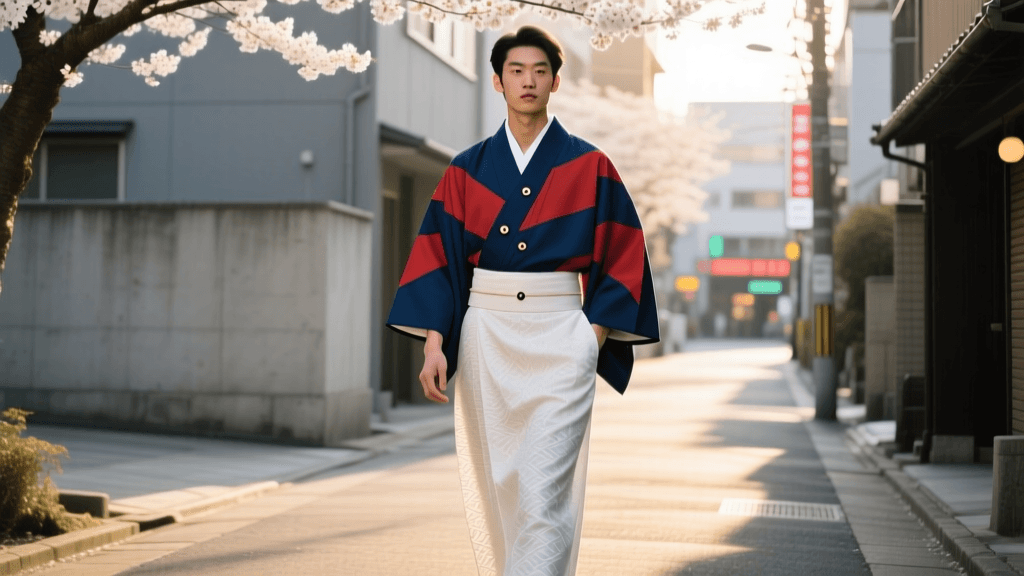
Tokyo's streets have long been recognized as a global epicenter for avant-garde fashion, but a profound shift is currently unfolding in neighborhoods like Harajuku, Daikanyama, and Shimokitazawa. Moving away from the hyper-consumption of fast fashion, a new generation of style enthusiasts is embracing the neo-traditional revival. This movement seamlessly integrates heritage Japanese garments—specifically the haori (a traditional open jacket) and the hakama (pleated trousers or skirt)—into modern streetwear and techwear aesthetics. The result is a striking silhouette that honors centuries of craftsmanship while projecting a distinctly futuristic, urban edge.
This revival is not merely a localized trend; it reflects a broader global appreciation for sustainable, heritage clothing. As highlighted by the Victoria and Albert Museum in their groundbreaking exhibition 'Kimono: Kyoto to Catwalk,' traditional Japanese garments have continuously influenced global fashion houses and street-level style alike. The structural elegance of these pieces offers a sustainable alternative to mass-produced outerwear, allowing wearers to invest in artisanal textiles that carry historical weight and unmatched durability.
According to The Japan Times, the modern reinterpretation of these garments is heavily driven by youth culture seeking to reclaim their sartorial heritage, stripping away the rigid, formal rules of kimono dressing and replacing them with personal expression, layering, and contemporary footwear pairings.
Deconstructing the Silhouettes: Haori and Hakama
To master the neo-traditional look, one must first understand the foundational architecture of the garments. The Metropolitan Museum of Art notes that the straight-line construction of traditional Japanese clothing allows for incredible versatility in layering, a feature that modern streetwear heavily exploits.
- The Haori: Originally worn by samurai as a protective layer over armor, and later adopted by merchants and geisha, the haori is a hip- or thigh-length jacket. It features wide sleeves and an open front, typically secured by two braided cords known as haori himo. In streetwear, it functions as a statement outer layer, replacing the standard bomber or denim jacket.
- The Hakama: Characterized by deep, structured pleats (traditionally seven, representing the seven virtues of the samurai), the hakama is a divided skirt or wide-legged trouser. It ties at the waist with long ribbons (himo) and features a rigid back panel (koshi-ita). In modern techwear, the hakama provides a dramatic, flowing lower silhouette that mimics the drop-crotch trousers popularized by avant-garde designers.
Actionable Styling Guide: Blending Heritage with Urban Edge
Integrating these traditional pieces into a daily urban wardrobe requires a deliberate approach to proportion, texture, and footwear. Here is how to execute the look with precision.
1. The Oversized Haori over Tech-Fleece
The most accessible entry point into neo-traditional streetwear is the haori. Unlike the kimono, the haori does not require complex wrapping or obi tying, making it highly practical for city commuting.
Measurements and Fit: For a modern streetwear drape, avoid traditional fitted lengths. Seek out vintage or contemporary haori with a length of 95cm to 110cm (approx. 37 to 43 inches). This ensures the hem falls below the hips, creating a tunic-like silhouette over modern basics. The sleeve drop (yuki) should be generous, around 70cm to 80cm, to accommodate thick layers underneath.
Layering Strategy: Pair a heavyweight, 400gsm cotton hoodie or a technical shell jacket underneath a silk or cotton haori. Leave the haori completely unbuttoned to allow the inner layers to frame the chest. Contrast is key: pair a muted, vintage silk haori featuring subtle family crests (kamon) with monochromatic, utilitarian streetwear in charcoal, olive, or black.
2. Hakama and Chunky Sneakers
Styling the hakama for the street requires abandoning traditional tabi socks and zori sandals in favor of aggressive, modern footwear.
Measurements and Fit: Traditional hakama are measured from the back waist to the ankle. For streetwear, a slightly cropped or tapered hakama that hits just above the ankle bone (approx. 85cm to 90cm outseam, depending on your height) is ideal. This prevents the hem from dragging on wet city pavements and fully showcases your footwear.
Footwear Pairing: The volume of the hakama's pleats demands a shoe with substantial visual weight. Chunky sneakers like the Balenciaga Track, Nike Air Max 95, or technical trail runners like the Salomon XT-6 provide the necessary grounding. The juxtaposition of the flowing, ancient pleats against synthetic, hyper-modular sneaker mesh creates a striking cyberpunk aesthetic.
Tying the Himo: Instead of the formal, flat bow tied at the back, streetwear enthusiasts often tie the front himo ribbons in a simple, tight knot at the side or let them hang loose over the thighs, mimicking the utilitarian straps of techwear cargo pants.
Sourcing and Costs: Where to Buy in Tokyo and Online
Acquiring these garments ranges from hunting for affordable vintage pieces to investing in contemporary artisan reproductions. The best time to hunt for vintage haori in Tokyo is during the seasonal transitions (March and September) when thrift shops refresh their inventory, or during the New Year (Hatsu-uri) sales.
| Category | Sourcing Location | Material & Condition | Price Range (USD) | Best For |
|---|---|---|---|---|
| Vintage Haori | Shimokitazawa & Koenji Thrift Stores (e.g., Flamingo, New York Joe) | Pre-owned Silk, Rayon, or Wool. May require spot cleaning. | $20 - $60 | Budget-friendly layering, unique vintage patterns. |
| Artisan Hakama | Kyoto Traditional Tailors & Online (e.g., Ichiroya) | New Cotton, Linen, or Tetsu-kon (navy) Kasuri. | $150 - $350 | Authentic pleats, durable daily wear, martial arts crossover. |
| Avant-Garde Neo-Traditional | Daikanyama & Aoyama Boutiques (e.g., Yohji Yamamoto, Ground Y) | Modern Tech-Fabrics, Pleated Polyester, Wool Blends. | $400 - $900+ | High-fashion streetwear, permanent pleats, machine washable. |
Care and Maintenance for the Urban Commuter
Traditional garments require specific care, especially when subjected to the rigors of urban environments, rain, and public transit.
- Weatherproofing: Vintage silk haori are highly susceptible to water spots. If you plan to wear your haori as daily outerwear, invest in a modern, water-resistant haori made from treated cotton or synthetic blends, or apply a fabric-safe hydrophobic spray to the lower hem of silk garments.
- Airing Out: After a day of wear, do not immediately fold the garments. Hang the haori on a wide, padded hanger in a well-ventilated, shaded area to allow body moisture and urban odors to dissipate. Direct sunlight will bleach and weaken vintage silk fibers.
- Hakama Pleat Maintenance: The sharp pleats of a cotton or linen hakama will soften over time with wear. To maintain the structural integrity of the pleats without professional pressing, fold the hakama strictly along its existing crease lines after every wear and store it flat under a light weight, such as a stack of books or a dedicated garment board.
'The beauty of the neo-traditional movement lies in its irreverence. By pairing a century-old silk haori with a distressed hoodie and technical trail runners, you are not disrespecting the garment; you are proving its timeless adaptability and keeping the craft alive in a modern context.'
Conclusion
The integration of haori and hakama into modern streetwear is more than a fleeting fashion trend; it is a sartorial bridge between Japan's rich artisanal past and its hyper-modern future. By understanding the proportions, sourcing responsibly, and styling with intentional contrast, you can master the neo-traditional aesthetic. Whether you are navigating the crowded crossings of Shibuya or the streets of your own city, these garments offer a profound, sustainable, and visually commanding approach to contemporary fashion.