Murasaki Shikibu's Kimono Legacy: Heian Layering Guide
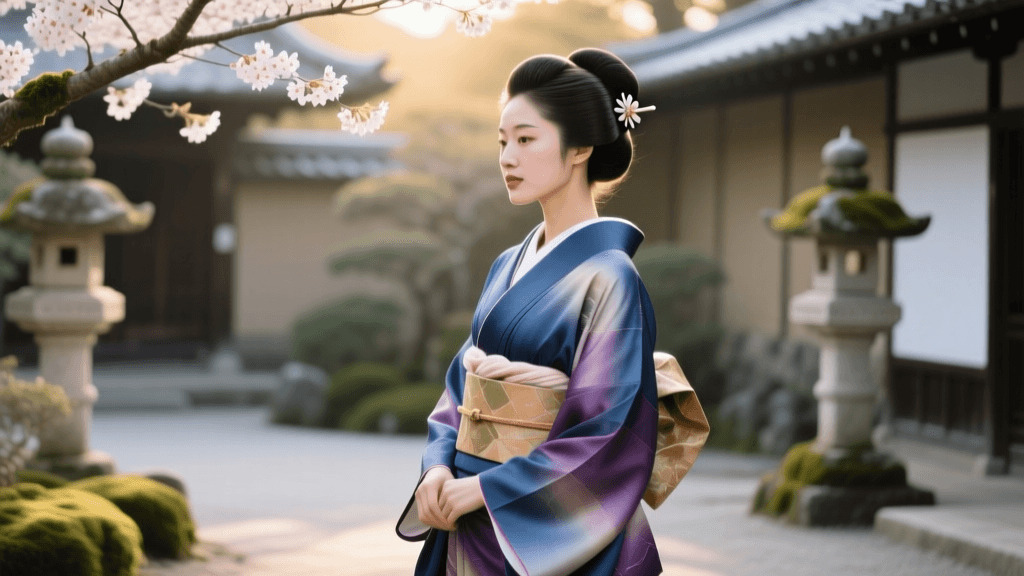
Murasaki Shikibu: The Original Heian Fashion Icon
When we think of Murasaki Shikibu, we primarily envision the brilliant author of The Tale of Genji, a masterpiece of world literature written in the early 11th century. However, Murasaki was also a meticulous observer and an unwitting arbiter of Heian-period fashion. Serving as a lady-in-waiting to Empress Shōshi, her diaries and fictional works provide the most comprehensive historical record of the jūnihitoe (twelve-layer robe) and the intricate aesthetic codes that governed the imperial court. For modern enthusiasts of traditional Japanese clothing, Murasaki’s writings are not just literary treasures; they are foundational style guides that continue to influence kimono layering, color theory, and seasonal awareness today.
According to the Metropolitan Museum of Art's Heilbrunn Timeline of Art History, the Heian period (794–1185) was characterized by an unprecedented flourishing of arts, literature, and highly codified aesthetic sensibilities, particularly regarding court dress. The aristocracy judged one another not merely on rank, but on the subtle peek of layered silk sleeves and the poetic harmony of their collar combinations. Murasaki Shikibu’s legacy in fashion is the elevation of clothing from mere covering to a profound expression of nature, emotion, and literary refinement.
The Art of Kasane no Irome: Decoding Heian Color Theory
At the heart of Murasaki’s fashion legacy is the concept of kasane no irome (layered color combinations). Because the Heian court restricted the use of certain high-ranking colors (like deep crimson and purple) to specific noble ranks, courtiers expressed their individuality and seasonal awareness through the layering of permitted hues. A noblewoman’s taste was judged by the slivers of color visible at her sleeves, hem, and the nape of her neck.
Murasaki frequently described these combinations in The Tale of Genji. For instance, a spring ensemble might feature a translucent white outer robe layered over a deep crimson inner robe, mimicking the pale petals of a cherry blossom against its dark bark. This meticulous attention to the interplay of light, shadow, and textile transparency remains the bedrock of traditional Japanese styling. As noted by the Victoria and Albert Museum, the evolution of the kimono from the straight-line-cut T-shaped robes of the Heian period into the highly structured garments of later eras reflects a deep-seated cultural emphasis on seasonal awareness and textile artistry that originated in these early courtly practices.
Modernizing the 12-Layer Look: Practical Layering Guide
While wearing a true 12-layer jūnihitoe (which can weigh upwards of 20 kilograms) is reserved for the modern imperial family during weddings and enthronement ceremonies, the aesthetic of Heian layering is highly accessible to contemporary kimono wearers. By utilizing modern undergarments and false collars, you can recreate the luxurious depth of Murasaki’s court without the physical burden.
Essential Measurements and Layering Techniques
To achieve the Heian layered look today, the secret lies in the eri (collar) and the sodeguchi (sleeve openings). Here is how to execute the technique with modern garments:
- The Base (Juban): Start with a high-quality nagajuban (full-length under-kimono). Ensure the eri-nuki (the nape of the neck) is pulled back exactly one fist's width (about 8-10 cm) from your skin.
- The False Collar (Date-eri or Kasane-eri): This is a decorative fabric strip basted onto the under-kimono to simulate an extra layer. A standard date-eri is 110 cm long and 11 cm wide. When folded and attached, it should show exactly 1.5 cm to 2 cm of the innermost color at the collarbone, tapering to 1 cm at the nape.
- The Half-Collar (Han-eri): This is the visible collar of the under-kimono itself. To mimic a third layer, choose a heavily embroidered kyo-nui han-eri that contrasts with both the date-eri and your outer kimono.
- Sleeve Reveal: When wearing a kimono with wide sleeves (like a furisode or homongi), adjust your arms so that 2 cm to 3 cm of the date-eri fabric peeks out from the sleeve opening, mimicking the trailing sleeves of Heian courtiers.
Cost and Material Guide for Modern Layering
Investing in the right layering pieces is crucial for both aesthetics and comfort. Below is a practical breakdown of costs and materials for building a Heian-inspired layering wardrobe:
- Silk Shioze Han-eri: $50 to $120. Ideal for formal winter and spring wear. Dry clean only.
- Embroidered Kyo-nui Han-eri: $150 to $300+. Features metallic threads and seasonal motifs. Best for weddings and tea ceremonies.
- Chirimen (Crepe) Date-eri: $20 to $45. Provides excellent texture contrast against smooth silk outer kimonos.
- Polyester Ro (Gauze) Juban: $60 to $120. Essential for summer layering. It provides the illusion of Heian transparency while being machine washable and highly breathable.
Seasonal Color Combinations: Historical vs. Modern
Murasaki Shikibu’s era strictly dictated when certain colors could be worn. Wearing a heavy winter combination in May would be considered a grave social error. Below is a translation of historical kasane no irome into actionable modern kimono styling pairings.
| Season | Heian Layer Name (Kasane) | Historical Outer / Inner Colors | Modern Equivalent (Han-eri + Obi Pairing) | Timing & Rules |
|---|---|---|---|---|
| Early Spring | Sakura (Cherry Blossom) | White / Crimson | White silk obi over crimson embroidered han-eri | Wear late Feb to early March. Never wear after petals fall. |
| Summer | Fuji (Wisteria) | Lavender / Green | Light green chirimen date-eri under lavender ro-sha kimono | Wear from June to August. Use sheer fabrics for inner layers. |
| Autumn | Yamabuki (Japanese Rose) | Yellow / Crimson | Yellow silk obiage with crimson autumn-leaf patterned obi | Wear in October. Pair with maple-leaf dyed outer garments. |
| Winter | Ume (Plum Blossom) | Crimson / White | White shibori han-eri with deep plum-colored kimono | Wear Dec to Feb. Plum motifs signify resilience in the cold. |
Fabric Seasonality, Care, and Maintenance
Layering multiple garments requires a strict approach to fabric seasonality and care. In the Heian period, garments were frequently unsewn, washed, and re-stretched on bamboo frames. Today, we rely on specialized care to maintain the integrity of layered silks.
Seasonality Rules: From October through May, wear lined garments (awase). During this time, your date-eri should be made of opaque crepe silk (chirimen) or smooth taffeta (shioze). From June through September, transition to unlined garments (hitoe) and sheer gauze weaves (ro or sha). Your layering collars must also become sheer or lightweight cotton to prevent overheating and visible sweat stains, which ruin the ethereal Heian illusion.
Maintenance: After wearing a layered ensemble, immediately remove the han-eri from the juban. The collar absorbs the most body oils and makeup. Hand wash synthetic han-eri with mild silk detergent, and send silk ones to a specialized kimono cleaner (maru-arai). Always air out your date-eri in the shade for 24 hours before storing it flat in a tatoushi (traditional paper envelope) with natural camphor to deter silverfish.
Conclusion
Murasaki Shikibu’s meticulous observations of the Heian court did more than document a bygone era; they established a permanent aesthetic vocabulary for Japanese fashion. By understanding the principles of kasane no irome and applying them through modern collars, undergarments, and seasonal timing, today’s kimono wearers can channel the elegance of the 11th-century imperial court. The legacy of the twelve-layer robe lives on every time a modern wearer carefully adjusts a silk collar to reveal just the perfect sliver of contrasting color.