Recreating Xianxia Drama Hanfu: A Practical Style Guide
The Magic of Xianxia: From Screen to Real Life
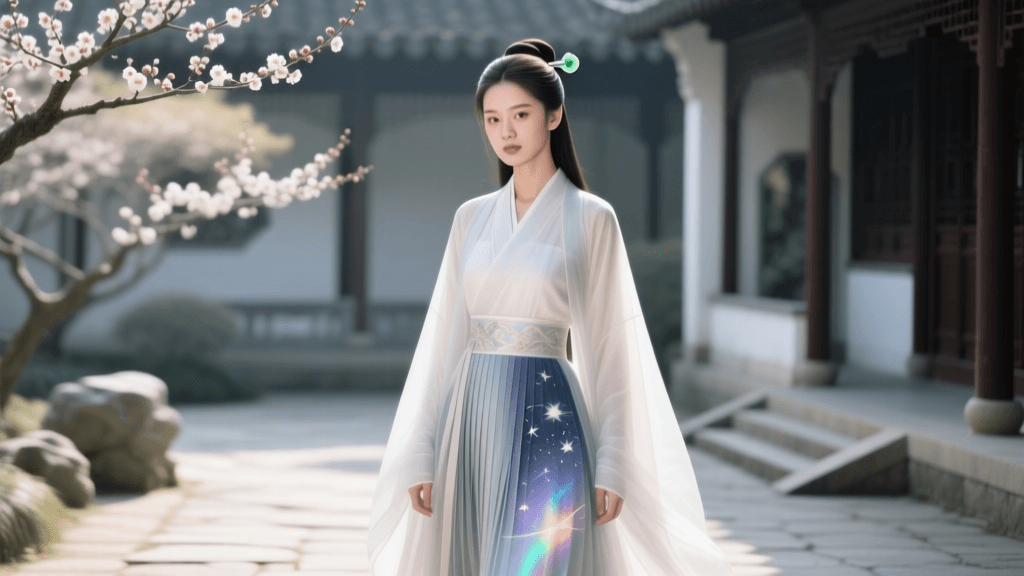
The global fascination with Chinese historical and fantasy television has sparked a massive revival in traditional clothing. Dramas in the Xianxia (immortal heroes) and Wuxia (martial arts) genres, such as The Untamed, Love Between Fairy and Devil, and Ashes of Love, are celebrated not just for their intricate plots, but for their breathtaking costume design. These shows present an ethereal, romanticized vision of ancient China, characterized by flowing sleeves, gravity-defying silk shawls, and intricate embroidery. According to a comprehensive feature by Vogue, the modern Hanfu movement has been heavily propelled by these cinematic and television portrayals, inspiring millions of young people to integrate traditional garments into their daily wardrobes.
However, translating the high-fantasy costumes of Xianxia immortals into practical, wearable street fashion requires an understanding of garment structure, fabric physics, and historical context. Screen costumes are often pinned, clipped, and tailored specifically for camera angles and wind machines. For the modern enthusiast looking to capture that celestial essence without tripping over three yards of unhemmed organza, a strategic approach to styling and sourcing is essential.
Deconstructing the "Celestial" Look: Key Garment Types
To recreate the iconic looks seen on screen, you must first understand the foundational layers of the garments. The "immortal" silhouette is usually achieved through a specific combination of traditional Hanfu styles, heavily leaning on Tang and Song dynasty influences, albeit with modern fantasy twists.
1. Qixiong Ruqun (Chest-High Skirt Ensemble)
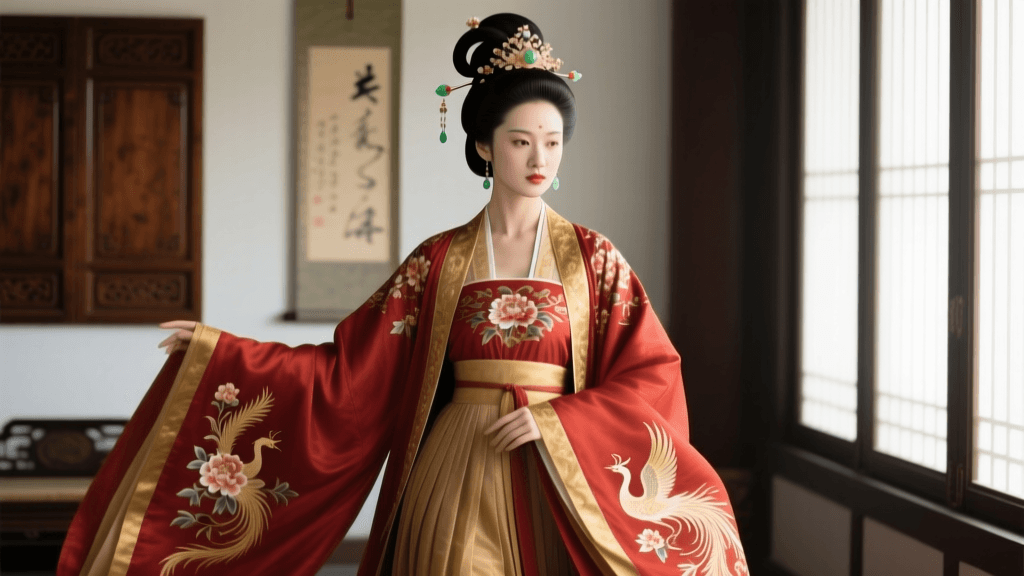
The most ubiquitous silhouette for female characters in Xianxia dramas is the Qixiong Ruqun. This consists of a ru (a short, often long-sleeved top) and a qun (a high-waisted skirt tied above the bust). On screen, these skirts are often heavily pleated and feature sweeping hems that create a floating effect. For real-world wear, look for skirts with a hem circumference of 300cm to 400cm. Anything less will lack the dramatic drape, while anything more becomes cumbersome for daily activities.
2. Daxiushan (Large-Sleeve Robe)
To achieve the layered, aristocratic look of high-ranking immortals, the Daxiushan is worn as an outer robe. In television productions, the sleeves can be exaggerated to 80cm or more in width, often trailing on the floor. For a practical street-style adaptation, seek out a Daxiushan with sleeve widths between 40cm and 50cm, and a sleeve length that ends just at the fingertips rather than extending past the hands.
3. Pibo (Silk Shawl)
The Pibo is the long, flowing ribbon draped over the arms and shoulders, iconic to Tang dynasty fashion and heavily utilized in fantasy dramas to simulate flight and ethereal movement. A standard Pibo measures about 20cm in width and 200cm to 250cm in length. To keep it from slipping off in real life, drape it over the back of the neck, cross it over the chest, and tuck the ends securely into the top edge of the Qixiong skirt.
Fabric Selection: Achieving the Ethereal Drape
The secret to the "Xianxia" look lies entirely in the fabric. Costume designers use specific textiles to catch the light and wind. However, what works under studio lights may not work in the summer heat. As noted in an industry analysis by China Daily, the Hanfu market has evolved to offer specialized fabric blends that balance historical aesthetics with modern comfort.
| Fabric Type | Drape Quality | Breathability | Avg. Cost (USD) | Best Drama Archetype |
|---|---|---|---|---|
| Silk Charmeuse | Heavy, liquid drape | Excellent | $150 - $300+ | Royal Immortals / High Deities |
| Polyester Chiffon | Light, floating | Moderate | $35 - $70 | Wandering Cultivators / Disciples |
| Cotton Voile | Soft, natural | Excellent | $50 - $90 | Mortal Scholars / Everyday Wear |
| Organza / Tulle | Stiff, voluminous | Poor | $40 - $80 | Demonic Realms / Fantasy Overlays |
Pro-Tip: Avoid pure, stiff organza for the main skirt, as it will stick out awkwardly rather than draping against the body. Instead, use a soft polyester chiffon or a silk-cotton blend for the base skirt, and reserve organza only for the sheer outer layers of the Daxiushan or the Pibo.
Practical Sizing and Layering Techniques
One of the most common frustrations for beginners is the notorious "slipping" of the chest-high Qixiong skirt. Because the skirt relies entirely on tension and friction rather than a structured waistband, improper sizing and tying will result in constant adjustments.
The Mathematics of the Qixiong Skirt
When ordering a Qixiong skirt, the most critical measurement is not your waist, but your upper chest (measured directly above the bust where the skirt will sit). The top edge of the skirt must be at least 1.5 times your chest circumference to allow for a secure overlap. If your chest measures 85cm, the skirt's top hem must be a minimum of 127.5cm. For a more secure, anti-slip wrap, aim for a 1.8x multiplier.
Regarding length, measure from your underarm down to your ankle bone. Standard lengths are:
- 105cm: Best for heights under 155cm (5'1").
- 115cm: Ideal for heights between 155cm and 165cm (5'1" to 5'5").
- 125cm: Suited for heights 165cm to 175cm (5'5" to 5'9").
The Anti-Slip Tying Method
To secure the skirt without it sliding down throughout the day, follow this traditional-meets-modern tying hack:
- Wrap the skirt tightly around your chest, ensuring the inner layer overlaps securely.
- Cross the two long ties at the front of your chest.
- Bring the ties around to your back, crossing them again, and pull them tightly back to the front.
- Instead of tying a simple bow at the front, twist the two ties together tightly, then tuck the twisted rope underneath the top hem of the skirt.
- Use a small, clear silicone elastic band to secure the twisted ends to the inner fabric layer before tucking them away. This creates an anchor point that friction alone cannot provide.
Budgeting and Sourcing: Where to Buy
The Hanfu industry has exploded, and as reported by Sixth Tone, the market is now supported by thousands of specialized merchants. When sourcing Xianxia-inspired Hanfu, you generally have three avenues:
1. Taobao / Tmall (The Gold Standard)
For the most authentic, high-quality, and reasonably priced garments, purchasing directly from Chinese e-commerce platforms is unmatched. Brands like Shisanyu (十三余) frequently collaborate with major television dramas to release official, licensed costume replicas. Zhongling (钟灵记) and Han Shang Hua Tang (汉尚华莲) are also renowned for their intricate embroidery and fantasy-inspired designs. Expect to pay between $60 and $150 for a complete, multi-layered set. You will need to use a shopping agent (like Superbuy or Wegobuy) if you are purchasing from outside China.
2. AliExpress (The Accessible Alternative)
AliExpress is ideal for beginners who want to test the waters without navigating shopping agents. While the quality of embroidery and fabric may be a step down from Taobao's top-tier brands, you can find excellent entry-level Xianxia sets for $35 to $60. Search terms like "Xianxia Hanfu," "Fairy Dress," and "Tang Dynasty Qixiong" will yield the best results. Always check the fabric composition in the description; avoid sets labeled purely as "polyester" without a weave description, as they tend to be overly shiny and unbreathable.
3. Independent Western Brands
Brands based in North America and Europe, such as Newhanfu or various Etsy sellers, offer curated selections and faster shipping. However, this convenience comes at a premium, with prices often ranging from $120 to $250. These are best for those who need garments quickly for a convention or photoshoot and cannot wait the 3 to 6 weeks typically required for international Taobao shipping.
Historical Accuracy vs. Dramatic Flair
It is important for enthusiasts to recognize the boundary between historical Hanfu and "Xianxia fantasy wear." True historical garments from the Tang dynasty featured specific collar shapes, sleeve attachments, and weaving techniques that are often ignored by modern television costume departments in favor of visual spectacle. For example, the ubiquitous use of sheer, glittering organza and corset-like bodices in fantasy dramas are entirely modern inventions designed to appeal to contemporary aesthetics.
When building your wardrobe, decide on your goal. If you seek historical reverence, look for merchants who base their patterns on unearthed textiles and museum artifacts. If your goal is to embody the romantic, wind-swept magic of your favorite television immortals, embrace the modern fantasy blends, the dramatic sleeves, and the celestial color palettes. Both approaches are valid and celebrated within the broader Hanfu community.
Conclusion
Translating the breathtaking costumes of Chinese Xianxia dramas into a wearable, real-world wardrobe is a rewarding endeavor that blends cultural appreciation with personal styling. By understanding the mechanics of the Qixiong Ruqun, selecting fabrics that mimic the ethereal drape seen on screen, and utilizing practical tying techniques, you can step out of your home feeling like the protagonist of your own epic fantasy. Whether you are sourcing a licensed replica from Taobao or adapting a budget-friendly set for a weekend photoshoot, the magic of traditional Chinese fashion is now more accessible than ever.