Kimono Influencers: Building Digital Communities Online

The Digital Renaissance of the Kimono
The traditional Japanese kimono is experiencing a vibrant digital renaissance, driven largely by a dedicated network of influencers, vloggers, and online communities. Once viewed strictly as formal wear reserved for weddings and coming-of-age ceremonies, the kimono has been reclaimed by a new generation of digital creators who blend heritage craftsmanship with modern streetwear aesthetics. Platforms like YouTube, Instagram, and TikTok have become digital runways and classrooms, where creators demystify the complex art of kitsuke (kimono dressing) and showcase the breathtaking diversity of Asian textiles.
For aspiring content creators and community managers, building a kimono-focused channel requires more than just a beautiful garment. It demands a strategic approach to storytelling, technical proficiency in capturing intricate textile details, and a deep respect for cultural nuances. As noted by the Victoria and Albert Museum, the kimono is not a static relic but a dynamic, evolving fashion statement that continues to influence global style. Digital creators are at the forefront of this evolution, translating centuries of sartorial tradition into bite-sized, engaging content for a global audience.
Core Content Pillars for Kimono Vloggers
Successful kimono influencers typically structure their content around three to four core pillars, ensuring they cater to both seasoned collectors and curious beginners.
- Kitsuke (Dressing) Tutorials: Step-by-step guides are the backbone of kimono YouTube. Creators break down the intimidating process of dressing into manageable steps. A popular format is the '10-Minute Nagoya Obi Taiko Musubi' (drum knot) tutorial, which provides immense practical value to viewers preparing for tea ceremonies or festivals.
- Vintage Thrift Hauls & Recycle Shop Tours: Sourcing vintage kimono is a treasure hunt that translates beautifully to video. Vloggers often film their visits to Japanese recycle shops like Tansu-ya or Second Street, or share screen-recordings of bidding wars on Yahoo Auctions Japan. Detailing the cost of a vintage silk komon (everyday kimono) — often ranging from 3,000 to 10,000 JPY ($20 to $70 USD) — provides transparent, actionable data for international buyers.
- Modern Styling & Subculture Fashion: Breaking the 'rules' of traditional wear generates high engagement. Influencers frequently style kimono with combat boots, denim jackets, or lace-up corsets, bridging the gap between Harajuku street style and historical garments.
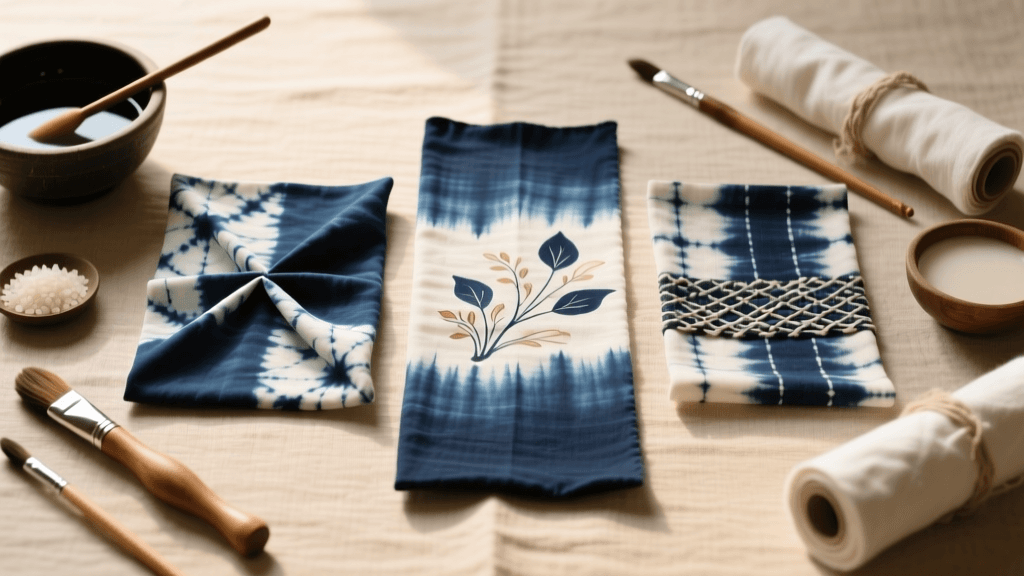
- Textile History & Artisan Spotlights: Deep-dive essays on specific dyeing techniques, such as shibori (tie-dye), yuzen (resist dyeing), or kasuri (ikat), appeal to the textile nerd demographic. Highlighting the hours of labor behind a single Fukuro obi (formal sash) fosters a deeper appreciation for the craft.
The Anatomy of a Kitsuke Tutorial: Practical Details
When filming a dressing tutorial, precision and clarity are paramount. Top influencers ensure their viewers know exactly which accessories are required, complete with measurements and average costs. Here is a standard checklist that creators often display on-screen during their vlogs:
- Hadajuban & Susoyoke (Undergarments): Essential for protecting the silk from body oils. Cost: ~$25 USD for a two-piece set.
- Nagajuban (Under-robe): Often features a beautiful, hidden han-eri (half-collar). Cost: ~$40 USD.
- Koshihimo (Waist ties): Made of cotton or silk, typically measuring 100cm x 5cm. Creators usually recommend having at least three on hand. Cost: ~$5 USD each.
- Korin Belt: A modern elastic belt with clips that secures the collar without the bulk of extra ties. Cost: ~$15 USD.
- Ita-jime (Obi board): A flexible plastic board (approx. 15cm x 30cm) inserted into the obi to prevent wrinkling. Cost: ~$12 USD.
- Obi-makura (Obi pillow): A small padded cushion used to give the taiko musubi knot its signature rounded shape. Cost: ~$10 USD.
Essential Gear for Capturing Silk and Textures
Kimono textiles are notoriously difficult to film. Silk reflects light unpredictably, and the three-dimensional puckering of shibori or the subtle woven patterns of tsumugi (pongee silk) can easily wash out on camera. According to a feature in BBC Culture on the modern kimono movement, the visual presentation of these garments is critical to their contemporary appeal. Therefore, investing in the right camera and lighting gear is non-negotiable for serious vloggers.
| Equipment Category | Budget Setup (Under $500) | Professional Setup ($1,500+) | Why It Matters for Kimono |
|---|---|---|---|
| Camera | Sony ZV-1 II ($700 - slightly over budget but essential) | Sony A7 IV with 24-70mm f/2.8 lens | High dynamic range is needed to capture both deep indigo dyes and bright gold embroidery without losing detail. |
| Lighting | Neewer 18-inch Ring Light ($60) | Aputure Amaran 100d with Octabox ($450) | Directional soft light reveals the 3D texture of shibori and woven kasuri patterns that flat ring lights wash out. |
| Audio | Rode VideoMicro ($60) | DJI Mic 2 Wireless System ($350) | Clear audio is crucial when explaining the rustle of silk ('kinu-zure') or the history of a specific motif. |
| Backdrop | Seamless Paper Roll ($50) | Traditional Shoji Screen or Washi Paper Backdrop ($300) | Provides a culturally resonant, non-distracting background that complements the garment's color palette. |
Navigating Cultural Appreciation in Digital Spaces
One of the most critical responsibilities of a kimono influencer is navigating the delicate line between cultural appreciation and cultural appropriation. The global reach of platforms like TikTok means that creators are often educating audiences who have zero prior exposure to Japanese customs.
Successful community leaders establish clear guidelines for their comment sections and proactively address cultural context in their videos. For instance, when styling a kimono with modern accessories, ethical influencers will explicitly state the historical rules of the garment before explaining how and why they are bending them. They educate viewers on the significance of left-over-right collar wrapping (reserving right-over-left strictly for the deceased) and the seasonal appropriateness of specific motifs, such as cherry blossoms in spring or maple leaves in autumn.
This educational approach transforms a simple fashion vlog into a cultural bridge. As highlighted by The Guardian's coverage of the V&A's groundbreaking 'Kimono: Kyoto to Catwalk' exhibition, the garment's history is one of global trade, adaptation, and cross-cultural exchange. By framing the kimono as a living, breathing element of global fashion history rather than an untouchable museum piece, influencers foster communities rooted in respect and curiosity.
Actionable Strategies for Community Engagement
Building a loyal community requires consistent, interactive engagement. Here are actionable strategies used by top-tier kimono content creators:
- Host Live Kitsuke Sessions: Use YouTube Live or Instagram Live to dress in real-time. Viewers can ask questions about collar adjustments or obi tying, creating an interactive classroom environment. Schedule these during peak evening hours in your primary demographic's time zone (e.g., 8 PM EST for North American audiences).
- Leverage Niche Hashtags: Beyond broad tags like #kimono, use community-specific tags such as #kitsuke, #kimonomodern, #recyclekimono, and #wahuku (Japanese clothing). This helps your content surface in the feeds of dedicated enthusiasts.
- Monthly 'Wardrobe Organization' Streams: Kimono maintenance is a massive part of the hobby. Host streams where you fold kimono using the traditional hon-datami method, demonstrate how to wrap them in tatou-shi (acid-free, moisture-wicking paper), and organize them in tansu (wooden chests). This provides immense practical value to collectors dealing with humid climates.
- Collaborate with Artisans: Partner with independent dyers, obijime (cord) braiders, or vintage shop owners for interview segments. This cross-pollinates your audiences and supports the traditional craft economy.
Monetization and Ethical Partnerships
Monetizing a kimono channel requires a thoughtful approach to maintain audience trust. Affiliate marketing is highly effective; creators often link to trusted online retailers like Kyoto Kimono House, Ichiroya, or specialized Etsy sellers for hard-to-find accessories like datejime (under-sashes) and obi-age (silk scarves used to tie the obi).
Additionally, many influencers launch Patreon tiers offering extended, slow-paced kitsuke tutorials, downloadable PDF guides on kimono sizing (how to measure your yuki sleeve length and mihaba width), and early access to vintage haul videos. When accepting brand sponsorships, ethical influencers prioritize partnerships with authentic Japanese craft houses, sustainable textile brands, or cultural tourism boards, ensuring their monetization aligns with the preservation and celebration of Asian traditions.
Conclusion
The rise of kimono influencers and vloggers represents a vital lifeline for traditional Japanese garments in the 21st century. By combining high-quality production, transparent sourcing data, and a deep commitment to cultural education, these digital creators are doing more than just showcasing beautiful clothes. They are building vibrant, global communities that ensure the art of the kimono—its dyeing, weaving, and wearing—continues to thrive, adapt, and inspire for generations to come.