Mastering Japanese Dyeing: Shibori, Yuzen, and Kasuri Guide
Introduction to Japanese Resist Dyeing
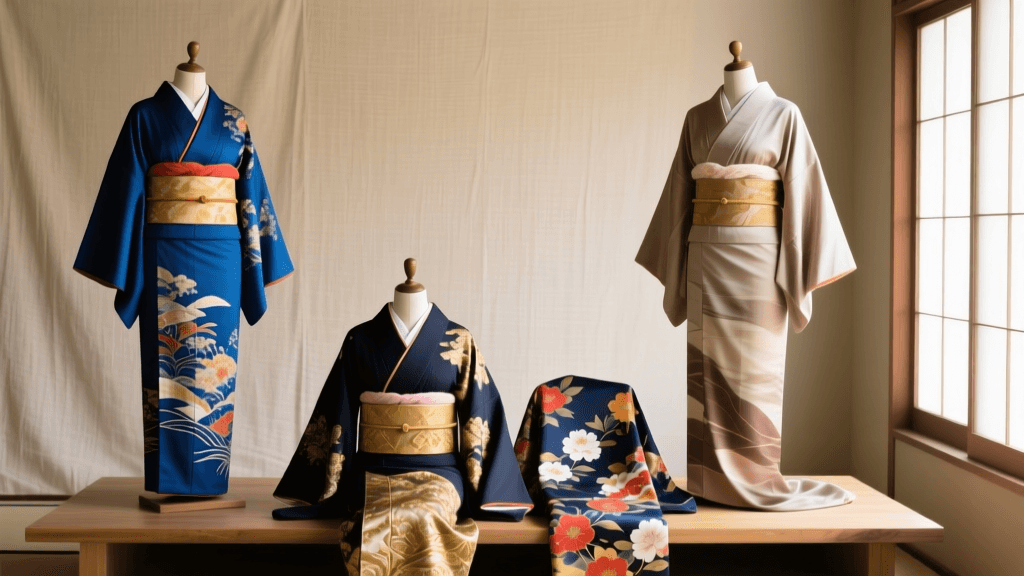
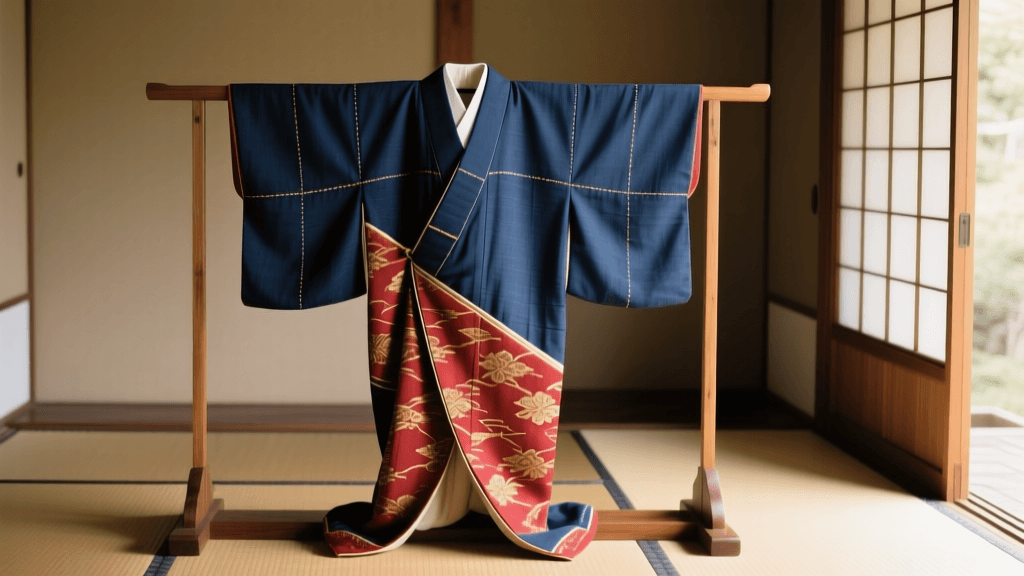
The art of Japanese textile dyeing is a profound intersection of chemistry, mathematics, and artistic expression. For centuries, artisans have utilized complex resist techniques to transform plain fabrics into masterpieces of wearable art. While mass production has threatened some of these artisanal practices, a global renaissance in slow fashion and traditional craftsmanship has brought techniques like Shibori, Yuzen, and Kasuri into the home studios of dedicated DIYers and textile enthusiasts. According to the Victoria and Albert Museum's extensive Asian textile collections, these methods are not merely decorative; they represent regional histories, social statuses, and deep philosophical connections to nature.
Transitioning from a consumer of traditional garments to a creator requires an understanding of the specific materials, precise measurements, and chemical processes involved. This guide provides actionable, step-by-step instructions for setting up your own home dyeing practice, complete with cost estimates and material sourcing advice.
Shibori: The Art of Shaped Resist Dyeing
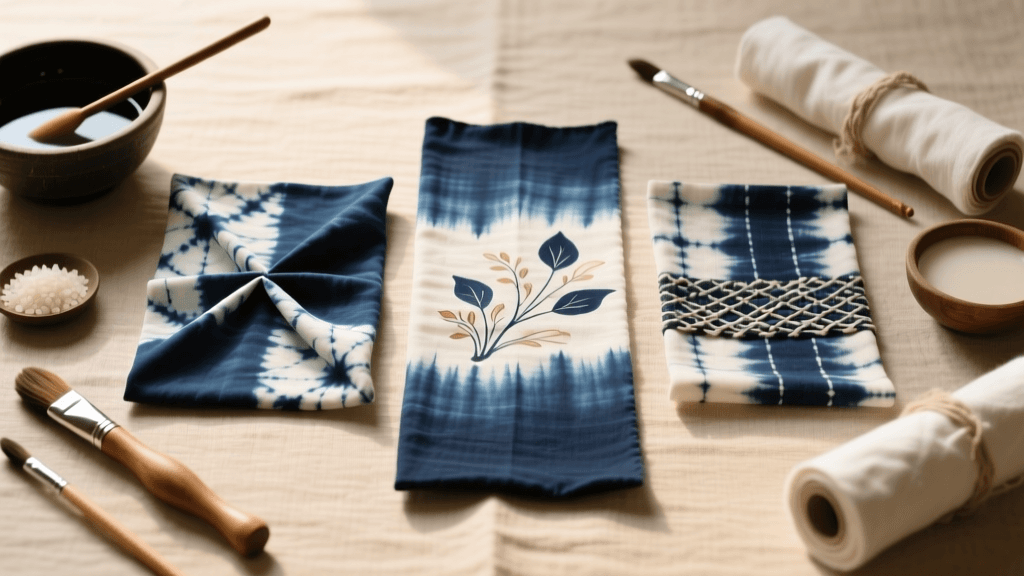
Shibori encompasses a vast array of physical resist techniques where fabric is folded, twisted, clamped, or bound to prevent dye from penetrating specific areas. As noted in Britannica's comprehensive guide to Shibori, the term derives from the Japanese verb 'shiboru', meaning to wring, squeeze, or press.
Materials and Costs
To begin with indigo Shibori, you will need a starter kit focusing on a fructose indigo vat. This organic vat is safer for home use than traditional synthetic hydrosulfite vats.
- Natural Indigo Pigment: 100g ($18)
- Fructose Powder (Sugar): 200g ($8)
- Calcium Hydroxide (Cal): 100g ($6)
- 100% Cotton or Silk Fabric: 2 yards ($25)
- Wooden Clamps and Acrylic Shapes: ($15)
Total Estimated Starter Cost: $72
Step-by-Step: Building a Fructose Indigo Vat
The success of your Shibori relies entirely on the health of your indigo vat. The indigo pigment is naturally insoluble in water and must be chemically reduced to become soluble and bond with fibers.
- Prepare the Water: Heat 10 liters of distilled water to exactly 50°C (122°F). Temperature control is critical; too hot will kill the reduction process, too cold will slow it down.
- Mix the Alkali: Slowly whisk in 100g of calcium hydroxide. This raises the pH to the ideal alkaline level of 11 to 12.
- Add the Reducing Agent: Stir in 200g of fructose powder. The fructose consumes the oxygen in the water.
- Introduce the Pigment: Gently sprinkle 100g of indigo pigment over the surface. Do not whip or splash, as introducing oxygen will ruin the reduction.
- Rest: Cover the vat tightly and let it rest for 24 hours. A coppery, oily sheen (the 'indigo flower') on the surface indicates a healthy, reduced vat ready for dyeing.
Step-by-Step: Itajime (Clamp) Shibori
For crisp, geometric patterns, fold your damp cotton fabric into a tight accordion pleat, then fold again into a triangle or square. Sandwich the folded fabric between two acrylic shapes and secure tightly with C-clamps. Submerge the clamped bundle into the indigo vat for 3 minutes. When you remove it, the fabric will be yellow-green. Expose it to the air for 10 minutes to allow oxidation to turn it deep blue. Repeat this dip-and-air process 5 to 8 times for a rich, colorfast navy.
Yuzen: Freehand Paste-Resist Dyeing
Yuzen is a highly detailed, freehand resist technique originating in Kyoto. It utilizes a thick rice paste to draw intricate outlines on fabric, creating a dam that prevents liquid dyes from bleeding into adjacent areas. Britannica's historical overview of Yuzen highlights its invention in the late 17th century, which revolutionized kimono design by allowing for pictorial, painterly motifs.
Materials and Costs
- Silk Habotai or Crepe de Chine: 2 yards ($45)
- Rice Flour and Rice Bran: ($10)
- Paper Cone (Tsutsu) or Metal Tip Applicator: ($12)
- Acid Dyes or Steam-Set Silk Dyes: ($25)
- Stretching Frame (Shinshi): ($30)
Total Estimated Starter Cost: $122
Step-by-Step: Making Sashi-Nori (Rice Paste)
Commercial resist pastes often contain synthetic gums that are difficult to wash out. Traditional Sashi-nori is eco-friendly and washes out cleanly in warm water.
- Combine 50g of fine rice flour, 50g of rice bran (nuka), and 200ml of cold water in a copper or stainless-steel pot.
- Whisk until completely smooth, then turn the heat to medium-low.
- Stir continuously with a wooden spatula for 45 to 60 minutes. The mixture will transition from a milky liquid to a thick, translucent, and highly elastic paste.
- Transfer the hot paste into a damp cloth, twist it into a log, and submerge it in cold water for 2 hours to remove excess starch and improve its piping consistency.
Step-by-Step: Tsutsugaki (Cone Drawing) and Dyeing
Stretch your silk fabric tightly using a Shinshi frame or embroidery hoop. Load the rice paste into a metal-tipped applicator bottle (a modern substitute for the traditional paper cone). Apply steady, even pressure to draw a continuous, unbroken line of paste around your design. The paste must penetrate entirely through to the back of the fabric to form a complete resist wall. Allow the paste to dry completely for 12 hours. Once dry, use a fine brush to apply liquid silk dyes within the outlined areas. Finally, steam the fabric at 100°C (212°F) for 45 minutes to fix the dyes, then wash in warm water to melt away the rice paste, revealing crisp, white outlines.
Kasuri (Ikat): The Thread-Resist Technique
Kasuri, the Japanese iteration of Ikat, is arguably the most mathematically rigorous of the three techniques. Instead of resisting dye on woven fabric, Kasuri involves binding specific sections of the yarn with vinyl tape or thread before dyeing. When the dyed yarn is woven, the slightly shifted resist patterns create a beautifully blurred, organic motif.
Materials and Costs
- Unspun Cotton Yarn or Cone Yarn: 2 lbs ($35)
- Vinyl Binding Tape (3mm width): ($15)
- Wooden Binding Blocks and Clamps: ($40)
- Indigo Vat (Shared with Shibori): ($0 if already built)
- Tabletop Loom (Rigid Heddle): ($120)
Total Estimated Starter Cost: $210 (including loom)
Step-by-Step: Weft Kasuri Preparation
Weft Kasuri (yoko-gasuri) is the most accessible entry point, as the pattern is created entirely in the horizontal weft threads, while the warp remains a solid color.
- Calculate the Repeat: Determine your pattern repeat. For a simple 10mm geometric diamond, measure and mark your weft yarn bundle every 10mm using a fabric-safe marker.
- Bind the Yarn: Wrap 3mm vinyl tape tightly around the marked 10mm sections. The tension must be extreme—approximately 2.5 kg of pulling force—to ensure the tape compresses the yarn bundle completely, preventing the indigo from seeping into the bound areas.
- Dye the Bundles: Submerge the bound weft bundles into your reduced indigo vat. Because the yarn is tightly packed, you must massage the bundles gently underwater to ensure the unbound areas are fully saturated.
- Unbind and Weave: After oxidizing and rinsing, carefully slice the vinyl tape off with a scalpel. When weaving on your loom, you must constantly adjust the weft thread left or right with a tapestry needle to align the dyed sections perfectly, bringing the blurred pattern into sharp focus.
Comparison Chart: Shibori vs. Yuzen vs. Kasuri
Choosing which technique to pursue depends on your available space, budget, and patience. The table below breaks down the core differences to help you decide where to begin your textile journey.
Technique Resist Method Primary Fabric Difficulty Level Est. Starter Cost Time to First Result Shibori Physical (folding, clamping, binding) Cotton, Silk, Hemp Beginner to Intermediate $45 - $75 4 - 8 hours Yuzen Chemical/Paste (rice paste resist) Silk, Fine Cotton Advanced $80 - $125 2 - 3 days Kasuri Thread (warp/weft binding) Cotton, Bast fibers Expert $150 - $220 1 - 2 weeks Sourcing Authentic Materials and Sustainable Practices
When sourcing materials, prioritize natural fibers. Synthetic blends like poly-cotton will not absorb natural indigo or traditional acid dyes properly, resulting in washed-out, uneven colors. For indigo, seek out suppliers who offer 'sukumo' (traditionally fermented Japanese indigo) or high-quality natural indigo powder from sustainable farms in India or Japan. Avoid synthetic indigo (pre-reduced indigo crystals) if your goal is to practice historical authenticity and minimize environmental impact.
Furthermore, proper disposal of your dye vats is crucial. A fructose indigo vat is entirely biodegradable. Once the vat is exhausted, you can neutralize it with a mild acid like white vinegar and safely use it to water your garden, as the remaining calcium and organic matter act as a mild fertilizer.
Conclusion
Mastering Shibori, Yuzen, and Kasuri is a lifelong pursuit that connects you directly to the lineage of Japanese artisans. While the initial learning curve involves precise chemistry and meticulous handwork, the reward is the creation of deeply personal, culturally resonant textiles. By starting with the accessible geometry of Shibori, advancing to the painterly lines of Yuzen, and eventually tackling the mathematical weaving of Kasuri, you can build a comprehensive home studio dedicated to the preservation and evolution of Asian textile traditions.