Douyin Street Fashion: Styling New Chinese Hanfu Trends
The Digital Runway: How Douyin is Redefining Chinese Street Fashion
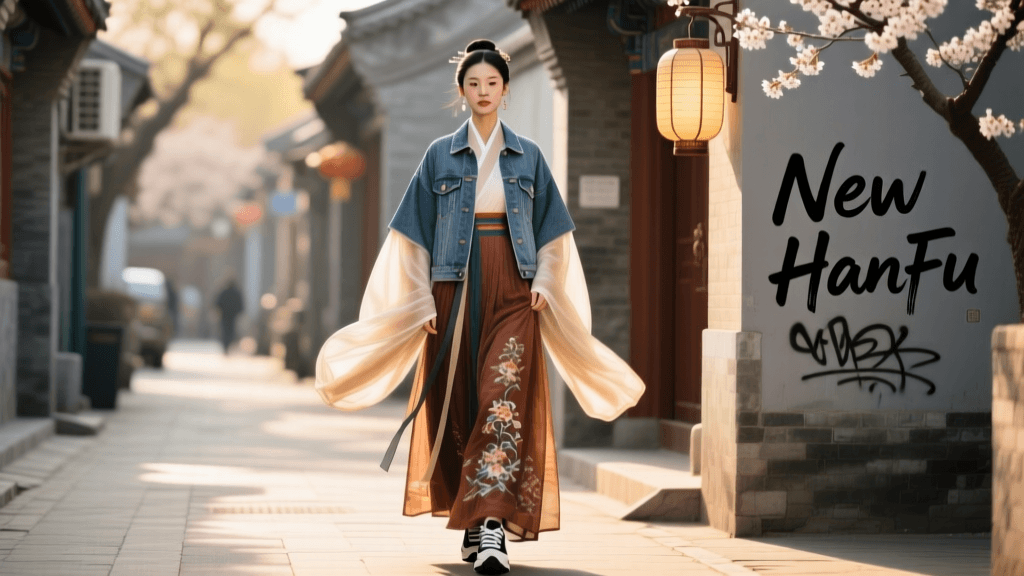
In the bustling, neon-lit streets of Chengdu’s Taikoo Li and the historic alleyways of Hangzhou, a sartorial revolution is being livestreamed to millions. Douyin, the Chinese counterpart to TikTok, has evolved far beyond a platform for viral dances; it is now the undisputed epicenter of global street fashion trends. Among the most captivating and culturally significant movements to emerge from this digital ecosystem is the modernization of traditional Chinese garments. Influencers are no longer treating historical clothing as mere cosplay or reserved for festive occasions. Instead, they are integrating centuries-old silhouettes into everyday, high-octane streetwear, creating a visual language that is both deeply rooted in heritage and fiercely contemporary.
This phenomenon is largely driven by the algorithmic favor of 'slow-motion street walks,' where creators showcase their outfits in cinematic detail. The juxtaposition of ancient textiles against modern urban backdrops—skate parks, subway stations, and brutalist architecture—has birthed a highly specific aesthetic. For international fashion enthusiasts and practitioners of traditional Asian garments, understanding the mechanics of these Douyin trends offers a masterclass in cross-era styling, textile pairing, and cultural reclamation.
Decoding 'Xin Zhongshi': The New Chinese Style Phenomenon
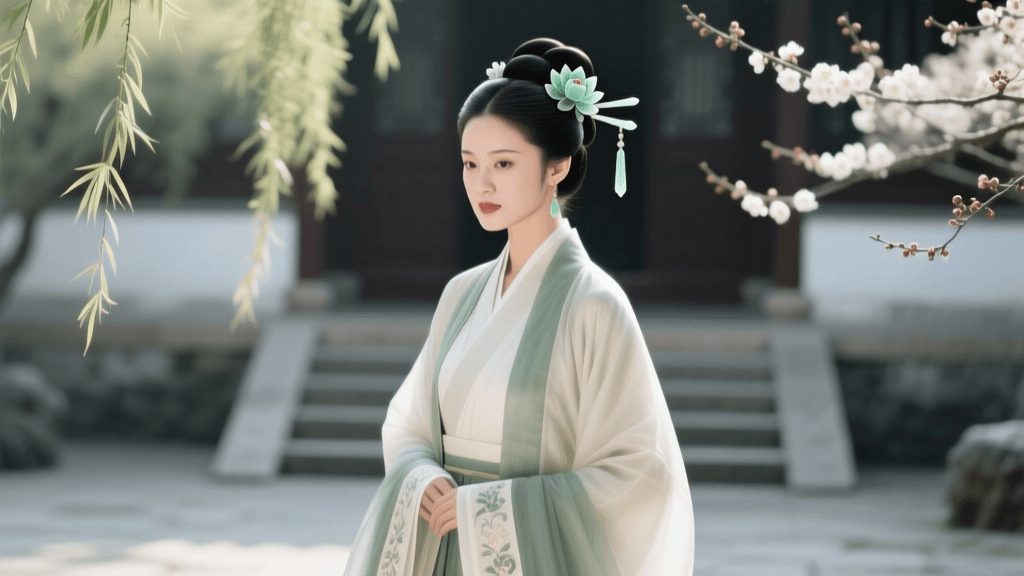
At the heart of Douyin's street fashion explosion is a concept known as 'Xin Zhongshi' (新中式), which translates directly to 'New Chinese Style.' Unlike the strict historical accuracy demanded by orthodox Hanfu revivalists, Xin Zhongshi prioritizes the spirit, motifs, and structural elements of traditional clothing while adapting them for modern mobility and streetwear layering. It is the bridge between the museum archive and the skatepark.
The New Chinese Style movement relies heavily on deconstruction and hybridization. Influencers might pair a meticulously woven Ming Dynasty-style skirt with a distressed, oversized vintage leather jacket. The goal is to create friction between the eras. This trend has been instrumental in pushing the broader Hanfu movement from a niche subculture into mainstream commercial viability, encouraging domestic textile manufacturers to innovate with traditional weaves like jacquard and song brocade, making them more durable for daily street wear.
The Core Garments of Douyin Streetwear
To replicate the looks seen on your Douyin 'For You' page, one must understand the foundational garments that influencers use as their canvas. The magic lies in selecting pieces that offer dramatic volume and structural integrity.
The Mamianqun (Horse-Face Skirt)
The undisputed queen of Douyin street fashion is the Mamianqun. Originating in the Song Dynasty and reaching its zenith in the Ming Dynasty, this wrap-around skirt is characterized by two flat, unpleated panels at the front and back, with tightly pleated sections on the sides. According to historical textile analyses, such as those documented by institutions like the Metropolitan Museum of Art, the Ming era saw these skirts adorned with elaborate woven patterns, a tradition that modern manufacturers have revived using heavy, structured jacquards. On the streets of Chengdu, influencers pair the dramatic, sweeping volume of the Mamianqun with combat boots and cropped puffer vests, utilizing the skirt's heavy drape to create a striking, architectural silhouette.
The Song Dynasty Beizi (Outer Jacket)
For a more relaxed, layered look, the Beizi is the garment of choice. This long, open-front jacket features straight collars and side slits that allow for effortless movement. It acts as the perfect traditional analogue to the modern duster coat or oversized cardigan. Douyin creators often use the Beizi to frame modern inner layers, such as ribbed turtlenecks or graphic streetwear tees, allowing the traditional garment to act as a flowing, cinematic frame for the outfit.
The Douyin Styling Matrix: Blending Eras
Mastering the Xin Zhongshi streetwear aesthetic requires a deliberate approach to proportion, texture, and footwear. The following matrix outlines the most successful formulas utilized by top-tier Chinese street fashion influencers, complete with actionable pairing advice and estimated sourcing costs.
| Traditional Piece | Douyin Streetwear Pairing | Footwear & Accessories | Est. Cost (USD) |
|---|---|---|---|
| Mamianqun (Ming Skirt) | Oversized Vintage Leather Jacket & Fitted Ribbed Tank | Chunky Platform Boots & Silver Chain Belts | $45 - $120 |
| Song Beizi (Jacket) | Cropped Hoodie & Wide-Leg Cargo Denim | Retro Sneakers & Jade Pendant Lanyards | $30 - $85 |
| Qixiong Ruqun (Chest Skirt) | Cropped Puffer Vest & Tactical Harness Belt | Knee-High Combat Boots & Arm Warmers | $50 - $150 |
| Ming Ao (Lined Jacket) | Distressed Boyfriend Jeans & Beanies | Skate Shoes & Tote Bags with Calligraphy | $60 - $140 |
Actionable Sourcing: Navigating Taobao for Street-Ready Hanfu
For international enthusiasts looking to build a Douyin-inspired wardrobe, Taobao remains the most comprehensive sourcing platform. However, navigating it requires specific terminology and an understanding of modern textile adaptations.
Essential Search Terms
- 日常汉元素 (Daily Hanfu Elements): This is the golden keyword. It filters out the highly formal, historically rigid garments and surfaces pieces designed for daily wear, often featuring hidden pockets, elasticized waistbands, and machine-washable fabrics.
- 新中式 (New Chinese Style): Use this to find modern streetwear pieces that incorporate traditional motifs like Pankou (frog buttons), Mandarin collars, and cloud patterns without being full traditional garments.
- 马面裙 日常 (Mamianqun Daily): Specifically targets horse-face skirts made with lighter, less formal fabrics suitable for daytime street styling.
Sizing and Measurement Protocols
One of the most common pitfalls for international buyers is sizing. Traditional Chinese garments, particularly wrap skirts like the Mamianqun, sit at the natural waist or higher, unlike modern low-rise bottoms. When ordering, measure your natural waist (the narrowest part of your torso) and add 2 to 3 centimeters for ease and overlap. Furthermore, Asian sizing typically runs one to two sizes smaller than Western standards. Always bypass the S/M/L charts and rely strictly on the garment's specific centimeter measurements provided in the product details. For jackets like the Beizi or Ao, pay close attention to the shoulder seam drop and sleeve length, as traditional sleeves are often designed to extend past the wrist bone to create a dramatic, flowing effect when the arms are in motion.
Textile Selection for the Street
The camera lens of a Douyin street photographer is unforgiving. Cheap, shiny polyester will reflect light poorly and cling awkwardly. Influencers heavily favor heavy jacquards, matte crepes, and raw silk blends. These fabrics possess the 'bone' or structural integrity required to hold pleats sharply and catch the wind during slow-motion video walks. When sourcing a Mamianqun for streetwear, look for descriptions mentioning 'heavy jacquard' (重工提花) to ensure the skirt maintains its architectural shape even when paired with heavy, oversized streetwear tops.
Accessorizing the Digital Age
The final layer of the Douyin street fashion formula lies in the deliberate clash of ancient and futuristic accessories. It is incredibly common to see a creator wearing a centuries-old Ming-style collar adorned with a delicate Hetian jade pendant, while simultaneously wearing wireless earbuds and an oversized smartwatch. Hair styling also plays a crucial role; rather than elaborate historical updos, influencers favor sleek, modern bobs or high ponytails secured with minimalist, modernized hair sticks (zhan) made of brushed metal or matte acrylic. This approach signals that the traditional garment is not a costume, but a living, breathing component of a modern, tech-integrated lifestyle.
The Cultural Impact of Viral Traditional Fashion
The democratization of traditional Chinese garments through Douyin has had a profound impact on the global perception of Asian fashion. By stripping away the rigid gatekeeping of historical purity, the Xin Zhongshi movement has invited a new generation to engage with their heritage on their own terms. The visual data from these street fashion videos provides a fascinating case study in how digital platforms can accelerate cultural preservation by making it commercially viable and aesthetically relevant. As international fashion continues to draw inspiration from Asian traditions, the blueprints established by Douyin's streetwear influencers will undoubtedly serve as the definitive guide for blending the ancient with the avant-garde.