Mastering Kimono Etiquette: Dress Codes for Formal Occasions
The Philosophy of TPO in Japanese Dress
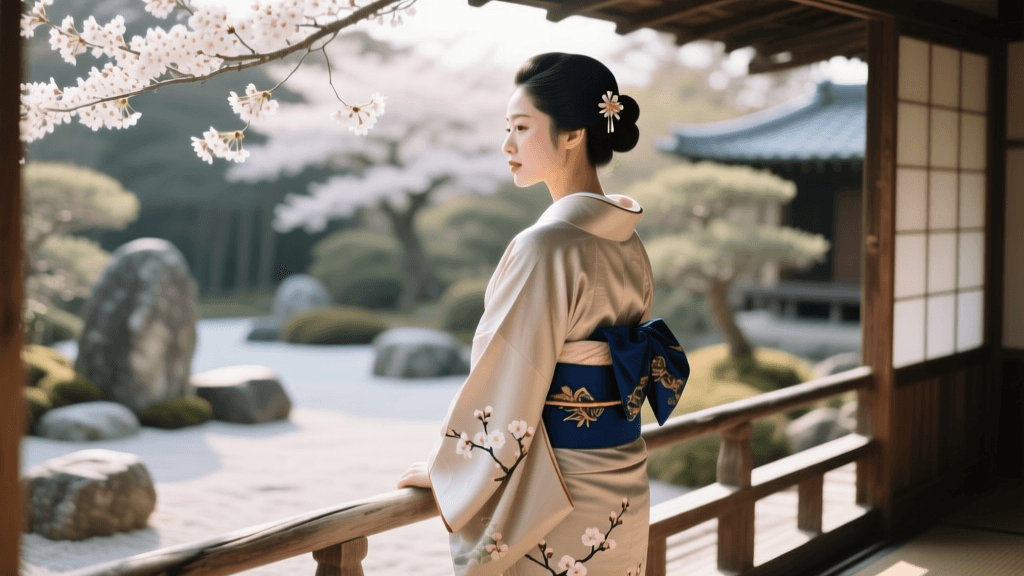
In Japan, the concept of TPO—Time, Place, and Occasion—is the foundational pillar of sartorial elegance, particularly when it comes to traditional garments. Unlike Western formalwear, where a standard tuxedo or evening gown might suffice for various events, kimono etiquette requires a nuanced understanding of hierarchy, seasonality, and social standing. Wearing the correct kimono is not merely about fashion; it is a profound expression of respect for the host, the event, and the cultural heritage itself. According to the Metropolitan Museum of Art's exhibition on Kimono Style, the evolution of these garments reflects deep societal structures, where every stitch, motif, and crest communicates the wearer's awareness of their environment and social obligations.
The Hierarchy of Formal Kimono
Navigating the hierarchy of formal kimono can seem daunting to the uninitiated. The formality of a kimono is determined by several factors: the presence and number of family crests (kamon), the length of the sleeves, the dyeing technique, and the pattern placement. Below is a detailed breakdown of the primary formal kimono categories.
Kurotomesode and Irotomesode
The Kurotomesode (black with patterns below the waist) is the absolute pinnacle of formality for married women. It always features five kamon (family crests) and is worn exclusively by close relatives of the bride or groom at weddings. The Irotomesode follows the same structural rules but is dyed in colors other than black. It can feature one, three, or five crests and is appropriate for both married and unmarried women attending weddings or highly formal imperial events.
Furisode
The Furisode is the most formal kimono for unmarried women. Recognizable by its dramatically long, swinging sleeves (ranging from 100 to 114 centimeters), it is the standard attire for Seijin Shiki (Coming of Age Day) and for unmarried female relatives at weddings. The vibrant, all-over patterns signify youth and celebration.
Homongi and Tsukesage
The Homongi (visiting wear) is a versatile formal option for both married and unmarried women. Its defining feature is the e-ba technique, where the pattern flows seamlessly across the seams when the kimono is laid flat. It is perfect for tea ceremonies, formal parties, and weddings as a guest. The Tsukesage is slightly less formal, with patterns that do not cross the seams and are generally confined to the lower half of the garment and one sleeve.
Formal Kimono Quick Reference Guide
| Kimono Type | Target Wearer | Crests (Mon) | Best Occasions |
|---|---|---|---|
| Kurotomesode | Married Women | 5 | Weddings (close relatives) |
| Irotomesode | Married / Unmarried | 1, 3, or 5 | Weddings, Formal Receptions |
| Furisode | Unmarried Women | 0 or 3 | Coming of Age, Weddings |
| Homongi | Married / Unmarried | 0, 1, or 3 | Tea Ceremonies, Parties |
| Tsukesage | Married / Unmarried | 0 or 1 | Semi-formal Dinners, Events |
Obi, Accessories, and Footwear Etiquette
The kimono is only half the equation; the accessories dictate the final level of formality. For formal occasions, a Fukuro Obi is mandatory. Measuring approximately 30 centimeters in width and over 4.5 meters in length, the Fukuro Obi is woven with intricate gold or silver brocade threads. It is tied in elaborate knots, such as the Nijuudaiko (double drum) for married women or the Fukura-suzume (puffed sparrow) for unmarried women.
The Obiage (obi scarf) and Obijime (obi cord) must coordinate with the kimono's season and formality. For weddings, obijime cords featuring gold or silver threads are preferred. When it comes to footwear, formal Zori sandals made of brocade or vinyl are required. Traditional etiquette strictly dictates avoiding animal leather for formal kimono attire, as leather is historically associated with impurity in Shinto contexts and is considered too casual or Western for high-formal Japanese dress. A matching Kinchaku (drawstring bag) or a small, elegant brocade handbag completes the ensemble.
Seasonal Rules and Motif Guidelines
As highlighted by the Victoria and Albert Museum's comprehensive Kimono exhibition, the Japanese tradition of dressing in harmony with nature is unparalleled. Seasonality in kimono is observed through both fabric weight and motif selection.
- Awase (Lined): Worn from October through May. These silk garments feature a lining for warmth.
- Hitoe (Unlined): Worn during the transitional months of June and September.
- Usugumo / Ro / Sha (Sheer): Worn in the peak heat of July and August. These feature gauze-like weaves that allow for breathability.
Motif etiquette requires the wearer to anticipate the season by about a month. For example, cherry blossom (sakura) motifs should be worn in early March, before the flowers actually bloom. Wearing a full-bloom sakura motif in late April, when the petals are already falling, is considered a faux pas, as it suggests the wearer is behind the times. Similarly, autumn motifs like maple leaves (momiji) are introduced in late September.
Practical Advice: Rentals, Undergarments, and Timing
For international visitors or those attending a formal Japanese event, renting is a highly practical and culturally accepted option. However, preparation is key.
Costs and Booking Timelines
Renting a high-quality Furisode or Kurotomesode typically costs between ¥20,000 and ¥50,000 ($130 to $330 USD), which usually includes the kimono, obi, undergarments, zori, and professional dressing services (kitsuke). For peak seasons—such as January for Coming of Age Day or November for the Shichi-Go-San children's festival—you must book your rental and dressing appointment at least three to four months in advance.
The Crucial Undergarments
A flawless kimono silhouette relies entirely on what is worn beneath. The rental shop will provide these, but knowing their names helps during the dressing process:
- Hadajuban & Susuyoke: The cotton underwear and half-slip that protect the silk from skin oils.
- Nagajuban: The long under-kimono, usually made of silk or synthetic washable silk, which provides the visible collar (han-eri) at the nape of the neck.
- Koshihimo & Datejime: The cotton ties and wide sashes used to secure the garments tightly before the obi is applied.
- Padding: Towels or specialized foam pads are wrapped around the waist and hips to create a cylindrical silhouette, which is essential for the obi to sit flat and secure.
Conclusion
Mastering kimono etiquette for formal occasions is a journey into the heart of Japanese aesthetics and social harmony. By understanding the hierarchy of the garments, respecting the strict rules of seasonality, and properly coordinating your accessories, you demonstrate a deep reverence for a tradition that has been refined over centuries. Whether you are attending a traditional wedding in Kyoto or a formal tea ceremony in Tokyo, adhering to these dress codes ensures that you are not merely wearing a garment, but actively participating in a living, breathing cultural legacy.