Edo Period Kosode: History, Collecting, and Modern Wear
The Evolution of the Kosode: From Undergarment to Icon
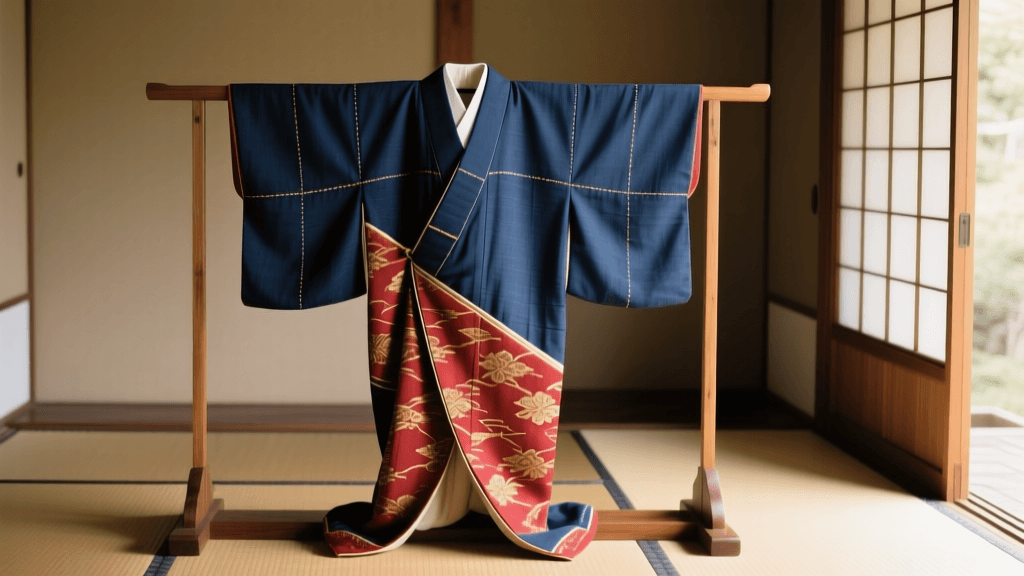
When discussing Japanese historical periods and dynasty fashion, one must look closely at the Edo period (1603–1867) and the transformative evolution of the kosode. While the earlier Heian period (794–1185) is famous for the junihitoe—a highly complex, multi-layered court dress consisting of up to twelve silk robes—the foundational garment worn closest to the skin was the kosode, meaning 'small sleeve'. Over centuries, as the samurai class rose to power and courtly extravagance waned, the kosode transitioned from a mere undergarment into the primary outer garment for both men and women across all social strata.
By the time the Tokugawa shogunate established the Edo period, the kosode had become a canvas for extraordinary artistic expression. According to the Metropolitan Museum of Art's Heilbrunn Timeline of Art History, the kosode's structural simplicity—a T-shaped, straight-seamed robe—allowed artisans to focus entirely on surface design, leading to the birth of the modern kimono as we recognize it today. Understanding this historical shift is crucial for modern collectors and enthusiasts who wish to acquire, wear, and preserve these masterpieces of Japanese textile history.
Sumptuary Laws and the Aesthetics of Iki
The Edo period was characterized by strict social hierarchies and stringent sumptuary laws designed to prevent the merchant class (chonin) from displaying overt wealth. Edicts frequently banned the use of vibrant colors, expensive silks, and ostentatious tie-dyeing techniques like kanoko shibori. However, these restrictions inadvertently birthed a sophisticated aesthetic known as iki—subtle, understated elegance.
Merchants circumvented the laws by wearing kosode with plain, muted exteriors but lavishly patterned, silk-lined interiors, a rebellious practice known as iki-ji. Furthermore, the invention of yuzen dyeing—a resist-dye technique using rice paste—allowed artisans to paint intricate, pictorial designs directly onto silk, mimicking the look of forbidden brocades. For the modern collector, identifying Edo-period kosode often involves examining the lining for hidden luxury and looking for the distinct, hand-painted fluidity of early yuzen or the metallic gleam of surihaku (gold and silver leaf application).
'The true beauty of the Edo kosode lies not in its silhouette, which remained largely unchanged for centuries, but in the rebellion and artistry woven into its very fibers, hidden from the eyes of the shogunate but celebrated by the wearer.'
A Collector's Guide to Acquiring Antique Kosode
Acquiring an authentic Edo, Meiji (1868–1912), or Taisho (1912–1926) era kosode requires patience, a trained eye, and an understanding of the Japanese vintage market. True Edo-period garments are rare, fragile, and often preserved in museum conditions, but Meiji and Taisho pieces are widely available and offer a direct link to historical tailoring and dyeing methods.
Where to Buy and Market Timing
The best time to purchase antique Japanese garments is during major market transitions. The Oedo Antique Market in Tokyo (held on the first and third Sundays) and the Tenjin-san Flea Market in Kyoto (held on the 25th of every month) are prime hunting grounds. Online, platforms like Yahoo! Auctions Japan and specialized dealers such as the Kyoto Costume Museum archives or reputable international vintage exporters offer verified historical pieces.
Cost Expectations
- Standard Vintage (Taisho/Early Showa): $40 to $150 USD. These pieces are often wearable, made with early synthetic blends or heavier crepe silks, and feature bold, modernist motifs.
- Meiji Era Antiques: $200 to $600 USD. Expect heavier silk damasks, intricate embroidery, and natural indigo or madder dyes. These may show signs of wear or shattering silk.
- Edo Period Museum-Quality: $1,000 to $5,000+ USD. Usually sold through specialized auction houses. These feature hand-spun wild silk, genuine gold leaf, and complex tsujigahana (tie-dye and ink painting) techniques.
Essential Measurements for Antique Kimono
One of the greatest challenges in collecting historical kosode is sizing. Unlike Western historical garments that were tailored to specific corseted silhouettes, the kosode was constructed from standard-width fabric bolts (tanmono), typically about 36 cm wide. Sizing was adjusted during the dressing process (kitsuke). However, historical populations were generally shorter than modern humans, meaning antique garments often require specialized styling techniques to wear today.
| Measurement Term | English Equivalent | Standard Antique Range | Modern Standard Range |
|---|---|---|---|
| Take (身丈) | Body Length | 150 - 162 cm | 165 - 175 cm |
| Yuki (裄) | Sleeve Span (Center to Cuff) | 60 - 64 cm | 66 - 72 cm |
| Sode-guchi (袖口) | Sleeve Opening | 20 - 23 cm | 23 - 25 cm |
| Katahaba (肩幅) | Shoulder Width | 30 - 32 cm | 32 - 35 cm |
When measuring an antique kosode, always lay it flat on a clean surface. If the take (length) is more than 10 cm shorter than your height, traditional wearing methods will not allow for the ohashori (the waist fold that adjusts the hem to the ankle). In such cases, collectors often wear the garment as a hitoe (unlined robe) over modern clothing, or use a specialized tying technique that secures the hem at the ankle without a deep waist fold, preserving the fragile silk from excessive tension.
Kitsuke: Wearing Historical Garments Today
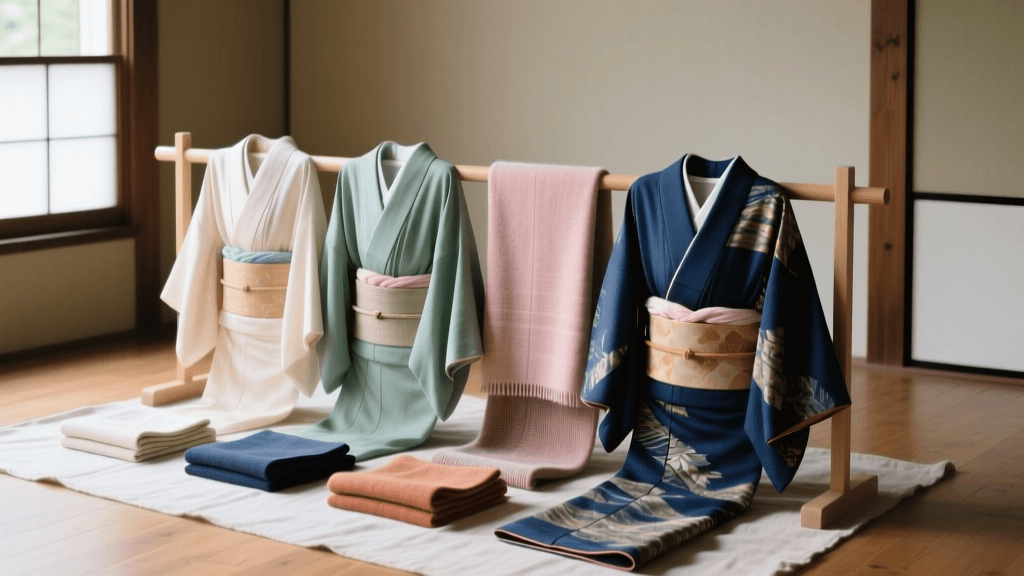
Wearing an Edo or Meiji era kosode requires a departure from modern, rigid kitsuke rules. Historical dressing was softer, more voluminous, and relied heavily on the maru obi—a heavily brocaded, fully patterned sash that was folded in half and tied in elaborate knots like the taiko musubi or the flamboyant fukura-suzume (puffed sparrow).
Essential Accessories for Edo-Style Kitsuke
To accurately recreate the silhouette of the Edo and Meiji periods, you must source specific historical accessories:
- Maru Obi: The most formal and historically accurate sash for antique kosode. These are incredibly heavy, often lined with stiff silk, and feature continuous metallic threads. Expect to pay $150–$400 for a good condition Meiji-era maru obi.
- Shigoki Obi: A soft, silk crepe sash tied tightly beneath the main obi. Originally used to hold up the long, trailing hems of Heian and Edo court women, it became a decorative staple in Meiji-era girls' and women's formal wear.
- Obijime and Obiage: While modern kitsuke uses these to secure the taiko knot, historical Edo dressing often relied on the structural integrity of the maru obi itself, using thinner, braided silk cords (kumihimo) tied in flat, decorative front knots.
Furthermore, the Victoria and Albert Museum notes that the collar (eri) of historical kosode was worn much looser and deeper at the nape of the neck than the tight, modern standard. Allowing the collar to drape softly honors the historical silhouette and reduces strain on the antique silk.
Preservation and Storage of Edo-Era Textiles
Owning a piece of Japanese dynasty and historical fashion comes with the responsibility of preservation. Antique silk is highly susceptible to light damage, humidity, and the acidity of modern storage materials.
- Never use plastic: Plastic traps moisture and off-gasses chemicals that will shatter antique silk. Always store your kosode in breathable, acid-free tatoushi (traditional Japanese paper wrappers).
- Use Kiribako (Paulownia Wood Boxes): For high-value Edo or Meiji pieces, invest in a kiribako. Paulownia wood naturally regulates humidity and repels insects without the need for chemical mothballs, which can stain historical dyes.
- Collar Protection: Historical garments were often worn with a removable, washable under-collar (han-eri). If you wear your antique kosode, always baste a fresh, white silk or cotton han-eri to the collar to protect the original fabric from skin oils and makeup. Use a specialized shikko-nuki (benzine-based collar wipe) immediately after wearing to spot-clean the neckline.
- Airing Out: Twice a year, ideally during the dry, crisp days of late autumn or early winter, remove your kosode from storage and drape it over a bamboo kimono hanger (emono-kake) in a shaded, well-ventilated room for 24 hours to release trapped moisture and odors.
Conclusion
The Edo period kosode is far more than a predecessor to the modern kimono; it is a wearable archive of Japanese socio-political history, artistic rebellion, and masterful craftsmanship. Whether you are a seasoned collector hunting for a rare yuzen-dyed Meiji masterpiece or a fashion historian seeking to understand the structural nuances of historical Japanese dress, approaching these garments with respect for their origins ensures their survival. By mastering the nuances of historical measurements, investing in proper archival storage, and embracing the softer, fluid aesthetics of traditional kitsuke, you become an active participant in preserving the living legacy of Asian textile traditions.