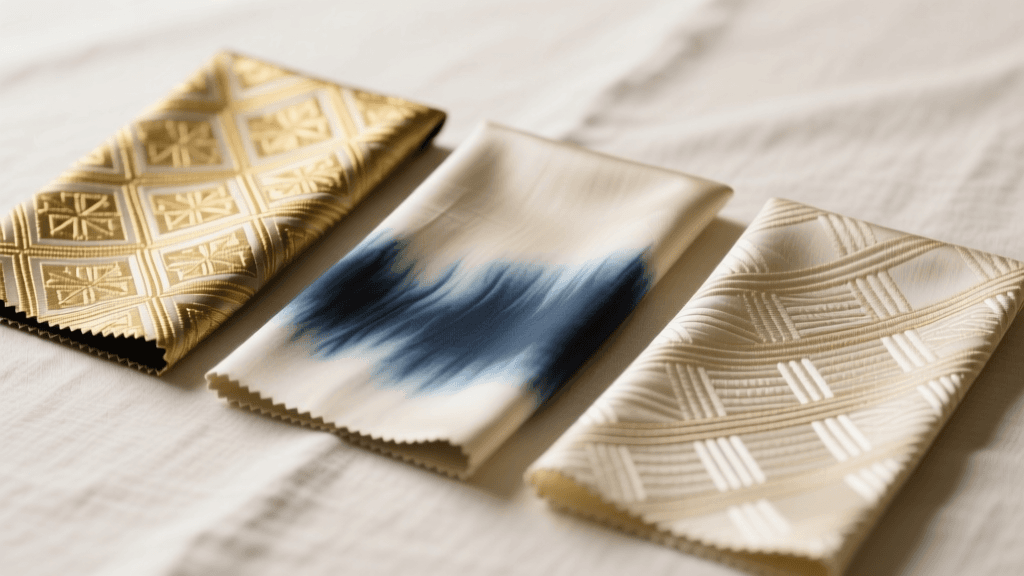
Kimono Koromogae: Seasonal Fabric Weight & Care Calendar
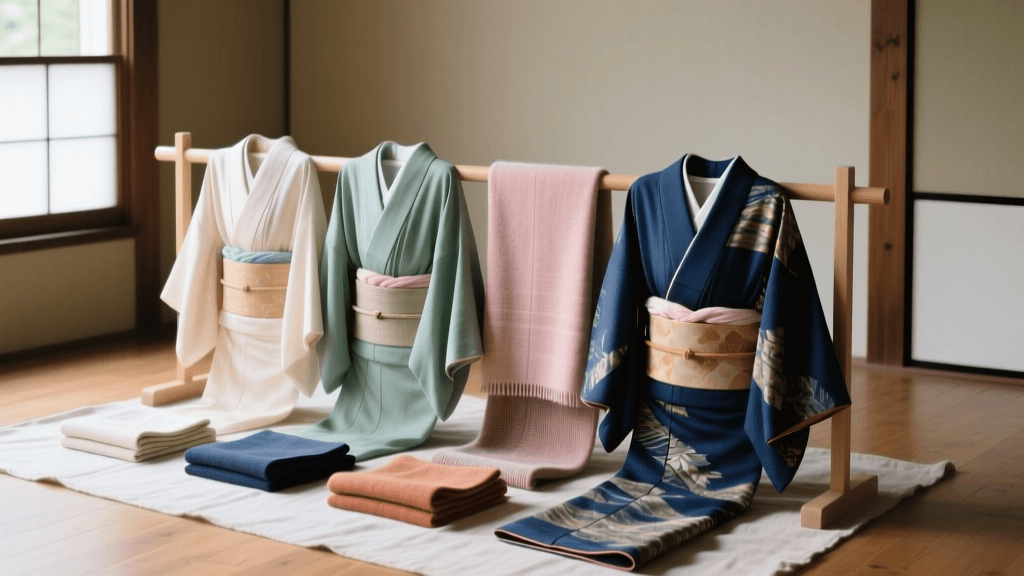
The Ancient Art of Koromogae: Transitioning the Kimono Wardrobe
In the intricate world of traditional Japanese clothing, the changing of the seasons is not merely marked by the weather, but by a deeply ingrained cultural ritual known as Koromogae (衣替え). Translating literally to 'changing of clothes,' Koromogae is the bi-annual practice of transitioning one's wardrobe to align with the shifting climate and seasonal aesthetics. For kimono collectors, practitioners, and cultural heritage enthusiasts, this is not a simple swap of winter coats for summer dresses. It is a meticulous, highly structured calendar of fabric care, airing, cleaning, and storage designed to preserve delicate silk textiles for generations.
Dating back to the Heian period (794-1185), when court nobles would ceremoniously change their layered robes to reflect the subtle shifts in nature, Koromogae remains a vital practice today. According to the Victoria and Albert Museum, the kimono's T-shaped structure and exquisite silk weaves require specialized environmental controls to prevent degradation, making seasonal care a cornerstone of Japanese textile preservation. This comprehensive guide outlines the foundational rules of kimono textile weight seasonality and provides an actionable, month-by-month fabric care calendar.
Decoding Kimono Textile Weights and Seasonality
Unlike Western fashion, where layering is largely a matter of personal preference, the traditional kimono system dictates strict rules regarding fabric weight, opacity, and lining based on the calendar month. Understanding these categories is essential before undertaking the physical care and storage of the garments.
| Season | Months | Kimono Type | Lining Status | Textile Weave & Weight Characteristics |
|---|---|---|---|---|
| Winter/Spring | October 1 - May 31 | Awase (袷) | Fully Lined | Heavy Chirimen (crepe) or Rinzu (satin). Weight: 450g-650g. High opacity, thermal retention. |
| Early Summer | June 1 - June 30 | Hitoe (単衣) | Unlined | Medium-weight silk, Ro-ori (leno weave). Weight: 250g-350g. Fluid drape, breathable. |
| Peak Summer | July 1 - August 31 | Usugoro / Natsugoro | Unlined / Sheer | Ro (leno) and Sha (gauze). Weight: 150g-200g. Translucent, highly porous, crisp hand-feel. |
| Early Autumn | September 1 - Sept 30 | Hitoe (単衣) | Unlined | Medium-weight Tsumugi (pongee) or silk. Weight: 250g-350g. Transitioning back to autumn motifs. |
Institutions like the Kyoto National Museum preserve historical examples of these seasonal weaves, demonstrating how Edo-period artisans engineered textiles specifically for Japan's high-humidity summers and dry, freezing winters. The Metropolitan Museum of Art also highlights how seasonal motifs woven into these varying fabric weights must align not just with the temperature, but with the anticipatory aesthetics of the Japanese calendar—wearing autumn motifs in late summer to invite the cool breeze, for instance.
The Annual Kimono Fabric Care Calendar
Proper maintenance requires a proactive approach. Silk is a protein fiber highly susceptible to humidity, sweat, light exposure, and protein-eating pests. Follow this seasonal calendar to ensure your textiles remain in pristine condition.
Spring (March to May): Airing and Spot Maintenance
As the weather warms, your heavy Awase (lined) kimono are still in rotation, but the transition period begins. Spring is characterized by fluctuating temperatures and increasing humidity.
- Mushi-boshi (Air Drying): Choose a dry, overcast, and breezy day in late April or early May. Hang your winter kimono on specialized wide kimono hangers (emono) in a shaded, well-ventilated room for 2 to 3 hours. Never expose silk to direct sunlight, which will shatter the fibers and fade natural dyes.
- Sweat Removal: The collar (eri) and underarm areas are prone to sweat and sebum buildup. Use a clean, dry silk cloth to gently blot these areas before returning the garment to storage. If staining is visible, send the garment for professional spot cleaning immediately to prevent permanent oxidation.
Summer (June to August): Humidity Management and Yukata Rotation
Japan's rainy season (Tsuyu) in June and the sweltering heat of July and August are the most dangerous times for silk textiles. Mold and mildew can bloom on silk within 48 hours in high-humidity environments.
- Dehumidification: Store all non-summer silks in Paulownia wood boxes (Kiribako) equipped with silica gel desiccants. Replace desiccants every 30 days during peak humidity. Maintain indoor storage humidity between 45% and 55%.
- Summer Weave Care: Ro and Sha kimono are worn during these months. Because they are sheer and worn directly over thin undergarments (juban), they are highly susceptible to perspiration. Air them out immediately after wearing. Do not attempt to wash sheer silk at home; the water will collapse the leno weave structure.
- Casual Cotton Care: For festivals and casual wear, rotate to Yukata (cotton). Unlike silk, cotton yukata can be hand-washed or machine-washed on a delicate cycle using a neutral pH detergent. Cost to replace a yukata is generally $40-$150, making them practical for high-sweat summer events.
Autumn (September to November): The Great Koromogae
Autumn marks the most critical phase of the Koromogae calendar. This is the time to pack away summer sheers and prepare the lined winter wardrobe.
- The October 1st Transition: Traditionally, October 1st is the official date to switch to Awase. Before wearing your winter kimono for the first time, unfold them and check for creases or odors from long-term storage.
- Deep Cleaning (Maru-arai): If a kimono was worn more than three times during the previous winter, or if it has unseen perspiration stains, send it for Maru-arai (a specialized, full-garment solvent wash). This process costs between $50 and $90 USD per garment and involves complete disassembly, cleaning, and re-stitching by master artisans.
- Wrapping for Storage: Wrap all summer Hitoe and Ro garments in acid-free Tatou-shi (kimono wrapping paper) before placing them in storage boxes. Never use plastic bags, which trap moisture and emit off-gassing chemicals that yellow silk.
Winter (December to February): Pest Prevention and Static Control
Winter brings dry air and indoor heating, which can make silk brittle and prone to static cling. More importantly, as garments are stored away, they become targets for textile pests.
- Natural Pest Repellents: Place Mushi-yoke (natural insect repellents) in your storage drawers. Traditional Japanese camphor (shounou) or neem-based products are preferred. Avoid commercial chemical mothballs containing naphthalene or paradichlorobenzene, as these chemicals will dissolve the metallic threads (surihaku) and gold leaf applied to formal kimono.
- Static Management: When dressing in winter, the friction between silk layers can cause static. Use a specialized anti-static spray designed for silk, or lightly mist the air around the dressing area with water to increase ambient humidity.
Essential Fabric Care Products, Measurements, and Costs
Investing in the correct archival storage materials is non-negotiable for kimono preservation. Below is a guide to the essential tools required for the Koromogae calendar.
- Kiribako (Paulownia Wood Boxes): Paulownia wood naturally swells in high humidity to create an airtight seal, and shrinks in dry weather to allow the wood to breathe. Standard dimensions are 85cm x 35cm x 25cm. Cost: $150 to $400 USD per box.
- Tatou-shi (Acid-Free Wrapping Paper): Used to fold and wrap the kimono, preventing acid transfer and protecting against dust. Standard size is 85cm x 65cm. Cost: $15 to $25 USD for a pack of 10 sheets.
- Emono (Kimono Hangers): Wide, cross-bar hangers that support the entire sleeve span (typically 130cm wide) without stressing the shoulder seams. Cost: $20 to $45 USD each.
- Shikunol (Silica Gel Sheets): Rechargeable desiccant sheets placed at the bottom of the Kiribako. Cost: $10 to $15 USD per sheet, replaceable every 6-12 months.
Expert Storage and the Hon-Tatami Folding Method
The longevity of a kimono is heavily dependent on how it is folded. The Hon-Tatami (true folding) method is a precise geometric technique that aligns the seams to prevent permanent creasing and stress on the silk fibers. When executing Hon-Tatami, the garment is folded into a neat rectangle measuring approximately 80cm by 60cm. The sleeves are folded inward, and the body panels are layered symmetrically. Once folded, the garment is wrapped in Tatou-shi and placed flat in the Kiribako. Heavier, darker garments should be placed at the bottom of the box, while lighter, sheer summer garments rest on top to avoid compression damage.
Proper kimono care is not merely a chore; it is an act of deep respect for the artisans who wove the silk, dyed the threads, and painted the motifs. Through Koromogae, we participate in a centuries-old dialogue with nature and time.
By adhering to this seasonal weight guide and fabric care calendar, collectors and practitioners ensure that these magnificent examples of Asian traditional textiles remain vibrant, structurally sound, and culturally alive for the next generation.