Su, Shu, and Yue: A Guide to Chinese Embroidery Techniques
The Living Heritage of Chinese Silk and Needlework
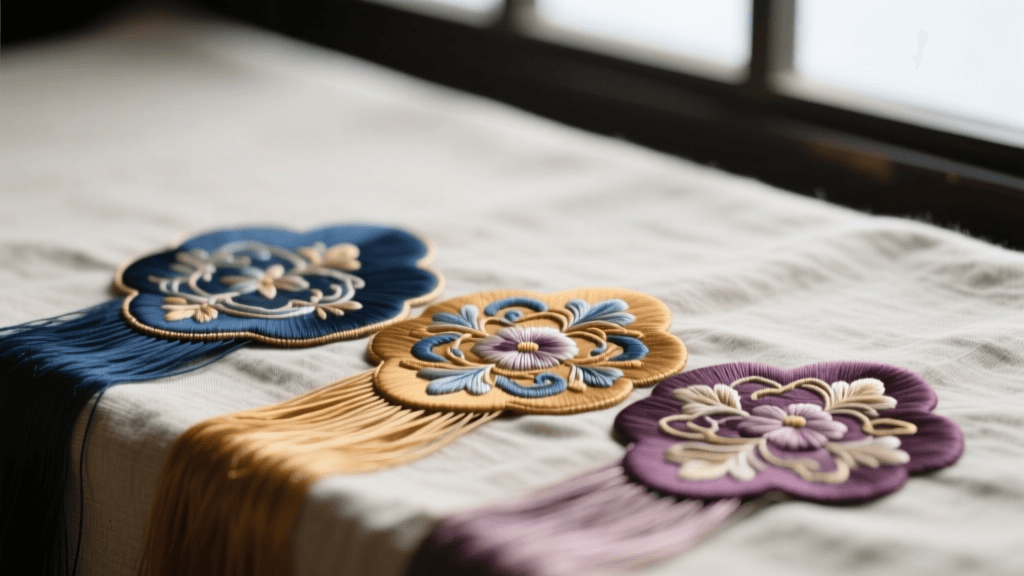
Chinese embroidery is not merely a method of decorating fabric; it is a profound visual language that has evolved over three millennia. Recognized globally for its staggering complexity and artistic depth, the craft is deeply intertwined with the history of sericulture. In fact, the traditional practices of silk reeling and embroidery are so vital to global cultural heritage that they are safeguarded on UNESCO's Intangible Cultural Heritage list. For collectors, fashion historians, and hanfu enthusiasts, understanding the distinct regional techniques is essential for authenticating and appreciating these masterpieces.
While China boasts 'Four Major Embroideries' (Su, Shu, Xiang, and Yue), this guide focuses on the highly sought-after Su (Suzhou), Shu (Sichuan), and Yue (Cantonese) styles, alongside the intricate traditional dyeing methods that give these garments their iconic hues.
Su Embroidery (Suzhou): The Pinnacle of Elegance
Originating in the water towns of Jiangsu province, Su embroidery (Su Xiu) is celebrated for its refined elegance, delicate color palettes, and photorealistic precision. The aesthetic is heavily influenced by traditional Chinese ink-wash paintings, favoring subtle gradients and tranquil motifs like koi fish, plum blossoms, and cranes.
The Art of Thread Splitting
The true hallmark of Su embroidery is the meticulous splitting of silk threads. A single strand of silk is composed of multiple filaments. Master artisans can split a single thread into 1/16, 1/32, or even 1/64 of its original thickness. This allows for imperceptible color transitions and incredibly fine details, particularly in the eyes of animals or the delicate veins of a leaf.
- Signature Technique: Shuangmian Xiu (Double-sided embroidery). The artisan stitches a piece of sheer silk so perfectly that the front and back display identical, or sometimes entirely different, images with all knots and thread ends hidden within the stitches.
- Stitch Count: Utilizes over 40 distinct stitch types, including the 'scatter stitch' for soft shading and the 'seed stitch' for textured backgrounds.
- Market Cost: Authentic, hand-stitched Su embroidery pieces start around $500 for small accessories and can exceed $10,000 for large, double-sided masterworks.
Shu Embroidery (Sichuan): Vibrant Colors and Folk Charm
Shu embroidery, hailing from Chengdu in Sichuan province, offers a striking contrast to the subdued elegance of Suzhou. Known for its bold, saturated colors and strong folk influences, Shu Xiu historically adorned everyday items, bed linens, and ceremonial garments of the southwestern elite.
Halo Dyeing and Thick Satin
Unlike the ultra-fine silks of the east, Shu embroidery often utilizes thicker, tightly woven satin bases that provide a durable canvas for heavy stitching. The motifs frequently feature pandas, lotus flowers, and mythical beasts, framed by auspicious geometric borders.
- Signature Technique: Yunzhen (Halo stitching). This technique blends threads of varying shades in a single stitch to create a 'halo' effect, giving three-dimensional volume to subjects like the scales of a carp or the petals of a peony.
- Thread Material: Uses softly twisted, multi-ply silk threads that catch the light, creating a rich, textured surface.
- Durability: Due to the thicker threads and dense stitching, Shu embroidery is highly resistant to wear, making it ideal for frequently used items like cushions and outerwear.
Yue Embroidery (Cantonese): Bold Threads and Goldwork
Yue embroidery (Yue Xiu) encompasses the styles of Guangzhou and Chaozhou in Guangdong province. Born in a region famous for international maritime trade, Cantonese embroidery is opulent, dramatic, and heavily influenced by the region's wealth and tropical environment.
Goldwork and Raised Stitching
Yue embroidery is instantly recognizable by its extensive use of gold and silver threads, as well as its raised, sculptural textures. The Victoria and Albert Museum's Asian collections frequently highlight Cantonese textiles for their extravagant use of metallic threads and dense, almost tapestry-like compositions.
- Signature Technique: Dingjin (Gold nail stitch) and pad stitching. Artisans use cotton wadding to raise specific motifs (like dragon scales or phoenix feathers) off the fabric surface before couching gold foil-wrapped threads over the padding.
- Motifs: Dragons, phoenixes, lychees, and banyan trees. The compositions are often 'horror vacui'—filling every inch of the fabric with intricate patterns.
- Application: Traditionally used for theatrical costumes, temple decorations, and the elaborate qungua (wedding jackets) worn by Cantonese brides.
Traditional Dyeing: The Magic of Gambiered Gauze
No discussion of southern Chinese textiles is complete without mentioning Xiangyunsha (Gambiered Gauze), a legendary dyeing technique native to the Pearl River Delta. This labor-intensive process transforms lightweight silk into a rustling, water-resistant, and deeply lustrous fabric.
The Alchemy of Mud and Tannins
The creation of Xiangyunsha relies on a specific chemical reaction. Silk is repeatedly dipped in the tannin-rich juice of the Dioscorea cirrhosa (shoulang) tuber. After roughly 30 dips and sun-dryings, the fabric is coated in iron-rich river mud. The tannins react with the iron ions to create a deep, metallic black-brown coating on one side, while the reverse remains a rich, earthy rust color.
'The production of authentic Gambiered Gauze is strictly bound by nature. It can only be produced between April and October, requiring intense, direct sunlight to bake the mud and tannins into the silk fibers.'
Cost and Sourcing: Genuine Xiangyunsha is rare and expensive, typically costing between $150 and $300 per yard. Buyers should look for the subtle, crackled texture on the dark side of the fabric, a natural byproduct of the mud-coating process that machine-dyed imitations cannot replicate.
Comparative Analysis: Su vs. Shu vs. Yue
To help collectors and hanfu stylists choose the right textile for their needs, here is a structured comparison of the three major embroidery styles.
| Feature | Su (Suzhou) | Shu (Sichuan) | Yue (Cantonese) |
|---|---|---|---|
| Primary Aesthetic | Elegant, painterly, subdued | Vibrant, folk-inspired, bold | Opulent, sculptural, metallic |
| Signature Motif | Koi, plum blossoms, cats | Pandas, lotus, carp | Dragons, phoenixes, lychee |
| Thread Technique | Ultra-fine splitting (1/32) | Halo blending (Yunzhen) | Gold couching & pad stitching |
| Base Fabric | Sheer silk, organza, fine satin | Thick, heavy satin | Dense silk, brocade |
| Best Used For | Wall art, sheer overlays garments | Outerwear, home textiles | Wedding jackets, stage wear |
| Avg. Price (per sq ft) | $800 - $3,000+ | $300 - $800 | $500 - $1,500 |
Practical Guide for Collectors and Enthusiasts
As noted in Encyclopedia Britannica's overview of Chinese silk, the historical and monetary value of these textiles relies heavily on their authenticity and preservation. Whether you are investing in a vintage Cantonese wedding jacket or commissioning a new Su-embroidered hanfu, follow these actionable guidelines:
1. Authenticating Hand-Stitched vs. Machine Embroidery
- Examine the Reverse: Turn the fabric over. Machine embroidery will show a continuous, messy web of bobbin thread and frequent jump-stitch cuts. Hand embroidery will show neat, deliberate stitches with minimal thread waste.
- Check the Gradients: In Su embroidery, machine gradients rely on adjacent blocks of solid colors. Hand-stitched gradients will feature individual threads that physically twist and blend into one another.
- Thread Sheen: Authentic silk threads possess a soft, pearlescent luster that changes with the angle of light. Synthetic rayon threads used in mass production have a harsh, plastic-like glare.
2. Care and Maintenance
- Cleaning: Never wash embroidered silk at home. The tension of the threads can cause the base fabric to pucker. Always seek a dry cleaner who specializes in historical or delicate textiles.
- Storage: Store garments flat in acid-free tissue paper. Hanging heavy Shu or Yue embroidered garments can cause the silk base to stretch and tear under the weight of the dense stitching and gold threads.
- Light Exposure: Natural dyes, particularly the indigo and shoulang tuber dyes used in traditional gauze, are highly susceptible to UV fading. Display pieces away from direct sunlight.
Conclusion
The techniques of Su, Shu, and Yue embroidery, combined with ancient dyeing alchemy like Gambiered Gauze, represent the zenith of Asian textile arts. They are not merely decorative; they are historical records woven in silk, mud, and gold. By understanding the distinct characteristics, costs, and care requirements of these regional styles, enthusiasts can make informed decisions, ensuring these magnificent traditions continue to be cherished and worn with pride in the modern era.