Toyotomi Hideyoshi and the Momoyama Kimono Revolution
Introduction: The Warlord Who Changed Japanese Fashion
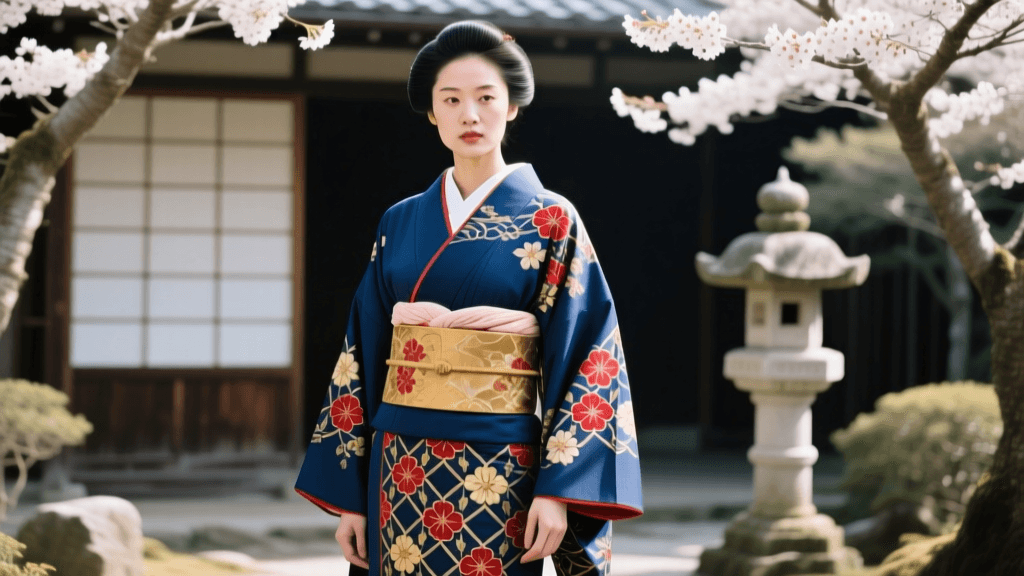
Toyotomi Hideyoshi (1537–1598) is historically revered as the second great unifier of Japan, but his impact on the cultural and sartorial landscape is equally monumental. Rising from a peasant background to the pinnacle of military and political power as the Imperial Regent, Hideyoshi’s life trajectory mirrored the dramatic shift in Japanese aesthetics during the Momoyama period (1573–1615). Where the preceding Muromachi era was defined by the restrained, Zen-influenced wabi-sabi aesthetic, Hideyoshi’s rule ushered in an age of unapologetic opulence, bold self-expression, and staggering wealth. This transformation was most vividly displayed in the textiles and garments of the era, fundamentally altering the evolution of the kimono.
Hideyoshi used fashion as a tool of political theater. His legendary Golden Tea Room, lined entirely with gold leaf, was matched only by the extravagant garments he commissioned and wore. According to the Metropolitan Museum of Art's Heilbrunn Timeline of Art History, the Momoyama period was characterized by a dynamic energy and a newfound appetite for lavish decoration, driven by the newly unified nation's booming urban economy and the warlords' desire to project absolute authority. Hideyoshi’s patronage elevated textile artisans to unprecedented heights, resulting in techniques that remain highly prized by collectors and kimono enthusiasts today.
The Birth of Tsujigahana: Tie-Dye Meets Painting
Hideyoshi’s most enduring sartorial legacy is his patronage of Tsujigahana, a complex and labor-intensive textile technique that peaked during his reign. Translating roughly to "flowers at the crossroads," Tsujigahana combines shibori (intricate tie-dyeing) with surihaku (gold or silver leaf application) and delicate ink painting. The result is a garment of staggering depth, where the soft, blurred edges of the tie-dye contrast sharply with the crisp, metallic brilliance of the gold leaf and the expressive strokes of the ink.
Hideyoshi famously favored Tsujigahana kosode (the precursor to the modern kimono) for both his personal wardrobe and as prestigious gifts to loyal retainers and foreign dignitaries. The Victoria and Albert Museum's comprehensive guide to Kimono history notes that it was during this pivotal era that the kosode transitioned definitively from a humble undergarment to the primary canvas for artistic expression and outerwear. Hideyoshi’s demand for these luxurious textiles pushed dyers in Kyoto to experiment with vibrant new imported dyes and refined resist-dyeing methods, laying the groundwork for the later development of Yuzen dyeing.
Noh Theater and the Karaori Robe
Beyond everyday court and military dress, Hideyoshi was profoundly obsessed with Noh theater. He not only sponsored Noh troupes but frequently performed in lead roles himself, using the stage to reinforce his divine right to rule. This patronage directly influenced the creation of Noh shozoku (stage costumes), which were designed to be visible from the back rows of outdoor theaters and to convey the supernatural or elevated status of the characters.
The quintessential garment to emerge from this intersection of Hideyoshi’s ego and Noh tradition is the Karaori (literally "Chinese weave"). As detailed by the Metropolitan Museum of Art's essay on Noh Theater, the Karaori is a heavily brocaded robe featuring floating weft threads that mimic the look of intricate embroidery. Worn primarily by actors playing noblewomen or deities, the Karaori features bold, oversized motifs of pine, bamboo, plum blossoms, and mythical beasts woven in metallic threads. Hideyoshi’s insistence on unparalleled luxury ensured that Momoyama-era Karaori robes were woven with real gold and silver, establishing a standard of theatrical couture that survives in modern Noh performances.
Muromachi vs. Momoyama: A Fashion Comparison
To understand the sheer magnitude of Hideyoshi’s fashion revolution, one must contrast it with the era that preceded it. The table below outlines the fundamental shifts in Japanese textile aesthetics driven by the Momoyama unification.
| Feature | Muromachi Era (1336–1573) | Momoyama Era (1573–1615) |
|---|---|---|
| Aesthetic Philosophy | Wabi-sabi, restrained, Zen-influenced, modest | Opulent, bold, extravagant, theatrical |
| Dominant Techniques | Simple weaves, subdued embroidery, stenciling | Tsujigahana, heavy brocade, gold leaf (surihaku) |
| Color Palette | Earth tones, indigo, muted greens, pale grays | Crimson, gold, vibrant purple, stark black |
| Motifs & Scale | Small, repetitive, naturalistic, subtle | Oversized, asymmetrical, dramatic, mythical |
| Silhouette & Layering | Streamlined, fewer layers, narrow obi | Voluminous draping, wide obi precursors |
Actionable Guide: Collecting and Wearing Momoyama-Style Kimono Today
For modern collectors, textile historians, and kimono wearers, the Momoyama aesthetic remains the gold standard of Japanese luxury. However, acquiring and maintaining garments inspired by or originating from this era requires specific knowledge, precise measurements, and careful preservation techniques.
1. Sourcing Authentic Antique Tsujigahana
Authentic Momoyama-era Tsujigahana garments are exceedingly rare and are typically held in museums or private collections. When they do surface at high-end auction houses or specialized Kyoto antique dealers, full museum-quality kosode can command prices between $10,000 and $50,000+, depending on the preservation of the gold leaf and silk integrity.
For accessible collecting, focus on antique textile fragments or early Edo-period reproductions. You can find framed Tsujigahana fragments (typically 30cm x 40cm) for $200 to $600 at specialized textile fairs or reputable online Japanese antique exporters. When inspecting antique silk, look for "shattered silk" (dry rot), which is common in heavily weighted historical silks. Gently pinch the fabric; if it feels brittle or makes a crunching sound, avoid it, as it cannot be restored or worn.
2. Measurements, Tailoring, and the Tanmono Bolt
Whether you are buying a modern reproduction or tailoring a vintage piece, understanding the tanmono (traditional bolt of fabric) is crucial. Historical and modern kimono are cut from bolts that are typically 36cm to 38cm wide and about 12 meters long. Unlike Western tailoring, kimono panels are not cut to shape; they are kept in straight, rectangular pieces to allow for future unraveling and re-dyeing.
When commissioning a Momoyama-style reproduction, ensure your tailor calculates the ohashori (the fold at the waist) correctly. The ideal garment length should be your height plus 20cm to 25cm. If you are purchasing a modern Tsujigahana-style kimono off-the-rack, verify that the back-width (se-ita) accommodates your hips, as modern wearers are often broader than historical averages. A standard back-width is 32cm, but custom orders should request 34cm to 36cm for a comfortable fit.
3. Modern Reproductions and Styling
Modern artisans in Kyoto and Kanazawa continue to produce stunning reproductions of Momoyama designs using advanced Yuzen dyeing and contemporary shibori techniques. A high-quality, hand-painted modern reproduction will typically cost between $800 and $2,500.
Styling Advice: Because Momoyama patterns are inherently loud and opulent, balance is key. Pair a vibrant, gold-leafed Tsujigahana-style kimono with a subdued, matte-textured fukuro obi (brocade sash) in a solid, deep color like charcoal, navy, or muted plum. Avoid pairing it with an equally loud, patterned maru obi, which will overwhelm the wearer and clash with the garment's historical grandeur. Use a han-eri (decorative collar) featuring subtle gold embroidery to echo the surihaku details of the robe without adding visual clutter.
4. Fabric Care, Preservation, and Mushiboshi
Garments featuring metallic threads, gold leaf, and complex tie-dye require rigorous preservation protocols to prevent irreversible damage.
- Storage Materials: Never store silk directly in plastic or standard cardboard, which off-gas acids and trap moisture. Wrap your kimono in tatoushi (traditional acid-free, breathable paper) and store it in a kiri (paulownia wood) chest. Paulownia naturally regulates humidity and repels insects.
- Avoid Cedar: While cedar is popular in the West for moth prevention, the natural oils and acids in raw cedar can stain and degrade delicate Japanese silk over time. Stick to paulownia or use sealed, acid-free archival boxes.
- Mushiboshi (Airing Out): You must air out your silk garments at least twice a year to prevent mold and set creases. The optimal timing for mushiboshi is late autumn (late October to early November) or early spring, on dry, breezy days with low humidity. Hang the kimono on a specialized bamboo kimono hanger in a shaded, well-ventilated room (never in direct sunlight, which will fade the dyes and crack the gold leaf) for 2 to 3 hours. Gently smooth out the seams with your hands before refolding along the original crease lines.
Conclusion: A Lasting Legacy of Opulence
Toyotomi Hideyoshi’s influence on Japanese fashion extends far beyond his military conquests. By championing the Tsujigahana technique and elevating the theatrical splendor of the Noh Karaori, he permanently shifted the cultural needle toward bold, unapologetic luxury. Today, whether you are admiring a museum piece, investing in an antique fragment, or wearing a modern reproduction styled with contemporary elegance, the Momoyama aesthetic remains a testament to a time when clothing was not merely functional, but a profound declaration of power, artistry, and cultural rebirth.