Evolution of the Japanese Kimono: Heian to Edo Eras
The Evolution of Japanese Dynasty Fashion
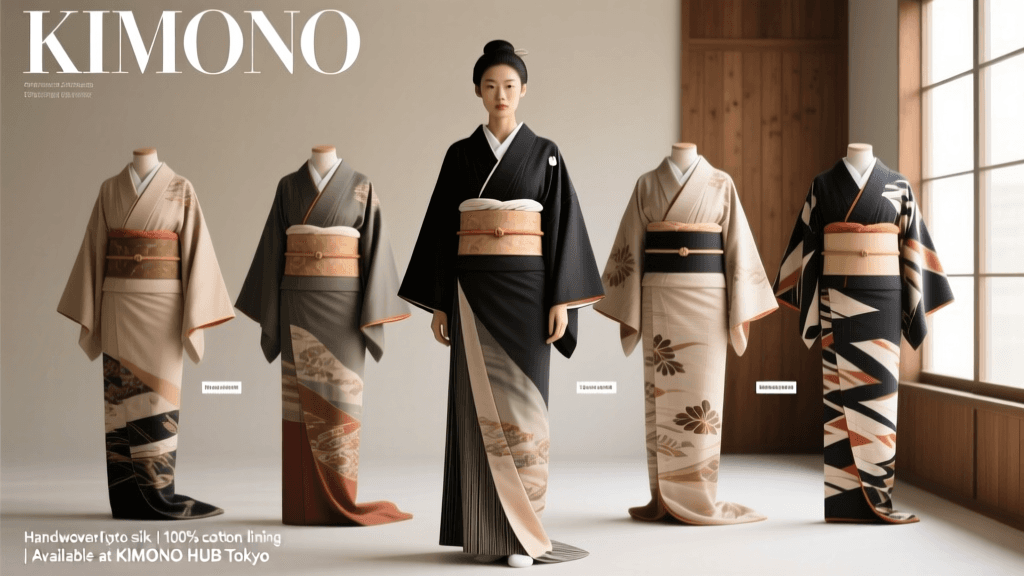
When we envision the traditional Japanese kimono, the image that typically comes to mind is the streamlined, obi-cinched silhouette of the Edo period. However, the history of Japanese garment evolution is a fascinating journey through shifting political landscapes, changing gender roles, and evolving textile technologies. From the cascading, twelve-layered robes of the Heian aristocracy to the highly structured, pattern-dyed kosode of the Edo merchant class, Japanese dynasty fashion offers a masterclass in cultural expression through textiles.
For modern enthusiasts, historical reenactors, and collectors, understanding these distinct historical periods is crucial. It not only deepens our appreciation for the craftsmanship involved but also provides a practical roadmap for sourcing, measuring, and styling these garments today. In this guide, we will explore the dramatic shift from Heian elegance to Edo practicality, complete with actionable advice on how to recreate these historical silhouettes in the modern era.
The Heian Period (794–1185): The Era of the Jūnihitoe
The Heian period represents the zenith of Japanese courtly aesthetics. Isolated from Chinese influence, the imperial court in Kyoto developed a uniquely Japanese sensibility, heavily focused on poetry, nature, and the subtle layering of colors. The defining garment of this era for high-ranking women was the jūnihitoe, or 'twelve-layer robe.' In reality, the number of layers could exceed twenty, depending on the season and the wearer's rank.
Kasane no Irome: The Art of Layering
The true artistry of Heian fashion lay not in the cut of the fabric, which was largely based on straight, narrow loom widths, but in the kasane no irome—the prescribed color combinations of the layered robes. These combinations were strictly dictated by the seasons and the wearer's court rank. For example, a 'cherry blossom' combination might feature a white outer layer with a deep pink underlayer, visible only at the cuffs, hem, and collar.
According to the Metropolitan Museum of Art's Heilbrunn Timeline of Art History, the Heian period's focus on aesthetic refinement meant that clothing was a primary indicator of a person's cultivation and sensitivity to the natural world. The sheer volume of silk required for a full jūnihitoe ensemble could weigh up to 20 kilograms (44 lbs), severely restricting the physical movement of court women and reinforcing their secluded, aristocratic lifestyle. Beneath the layers, women wore a divided skirt called a mo, and over the robes, a short Chinese-style jacket known as a karaginu.
The Muromachi to Edo Transition (1336–1868): The Rise of the Kosode
As the power of the imperial court waned and the samurai class rose to prominence, the extravagant layering of the Heian period became impractical. The garment that would eventually become the modern kimono began as the kosode (literally 'small sleeves'). Originally worn as an undergarment or a simple robe for commoners and samurai, the kosode gradually emerged as the primary outer garment for all classes by the Muromachi period.
The Edo Period and the Birth of the Modern Obi
During the peaceful and prosperous Edo period (1603–1868), the merchant class (chonin) accumulated vast wealth, leading to an explosion in textile arts. Techniques like yuzen dyeing allowed for pictorial, canvas-like designs to be painted directly onto the kosode. As the kosode became more ornate, the narrow sash used to tie it evolved into the wide, decorative obi.
By the late Edo period, the obi had grown so wide and stiff that it could no longer be tied in the front. It was moved to the back, giving birth to elaborate knots like the otaiko musubi (drum knot), which remains the standard for married women today. The Victoria and Albert Museum notes in their comprehensive guide to the kimono that this era cemented the structural foundation of the garment we recognize today, shifting the focus from layered colors to surface design and obi styling.
Comparison Chart: Heian vs. Edo Silhouettes
Understanding the structural differences between these two eras is essential for collectors and stylists. Below is a comparison of the defining characteristics of Heian and Edo fashion.
| Feature | Heian Period (Jūnihitoe) | Edo Period (Kosode/Kimono) |
|---|---|---|
| Primary Garment | Multiple layered silk robes (Uchigi) | Single outer kosode with wide obi |
| Silhouette | Flowing, trailing, heavily weighted at the hem | Cylindrical, straight, padded to hide body curves |
| Sleeve Style | Wide, open, unsewn underarm seams | Tubular sleeves, sewn underarm (with openings for arms) |
| Fastening | Layered ties, no prominent outer sash | Wide, stiff obi tied at the back |
| Modern Reenactment Cost | $3,000 - $10,000+ USD (Custom silk sets) | $150 - $800 USD (Vintage/Reproduction silk) |
Practical Guide: Recreating Historical Silhouettes Today
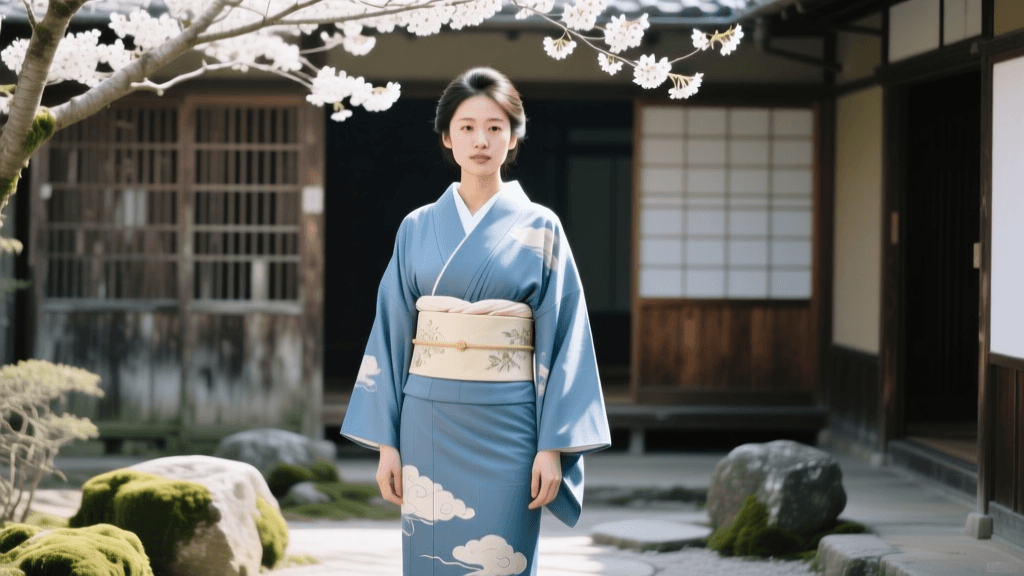
Whether you are preparing for a historical festival, a tea ceremony, or a photoshoot, achieving the correct historical silhouette requires specific padding and measurements. The modern kitsuke (kimono dressing) technique is heavily rooted in Edo-period ideals, which favored a tubular, curve-less shape.
Measurements and Sizing for Edo-Style Kosode
Unlike Western clothing, historical Japanese garments are not sized by bust or waist. They are constructed from standard bolts of fabric (tanmono), typically measuring about 34 to 36 centimeters in width.
- Body Width: A standard vintage Edo or Taisho-era kimono will have a total hem width of roughly 130 to 140 cm. This is designed to wrap around the body with a generous overlap.
- Length and the Ohashori: The kimono should be purchased or tailored to be approximately 10 to 15 cm taller than the wearer's actual height. This excess length is folded at the waist to create the ohashori, a crucial structural fold that allows for adjustment and maintains the cylindrical silhouette.
- Sleeve Drop (Sodetake): For a mature Edo-style look, the sleeve drop should measure between 45 and 50 cm. Younger, unmarried women would wear furisode with sleeve drops ranging from 85 to 114 cm.
Padding Techniques for the Cylindrical Shape
To achieve the authentic Edo silhouette, you must erase the natural curves of the body. You will need:
- Hip Pads (Hippon): Wrapped around the waist and hips to create a straight line from the bust to the hem. Expect to spend around $20–$40 USD for high-quality cotton or polyurethane pads.
- Towel Wrapping: A traditional technique involves wrapping 2 to 3 thin cotton hand towels (tenugui) around the waist before putting on the datejime (under-sash). This fills in the small of the back and prevents the obi from slipping.
- Bust Flattening: A specialized kimono bra or sarashi cloth wrapping is essential to compress the bust, ensuring the collar lies perfectly flat against the collarbone.
Sourcing and Caring for Historical Garments
Acquiring authentic historical garments requires knowledge of the Japanese vintage market. For Edo and Meiji-era kosode, the best sourcing grounds are the antique markets in Kyoto. According to Japan Guide's directory of Kyoto flea markets, the Toji Temple market (held on the 21st of every month) and the Tenmangu Shrine market (held on the 25th) are premier destinations for textile hunters.
When purchasing vintage silk, always check the condition of the mon (family crests) and the integrity of the silk along the fold lines, which are prone to shattering due to historical metallic weighting agents. A pristine, hand-painted Yuzen dyed kosode from the late Edo or Meiji period will typically cost between $300 and $800 USD, while fragments or heavily damaged pieces can be found for under $50 USD, perfect for textile study or upcycling. For international buyers, utilizing proxy services like Buyee to bid on Yahoo! Auctions Japan can yield rare Edo-period pieces, though you must factor in a 10-15% proxy fee and international shipping costs.
Storage and Preservation
Historical silks must be stored flat, folded along their original seam lines to prevent stress on the fibers. Wrap the garment in acid-free tatou paper and store it in a breathable paulownia wood box (tansu). Include natural camphor or cedar blocks to deter pests, but ensure they do not directly touch the silk to avoid oil transfer. Air the garments out during the dry, crisp days of late autumn to prevent mold, a practice traditionally known as mushiboshi.
Conclusion
The transition from the Heian period's heavy, layered jūnihitoe to the Edo period's structured, surface-designed kosode reflects Japan's broader historical shifts from insular courtly life to a vibrant, structured urban society. By understanding the measurements, padding techniques, and historical contexts of these garments, modern wearers can do more than just put on a kimono; they can step directly into the living history of Japanese dynasty fashion.