Modern Qipao Styling: Evolution, Fit Guide and Trends
The Evolution of the Qipao: From Banner Robes to Modern Icon
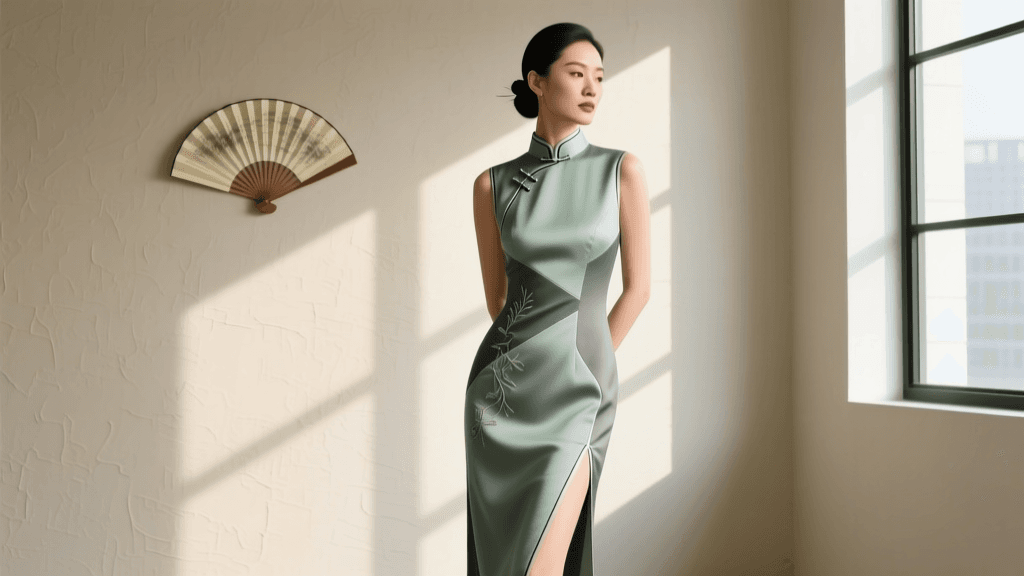
The qipao, widely recognized in the West as the cheongsam, is arguably the most iconic garment in Chinese fashion history. Originally derived from the loose, voluminous banner robes (qizhuang) worn by Manchu women during the Qing Dynasty (1644–1911), the garment underwent a radical transformation in the early 20th century. By the 1920s and 1930s, Shanghai had become the epicenter of a sartorial revolution. Influenced by Western tailoring techniques and the burgeoning feminist movement, young women and socialites began adopting a more form-fitting silhouette that celebrated the natural curves of the body. This era birthed the modern qipao, characterized by high mandarin collars, asymmetrical front flaps, and daring side slits.
Today, the qipao is no longer confined to formal banquets or cinematic nostalgia. It has been reclaimed by a new generation of designers and wearers who view it as a versatile, living garment. The modern cheongsam balances deep-rooted cultural symbolism with contemporary aesthetics, making it a staple in both high fashion and streetwear.
Key Historical Milestones
- 1920s Shanghai: The introduction of Western darts and set-in sleeves replaces traditional flat-pattern cutting, allowing for a three-dimensional fit.
- 1930s Golden Era: Hemlines fluctuate from ankle-length to knee-length, and the pairing of the qipao with high heels and sheer stockings becomes the ultimate symbol of the modern Chinese woman.
- 1960s–1990s: The garment experiences a decline in mainland China but thrives in Hong Kong and overseas diaspora communities as formal and bridal wear.
- 2020s Revival: The Xin Zhongshi (New Chinese Style) movement merges traditional elements with everyday casual wear, driving a massive resurgence among Gen Z and Millennial consumers.
Decoding the Modern Qipao: Fabrics, Cuts, and Collars
Understanding the anatomy of the qipao is essential for both selecting the right piece and communicating with a bespoke tailor. The defining features of the garment include the pankou (frog fasteners), the kaiqi (side slits), and the collar.
Collar Variations
While the stiff, high Mandarin collar (yuanling) is the most recognizable, it can be restrictive for daily wear. Modern adaptations include the shuidiling (water-drop collar), which features a teardrop-shaped cutout at the throat for breathability, and the low-band collar, which offers a more relaxed, contemporary look. For those new to the garment, a collar height of 3 to 4 centimeters is recommended to prevent chafing against the jawline.
Fabric Selection
The choice of fabric dictates the drape, formality, and seasonality of the cheongsam. For summer and daily wear, 16 to 19 momme mulberry silk crepe de chine offers a beautiful drape and breathability. For winter or formal evening events, heavy silk jacquard or brocade provides structure and a luxurious sheen. Modern iterations also experiment with linen, denim, and even technical athletic fabrics to push the boundaries of the Xin Zhongshi aesthetic.
The Bespoke Qipao: A Measurement and Fit Guide
A common misconception is that a qipao must be skin-tight to be authentic. In traditional bespoke tailoring, the concept of fangliang (ease or allowance) is crucial. A well-fitted qipao should skim the body, allowing the wearer to sit, walk, and raise their arms without the fabric pulling at the seams or the collar gaping. When commissioning a custom cheongsam, a master tailor will take up to 20 distinct measurements.
Below is a guide to the standard ease allowances required for a comfortable, modern fit. Note that these measurements assume a woven fabric with little to no stretch.
| Measurement Point | Standard Ease (Allowance) | Tailoring Notes |
|---|---|---|
| Bust | +4 to +6 cm | Crucial for preventing horizontal pull lines across the chest and back. |
| Waist | +3 to +5 cm | Allows for comfortable breathing and sitting; too tight will cause the zipper to warp. |
| Hips | +4 to +6 cm | Ensures the skirt drapes smoothly over the hips without clinging to undergarments. |
| Armhole Depth | +1 to +2 cm | Traditional qipao armholes are cut high and tight to allow arm movement without lifting the entire bodice. |
| Slit Height (Kaiqi) | N/A (Placement) | For daily wear, slits should end just above the knee. For formal wear, mid-thigh is standard. |
Modern Styling: Integrating the Cheongsam into Daily Wardrobes
The modern styling of the qipao is heavily influenced by the Xin Zhongshi (New Chinese Style) movement, which rejects the idea that traditional clothing must be reserved for weddings or Lunar New Year celebrations. By juxtaposing the elegant, structured lines of the cheongsam with casual, utilitarian, or avant-garde pieces, you can create a look that is both culturally resonant and fiercely contemporary.
Three Actionable Styling Formulas
- The Urban Commuter: Pair a knee-length, short-sleeved cotton or linen qipao with a pair of crisp white leather sneakers and a structured canvas tote bag. Add a minimalist leather belt bag worn crossbody to break up the silhouette and add a utilitarian edge.
- The Edgy Evening: Layer a sleeveless, midi-length silk brocade cheongsam under an oversized, distressed black leather motorcycle jacket. Finish the look with chunky platform boots and silver geometric jewelry. The contrast between the delicate traditional frog buttons and the heavy hardware of the jacket creates a striking visual tension.
- The Winter Layer: Wear a long-sleeved, velvet qipao over a thin, black turtleneck. Cinch the waist with a wide corset belt and pair with sheer black tights and knee-high suede boots. Drape a tailored wool overcoat over the shoulders for a sophisticated, high-fashion silhouette suitable for cold-weather events.
Garment Care: Preserving Silk and Brocade
Because traditional qipao fabrics like mulberry silk and intricate brocades are highly delicate, proper garment care is non-negotiable. Never machine wash or wring a silk cheongsam, as this will permanently damage the fibers and distort the shape of the pankou fasteners.
For cleaning, rely on professional dry cleaning services that specialize in delicate silks. When storing the garment, avoid wire hangers, which will create permanent shoulder dimples and stretch the fabric. Instead, use wide, padded wooden hangers to support the shoulders. If the qipao features heavy beading or metallic embroidery, it is best to store it flat in a breathable cotton garment bag, layered with acid-free tissue paper to prevent the folds from creasing the threads. Always keep silk away from direct sunlight, which will cause the vibrant dyes to fade and the protein fibers to become brittle over time.
The qipao is not merely a relic of 1930s Shanghai; it is a canvas for modern identity. When we adapt its collars, fabrics, and styling for the streets of today, we are not erasing its history—we are ensuring its survival.
— Contemporary Asian Fashion Historian
Conclusion and Further Reading
The evolution of the qipao from a symbol of ethnic identity to a global icon of femininity, and now to a versatile piece of modern streetwear, is a testament to the garment's enduring design. Whether you are investing in a bespoke silk cheongsam for a milestone event or adopting the Xin Zhongshi aesthetic for your daily wardrobe, understanding the fit, fabric, and styling nuances will elevate your appreciation of this masterpiece of Asian tailoring.
For those interested in exploring the historical and cultural depths of this garment further, we recommend reviewing the extensive archives and exhibitions provided by leading cultural institutions. The Sixth Tone offers excellent contemporary reporting on the qipao's resurgence among China's youth, while the South China Morning Post frequently covers the intersection of traditional tailoring and modern fashion weeks. Additionally, the Metropolitan Museum of Art's historical analysis of Chinese dress, available via their China: Through a Looking Glass exhibition archives, provides unparalleled visual context for the garment's mid-century golden age.