Kids Hanfu and Qipao: A Parent's Sizing and Style Guide
The Rise of Children's Traditional Chinese Clothing
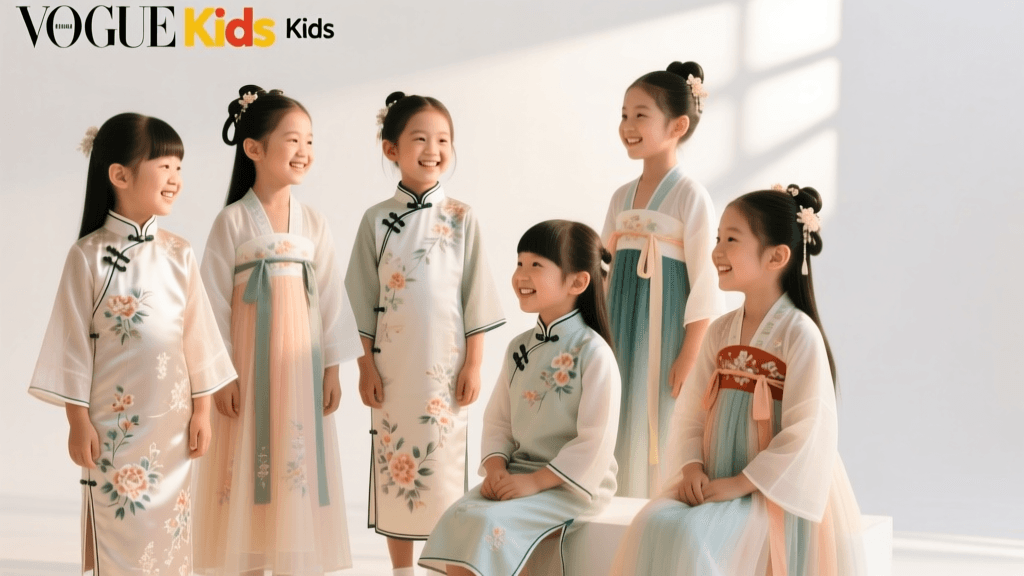
Over the past decade, the resurgence of traditional Chinese attire has moved beyond young adults and into the children's fashion market. According to reports covering the cultural shift, the Hanfu craze has taken hold across generations, with parents increasingly eager to dress their children in garments that reflect their heritage. Whether for the Lunar New Year, the Mid-Autumn Festival, or cultural performances, dressing children in traditional attire like Hanfu, Qipao (Cheongsam), and Tangzhuang offers a beautiful way to connect them with Asian traditions. However, children are active, growing, and sensitive to uncomfortable fabrics, making the practical aspects of sizing, material selection, and budgeting crucial for parents.
Choosing the Right Garment: Hanfu vs. Qipao vs. Tangzhuang
When shopping for kids' traditional Chinese clothing, parents generally choose between three main categories. Each serves a different purpose, offers varying levels of mobility, and comes with distinct price points.
1. Children's Hanfu
Hanfu refers to the historical clothing of the Han Chinese. For children, the most popular styles are the Ruqun (a top and skirt combination for girls) and the Feiyufu or simplified Shenyi (one-piece robes or martial-arts-inspired tunics for boys). Hanfu is typically loose-fitting, making it highly forgiving for growing children and excellent for active play. The layered look is visually striking for photography and festival parades.
2. Children's Qipao (Cheongsam)
The Qipao is a form-fitting dress that originated in the 1920s. For children, modern Qipao are heavily modified for comfort. They often feature stretchy cotton blends, hidden back zippers, and wider armholes. While beautiful and elegant for formal family dinners or portrait sessions, the tailored nature of the Qipao means it is less forgiving if a child grows between the time of purchase and the event.
3. Tangzhuang (Tang Suit)
Despite the name, the Tangzhuang is a modern hybrid garment that evolved from the Manchu riding jacket, popularized globally during the 2001 APEC summit. It features a mandarin collar and traditional frog buttons (pankou). Tangzhuang is the most common, accessible, and budget-friendly option for boys and girls during the Lunar New Year. It is usually worn as a jacket over modern clothing, making it highly practical for cold winter festivals.
Comparison Chart: Kids' Traditional Garments
| Garment Type | Best For | Mobility & Comfort | Average Cost (USD) | Sizing Forgiveness |
|---|---|---|---|---|
| Hanfu (Ruqun/Shenyi) | Festivals, outdoor photos, cultural events | High (loose, flowing) | $30 - $80 | High (tie-waists, wrap styles) |
| Qipao (Cheongsam) | Formal dinners, indoor portraits, weddings | Moderate (tailored fit) | $25 - $65 | Low (requires exact fit) |
| Tangzhuang (Tang Suit) | Lunar New Year, casual family gatherings | High (worn as outerwear) | $15 - $35 | Moderate (boxy cut) |
How to Measure and Size Kids for Traditional Attire
Unlike Western children's clothing, which is often categorized strictly by age (e.g., 2T, 4T), traditional Chinese garments are primarily sized by height (shengao) in centimeters. Relying solely on age can result in ill-fitting garments, as children's growth spurts vary wildly.
Essential Measurements to Take
- Height (Shengao): Measure from the top of the head to the floor without shoes. This is the primary metric for Hanfu and Tangzhuang sizing. A child who is 110cm tall should look for size 110 or 120.
- Chest (Xiongwei): Measure around the fullest part of the chest. Crucial for Qipao and Tangzhuang jackets to ensure the frog buttons do not pull.
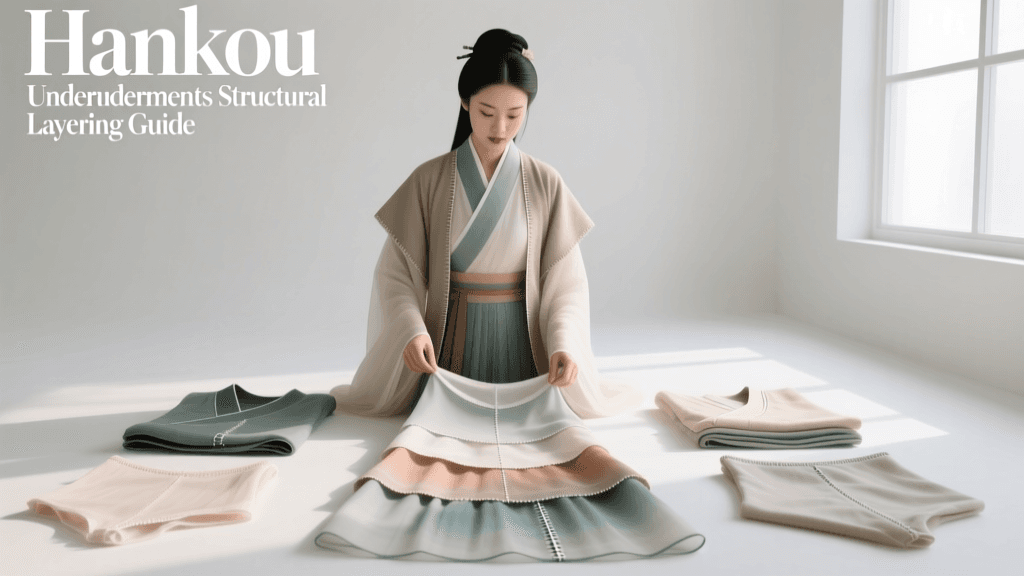
- Waist (Yaowei): Measure around the natural waistline. Important for Hanfu skirts (Mamianqun or Ruqun) to ensure the waistband sits securely without slipping during play.
- Sleeve Length: Measure from the center back of the neck, across the shoulder, and down to the wrist. Traditional Hanfu often features extended or wide sleeves, but kids' versions are usually tapered or shortened to prevent tripping and staining.
The 'Size Up' Rule for Winter Festivals
If you are buying traditional clothing for the Lunar New Year (which falls in January or February), remember that children will likely be wearing thermal underlayers. Always size up by one increment (e.g., buy size 120 for a 110cm child) to accommodate thick winter base layers. As highlighted by cultural commentators tracking the traditional fashion boom, modern adaptations of these garments often include hidden elastic bands and adjustable ties precisely to help parents navigate these seasonal layering challenges.
Fabric Choices and Child Safety Standards
Children have sensitive skin and generate a lot of body heat while playing. The fabric of a traditional garment can make or break the child's experience.
Recommended Fabrics for Kids
- Cotton and Linen Blends: The gold standard for children's Hanfu. They are breathable, washable, and soften over time. Look for garments labeled as 100% cotton or cotton-linen blends for the inner lining.
- Brocade and Jacquard (Outerwear only): Beautiful for Tangzhuang jackets and Qipao, but often stiff and scratchy. Ensure the garment has a full cotton lining so the brocade does not touch the child's skin directly.
- Stretch Velvet: A popular modern choice for winter Qipao. It provides warmth, looks luxurious, and offers the stretch needed for a child to sit and eat comfortably at a banquet.
Safety Considerations
When purchasing traditional clothing, be mindful of choking hazards and tripping risks. Authentic adult Hanfu features long, trailing sleeves and complex, multi-layered ties. For children under the age of six, avoid garments with long, detachable sashes, heavy ornamental tassels, or small, easily detachable beadwork. Furthermore, ensure that the traditional pankou (frog buttons) are securely stitched. Many modern manufacturers now use faux-pankou that snap or use hidden velcro underneath to maintain the traditional aesthetic while meeting modern children's apparel safety standards regarding small parts and neck cords.
Budgeting, Timing, and Where to Buy
The market for children's traditional Chinese clothing ranges from mass-produced festival wear to bespoke, hand-embroidered pieces. Knowing when and where to buy can save parents significant time and money.
Cost Breakdown
- Budget ($15 - $30): Basic Tangzhuang sets and simple cotton Hanfu. Usually found on Amazon, AliExpress, or local Chinatown boutiques. Great for a single-day event like a school Lunar New Year presentation.
- Mid-Range ($35 - $80): High-quality Hanfu sets with accurate historical cuts (like the Mamianqun for girls) made from durable, premium cotton. Brands like Shisan Yu (Thirteen Plus) or Zhongzi offer dedicated children's lines that balance historical accuracy with child-friendly durability.
- Premium ($100+): Custom-tailored Qipao with hand-stitched embroidery, silk linings, and bespoke fittings. Reserved for major milestones like a child's role as a ring bearer in a traditional wedding or high-end family portraits.
Timing Your Purchase
Do not wait until the week before the Lunar New Year or the Mid-Autumn Festival to order. Supply chains for specialized cultural garments often face bottlenecks during peak seasons. Order at least 6 to 8 weeks in advance. If you are ordering directly from Asian marketplaces like Taobao or specialized Hanfu brands, you must factor in 2 to 3 weeks for international shipping and potential customs delays. Buying early also allows time for exchanges if the height-based sizing does not perfectly match your child's proportions.
Styling Tips for a Modern, Comfortable Look
Blending traditional garments with modern children's footwear and accessories ensures the child remains comfortable throughout a long day of festivities.
- Footwear: Skip the rigid, traditional cloth shoes for toddlers and young children who will be walking on modern, hard surfaces. Instead, pair Hanfu and Tangzhuang with clean, minimalist sneakers or soft-soled leather moccasins in neutral colors (white, black, or red). This provides necessary arch support and prevents slipping.
- Hair Accessories: For girls, intricate metal hairpins (buyao) can be heavy and dangerous for active play. Opt for silk ribbon ties, soft velvet scrunchies in traditional auspicious colors (red, gold, jade green), or lightweight fabric flowers.
- Layering: In colder climates, layer a modern, fitted turtleneck underneath a Hanfu top or Tangzhuang jacket. This preserves the traditional silhouette while providing essential warmth without the bulk of traditional inner robes.
Conclusion
Dressing children in traditional Chinese clothing is a rewarding way to pass down cultural heritage and create lasting family memories. By prioritizing accurate height-based measurements, selecting breathable and safe fabrics, and planning purchases well ahead of major festivals, parents can ensure their children look historically inspired while remaining entirely comfortable. Whether they are twirling in a cotton Ruqun or posing in a velvet Qipao, the next generation is proudly carrying the vibrant textile traditions of Asia into the future.