Mastering Seasonal Kimono: Fabrics, Layers, and Dressing Techniques
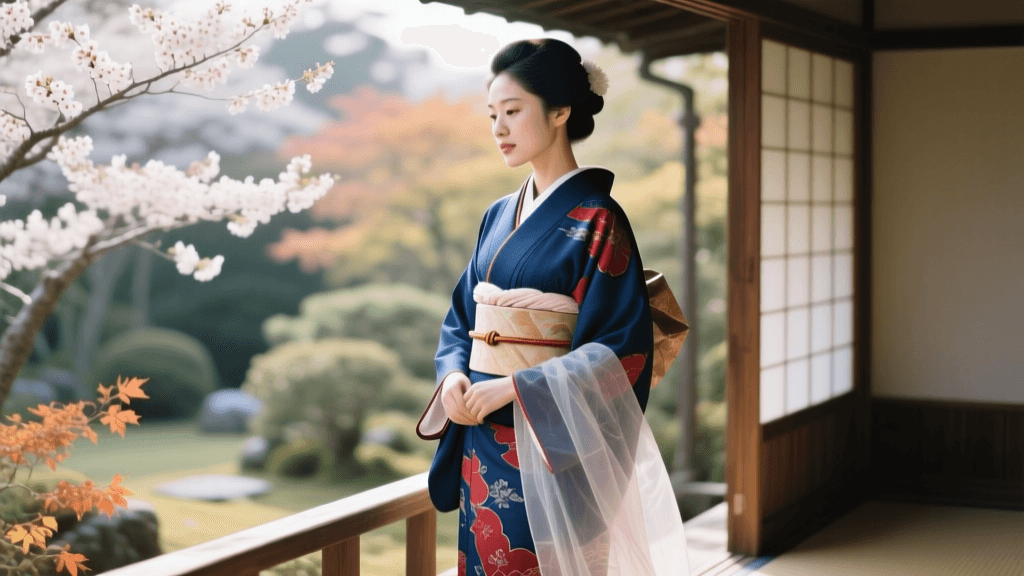
Japanese traditional clothing is not merely a static costume; it is a dynamic, living practice intimately tied to shiki, the profound cultural appreciation of the four seasons. To wear a kimono correctly is to engage in a highly regulated dialogue with nature, climate, and social etiquette. The art of kimono dressing, known as kitsuke, requires a sophisticated understanding of textile weights, structural layering, and precise bodily measurements to ensure both aesthetic elegance and physical comfort. Whether you are navigating the crisp, freezing winds of a Hokkaido winter or the sweltering, humid depths of a Kyoto summer, mastering seasonal wear is essential for any serious practitioner of Japanese garment traditions. According to The Metropolitan Museum of Art, the evolution of kimono layering reflects centuries of adaptation to Japan's diverse microclimates, transforming practical necessity into high art.
The Seasonal Calendar: Awase, Hitoe, and Natsumono
Unlike Western fashion, which shifts with arbitrary retail seasons, the traditional kimono wardrobe adheres to a strict, historically codified calendar known as koromogae (the changing of clothes). This calendar is divided into three primary categories of garment construction, each engineered for specific temperature ranges.
Awase (Lined Kimono)
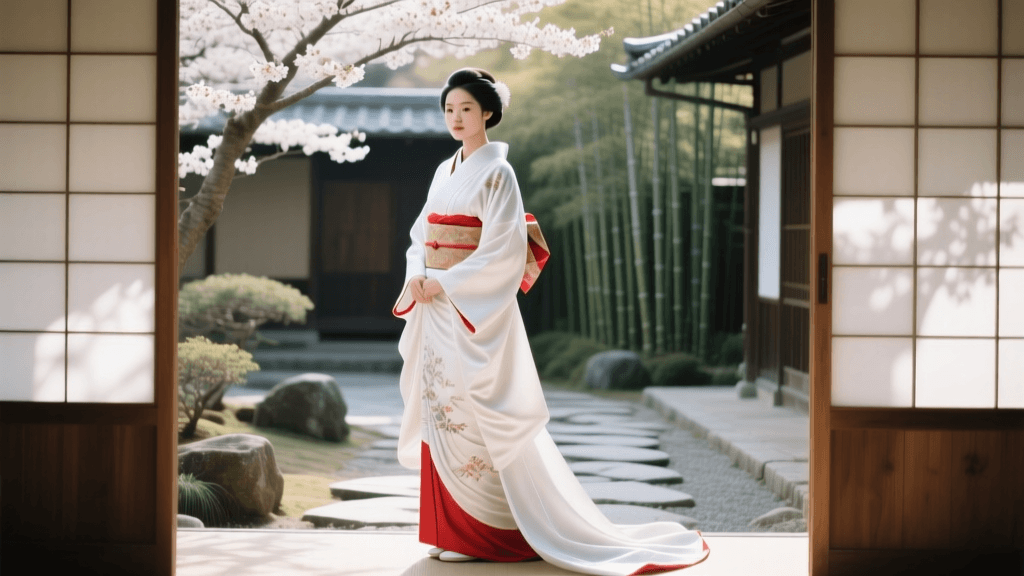
Worn from October 1st through May 31st, the awase is a fully lined kimono. The inner lining, typically made of smooth, breathable silk or modern cupro, provides crucial insulation against winter drafts. The outer fabric can range from heavy, slubbed tsumugi (pongee) silk for deep winter to lighter chirimen (crepe) for early spring. The lining not only adds warmth but also gives the garment structural weight, allowing the heavy obi (sash) to sit securely without crushing the drape.
Hitoe (Unlined Kimono)
The transitional months of June and September call for the hitoe. Constructed from a single layer of fabric without an inner lining, the hitoe is lighter and more breathable. It is specifically designed for the rainy season (tsuyu) in June and the lingering typhoon-season humidity of September. Because it lacks a lining, the hitoe requires a wider, stiffer date-jime (under-belt) during dressing to maintain the garment's cylindrical silhouette without the structural assistance of a liner.
Natsumono (Summer Sheer Kimono)
From July 1st to August 31st, practitioners transition to natsumono, which encompasses sheer, woven fabrics like ro (gauze with horizontal slits) and sha (leno-weave gauze). As noted by the Victoria and Albert Museum, these textiles represent the pinnacle of Japanese weaving technology, designed to catch the slightest breeze while obscuring the body through optical illusion. Wearing ro or sha requires specialized, sheer undergarments, as the lining of a standard kimono would ruin the cooling visual effect.
The Architecture of Layering: Juban and Undergarments
The secret to seasonal comfort lies not in the outer kimono, but in the foundational layers. A proper kitsuke involves multiple strata of clothing that manage moisture, temperature, and silhouette.
- Hadajuban and Susoyoke: The innermost layer consists of the hadajuban (a thin, short-sleeved undershirt) and susoyoke (a half-slip). In winter, modern wearers often substitute these with specialized thermal hadagi made of moisture-wicking synthetic blends to prevent sweat from chilling the body. In summer, linen or hemp hadajuban are preferred for their rapid evaporation rates.
- Nagajuban (Under-Kimono): Worn over the base layers, the nagajuban protects the delicate outer silk from skin oils and sweat. Winter nagajuban are often lined and feature a thick, embroidered han-eri (decorative collar). Summer nagajuban are made of sheer ro or unlined cotton, and the han-eri is swapped for a lightweight, washable mesh or linen alternative.
- Koshi-himo (Waist Ties): These thin cords secure the layers. In summer, using traditional cotton ties can cause excessive sweating and chafing. Modern dressing techniques utilize wide, elasticized mesh belts that distribute pressure while allowing maximum airflow to the torso.
Seasonal Kimono and Layering Guide
To visualize the complex interplay between climate and garment engineering, refer to the following seasonal dressing matrix. This table provides actionable parameters for assembling a complete, seasonally appropriate ensemble.
| Season / Months | Outer Garment | Undergarment (Nagajuban) | Obi Type & Accessories | Footwear (Zori/Tabi) |
|---|---|---|---|---|
| Deep Winter (Dec-Feb) | Awase (Heavy Tsumugi/Oshima) | Lined Silk/Cupro with thick Han-eri | Fukuro Obi, padded Obi-jime | Lined Tabi, leather-covered Zori |
| Spring (Mar-May) | Awase (Light Chirimen/Komon) | Unlined or lightly lined Silk | Nagoya Obi, standard Obi-age | Standard white Tabi, brocade Zori |
| Early Summer (Jun) | Hitoe (Unlined Silk/Linen) | Unlined Cotton or Ro-mesh | Summer Nagoya (Rinzu), mesh Date-jime | Unlined Tabi, rattan/woven Zori |
| Peak Summer (Jul-Aug) | Natsumono (Ro or Sha Gauze) | Sheer Ro or Kohaku (Red/White) | Sheer Hakata Obi, cooling Obi-ita | Barefoot or sheer Tabi, bamboo Zori |
| Early Autumn (Sep) | Hitoe (Darkening Autumn motifs) | Unlined Silk or Hemp blend | Nagoya Obi, standard ties | Standard Tabi, fabric-covered Zori |
Kitsuke: Dressing Techniques for Climate Control
The physical act of dressing (kitsuke) must be modified based on the season to ensure the wearer does not suffer from heat exhaustion or cold exposure. The Smithsonian National Museum of Asian Art highlights how the structural rigidity of the kimono demands precise bodily awareness, a factor that becomes critical when managing extreme temperatures.
Winter Techniques: Thermal Sealing
In winter, the primary goal of kitsuke is to trap body heat and block cold drafts. The o-hashori (the waist tuck that adjusts the kimono's length) must be pulled taut and secured tightly with the date-jime to prevent cold air from funneling up the legs. Furthermore, the obi is traditionally tied in a Taiko musubi (drum knot). This large, flat knot sits directly over the lower back and kidneys, acting as a vital thermal barrier that protects the body's core from freezing winds. The collar (eri) is pulled snugly against the nape of the neck, leaving no gap for drafts to enter.
Summer Techniques: Ventilation and Ikinuki
Summer dressing prioritizes airflow and the optical illusion of coolness. A critical technique is ikinuki (literally "pulling the life"). After the kimono is secured, the dresser reaches back and pulls the center of the collar down slightly, exposing the unaji (the nape of the neck). This gap allows trapped body heat to escape upward, functioning as a natural chimney for thermal regulation. Additionally, the o-hashori is left slightly looser, and the front panels (okumi) are overlapped minimally to allow air to circulate around the legs. The obi is often tied in a smaller, elevated knot like the bunko musubi (bow knot) or a specialized summer tsukudai knot, keeping the heavy fabric away from the heat-radiating lower back.
Sizing, Measurements, and Market Costs
Building a functional, multi-seasonal kimono wardrobe requires an understanding of traditional measurements and market economics. Unlike Western clothing, kimono are sold based on bolt width (tan-mono) and require specific calculations for the kitake (finished length) and yuki (sleeve-to-center-back length).
Calculating Your Measurements:
- Kitake (Length): Traditionally calculated as the wearer's height minus 10 centimeters. For modern wearers who prefer a longer, more elegant drape that grazes the ankle bone, subtracting only 5 to 8 centimeters is recommended.
- Yuki (Sleeve Length): Measured from the center of the back of the neck, over the shoulder, and down to the wrist bone. A standard modern yuki ranges from 62cm to 68cm. Ensuring your yuki is correct is vital; sleeves that are too short will expose the wrists to winter cold, while sleeves that are too long will drag and absorb summer sweat.
Cost Estimates for a Seasonal Wardrobe:
Acquiring authentic, high-quality seasonal garments requires a strategic budget.
- Awase (Winter/Spring): A new, custom-tailored silk awase ranges from $1,500 to $4,000 due to the cost of both the outer silk and the inner lining, plus the complex tailoring. Vintage options can be found for $150 to $400, though finding intact linings without age spots (shimi) is challenging.
- Hitoe (Transitional): Unlined garments are less expensive to produce. New hitoe typically cost between $800 and $2,000. Vintage markets offer excellent hitoe for $100 to $250.
- Natsumono (Summer Ro/Sha): High-quality sheer silk is notoriously difficult to weave and tailor. A new ro kimono starts around $1,200 and can exceed $3,000. Because summer garments suffer the most sweat damage, pristine vintage ro are rare and often command premium prices of $300 to $600.
Conclusion
Mastering the seasonal wear and dressing techniques of the Japanese kimono is a lifelong pursuit that bridges the gap between historical reverence and practical survival. By understanding the architectural differences between awase, hitoe, and natsumono, and by adjusting your kitsuke to manipulate airflow and insulation, you honor the deep ecological awareness embedded in Asian textile traditions. Whether you are investing in a vintage Oshima tsumugi for the snow or a delicate ro for the summer festivals, the kimono remains a masterclass in dressing in harmony with the natural world.