The Complete Hanfu Buying Guide: Where to Shop Online
The Hanfu Revival: A Global Phenomenon
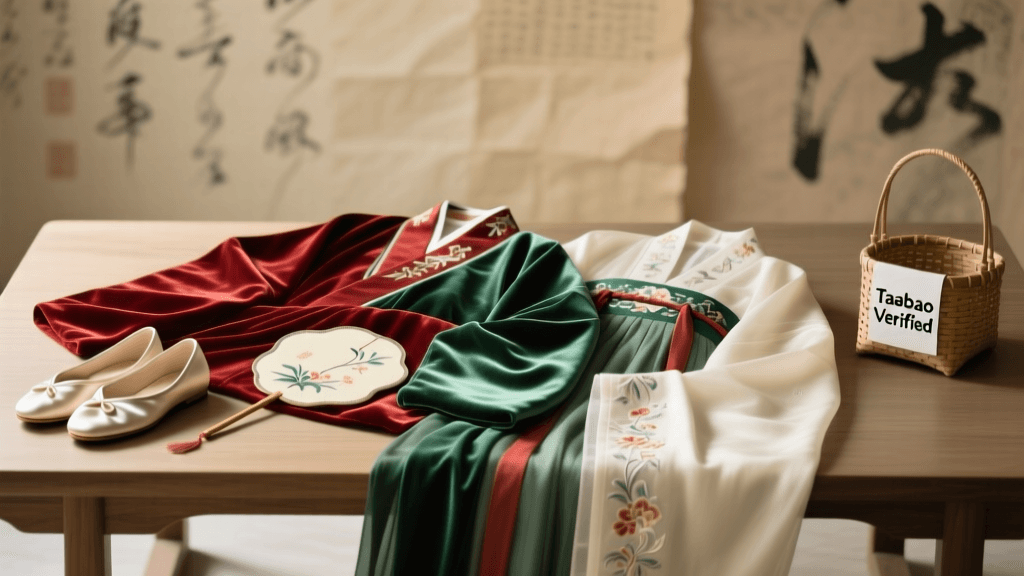
Over the past decade, the traditional clothing of the Han Chinese, known as Hanfu, has experienced a massive renaissance. What began as a niche historical subculture has blossomed into a multi-billion dollar global fashion industry. According to BBC News, the movement is largely driven by young Chinese nationals and international enthusiasts seeking to reconnect with their heritage, transforming ancient silhouettes into modern streetwear. As reported by Reuters, Hanfu enthusiasts are now a common sight in major cities, universities, and tourist landmarks, proving that this is not merely a costume trend, but a lasting cultural revival.
For international buyers and newcomers, navigating the vast ocean of online Hanfu retailers can be overwhelming. From deciphering Chinese sizing charts to understanding the complex pre-sale culture of Taobao, purchasing your first authentic set requires a strategic approach. This comprehensive guide will walk you through exactly where to shop online, how to measure yourself correctly, and how to build a versatile, historically inspired wardrobe.
Decoding Hanfu Terminology and Search Terms
Before you begin shopping, it is crucial to understand the basic terminology of Hanfu. Most authentic sellers on Chinese e-commerce platforms use specific historical terms rather than generic English descriptions. Knowing these terms will help you filter out low-quality costume replicas and find premium, traditional garments.
- Hanfu (汉服): The overarching term for traditional Han Chinese clothing.
- Mamianqun (马面裙): The iconic 'horse-face' skirt, characterized by flat front and back panels with pleated sides. Highly versatile and currently trending in modern fashion.
- Ruqun (襦裙): A classic ensemble consisting of a top (ru) and a wrap skirt (qun). Subcategories include Qixiong (chest-high) and Qiyao (waist-high).
- Aoqun (袄裙): A jacket and skirt combination, heavily associated with the Ming Dynasty, featuring thicker fabrics and layered collars.
- Pibo (披帛): A long, flowing silk scarf draped over the arms and shoulders, popular in Tang Dynasty styling.
- Jiaoling Youren (交领右衽): The defining structural rule of Hanfu: a cross-collar that always wraps left over right (the wearer's right lapel).
Mastering Hanfu Sizing and Measurements
One of the most common pitfalls for international buyers is assuming that standard Western sizing (S, M, L) applies to Hanfu. Chinese sizing runs significantly smaller, and traditional garments rely heavily on precise body measurements rather than standardized letter sizes. Furthermore, Hanfu is designed with a flat-pattern cutting method, meaning the garments are cut from flat pieces of fabric and rely on wrapping and tying to fit the body's contours.
To ensure a perfect fit, you must take your measurements using the Pingpu (flat lay) method. Sellers will often provide a chart detailing the flat-lay dimensions of the garment. You need to measure your own body and compare it to these flat dimensions.
Essential Measurements to Take:
- Bust/Chest: Measure around the fullest part of your chest. For cross-collar tops, the garment's flat chest width multiplied by two should be at least 10-15 cm larger than your actual bust to allow for the wrap overlap.
- Waist: Measure your natural waistline. For waist-high skirts (Qiyao), this is the exact circumference the skirt band must wrap around.
- Hips: Crucial for Mamianqun (horse-face skirts) to ensure the pleats do not pull open awkwardly when walking.
- Height and Arm Span: Traditional sleeves (like the large 'Da Xiu' or 'Pipa' sleeves) are sized by total wingspan rather than just arm length. Measure from the center of your back neck, across your shoulder, down to your wrist.
Pro Tip: Always size up when in doubt. Hanfu is meant to drape elegantly with a relaxed fit. A garment that is too tight will cause the cross-collar to gape open and the skirt pleats to burst, ruining the traditional silhouette.
Where to Shop: The Best Online Platforms
The global Hanfu market is predominantly centered in China, meaning the best selection, prices, and quality are found on domestic Chinese platforms. However, international-friendly options do exist. Below is a comparison of the primary avenues for purchasing Hanfu online.
| Platform | Pros | Cons | Best For | Agent Required? |
|---|---|---|---|---|
| Taobao / Tmall | Massive selection, direct from brands, lowest prices. | Interface is in Chinese, requires third-party shipping. | Serious collectors, custom orders, latest trends. | Yes (Superbuy, CSSBuy) |
| AliExpress | English interface, global shipping, buyer protection. | High markup, slow shipping, risk of 'costume' quality. | Beginners buying single starter pieces. | No |
| Newhanfu / Hanfu Express | Curated for international buyers, English support. | Limited inventory, higher prices than Taobao. | Buyers who want customer service without agents. | No |
| Xianyu (Idle Fish) | Secondhand market, rare discontinued items. | High scam risk, no returns, complex navigation. | Vintage Hanfu, sold-out Minghuatang pieces. | Yes |
Using a Taobao Shopping Agent
To access the goldmine of Taobao and Tmall, international buyers use shopping agents like Superbuy, Sugargoo, or CSSBuy. You paste the Taobao product link into the agent's website, they purchase it, receive it at their Chinese warehouse, take quality control (QC) photos for you to approve, and then ship it internationally via your chosen courier (EMS, DHL, or Sea Packet). This adds a small service fee and shipping time but grants you access to the authentic domestic market.
Top Hanfu Brands to Bookmark
Not all Hanfu is created equal. The market is saturated with cheap, synthetic costumes, but several heritage brands are renowned for their historical accuracy, premium fabrics, and exquisite embroidery. According to cultural analyses by the South China Morning Post, the premium Hanfu sector has elevated traditional weaving and embroidery techniques to high fashion.
- Minghuatang (明华堂): Often referred to as the 'Hermès of Hanfu.' They specialize in museum-grade Ming Dynasty reproductions using real gold thread and premium silk. Prices range from $500 to over $3,000. Wait times can exceed a year.
- Shisanyu (十三余): The most famous commercial brand, known for accessible pricing, vibrant romantic designs, and high-profile collaborations (including Disney and King of Glory). Excellent for beginners and everyday wear. ($50 - $150).
- Chuanhua (川黛): Famous for intricate, delicate embroidery and soft, feminine color palettes. Their Song Dynasty-inspired pieces are highly sought after. ($80 - $200).
- Zhongling (钟灵记): A reliable mid-tier brand offering excellent value for money, with a focus on durable, travel-friendly fabrics that do not wrinkle easily. ($60 - $180).
Navigating the 'Pre-Sale' Culture and Shipping
One of the most shocking aspects of buying Hanfu online for the uninitiated is the Yu Shou (预售) or pre-sale culture. Because high-quality Hanfu involves complex embroidery, specialized loom-woven brocades, and meticulous pleating, brands rarely hold massive physical inventory. Instead, they release digital renders or sample photos and open a pre-sale window.
When you purchase a pre-sale item, you are essentially funding the production run. It is entirely normal to wait 30 to 90 days for your garment to be manufactured before it even ships to the agent's warehouse. Always check the listing for the estimated shipping date (often written as '45天后发货' - ships in 45 days). If you need a Hanfu for a specific event or wedding, you must plan your purchase at least three to four months in advance.
Budgeting: How Much Should You Spend?
Building a Hanfu wardrobe can be tailored to almost any budget. Here is a breakdown of what to expect at different price points:
- Entry-Level ($30 - $70): Typically made of polyester or cotton blends. Machine-embroidered. Great for casual outings, travel, and testing out different historical silhouettes without a massive financial commitment.
- Mid-Tier ($80 - $250): The sweet spot for most enthusiasts. Features high-quality jacquard wovens, rayon-silk blends, and dense, multi-thread embroidery. These pieces drape beautifully and last for years.
- Haute Couture / Artisan ($300 - $1,500+): Hand-embroidered silk, real gold and silver threads, and traditional plant-dyed fabrics. These are investment pieces treated as wearable art.
Fabric Care and Daily Styling
Proper care is essential to maintain the structural integrity of traditional garments. While modern polyester Hanfu can often be gently machine washed on a delicate cycle, authentic silk and brocade Mamianqun must be strictly hand-washed or dry-cleaned. Never wring out a pleated skirt; instead, gently squeeze out excess water and hang it to dry in the shade to prevent the pleats from losing their heat-set shape.
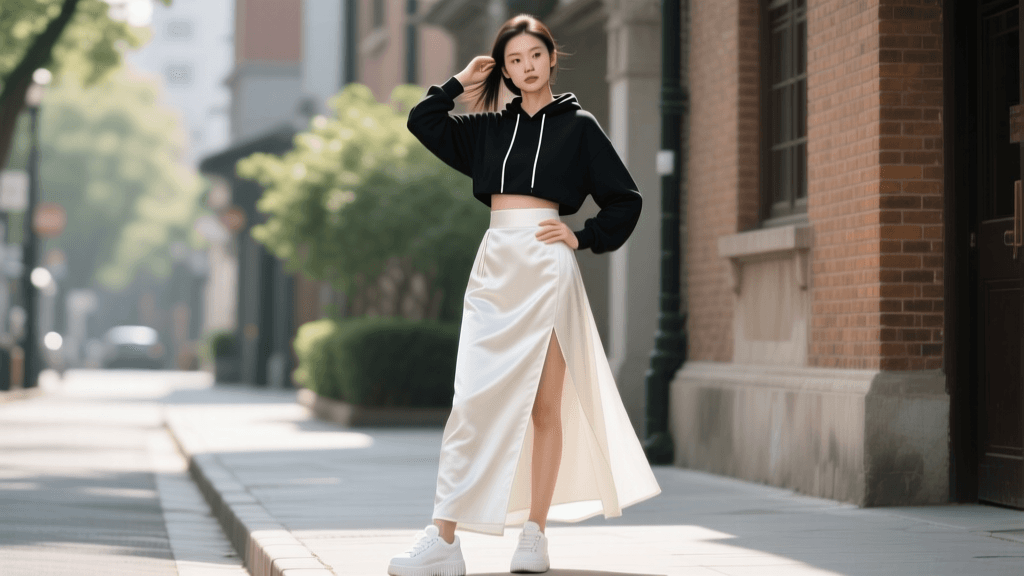
For daily styling, you do not need to wear a full, elaborate historical ensemble. The modern 'New Chinese Style' (Xin Zhongshi) movement encourages mixing and matching. Pair a traditional Ming Dynasty Mamianqun with a simple modern turtleneck and ankle boots, or wear a Song Dynasty Beizi (a lightweight, open-front jacket) over a modern camisole and jeans. This approach not only makes the clothing more practical for daily life but also honors the evolution of fashion as a living, breathing cultural expression.
Conclusion
Shopping for Hanfu online is a rewarding journey into the heart of Chinese textile history and modern cultural pride. By understanding the terminology, mastering the flat-lay measurement system, and utilizing shopping agents to access top-tier Taobao brands, you can curate a stunning, authentic wardrobe. Whether you are investing in a museum-quality Ming Dynasty jacket or picking up a versatile horse-face skirt for daily wear, the world of Hanfu offers unparalleled beauty and craftsmanship for those willing to explore it.