Traditional Japanese Wedding Kimono: Shiromuku and Uchikake Guide
Introduction to Japanese Bridal Attire
The traditional Japanese wedding is a masterclass in sartorial elegance, deeply rooted in Shinto rituals and centuries of textile craftsmanship. For the modern bride navigating the intersection of heritage and contemporary celebration, understanding the nuances of ceremonial wedding kimono is essential. Unlike Western bridal gowns, which typically feature a single dress, a traditional Japanese bridal trousseau involves multiple intricate layers, specific accessories, and highly codified styling rules. According to the extensive textile archives at the Victoria and Albert Museum, the evolution of Japanese ceremonial dress reflects not only shifts in aesthetic preferences but also profound changes in social structure and familial alliances from the Edo period to the modern era.
This comprehensive guide explores the two most iconic garments of the Japanese bridal wardrobe: the pure white shiromuku and the opulent uchikake. We will also provide actionable advice on measurements, tailoring timelines, and the realistic costs associated with renting or purchasing these masterpieces.
The Shiromuku: The Pure White Wedding Kimono
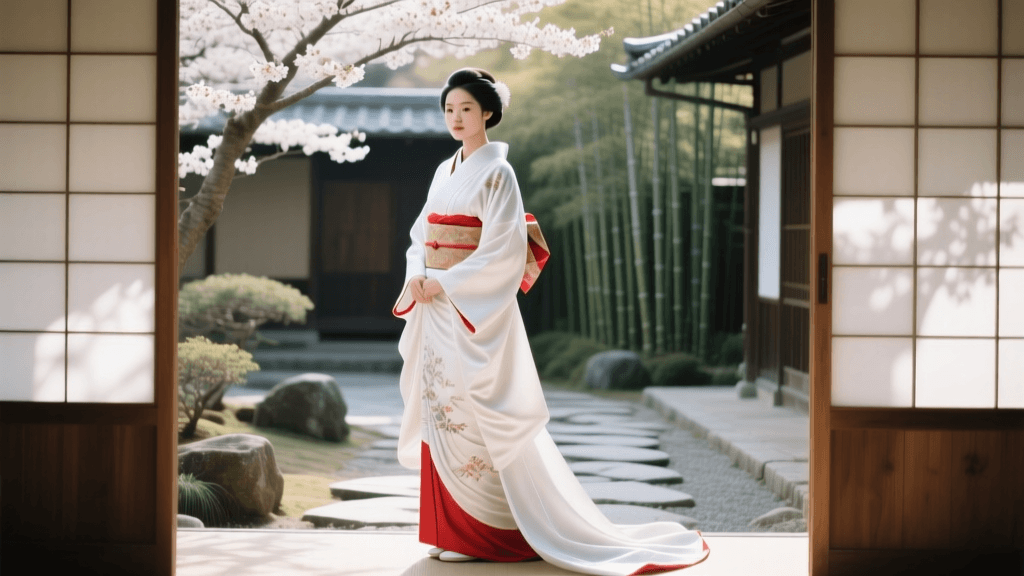
The shiromuku (白無垢) is the most formal and sacred wedding garment in Japan, worn exclusively during the Shinto marriage ceremony (shinzen shiki). The term translates literally to 'pure white,' and the ensemble consists of entirely white garments, from the under-robe to the outer coat and accessories.
Symbolism and Layering
White in Japanese culture symbolizes purity, cleanliness, and a willingness to be 'dyed' in the colors of the groom's family. However, achieving this pristine look requires meticulous layering:
- Hadajuban and Susoyoke: The foundational cotton undergarments that protect the silk and absorb moisture.
- Nagajuban: A white silk under-kimono that provides the collar shape visible at the neckline.
- Kakeshita: The main outer kimono, heavily padded at the hem to create a graceful, trailing silhouette.
- Uchikake (White): In some regions, a secondary white padded robe is worn over the kakeshita for added volume and formality.
Headpieces: Wataboshi vs. Tsunokakushi
The shiromuku is traditionally paired with one of two headpieces. The wataboshi is a large, dome-shaped white cotton hat that shields the bride's face from evil spirits and signifies modesty. It is worn exclusively with the shiromuku. Alternatively, the tsunokakushi (literally 'horn-hiding') is a white silk cap tied around the head. Folklore suggests it hides the 'horns of jealousy' that a woman might grow, symbolizing her commitment to becoming a gentle and obedient wife. As noted by cultural travel and heritage experts at Japan Experience, modern brides often choose the tsunokakushi to allow their elaborate floral hair ornaments (kanzashi) to remain visible.
The Uchikake: The Colorful Reception Robe
Following the solemn Shinto ceremony, the bride typically changes into an uchikake or iro-uchikake (colored uchikake) for the wedding reception (hiroen). The uchikake is an unbelted outer robe worn over the kimono, designed to trail on the floor.
Craftsmanship and the Padded Hem
Unlike standard kimono, the uchikake features a thick, padded hem called fukiginu. This padding weighs down the garment, allowing it to glide smoothly across tatami mats or banquet floors while maintaining a regal, structured shape. The textiles used for uchikake are often Nishijin-ori (brocade woven in Kyoto) or feature elaborate shishu (embroidery) using gold and silver threads.
Auspicious Motifs
When selecting an uchikake, brides choose motifs that carry deep auspicious meanings:
- Tsuru (Crane): Symbolizes longevity and fidelity, as cranes are believed to mate for life.
- Shochikubai (Pine, Bamboo, and Plum): A classic trio representing resilience, prosperity, and endurance through harsh winters.
- Oshidori (Mandarin Ducks): Represents marital harmony and lifelong partnership.
- Gosho-guruma (Imperial Carriages): Denotes high status, elegance, and aristocratic heritage.
Essential Bridal Accessories
Completing the bridal look requires a specific set of accessories, many of which are handed down as family heirlooms or included in premium rental packages:
- Maru Obi or Fukuro Obi: The sash. A maru obi is fully patterned on both sides and incredibly heavy, woven with metallic threads. It is tied in the bunko (box) or taiko (drum) style.
- Hakoseko: A small, ornate silk pouch worn tucked into the front of the obi collar, traditionally holding a mirror and tissues.
- Sensu: A ceremonial folding fan, often featuring gold leaf and pine motifs, held by the bride during photographs and greetings.
- Zori and Tabi: White silk zori sandals paired with pristine white tabi (split-toe socks).
Practical Guide: Costs, Rentals, and Purchasing
Navigating the financial aspect of Japanese wedding attire requires careful planning. While purchasing a bespoke silk ensemble is a generational investment, renting is the most popular choice for modern couples. Below is a structured comparison of current market costs in Japan (estimated in JPY and USD).
| Attire Option | Inclusions | Estimated Cost (JPY) | Estimated Cost (USD) |
|---|---|---|---|
| Standard Rental Package | Shiromuku, Uchikake, basic accessories, dressing fee | ¥250,000 - ¥400,000 | $1,700 - $2,700 |
| Premium / Designer Rental | High-end Nishijin textiles, premium obi, full hair/makeup | ¥500,000 - ¥800,000 | $3,400 - $5,400 |
| Bespoke Purchase (New) | Custom-woven silk, hand-embroidery, tailored to exact measurements | ¥1,500,000 - ¥3,500,000+ | $10,000 - $23,000+ |
| Vintage / Second-hand | Pre-owned Showa-era garments (requires cleaning and new under-layers) | ¥150,000 - ¥350,000 | $1,000 - $2,300 |
Note: Prices fluctuate based on the season, the prestige of the kimono salon, and the inclusion of professional hair, makeup, and photography services.
Actionable Timeline and Measurements for Brides
Securing your wedding kimono is not a last-minute endeavor. The intricate nature of the garments and the specialized knowledge required by the kitsuke-shi (kimono dresser) demand a strict timeline.
The Booking Timeline
- 8 to 10 Months Prior: Begin researching kimono salons. If you plan to use a family heirloom, take it to a professional cleaner (shimi-nuki) for inspection and restoration.
- 6 to 8 Months Prior: Finalize your rental contract or purchase order. This is when you select your primary shiromuku and reception uchikake.
- 3 Months Prior (Mitate): The first fitting. You will try on the actual garments to check the drape, color harmony, and obi tying style.
- 1 Month Prior (Kari-nui): The final fitting and consultation with the hair and makeup artist to ensure your katsura (wig) or natural hair styling accommodates the wataboshi or tsunokakushi.
Crucial Measurements
Unlike Western dresses that are tailored to the bust, waist, and hips, kimono are tailored using a unique set of measurements. When consulting with a tailor or rental salon, you must provide:
- Height (Shincho): Determines the mitake (total length of the kimono from the back of the neck to the ankle).
- Yuki (Arm Span): Measured from the center of the back of the neck, over the shoulder, and down to the wrist bone. This is the most critical measurement for ensuring the sleeves hang elegantly without exposing the undergarments.
- Kuri-koshi (Nape Drop): The distance the collar is dropped at the nape of the neck. For brides, this is typically set deeper (around 4 to 6 cm) to expose the nape, which is considered highly elegant in Japanese aesthetics.
- Hip Circumference: Used to calculate the width of the fabric panels to ensure the kimono wraps securely without pulling at the seams.
Modern Adaptations and Styling Advice
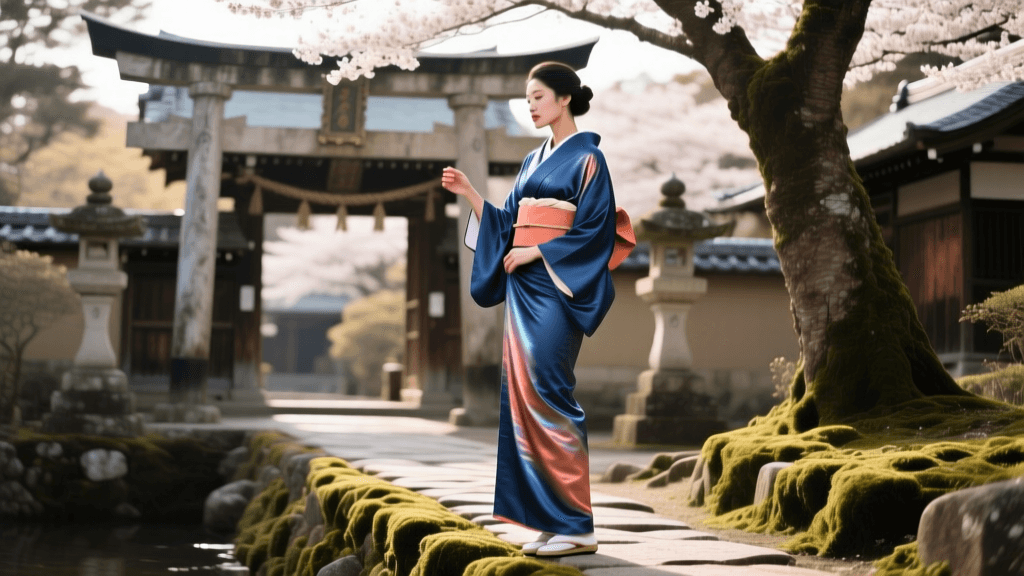
While strict traditionalists adhere to the classic Shinto aesthetic, modern brides are increasingly blending Western and Japanese elements. For destination weddings or outdoor garden ceremonies, the heavy, trailing uchikake can be impractical. In these cases, bridal stylists often recommend a hikizuri (a trailing kimono worn by geisha and maiko) or a modified, lighter silk kimono paired with a simplified obi and Western floral bouquets. For comprehensive styling tips and regional variations, bridal and cultural guides like MATCHA emphasize the importance of coordinating the kimono's color palette with the venue's natural surroundings, particularly during the cherry blossom (sakura) or autumn foliage (koyo) seasons.
Conclusion
Choosing a traditional Japanese wedding kimono is a profound journey into the heart of Asian textile heritage. Whether you opt for the blinding purity of the shiromuku or the vibrant, embroidered storytelling of the uchikake, understanding the layers, motifs, and tailoring requirements ensures that you will look and feel authentically regal on your wedding day. By respecting the timeline, investing in proper measurements, and appreciating the deep symbolism woven into every thread, brides can honor centuries of tradition while creating unforgettable modern memories.